

-58%
Glucovance
Price range: $ 48,00 through $ 342,00
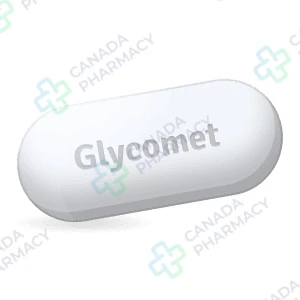
Glycomet SR
Price range: $ 54,00 through $ 75,00
Glycomet
Price range: $ 4,00 through $ 71,00
Glycomet is a widely utilized medication designed to help individuals with type 2 diabetes effectively manage their blood sugar levels. This treatment works by enhancing the body’s sensitivity to insulin while decreasing the amount of glucose released by the liver. Maintaining consistent glycemic control through this formula helps prevent serious long-term complications associated with elevated blood sugar. The medication is an essential component of a comprehensive management plan for achieving better metabolic health and daily stability. Its reliable performance makes Glycomet a preferred option for those looking to maintain their quality of life through controlled glucose levels.
Active substance: metformin
Delivery: 5–21 days (depending on the shipping method)
Extra 10% discount with coupon: IT4K6SVM
Each dosage option has its own packaging choices.
Description
Glycomet belongs to a group of medicines called biguanides, which help regulate blood glucose levels in metabolic conditions. As a prescription medication containing metformin hydrochloride, it is primarily indicated for managing type 2 diabetes mellitus in adult and pediatric patients.
The drug is dispensed in accordance with applicable federal and state prescription regulations in the United States. Proper utilization requires diagnostic confirmation of glycemic status and ongoing medical supervision.
| Parameter | Details |
|---|---|
| Drug name | Glycomet |
| Active ingredient (INN) | Metformin hydrochloride |
| Primary purpose | Management of type 2 diabetes mellitus |
| Dosage form | Oral tablet (immediate-release / extended-release) |
| Route of administration | Oral |
| Prescription status | Prescription (Rx) only |
Clinical Overview and Pharmacological Profile
Main uses
Glycomet is indicated as an adjunct to diet and exercise to improve glycemic control in adults and pediatric patients aged 10 years and older with type 2 diabetes mellitus. The drug is not indicated for the treatment of type 1 diabetes mellitus or diabetic ketoacidosis. In clinical practice, prescribers may occasionally evaluate metformin formulations for off-label indications, such as polycystic ovary syndrome (PCOS) or insulin resistance associated with prediabetes. However, these off-label applications are not FDA-approved primary indications and must be evaluated on an individual basis by a qualified provider. Regular monitoring of glycated hemoglobin (HbA1c) and fasting blood glucose is required to establish therapeutic efficacy during treatment.
Mechanism of action
The drug contains metformin hydrochloride, an antihyperglycemic agent that improves glucose tolerance in patients with type 2 diabetes by lowering both basal and postprandial plasma glucose. The mechanism of action involves three distinct pathways: reduction of hepatic glucose production through inhibition of gluconeogenesis and glycogenolysis; modest enhancement of peripheral insulin sensitivity, which increases glucose uptake and utilization in skeletal muscle; and delay of intestinal glucose absorption. Unlike sulfonylureas or exogenous insulin, metformin does not stimulate pancreatic beta-cell insulin secretion and therefore does not produce hyperinsulinemia or typically cause hypoglycemia when administered as monotherapy.
How it’s absorbed and eliminated
Following oral administration of immediate-release metformin, absolute bioavailability is approximately 50% to 60% under fasting conditions. Food slightly decreases and delays gastrointestinal absorption. Metformin is negligibly bound to plasma proteins and partitions into erythrocytes over time. The active compound does not undergo hepatic metabolism and is excreted unchanged in the urine via tubular secretion. In individuals with normal renal function, the elimination half-life is approximately 6.2 hours in plasma. In patients with impaired renal function, renal clearance is decreased in proportion to creatinine clearance, leading to prolonged elimination half-life and an increased risk of systemic drug accumulation.
Dosing schedule
The dosing schedule of Glycomet must be individualized based on effectiveness and clinical tolerance, while not exceeding the maximum recommended daily dose. Therapy is generally initiated at a low dose, such as 500 mg twice daily or 850 mg once daily administered with meals, to minimize gastrointestinal adverse effects. The daily dose may be gradually titrated in increments of 500 mg weekly or 850 mg every two weeks based on glycemic control measurements. Extended-release formulations are typically administered once daily with the evening meal. Dosage adjustments are mandatory in patients with renal impairment, and therapy should be reevaluated if renal parameters decline during treatment.
Safety Profile, Precautions, and Practical Considerations
Adverse reactions
The safety profile of Glycomet is characterized predominantly by gastrointestinal adverse effects, particularly during the initiation of therapy. Common side effects include diarrhea, nausea, vomiting, abdominal bloating, flatulence, anorexia, and a metallic taste in the mouth. These symptoms are generally transient and self-limiting, often resolving with continued administration or dosage reduction. Long-term use of metformin has been associated with a decrease in serum vitamin B12 absorption, which may lead to clinical vitamin B12 deficiency or megaloblastic anemia over prolonged treatment durations. Hypoglycemia is rare when the drug is used as monotherapy but may occur when combined with insulin or insulin secretagogues.
Important precautions
A critical safety consideration associated with metformin therapy is lactic acidosis, a rare but severe metabolic complication that carries a high mortality rate if unrecognized. Lactic acidosis is characterized by elevated blood lactate levels, metabolic acidosis, hypothermia, hypotension, and resistant bradyarrhythmias. Risk factors include renal impairment, concomitant use of nephrotoxic drugs, age 65 or older, radiological studies involving iodinated contrast media, surgical procedures, hypoxic states (such as acute congestive heart failure), excessive alcohol intake, and hepatic impairment. If lactic acidosis is suspected, Glycomet must be discontinued immediately, and prompt emergency medical evaluation is required. Routine assessment of renal function (estimated glomerular filtration rate, or eGFR) is required prior to initiating treatment and periodically thereafter.
Compatibility with other medicines
Co-administration of Glycomet with other therapeutic agents may alter its pharmacokinetics or potentiate adverse reactions. Cationic drugs that are eliminated by renal tubular secretion (such as ranitidine, cimetidine, triamterene, digoxin, or vancomycin) can compete with metformin for common renal tubular transport systems, potentially increasing plasma concentrations of metformin. Concomitant use with carbonic anhydrase inhibitors (e.g., topiramate, zonisamide) may increase the risk of lactic acidosis. Medications that tend to cause hyperglycemia, such as thiazide diuretics, corticosteroids, phenothiazines, thyroid products, estrogens, and oral contraceptives, may impair glycemic control and necessitate dose modifications of Glycomet.
What to avoid while taking it
Patients should avoid excessive acute or chronic alcohol consumption while receiving Glycomet. Alcohol potentiates the effect of metformin on lactate metabolism and significantly increases the risk of developing lactic acidosis. Administration of Glycomet with meals is recommended to reduce gastrointestinal discomfort. Extended-release tablets must be swallowed whole and should not be crushed, chewed, or split, as altering the physical integrity of the tablet disrupts the controlled release of the active drug.
If you skip a dose
If a dose of Glycomet is missed, the patient should take the missed dose as soon as remembered with food, unless it is almost time for the next scheduled dose. Patients must not take two doses at the same time or double the dose to compensate for a missed tablet. Maintaining a consistent daily administration schedule helps preserve steady plasma concentrations and optimal glycemic control.
Special populations
Use during pregnancy requires careful clinical evaluation. While insulin remains the standard of care for glycemic control during pregnancy, clinical data regarding metformin use exist; consultation with a healthcare provider is mandatory. Metformin transfers into human breast milk in small quantities; potential risks and benefits must be weighed for nursing mothers. In elderly patients, therapeutic selection should be cautious due to the higher frequency of decreased renal function; dosing should be based on renal evaluation. Glycomet is not recommended in pediatric patients under 10 years of age.
Practical tips
To ensure optimal safety and therapeutic effectiveness, patients should adhere strictly to prescribed administration times and dietary recommendations. Periodic laboratory assessments, including fasting blood glucose, HbA1c, baseline serum creatinine/eGFR, and periodic serum vitamin B12 levels, are integral components of long-term patient monitoring. Patients should maintain adequate systemic hydration unless medically restricted.
Common questions
Can Glycomet cause low blood sugar (hypoglycemia) when taken alone?
Metformin monotherapy typically does not cause hypoglycemia because it does not stimulate endogenous insulin secretion by pancreatic beta cells. However, low blood sugar can occur if Glycomet is combined with other antidiabetic agents, such as sulfonylureas or insulin, or during periods of severe caloric restriction or strenuous physical exercise without adequate nutritional intake.
Why must Glycomet be temporarily stopped before certain medical imaging procedures?
Intravenous administration of iodinated contrast materials during imaging studies (such as CT scans) can lead to an acute decrease in renal function. Because metformin is excreted renally, compromised kidney function increases the risk of drug accumulation and lactic acidosis. Prescribers typically instruct patients to withhold Glycomet prior to or at the time of contrast procedures and resume only after renal function has been re-evaluated as stable.
Is it common to experience stomach upset when starting Glycomet?
Gastrointestinal symptoms including nausea, diarrhea, abdominal bloating, and discomfort are very common during the initial weeks of treatment. Taking the medication with meals and following a gradual dose titration prescribed by a physician usually helps reduce these symptoms over time.
Does long-term use of Glycomet affect vitamin levels in the body?
Long-term administration of metformin can impair the gastrointestinal absorption of vitamin B12, leading to decreased serum concentrations over time. Healthcare providers frequently monitor vitamin B12 parameters periodically during prolonged therapy to detect and manage potential deficiencies.
Can Glycomet extended-release tablets be crushed for easier swallowing?
Immediate-release formulations may be split or crushed under clinical guidance if necessary, but extended-release (ER) formulations must never be crushed, chewed, or broken. Altering an extended-release tablet destroys its matrix, leading to rapid drug release and an increased risk of adverse effects.
In accordance with FDA requirements, prescription medications should be taken only under the supervision of a licensed healthcare provider.
This text is for informational purposes only and does not constitute individual medical advice.
Additional information
| Dosage |
0.03mg+0.15mg ,250 mg |
|---|---|
| Package |
30 pills ,60 pills ,90 pills ,180 pills ,270 pills ,360 pills |
| Ενεργός Ουσία |
Related products
Avandia
Price range: $ 113,00 through $ 824,00
Active substance: Rosiglitazone
More Details
This product has multiple variants. The options may be chosen on the product page

Cozaar
Price range: $ 41,00 through $ 281,00
Active substance: Losartan
More Details
This product has multiple variants. The options may be chosen on the product page
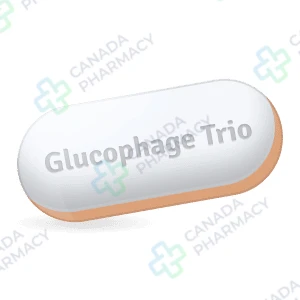
Glucophage Trio
Price range: $ 96,00 through $ 187,00
More Details
This product has multiple variants. The options may be chosen on the product page
Glucotrol XL
Price range: $ 14,00 through $ 170,00
Active substance: Glipizide
More Details
This product has multiple variants. The options may be chosen on the product page
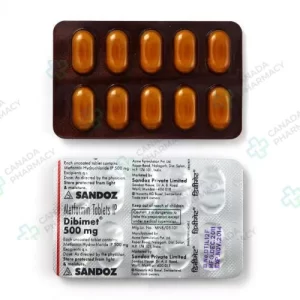
Metformin
Price range: $ 33,00 through $ 190,00
Active substance: metformin
More Details
This product has multiple variants. The options may be chosen on the product page
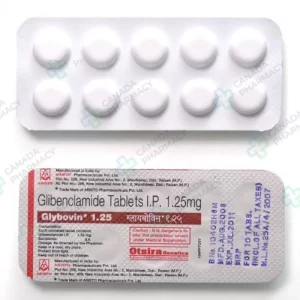
Micronase
Price range: $ 23,00 through $ 174,00
Active substance: Glyburide
More Details
This product has multiple variants. The options may be chosen on the product page
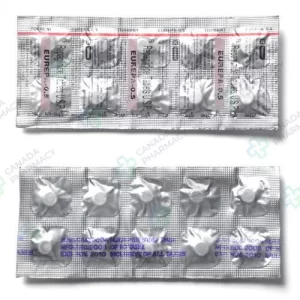
Prandin
Price range: $ 40,00 through $ 858,00
Active substance: Repaglinide
More Details
This product has multiple variants. The options may be chosen on the product page
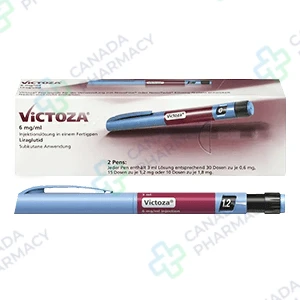
Victoza
Price range: $ 450,00 through $ 850,00
Active substance: Liraglutide
More Details
This product has multiple variants. The options may be chosen on the product page