

-7%
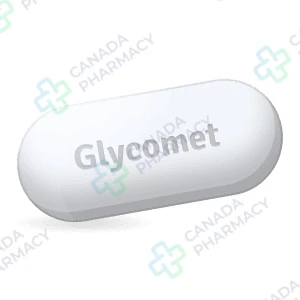
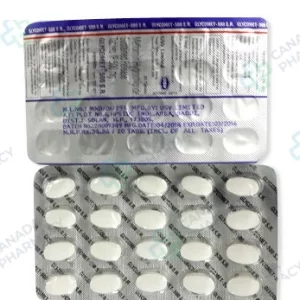
Glycomet
Price range: $ 4,00 through $ 71,00
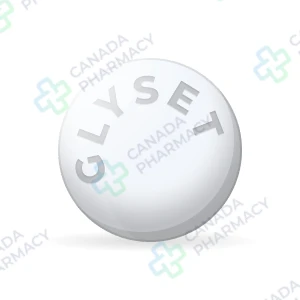
Glyset
Price range: $ 78,00 through $ 156,00
Glycomet SR
Price range: $ 54,00 through $ 75,00
Glycomet SR is a high-quality medication containing Metformin Hydrochloride in a sustained-release formulation for stable blood sugar management. It is primarily used to control glucose levels in individuals diagnosed with type 2 diabetes mellitus. The active ingredient works by enhancing the body’s natural response to insulin and decreasing the amount of sugar produced by the liver. Its sustained-release technology allows for a gradual release of the medication, which helps maintain consistent therapeutic levels throughout the day. When used alongside a healthy diet and regular physical activity, Glycomet SR supports optimal glycemic control and long-term metabolic health.
Active substance: metformin
Delivery: 5–21 days (depending on the shipping method)
Extra 10% discount with coupon: IT4K6SVM
Each dosage option has its own packaging choices.
Description
Glycomet SR belongs to a class of oral antihyperglycemic medications known as biguanides, containing metformin hydrochloride in a sustained-release formulation. It is indicated as an adjunct to diet and exercise to improve glycemic control in adult patients diagnosed with type 2 diabetes mellitus.
This medication is available in the United States by prescription only and must be dispensed in accordance with applicable federal and state regulations under the supervision of a licensed healthcare provider. Proper administration helps maintain stable blood glucose levels while minimizing peak-related gastrointestinal adverse effects.
| Active ingredient (INN) | Metformin hydrochloride |
| Therapeutic class | Biguanide (AHFS 68:20.04) |
| Dosage form | Sustained-release / Extended-release oral tablet |
| Route of administration | Oral |
| Primary purpose | Glycemic control in type 2 diabetes mellitus |
| Prescription status | Dispensed in accordance with applicable federal and state regulations (Prescription only) |
Clinical Profile and Usage Guidelines
Mechanism of Action
Glycomet SR operates through three primary mechanisms to decrease blood glucose concentrations without stimulating pancreatic insulin secretion. First, it reduces hepatic gluconeogenesis, thereby decreasing the amount of glucose produced and released by the liver into systemic circulation. Second, it enhances peripheral insulin sensitivity in skeletal muscle and adipose tissue, facilitating increased peripheral glucose uptake and cellular utilization. Third, it delays intestinal glucose absorption following food consumption. Because metformin hydrochloride does not stimulate beta-cell insulin secretion, monotherapy with Glycomet SR is generally not associated with clinical hypoglycemia when administered as directed.
Main Uses
The primary FDA-aligned clinical indication for metformin extended-release formulations is the management of type 2 diabetes mellitus in adult patients. It is utilized both as monotherapy and in combination with other oral antidiabetic agents or insulin when non-pharmacological interventions, such as medical nutrition therapy and routine physical exercise, prove insufficient to maintain target hemoglobin A1c levels. Off-label uses of metformin formulations–such as the management of polycystic ovary syndrome (PCOS) to restore ovulatory function or off-label prediabetes risk reduction–are sometimes recommended in clinical practice; however, these specific applications represent off-label uses not formally listed in the standardized FDA-approved product label.
Dosing Schedule
Dosage regimens for Glycomet SR must be individualized by a healthcare provider based on therapeutic efficacy and patient tolerance. Initial dosing typically starts at a lower concentration, such as 500 mg once daily with the evening meal, to minimize gastrointestinal discomfort. The dosage may be titrated incrementally based on fasting plasma glucose and hemoglobin A1c measurements. The maximum recommended daily dose for extended-release metformin formulations in adult patients generally does not exceed 2,000 mg per day. Sustained-release tablets must be swallowed whole with fluid and should never be crushed, chewed, split, or dissolved, as altering the tablet structure disrupts the controlled-release mechanism and increases the risk of dose dumping.
How It’s Absorbed and Eliminated
Following oral administration of a sustained-release tablet, metformin hydrochloride is absorbed gradually from the gastrointestinal tract, displaying a prolonged absorption profile compared to immediate-release formulations. Peak plasma concentrations are typically achieved within 4 to 8 hours post-dose. The absolute bioavailability of metformin extended-release under fasting conditions is approximately 50% to 60%. Metformin displays negligible binding to plasma proteins and distributes rapidly into vascularized peripheral tissues. The drug does not undergo hepatic metabolism and is eliminated unchanged via renal excretion through active tubular secretion. In individuals with normal renal clearance, the plasma elimination half-life is approximately 6.2 hours, with an elimination half-life from blood of roughly 17.6 hours due to red blood cell accumulation.
Food and Alcohol Interactions
Administration of Glycomet SR with food increases the extent of systemic absorption and slightly delays peak plasma levels, which helps stabilize blood glucose and reduces gastrointestinal irritation. Patients are advised to take their dose consistently with an evening meal. Conversely, acute or chronic alcohol consumption significantly accentuates the effect of metformin on lactate metabolism. Alcohol impairs hepatic gluconeogenesis and increases the risk of severe lactic acidosis while also heightening the risk of unpredictable hypoglycemia. Patients should restrict or avoid alcohol intake during treatment.
Compatibility with Other Medicines
Certain concomitant medications can significantly alter the pharmacokinetic profile of metformin or impair glycemic control. Cationic drugs that are eliminated by renal tubular secretion (such as ranitidine, triamterene, trimethoprim, or digoxin) may compete with metformin for common renal tubular transport systems, potentially increasing plasma metformin concentrations. Carbonic anhydrase inhibitors (such as topiramate or acetazolamide) may increase the risk of metabolic acidosis. Additionally, drugs that tend to induce hyperglycemia–such as thiazide diuretics, corticosteroids, oral contraceptives, sympathomimetics, and thyroid products–may impair glycemic control, necessitating frequent blood glucose monitoring and dosage adjustments of Glycomet SR.
If You Skip a Dose
If a dose of Glycomet SR is missed, it should be taken as soon as remembered with food on the same day, provided it does not coincide closely with the time for the next scheduled dose. Patients should never double the dose or take extra tablets to compensate for a skipped administration. Doubling doses significantly increases the risk of gastrointestinal adverse effects and potential metabolic complications. If the missed dose is not noticed until the following day, the standard daily dosing schedule should be resumed without modification.
Patient Questions and Safety Reference
Adverse Reactions
Adverse events associated with Glycomet SR predominantly involve the gastrointestinal system, particularly during the initiation phase of therapy. Common side effects include diarrhea, nausea, vomiting, abdominal bloating, flatulence, anorexia, and a metallic taste in the mouth. These symptoms are typically transient and diminish as therapy continues or when tablets are ingested alongside meals. Sustained-release formulations generally demonstrate lower rates of severe gastrointestinal discomfort compared to immediate-release metformin. Long-term administration of metformin may also lead to decreased gastrointestinal absorption of vitamin B12, potentially resulting in serum B12 deficiency and megaloblastic anemia over extended periods; periodic monitoring of hematologic parameters is recommended.
Important Precautions
The primary critical risk associated with metformin therapy is lactic acidosis, a rare but severe metabolic complication characterized by elevated blood lactate levels, metabolic acidosis, and high mortality. Lactic acidosis is a medical emergency requiring immediate hospitalization. Risk factors include renal impairment, advanced age, acute heart failure, hepatic dysfunction, severe hypoxemia, sepsis, major surgical procedures, and excessive alcohol ingestion. Renal function must be evaluated prior to initiating treatment (e.g., assessing estimated glomerular filtration rate, or eGFR) and monitored at least annually thereafter. Glycomet SR is contraindicated in patients with severe renal impairment (eGFR below 30 mL/min/1.73 m²). Treatment should be temporarily withheld prior to or at the time of intravascular iodinated contrast imaging procedures in patients with reduced eGFR or a history of liver disease.
Practical Tips
Patients prescribed Glycomet SR should maintain regular blood glucose monitoring as recommended by their healthcare provider. It is important to swallow the sustained-release tablet whole; occasionally, an inactive tablet shell (matrix) may pass through the gastrointestinal tract and appear intact in the stool, which is a normal occurrence that does not indicate reduced medication efficacy. Patients residing in hot environments–such as in Phoenix or Texas during summer months–should remain adequately hydrated, as severe dehydration can impair kidney function and heighten medication risks.
Common Questions
Is it normal to experience stomach discomfort during the first few weeks of therapy?
Yes, mild gastrointestinal symptoms such as nausea, mild diarrhea, or bloating are relatively common when starting metformin extended-release. These effects usually subside within a few weeks as the digestive system adapts. Taking the medication with food minimizes these symptoms.
What should be done if a surgical procedure involving anesthesia is planned?
Patients scheduled for elective surgery requiring general anesthesia or spinal procedures should inform their surgical team. Glycomet SR is typically suspended temporarily prior to surgery and restarted only after oral intake is restored and renal function has been re-evaluated as stable.
Can Glycomet SR be used during pregnancy or breastfeeding?
Managing blood glucose is critical during pregnancy. While insulin remains the primary standard of care for diabetes during pregnancy in the US, metformin is sometimes considered under specialist guidance. Women who are pregnant, planning to become pregnant, or breastfeeding must discuss treatment strategies with their prescribing physician to weigh potential risks and benefits for special populations.
How does renal function affect the safety of this medication?
Because metformin is excreted unchanged by the kidneys, impaired renal clearance leads to drug accumulation, increasing the risk of lactic acidosis. Healthcare providers evaluate kidney function (eGFR) before starting therapy and monitor it regularly to ensure safe ongoing use.
What signs indicate a need to seek emergency care?
Patients must seek immediate emergency medical care if they experience symptoms of lactic acidosis, such as severe tiredness, unexplained muscle pain, difficulty breathing, sudden stomach discomfort, slow or irregular heartbeat, or feeling unusually cold.
This text is for informational purposes only and does not constitute individual medical advice. In accordance with FDA regulatory guidelines.
Additional information
| Dosage |
1000 mg |
|---|---|
| Package |
60 pills ,90 pills |
| Ενεργός Ουσία |
Related products
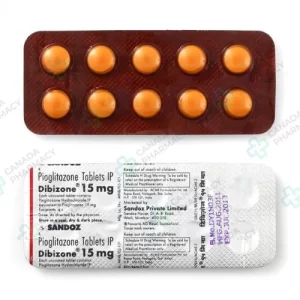
Actos
Price range: $ 52,00 through $ 239,00
Active substance: Pioglitazone
More Details
This product has multiple variants. The options may be chosen on the product page
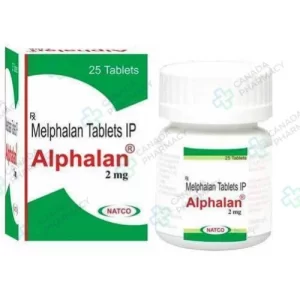
Alkeran
Price range: $ 112,00 through $ 513,00
Active substance: Melphalan
More Details
This product has multiple variants. The options may be chosen on the product page
Altraz
Price range: $ 194,00 through $ 441,00
Active substance: Anastrozole
More Details
This product has multiple variants. The options may be chosen on the product page
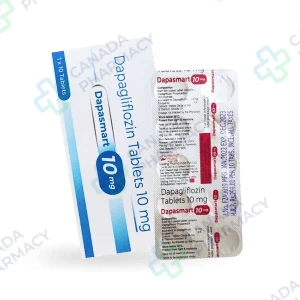
Dapasmart
Price range: $ 67,00 through $ 575,00
Active substance: Dapagliflozin
More Details
This product has multiple variants. The options may be chosen on the product page
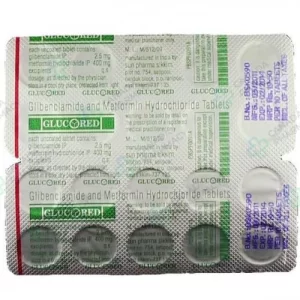
Glucovance
Price range: $ 48,00 through $ 342,00
Active substance: glibenclamide, metformin
More Details
This product has multiple variants. The options may be chosen on the product page
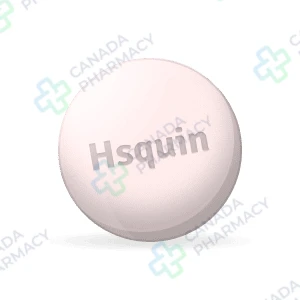
Hsquin
Price range: $ 43,00 through $ 75,00
Active substance: Hydroxychloroquine
More Details
This product has multiple variants. The options may be chosen on the product page
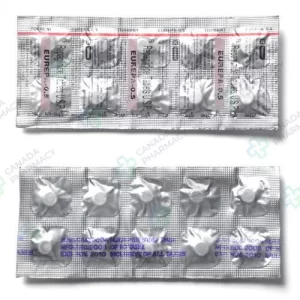
Prandin
Price range: $ 40,00 through $ 858,00
Active substance: Repaglinide
More Details
This product has multiple variants. The options may be chosen on the product page
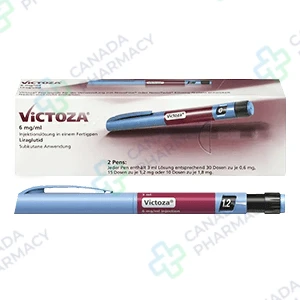
Victoza
Price range: $ 450,00 through $ 850,00
Active substance: Liraglutide
More Details
This product has multiple variants. The options may be chosen on the product page