

-37%
Poxet
Price range: $ 45,00 through $ 430,00
Prasugrel
Price range: $ 54,00 through $ 462,00
Prandin
Price range: $ 40,00 through $ 858,00
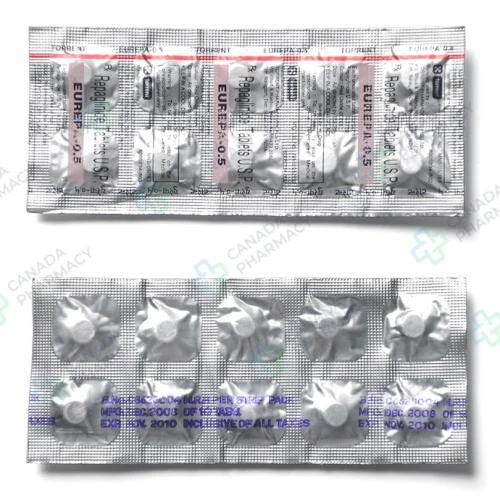
Prandin is an oral medication specifically designed to help manage blood sugar levels in adults with type 2 diabetes. This medication belongs to the meglitinide class and works by stimulating the pancreas to release insulin more effectively during meal times. It is taken shortly before eating to control the blood glucose spikes that typically occur after meals. By maintaining stable glycemic levels throughout the day, Prandin helps reduce the risk of serious health complications associated with high blood sugar. This treatment is a reliable option for achieving better metabolic control when integrated into a balanced lifestyle.
Active substance: Repaglinide
Delivery: 5–21 days (depending on the shipping method)
Extra 10% discount with coupon: IT4K6SVM
Each dosage option has its own packaging choices.
Description
Prandin belongs to a class of oral antihyperglycemic medications known as meglitinide analogs (glinides). It is prescribed under federal regulations in the United States as an adjunct to diet and exercise to lower blood glucose levels in adults diagnosed with type 2 diabetes mellitus. Because it acts rapidly to stimulate postprandial insulin release, proper coordination with meal schedules is essential for optimal glycemic control and patient safety.
This overview provides key pharmacological facts, dosing principles, potential drug interactions, and precautionary measures for individuals prescribed this medication. All treatment plans involving this product require direct medical supervision and ongoing monitoring by a qualified healthcare professional.
| Parameter | Product Details |
|---|---|
| Active Ingredient (INN) | Repaglinide |
| Therapeutic Class | Meglitinide analog (Insulin secretagogue) |
| Dosage Form | Oral tablets (0.5 mg, 1 mg, 2 mg) |
| Prescription Status | Prescription only (Rx) |
| Primary Purpose | Glycemic control in type 2 diabetes mellitus |
| Dosing Timing | 15 to 30 minutes prior to meals |
| Primary Elimination Route | Hepatic metabolism (biliary/fecal excretion) |
How the Drug Works
Prandin contains repaglinide, a short-acting oral insulin secretagogue. The primary mechanism of action involves closing ATP-dependent potassium channels in the plasma membranes of pancreatic beta cells. This blockade depolarizes the beta cells, leading to the opening of voltage-gated calcium channels. The resulting influx of calcium ions triggers exocytosis and the release of pre-formed insulin into the bloodstream.
Unlike longer-acting sulfonylureas, repaglinide binds to a specific receptor site on the beta cell with rapid onset and rapid dissociation kinetics. Consequently, insulin secretion increases within 15 to 30 minutes following administration, coinciding directly with mealtime glucose absorption. Because its pharmacological effect wanes relatively quickly between meals, the risk of extended hyperinsulinemia during fasting periods is reduced compared to traditional long-acting agents, provided that doses are taken only in conjunction with food.
Main Uses
Prandin is FDA-approved for the management of type 2 diabetes mellitus in adult patients as an adjunct to dietary modifications and physical exercise. Clinical guidelines support its use as monotherapy in individuals whose blood sugar cannot be controlled by lifestyle interventions alone. Additionally, it may be prescribed in dual or triple combination regimens alongside other non-secretagogue oral antidiabetic agents, such as metformin or thiazolidinediones, when single-agent therapy proves insufficient.
This medication is not indicated for the treatment of type 1 diabetes mellitus or diabetic ketoacidosis. Its safety and efficacy have not been established in pediatric populations. Proper dietary compliance remains foundational to treatment success, and repaglinide should never be viewed as a substitute for lifestyle changes.
What Happens in the Body
Following oral administration, repaglinide is rapidly and completely absorbed from the gastrointestinal tract. Peak plasma concentration (Cmax) is generally reached within 1 hour. The absolute bioavailability of repaglinide is approximately 56%. Administration with food slightly decreases peak plasma concentration, but the total area under the plasma concentration-time curve (AUC) remains comparable, reinforcing the requirement to take doses shortly before meals.
Repaglinide exhibits high plasma protein binding, primarily to serum albumin, exceeding 98%. It undergoes extensive hepatic biotransformation, largely mediated by cytochrome P450 enzymes–specifically CYP2C8 and CYP3A4. Metabolism yields inactive dicarboxylic acid derivatives. Less than 2% of the parent drug is excreted unchanged. Approximately 90% of the administered dose is eliminated in the feces via biliary excretion, while around 8% is recovered in the urine. The elimination half-life is brief, lasting approximately 1 hour.
Dosing Schedule
Dosing of Prandin must be individualized based on blood glucose levels and glycosylated hemoglobin (HbA1c) targets. Standard administration occurs 15 to 30 minutes prior to each main meal, typically 2, 3, or 4 times daily depending on individual eating patterns. For patients not previously treated with antidiabetic agents or those with HbA1c under 8%, the typical starting dose is 0.5 mg per meal. For patients previously treated with blood-glucose-lowering drugs or with HbA1c of 8% or higher, the initial dose is generally 1 mg or 2 mg per meal.
Dose adjustments are determined by pre-prandial and post-prandial blood glucose responses, with titration intervals of at least one week. The maximum recommended single dose is 4 mg taken before a meal. The total daily intake should not exceed 16 mg. If a patient skips a meal, the corresponding dose of repaglinide must also be omitted to prevent hypoglycemia.
What Not to Combine
Co-administration of Prandin with strong CYP2C8 inhibitors, particularly gemfibrozil, is strictly contraindicated. Gemfibrozil significantly increases repaglinide plasma concentrations (AUC increases up to 8-fold), leading to severe, prolonged, and life-threatening hypoglycemia. Dual inhibition of CYP2C8 and CYP3A4 by agents such as trimethoprim, clarithromycin, or azole antifungals (e.g., itraconazole, ketoconazole) can also markedly increase systemic exposure.
Concomitant use with clopidogrel (a CYP2C8 inhibitor) or cyclosporine can lead to substantial increases in repaglinide concentration, requiring dosage adjustments or avoidance. Conversely, hepatic enzyme inducers such as rifampin, carbamazepine, and St. John’s wort can enhance the metabolism of repaglinide, thereby reducing its therapeutic efficacy. Nonselective beta-blockers may mask early warning signs of hypoglycemia, such as tachycardia and tremors, complicating patient response to low blood sugar.
Adverse Reactions
Hypoglycemia is the most common adverse reaction associated with Prandin. Mild-to-moderate hypoglycemic episodes may present with symptoms including dizziness, diaphoresis, tremors, headache, hunger, nervousness, confusion, and palpitations. Severe hypoglycemia can lead to seizures, loss of consciousness, or permanent neurological damage if untreated.
Gastrointestinal side effects reported in clinical trials include abdominal pain, diarrhea, constipation, vomiting, and dyspepsia. Weight gain may occur, which is a known effect of insulin-stimulating therapies. Upper respiratory tract infections, sinusitis, and rhinitis are also observed. Hypersensitivity reactions, including skin rash, pruritus, and urticaria, occur infrequently. Isolated instances of elevated liver enzymes have been reported during post-marketing surveillance.
Important Precautions
Patients with hepatic impairment require reduced dosages and careful monitoring due to slowed drug clearance and prolonged systemic exposure, which elevates hypoglycemia risk. Moderate to severe renal impairment also demands cautious dose titration, as reduced clearance can affect metabolic balance. Elderly patients may experience heightened sensitivity to blood-glucose-lowering effects, necessitating lower initial doses.
During periods of physical stress, infection, trauma, or surgery, glycemic control may deteriorate, requiring temporary conversion to insulin therapy. Prandin is classified as a prescription medication that should be used during pregnancy only if the potential benefit justifies the risk to the fetus; insulin is generally the preferred choice during pregnancy and lactation to maintain strict blood sugar control.
Food and Alcohol Interactions
Meal consumption timing is directly linked to the safety profile of repaglinide. Taking the tablet without consuming food within 30 minutes significantly increases the probability of experiencing acute hypoglycemia. If a planned meal is canceled or delayed, the dose must be withheld until the meal is consumed.
Alcohol consumption interacts unpredictably with repaglinide. It can potentiate the blood-glucose-lowering effect by inhibiting hepatic gluconeogenesis, while simultaneously masking warning signs of low blood sugar. Patients should avoid heavy alcohol use and discuss light alcohol consumption with their prescribing clinician.
What to Do if You Miss a Dose
If a dose is missed prior to a meal, it should be taken during that meal or skipped entirely if the meal has already concluded. Patients should never double the dose or take an extra tablet between meals to make up for a missed dose. If a meal is omitted from the patient’s schedule, the corresponding dose for that specific meal must also be omitted.
Storage and Expiration
Prandin tablets should be stored at controlled room temperature between 68°F and 77°F (20°C to 25°C), with brief excursions permitted between 59°F and 86°F (15°C and 30°C). The medication must be kept in a tightly closed container, protected from moisture and excessive humidity. Store away from direct light and out of reach of children and domestic animals. Discard any unused or expired medication in accordance with local pharmaceutical disposal guidelines.
Red Flags and Emergency Care
Immediate medical intervention is necessary if a patient experiences severe hypoglycemia characterized by confusion, disorientation, inability to swallow, seizures, or loss of consciousness. Emergency care must also be sought if signs of a serious allergic reaction develop, such as facial, lip, tongue, or throat swelling, accompanied by severe rash or difficulty breathing. Unexplained, severe abdominal pain or signs of hepatic dysfunction, such as jaundice or severe fatigue, warrant prompt clinical evaluation.
Common Questions
How quickly does Prandin begin lowering blood sugar after ingestion?
Prandin acts rapidly compared to many traditional diabetes medications. Blood-glucose-lowering effects usually begin within 15 to 30 minutes after taking a dose. Peak blood concentration occurs around one hour post-administration. Because of this quick onset, it is essential that the dose is taken immediately before or up to 30 minutes prior to eating a meal to prevent blood sugar from dropping too low before food absorption occurs.
What should be done if a meal pattern changes unexpectedly?
Because repaglinide is designed for meal-matched dosing, treatment flexes with eating habits. If a meal is skipped or an extra main meal is added to a daily routine, the dosing schedule should be adjusted accordingly. Omitting a meal requires skipping that meal’s dose. Adding an extra main meal requires adding an additional prescribed dose before that meal, provided the maximum total daily limit of 16 mg is not exceeded.
Can Prandin be taken alongside other diabetes medications like metformin?
Yes, healthcare providers frequently prescribe Prandin in combination with non-secretagogue antidiabetic drugs like metformin or thiazolidinediones when monotherapy fails to maintain goal HbA1c levels. Combining drugs with different mechanisms of action helps improve overall glycemic control. However, combination therapy increases the total potential risk of hypoglycemia, requiring closer blood glucose self-monitoring.
Why is gemfibrozil strictly prohibited while taking Prandin?
Gemfibrozil is a potent inhibitor of the hepatic enzyme CYP2C8, which is the primary pathway responsible for metabolizing repaglinide in the liver. Co-administration blocks the breakdown of repaglinide, leading to an 8-fold increase in drug exposure in the bloodstream. This severe interaction results in prolonged, profound hypoglycemia that can be life-threatening and resistant to standard oral glucose treatment.
In accordance with FDA requirements.
This text is for informational purposes only and does not constitute individual medical advice.
Additional information
| Dosage |
0.5 mg ,1mg ,2mg |
|---|---|
| Package |
30 pills ,60 pills ,90 pills ,120 pills ,180 pills ,270 pills ,360 pills |
| Ενεργός Ουσία |
Related products
Actoplus Met
Price range: $ 43,00 through $ 343,00
Active substance: metformin, Pioglitazone
More Details
This product has multiple variants. The options may be chosen on the product page
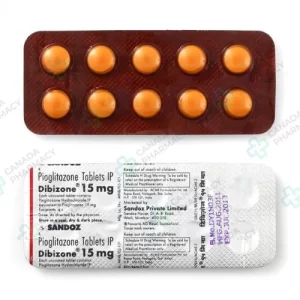
Actos
Price range: $ 52,00 through $ 239,00
Active substance: Pioglitazone
More Details
This product has multiple variants. The options may be chosen on the product page
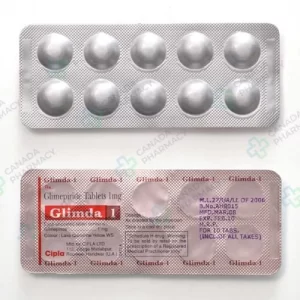
Amaryl
Price range: $ 39,00 through $ 424,00
Active substance: Glimepiride
More Details
This product has multiple variants. The options may be chosen on the product page
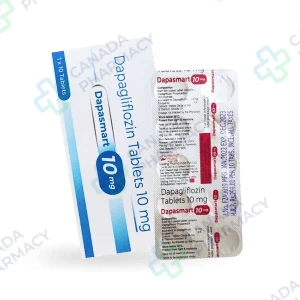
Dapasmart
Price range: $ 67,00 through $ 575,00
Active substance: Dapagliflozin
More Details
This product has multiple variants. The options may be chosen on the product page
Empagliflozin
Price range: $ 153,00 through $ 727,00
Active substance: Empagliflozin
More Details
This product has multiple variants. The options may be chosen on the product page
Forxiga
Price range: $ 52,00 through $ 340,00
Active substance: Dapagliflozin
More Details
This product has multiple variants. The options may be chosen on the product page
Glucophage Trio
Price range: $ 96,00 through $ 187,00
More Details
This product has multiple variants. The options may be chosen on the product page
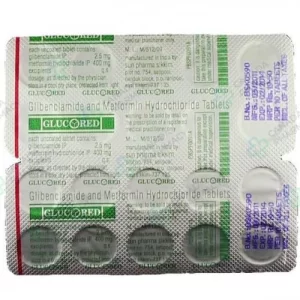
Glucovance
Price range: $ 48,00 through $ 342,00
Active substance: glibenclamide, metformin
More Details
This product has multiple variants. The options may be chosen on the product page