

-33%

Danazol
Price range: $ 62,00 through $ 480,00

Dapoxetine
Price range: $ 40,00 through $ 600,00
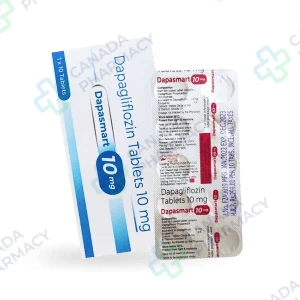
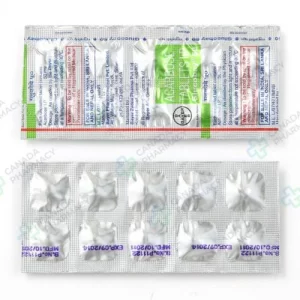
Dapasmart
Price range: $ 67,00 through $ 575,00
Dapasmart is a highly effective medication primarily used to improve glycemic control in adults with type 2 diabetes. By helping the kidneys remove excess sugar from the body through urine, it provides a reliable way to maintain healthy blood glucose levels. Additionally, this treatment is clinically proven to reduce the risk of hospitalization for patients with heart failure. It also offers essential protection for individuals with chronic kidney disease by slowing the decline of renal function. This versatile medication serves as a comprehensive solution for managing long-term metabolic and cardiovascular health.
Active substance: Dapagliflozin
Delivery: 5–21 days (depending on the shipping method)
Extra 10% discount with coupon: IT4K6SVM
Each dosage option has its own packaging choices.
Description
Dapasmart belongs to a class of prescription medications known as sodium-glucose cotransporter 2 (SGLT2) inhibitors. Prescribed by qualified healthcare providers, this oral agent is primarily used to help manage blood sugar levels in adults diagnosed with type 2 diabetes mellitus alongside proper diet and exercise.
In addition to glycemic management, clinical evaluation has established its role in reducing cardiovascular and renal risks in specific patient populations. As a prescription-only therapy regulated by the FDA, Dapasmart requires individualized assessment to ensure safe and effective clinical outcomes.
| Parameter | Details |
|---|---|
| Active Ingredient | Dapagliflozin |
| Therapeutic Class | SGLT2 Inhibitor |
| Dosage Form | Oral Tablet |
| Route of Administration | Oral |
| Prescription Status | Prescription (Rx) only |
| Primary Purpose | Glycemic control and renal/cardiovascular risk management |
How the drug works
Dapasmart operates through a targeted renal mechanism independent of pancreatic insulin secretion. By selectively inhibiting the sodium-glucose cotransporter 2 (SGLT2) located in the proximal renal tubules of the kidneys, the medication blocks the reabsorption of filtered glucose back into the bloodstream. On one hand, this action lowers the renal threshold for glucose, promoting its excretion through urine and effectively reducing elevated blood plasma glucose levels. On the other hand, this urinary glucose loss results in mild osmotic diuresis and calorie loss, which may contribute modestly to blood pressure and weight management. Because its primary action does not stimulate insulin release, the intrinsic risk of drug-induced hypoglycemia remains low when Dapasmart is used as monotherapy.
What it’s used for
Dapasmart is indicated under clinical guidance for multiple metabolic, cardiovascular, and renal conditions. Its main indication is to improve glycemic control in adults with type 2 diabetes mellitus as an adjunct to diet and lifestyle modifications. Beyond glycemic management, it is prescribed to reduce the risk of hospitalization for heart failure in adult patients with established heart failure or multiple cardiovascular risk factors. Furthermore, Dapasmart is indicated to reduce the risk of sustained estimated glomerular filtration rate (eGFR) decline, end-stage kidney disease, and cardiovascular death in adults with chronic kidney disease (CKD) who are at risk of disease progression. It is not indicated for the treatment of type 1 diabetes mellitus or diabetic ketoacidosis.
How to take it
Dapasmart is administered orally once daily, typically in the morning. Tablets should be swallowed whole with water and can be taken with or without food, as food intake does not significantly impair overall drug absorption. The appropriate dosage is determined by a physician based on the specific condition being treated, baseline kidney function (eGFR), and individual response to therapy. Patients should follow their prescriber’s instructions precisely and avoid altering the daily dose without medical consultation. Before initiating treatment, routine laboratory tests–including renal function assessments–are standard clinical practice to ensure safe administration.
What happens in the body
Following oral administration, the active substance dapagliflozin is rapidly absorbed in the gastrointestinal tract, reaching peak plasma concentration within approximately 2 hours under fasting conditions. The oral bioavailability is high, and the compound demonstrates extensive plasma protein binding of approximately 91%. Metabolism occurs predominantly in the liver via glucuronidation, driven mainly by the UGT1A9 enzyme system, producing inactive metabolites. The mean terminal elimination half-life of Dapasmart is approximately 12.9 hours in healthy subjects, allowing for a steady once-daily dosing regimen. Excretion takes place primarily via the kidneys and feces, with urinary excretion of unchanged drug accounting for a minor fraction of the total dose.
Compatibility with other medicines
Combining Dapasmart with other therapeutic agents requires careful medical oversight to prevent potential drug interactions. When co-administered with insulin or insulin secretagogues (such as sulfonylureas), the risk of hypoglycemia increases significantly; consequently, a lower dose of insulin or secretagogue may be required. Concomitant use with loop or thiazide diuretics can enhance osmotic diuresis, increasing the potential for volume depletion, dehydration, and low blood pressure. Additionally, Dapasmart may increase the urinary excretion of lithium, potentially decreasing serum lithium concentration; patients taking lithium should have their blood levels monitored closely by their healthcare provider.
What side effects may occur
While Dapasmart provides documented clinical benefits, it carries a distinct adverse reaction profile that patients must understand. The most frequently observed side effects stem from increased urinary glucose levels and include female mycotic genital infections, male genital mycotic infections, urinary tract infections, and increased urination (polyuria). Less common but serious risks include volume depletion (hypotension, dizziness, dehydration), acute kidney injury, severe urosepsis, and pyelonephritis. Patients should also be aware of rare but critical severe risks, such as diabetic ketoacidosis (DKA)–which can occur even with near-normal blood sugar levels–and necrotizing fasciitis of the perineum (Fournier’s gangrene), a serious soft-tissue infection requiring immediate surgical intervention.
Important precautions
Prior to starting Dapasmart, healthcare providers evaluate personal health history and baseline organ function. Patients with impaired renal function (low eGFR) require careful assessment, as efficacy decreases and the risk of adverse renal effects increases with declining kidney performance. Dapasmart should not be used by individuals on dialysis or those with severe renal impairment beyond specified regulatory limits. Caution is advised in elderly patients, individuals taking blood pressure medications, or those prone to low blood pressure, as volume depletion is more common in these populations. Dapasmart should be temporarily discontinued prior to major elective surgical procedures or conditions of prolonged fasting to reduce the risk of ketoacidosis.
If you skip a dose
If a dose of Dapasmart is missed, it should be taken as soon as remembered on that same day. However, if it is almost time for the next scheduled dose, the missed dose should be skipped entirely, and the regular daily schedule resumed. Patients should never double the dose or take two tablets at once to make up for a missed administration, as this increases the risk of side effects such as dehydration or low blood pressure.
What to avoid while taking it
Patients taking Dapasmart should exercise caution regarding alcohol intake and extreme dietary restrictions. Consuming excessive amounts of alcohol while taking this medication can elevate the risk of diabetic ketoacidosis and hypoglycemia. Very low carbohydrate diets or sudden, severe caloric restrictions should also be avoided, as these conditions significantly increase ketone production in the body. Maintaining adequate fluid intake throughout the day is essential to reduce the risk of dehydration, especially during hot weather or strenuous physical activity.
Special populations
The safety and effectiveness of Dapasmart vary across specific demographic groups. During pregnancy, particularly in the second and third trimesters, Dapasmart is not recommended based on animal studies showing potential renal toxicity to the developing fetus. Breastfeeding is generally advised against while taking this medication due to potential risks to the nursing infant. Elderly individuals (aged 65 and older) may experience a higher incidence of volume depletion and renal function decline, necessitating close monitoring. Safety and effectiveness in pediatric patients under 18 years of age have not been fully established for all indications.
Storage and expiration
Dapasmart tablets should be stored at room temperature, ideally between 68°F to 77°F (20°C to 25°C), with excursions permitted between 59°F and 86°F (15°C and 30°C). Keep the medication in its original container, tightly closed, and protected from excessive moisture, heat, and direct light. Do not store tablets in humid environments such as bathroom cabinets. Always store out of the reach of children and pets, and safely discard any medication that has passed its printed expiration date in accordance with state and federal guidelines.
Emergency Medical Situations
| Warning Sign | Possible Medical Cause | Immediate Action Required |
|---|---|---|
| Nausea, severe abdominal pain, persistent vomiting, confusion, or difficulty breathing | Diabetic Ketoacidosis (DKA) | Seek emergency medical care immediately; stop taking the medication. |
| Severe pain, tenderness, swelling, or redness in the genital/perineal area accompanied by fever | Fournier’s Gangrene (Necrotizing Fasciitis) | Obtain urgent emergency hospital evaluation. |
| Dizziness, lightheadedness, fainting, or severe dry mouth with dark urine | Severe Volume Depletion / Hypotension | Contact a healthcare provider immediately or visit urgent care. |
| High fever, severe back or flank pain, burning urination, or chills | Severe Urinary Tract Infection / Urosepsis | Seek prompt professional medical attention. |
| Swelling of the face, lips, tongue, or throat causing difficulty swallowing or breathing | Severe Hypersensitivity Reaction | Call 911 or visit the nearest emergency room immediately. |
Common questions
Is it necessary to take Dapasmart at the exact same time every morning?
While taking Dapasmart at a consistent time each morning helps maintain stable drug concentrations in the body and fosters a reliable daily routine, minor variations in timing do not severely impact its therapeutic effect. The main priority is maintaining a regular once-daily schedule. If your daily routine shifts slightly, take your tablet as soon as reasonable, provided it remains within the same day.
How long does it take for blood sugar levels to improve after starting treatment?
Initial reductions in urinary glucose excretion begin within hours of the first dose. However, noticeable improvements in routine blood glucose measurements generally manifest within a few days to two weeks. The full clinical benefit on long-term glycemic control–measured via hemoglobin A1c (HbA1c)–is typically evaluated by a physician after 8 to 12 weeks of continuous therapy.
Can Dapasmart cause weight loss?
Weight loss is not the primary therapeutic indication for Dapasmart, but clinical observations indicate that many patients experience mild weight reduction during treatment. This effect occurs primarily because the renal excretion of excess glucose results in a modest loss of daily calories, combined with mild fluid clearance due to osmotic diuresis. Weight changes vary by individual and should be monitored alongside overall metabolic parameters.
What should I do if I am scheduled for a surgical procedure?
If you are planning to undergo surgery, elective medical procedure, or dental procedure involving prolonged fasting, inform your doctor well in advance. Prescribers typically advise stopping Dapasmart at least 3 days prior to major surgery to minimize the risk of developing perioperative diabetic ketoacidosis. Your doctor will provide specific guidance on when to pause and safely resume treatment post-operatively.
Is it safe to drive while taking this medication?
Dapasmart by itself does not generally impair alertness or physical coordination. However, if taken alongside other diabetes medications such as insulin or sulfonylureas, low blood sugar (hypoglycemia) may occur, causing dizziness, shakiness, or blurred vision. Patients should verify how their overall treatment regimen affects them before operating vehicles or heavy machinery.
This text is for informational purposes only and does not constitute individual medical advice. In accordance with FDA requirements.
Additional information
| Dosage |
5mg ,10mg |
|---|---|
| Package |
14 pills ,28 pills ,56 pills ,84 pills ,112 pills ,168 pills |
| Ενεργός Ουσία |
Related products
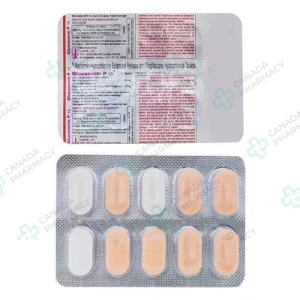
Actoplus Met
Price range: $ 43,00 through $ 343,00
Active substance: metformin, Pioglitazone
More Details
This product has multiple variants. The options may be chosen on the product page

Amaryl
Price range: $ 39,00 through $ 424,00
Active substance: Glimepiride
More Details
This product has multiple variants. The options may be chosen on the product page


Glucophage Trio
Price range: $ 96,00 through $ 187,00
More Details
This product has multiple variants. The options may be chosen on the product page

Glyset
Price range: $ 78,00 through $ 156,00
Active substance: Miglitol
More Details
This product has multiple variants. The options may be chosen on the product page
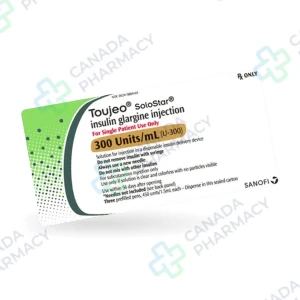
Insulin Glargine
Price range: $ 112,00 through $ 267,00
Active substance: Insulin Glargine
More Details
This product has multiple variants. The options may be chosen on the product page
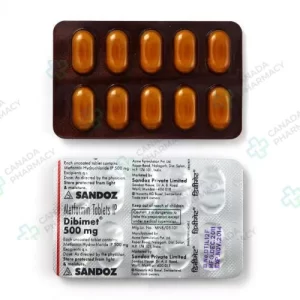
Metformin
Price range: $ 33,00 through $ 190,00
Active substance: metformin
More Details
This product has multiple variants. The options may be chosen on the product page
Precose
Price range: $ 46,00 through $ 294,00
Active substance: Acarbose
More Details
This product has multiple variants. The options may be chosen on the product page