

-47%
Prazosin
Price range: $ 87,00 through $ 737,00

Pred Forte
Price range: $ 42,00 through $ 72,00
Precose
Price range: $ 46,00 through $ 294,00
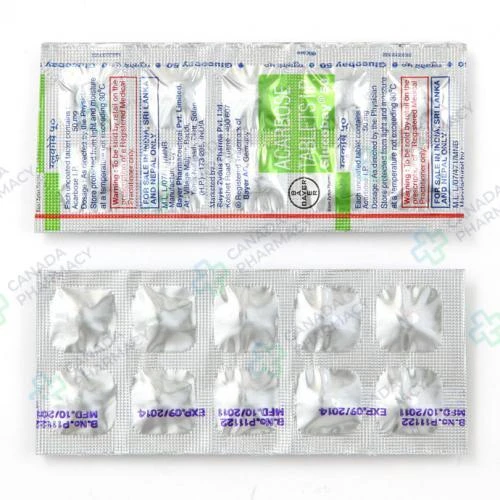
Precose is an effective oral medication designed to help adults manage type 2 diabetes by maintaining stable blood sugar levels. As an alpha-glucosidase inhibitor, it works by slowing down the breakdown of carbohydrates into glucose during the digestion process. This targeted action helps prevent the sharp spikes in blood glucose that often occur immediately after eating a meal. It is intended for use alongside a balanced diet and regular exercise to achieve optimal long-term glycemic control. By keeping blood sugar within a healthy range, Precose plays a vital role in supporting overall metabolic health and reducing diabetes-related risks.
Active substance: Acarbose
Delivery: 5–21 days (depending on the shipping method)
Extra 10% discount with coupon: IT4K6SVM
Each dosage option has its own packaging choices.
Description
Precose belongs to a class of oral antidiabetic agents known as alpha-glucosidase inhibitors. It is prescribed as an adjunct to diet and exercise to improve glycemic control in adults with type 2 diabetes mellitus.
As a prescription-only medication regulated by the U.S. Food and Drug Administration (FDA), Precose operates locally within the gastrointestinal tract rather than stimulating pancreatic insulin secretion. Optimal therapeutic outcomes require consistent adherence to prescribed dietary plans and strict timing of administration relative to meals.
| Parameter | Details |
|---|---|
| Active Ingredient | Acarbose |
| Therapeutic Class | Alpha-glucosidase inhibitor |
| Dosage Form | Oral tablet (25 mg, 50 mg, 100 mg) |
| Route of Administration | Oral |
| Primary Indication | Glycemic control in type 2 diabetes mellitus |
| Prescription Status | Prescription (Rx) only |
Clinical Overview and Usage Guidelines
How the drug works
Precose acts through competitive, reversible inhibition of pancreatic alpha-amylase and membrane-bound intestinal alpha-glucosidase enzymes. Pancreatic alpha-amylase breaks down complex starches into oligosaccharides in the lumen of the small intestine. Intestinal alpha-glucosidases–including maltase, sucrase, dextrinase, and glucoamylase–further hydrolyze oligosaccharides, trisaccharides, and disaccharides into glucose and other monosaccharides. By slowing the enzymatic cleavage of complex carbohydrates, Precose delays total carbohydrate digestion and glucose absorption. This mechanism mitigates postprandial blood glucose spikes without increasing systemic insulin levels or causing hypoglycemia when used as monotherapy.
Main uses
Precose is indicated as an adjunct to diet and exercise to enhance glycemic control in adult patients diagnosed with type 2 diabetes mellitus. It may be prescribed as initial monotherapy when dietary management alone fails to maintain target blood glucose concentrations. Alternatively, healthcare providers may combine Precose with other oral antidiabetic agents, such as metformin or sulfonylureas, or with insulin when combination therapy is required for adequate glycemic control. The medication specifically targets postprandial hyperglycemia and is not indicated for the treatment of type 1 diabetes mellitus or diabetic ketoacidosis.
Dosing schedule
Dosing of Precose must be tailored to the individual patient by the prescribing physician based on effectiveness and gastrointestinal tolerance. Therapy generally initiates at a low dose, such as 25 mg taken orally three times daily at the start of each main meal. To minimize gastrointestinal side effects, the dosage is gradually increased at 4- to 8-week intervals toward target maintenance levels. The standard maintenance dose ranges from 50 mg to 100 mg three times daily. The maximum recommended dose is 50 mg three times daily for patients weighing 60 kg or less, and 100 mg three times daily for patients weighing over 60 kg. Tablets should be swallowed whole with the first bite of food or chewed with the initial mouthfuls of a meal.
What happens in the body
Precose exerts its effect locally within the luminal surface of the small intestine. Systemic absorption of unchanged acarbose is extremely low, with less than 2% of an oral dose reaching systemic circulation as active drug. The majority of the compound remains in the gastrointestinal tract, where it is broken down by intestinal bacteria and digestive microflora into multiple metabolites. A minor fraction of these absorbed metabolites is eliminated via the kidneys. The parent compound and unabsorbed degradation products are cleared through fecal excretion. Because systemic bioavailability is minimal, plasma half-life is not the primary determinant of therapeutic duration; activity depends on local concentration in the gut during meal digestion.
Missed dose
If a dose of Precose is missed at the start of a meal, it should not be taken after the meal has ended. Taking the medication post-meal significantly reduces its efficacy because carbohydrate digestion in the upper gastrointestinal tract will already be underway. Patients should skip the missed dose entirely and resume their normal dosing schedule with the next main meal. Double doses should never be taken to compensate for a missed tablet.
What to avoid while taking it
Dietary composition plays a critical role during Precose therapy. Consuming high amounts of sucrose (cane sugar) or refined table sugars can trigger increased colonic fermentation of unabsorbed carbohydrates, leading to enhanced abdominal discomfort, severe flatulence, and diarrhea. Patients should also discuss alcohol consumption with their physician. Although acarbose alone does not typically cause low blood sugar, alcohol combined with secondary antidiabetic agents (such as sulfonylureas or insulin) can increase the risk of unpredictable blood glucose fluctuations.
Safety Profile and Frequently Asked Questions
Adverse reactions
Gastrointestinal events represent the most frequently reported side effects associated with Precose. These reactions are directly linked to the drug’s mechanism of action, as unabsorbed complex carbohydrates pass into the lower intestine and undergo bacterial fermentation.
- Flatulence (gas)
- Abdominal discomfort or cramping
- Soft stools or diarrhea
- Abdominal distension
These symptoms are typically mild to moderate and generally decrease in frequency and intensity over continued treatment. Transient elevations in serum transaminases (liver enzymes) may occur in rare instances, particularly at doses exceeding 50 mg three times daily, warranting periodic liver function monitoring.
Compatibility with other medicines
Certain concomitant medications can influence the therapeutic effect of Precose or disrupt blood glucose stability. Intestinal adsorbents (e.g., activated charcoal) and digestive enzyme preparations containing carbohydrate-splitting enzymes (e.g., amylase, pancreatin) should not be used concurrently, as they can reduce the efficacy of acarbose. Co-administration with drugs that cause hyperglycemia–such as thiazide diuretics, corticosteroids, phenothiazines, thyroid replacement therapies, estrogens, or calcium channel blockers–may impair glycemic control. When Precose is used alongside insulin or sulfonylureas, hypoglycemia may occur; in such cases, hypoglycemia must be treated with oral glucose (dextrose) rather than cane sugar (sucrose), as acarbose delays sucrose breakdown.
Important precautions
Precose is contraindicated in patients with known hypersensitivity to acarbose or its excipients. It should not be prescribed to individuals with diabetic ketoacidosis, liver cirrhosis, inflammatory bowel disease, colonic ulceration, or partial intestinal obstruction. Patients with chronic intestinal disorders marked by significant digestion or absorption impairment should avoid this medication. Precose is not recommended for patients with severe renal impairment (creatinine clearance less than 25 mL/min/1.73 m²). Safety and efficacy in pediatric populations have not been formally established.
Day-to-day use
To ensure practical compliance, patients should integrate Precose into their mealtime routines by keeping their medication readily available where meals are consumed. Because Precose targets carbohydrate digestion, tablets must be taken with the very first bite of each main meal. Patients receiving combination therapy with sulfonylureas or insulin should always carry pure glucose tablets or liquid dextrose products, as household sugar (sucrose) will not rapidly reverse hypoglycemia while taking an alpha-glucosidase inhibitor.
Red flags
Immediate medical attention should be sought if a patient develops signs of severe hepatic dysfunction, such as persistent unexplained nausea, unusual fatigue, dark urine, or yellowing of the skin or eyes (jaundice). Emergency medical evaluation is required if signs of a severe hypersensitivity reaction occur, including facial swelling, swelling of the tongue or throat, severe rash, or difficulty breathing. Persistent, severe diarrhea or abdominal pain that does not improve over time should also be promptly evaluated by a licensed healthcare professional.
Common questions
Why must Precose be taken with the very first bite of a meal?
Precose works locally in the intestine by inhibiting the enzymes that break down carbohydrates. Taking the tablet with the first mouthful of food ensures that the active compound is present in the gut simultaneously with the ingested food, allowing it to slow down carbohydrate digestion effectively.
What should I use to treat low blood sugar while taking Precose?
If you experience hypoglycemia while taking Precose alongside insulin or a sulfonylurea, you must consume pure glucose (dextrose) in the form of glucose tablets, gels, or dextrose drinks. Standard household sugars, candy, or regular sodas contain sucrose, which Precose prevents from breaking down quickly into glucose.
Will the gastrointestinal side effects lessen over time?
Yes, side effects such as flatulence, soft stools, and abdominal bloating are usually most pronounced during the first few weeks of therapy. As your digestive tract adapts and if you adhere to prescribed dietary guidelines avoiding excessive refined sugars, these symptoms typically decline in severity.
What happens if I skip a meal entirely?
If you skip a main meal, you should skip your dose of Precose for that meal as well. Precose is specifically designed to act on ingested carbohydrates; taking it without food provides no clinical benefit and is not recommended.
In accordance with FDA requirements.
This text is for informational purposes only and does not constitute individual medical advice.
Additional information
| Dosage |
25 mg ,50mg |
|---|---|
| Package |
30 pills ,60 pills ,90 pills ,120 pills ,180 pills ,270 pills ,360 pills |
| Ενεργός Ουσία |
Related products
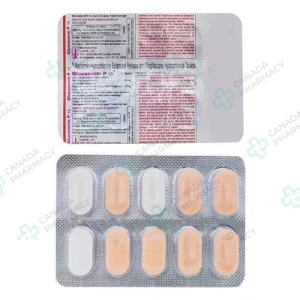
Actoplus Met
Price range: $ 43,00 through $ 343,00
Active substance: metformin, Pioglitazone
More Details
This product has multiple variants. The options may be chosen on the product page
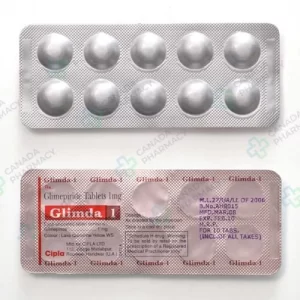
Amaryl
Price range: $ 39,00 through $ 424,00
Active substance: Glimepiride
More Details
This product has multiple variants. The options may be chosen on the product page
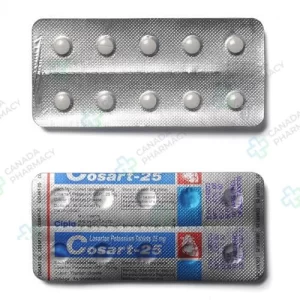
Cozaar
Price range: $ 41,00 through $ 281,00
Active substance: Losartan
More Details
This product has multiple variants. The options may be chosen on the product page
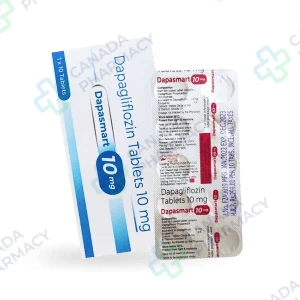
Dapasmart
Price range: $ 67,00 through $ 575,00
Active substance: Dapagliflozin
More Details
This product has multiple variants. The options may be chosen on the product page
Glucotrol XL
Price range: $ 14,00 through $ 170,00
Active substance: Glipizide
More Details
This product has multiple variants. The options may be chosen on the product page
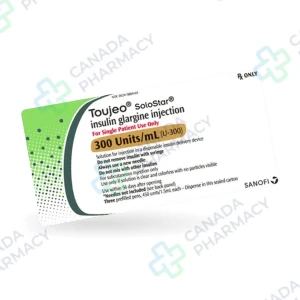
Insulin Glargine
Price range: $ 112,00 through $ 267,00
Active substance: Insulin Glargine
More Details
This product has multiple variants. The options may be chosen on the product page
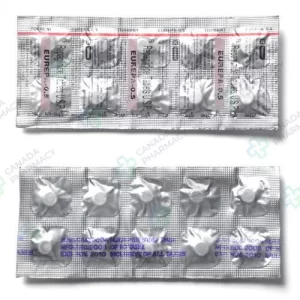
Prandin
Price range: $ 40,00 through $ 858,00
Active substance: Repaglinide
More Details
This product has multiple variants. The options may be chosen on the product page
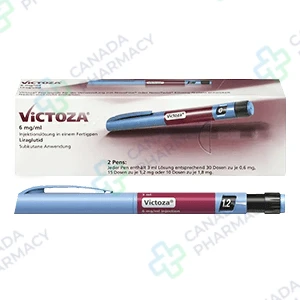
Victoza
Price range: $ 450,00 through $ 850,00
Active substance: Liraglutide
More Details
This product has multiple variants. The options may be chosen on the product page