

-29%


Pravachol
Price range: $ 67,00 through $ 395,00
Precose
Price range: $ 46,00 through $ 294,00
Prazosin
Price range: $ 87,00 through $ 737,00
Prazosin is a potent alpha-1 blocker primarily utilized to manage hypertension and maintain healthy blood pressure levels. The medication functions by relaxing the smooth muscles in blood vessel walls, allowing for smoother and more efficient blood circulation. Beyond treating high blood pressure, it is frequently used to alleviate urinary symptoms associated with benign prostatic hyperplasia (BPH). By reducing vascular resistance, it helps protect the heart and lowers the long-term risk of cardiovascular events. This effective pharmaceutical option offers a streamlined approach to managing chronic conditions related to blood flow and prostate health.
Active substance: Prazosin
Delivery: 5–21 days (depending on the shipping method)
Extra 10% discount with coupon: IT4K6SVM
Each dosage option has its own packaging choices.
Description
Prazosin belongs to a class of medications known as alpha-1 adrenergic receptor blockers. It is an FDA-approved prescription medication primarily indicated for the management of high blood pressure (hypertension). By relaxing and widening blood vessels, prazosin allows blood to flow more freely through the vascular system, reducing the workload on the heart.
This medication requires a valid prescription from a licensed healthcare provider in the United States and must be used under continuous medical supervision. Proper adherence to administration instructions helps maximize clinical efficacy while mitigating potential risks associated with vasodilation.
| Attribute | Details |
|---|---|
| Active Ingredient | Prazosin hydrochloride |
| Therapeutic Class | Alpha-1 adrenergic blocker (Vasodilator) |
| Dosage Form | Oral capsule (1 mg, 2 mg, 5 mg) |
| Route of Administration | Oral |
| Primary Purpose | Treatment of hypertension |
| Prescription Status | Prescription only (Rx) |
How the Drug Works
Prazosin selectively inhibits post-junctional alpha-1 adrenoreceptors located on vascular smooth muscle cells. This competitive blockade antagonizes the contractile actions of endogenous norepinephrine and epinephrine, resulting in peripheral vasodilation of both arteries and veins. Consequently, systemic vascular resistance decreases without causing a marked, prolonged reflex increase in heart rate. The lowered peripheral resistance leads to a reduction in both systolic and diastolic blood pressure levels in resting and standing positions. Beyond its antihypertensive effects, alpha-1 blockade relaxes smooth muscle structures within the prostate neck and bladder base, which accounts for its secondary physiological actions in urinary dynamics.
Main Uses
The primary indication approved by the U.S. Food and Drug Administration (FDA) for prazosin is the treatment of hypertension. It may be prescribed as monotherapy or in combination with other antihypertensive agents, such as thiazide diuretics or beta-blockers, to achieve target blood pressure control. In clinical practice, prazosin is also prescribed for off-label indications. Most notably, healthcare providers may utilize prazosin off-label to treat post-traumatic stress disorder (PTSD)-related nightmares and sleep disturbances, as alpha-1 blockade in the central nervous system helps modulate hyperarousal stress responses during sleep. Any off-label administration must be strictly directed and monitored by a qualified healthcare professional.
Dosing Schedule
Prazosin capsules are administered orally. Standard initial therapy typically begins at low dosages, such as 1 mg administered two or three times daily, to minimize the risk of sudden hypotension. The initial dose is frequently prescribed to be taken at bedtime to reduce the impact of potential syncope or postural dizziness. A clinician may gradually titrate the daily dosage based on individual therapeutic response and tolerance, reaching maintenance dosages often ranging from 6 mg to 15 mg total per day, divided into multiple doses. Patients must not alter, double, or discontinue their prescribed dosage without explicit guidance from their prescribing clinician.
What Happens in the Body
Following oral administration, prazosin is rapidly absorbed from the gastrointestinal tract. Peak plasma concentrations are typically reached within one to three hours after ingestion. The oral bioavailability of prazosin ranges between 48% and 68% due to first-pass hepatic metabolism. It is highly bound to plasma proteins, predominantly alpha-1-acid glycoprotein, with protein binding estimated at approximately 92% to 97%. Prazosin undergoes extensive hepatic metabolization via demethylation and conjugation pathways. The plasma elimination half-life is approximately two to three hours, although its therapeutic blood pressure-lowering effect persists longer. Elimination occurs primarily through biliary and fecal excretion, with a smaller fraction excreted via the kidneys.
Compatibility with Other Medicines
Prazosin interacts with several drug classes, necessitating careful evaluation of concurrent therapies. Concomitant administration with other antihypertensive agents, including beta-blockers, ACE inhibitors, and calcium channel blockers, may cause additive hypotensive effects. Concomitant use of phosphodiesterase type 5 (PDE5) inhibitors with alpha-blockers can trigger pronounced blood pressure drops and symptomatic orthostatic hypotension. Furthermore, nonsteroidal anti-inflammatory drugs (NSAIDs) may diminish the blood pressure-lowering effect of prazosin. Patients must disclose all prescription medications, over-the-counter products, and dietary supplements to their medical team prior to initiating therapy.
Adverse Reactions
The administration of prazosin may produce adverse reactions resulting from vasodilation. Frequently reported side effects include dizziness, drowsiness, headache, weakness, palpitations, and nausea. Dizziness and lightheadedness are most pronounced during initial dose titration or following upward dosage adjustments. Postural hypotension, characterized by a sudden drop in blood pressure upon standing, may lead to transient loss of consciousness (syncope), particularly with the very first dose. Less common reactions include nasal congestion, dry mouth, edema, and blurred vision. Patients experiencing persistent or distressing adverse effects should inform their healthcare professional promptly.
Before You Take It
Patients initiating prazosin therapy should be counseled regarding the “first-dose effect,” which can cause severe orthostatic hypotension and syncope. Care should be exercised when rising from a sitting or lying position. Individuals scheduled for cataract surgery should inform their ophthalmologist of prazosin use, as alpha-1 blockers are associated with Intraoperative Floppy Iris Syndrome (IFIS). Caution is advised in patients with underlying renal or hepatic impairment, as drug clearance may be altered. Prazosin should be used during pregnancy only if clearly needed and under medical direction.
First Days of Treatment
During the initial days of prazosin treatment, patients may experience mild lightheadedness or fatigue as the vascular system adapts to lowered peripheral resistance. Patients are advised to take their initial dose at bedtime to minimize postural instability. Avoiding sudden changes in posture–such as standing up quickly from a bed or chair–helps prevent orthostatic dizziness during early dose titration. If feelings of unsteadiness occur, sitting or lying down immediately is recommended until symptoms resolve completely.
Special Populations
In pediatric populations, the safety and effectiveness of prazosin have not been fully established, and its use requires specialized pediatric evaluation. Elderly patients may exhibit heightened sensitivity to the hypotensive actions of prazosin, predisposing them to an increased risk of falls and orthostatic collapse; lowered initial dosing is generally warranted. For pregnant or nursing women, prazosin should be used only when the clinical benefit justifies the potential risk. Small amounts of prazosin pass into human breast milk, necessitating cautious evaluation during lactation.
What to Avoid While Taking It
Alcohol consumption should be strictly limited or avoided while taking prazosin. Alcohol possesses intrinsic vasodilatory properties that can potentiate the hypotensive actions of prazosin, markedly increasing the likelihood of severe dizziness, orthostatic syncope, and sedation. Food does not significantly impair the overall absorption of prazosin capsules; however, taking the medication consistently with or without meals aids in maintaining steady therapeutic levels.
Missed Dose
If a dose of prazosin is missed, it should be taken as soon as remembered on that day. However, if it is nearly time for the next scheduled dose, the missed dose should be skipped entirely, resuming the regular dosing schedule. Patients must never take extra medicine to compensate for a missed capsule. If several doses are missed consecutively, patients should contact their healthcare provider prior to restarting treatment, as re-titration from a lower initial dose may be necessary to avoid syncopal episodes.
When to Seek Help Immediately
| Severe Manifestation | Recommended Action |
|---|---|
| Swelling of the face, lips, tongue, or throat | Seek emergency medical assistance immediately; potential severe allergic response. |
| Difficulty breathing or severe wheezing | Contact emergency services right away. |
| Chest pain or rapid, irregular heartbeat | Seek immediate emergency medical evaluation. |
| Sudden loss of consciousness (syncope) | Obtain urgent medical intervention. |
| Prolonged, painful penile erection (priapism) | Seek immediate emergency care to prevent permanent tissue damage. |
Common Questions
Is prazosin explicitly approved by the FDA for treating nightmares related to PTSD?
No. While prazosin is frequently prescribed by healthcare providers to treat PTSD-related nightmares, this application is considered an off-label use. The official FDA-approved indication for prazosin is the treatment of hypertension. Any off-label use must be evaluated and supervised by a qualified prescriber based on individual clinical assessment.
Why is the initial dose of prazosin often recommended to be taken at bedtime?
Prazosin can cause a sudden, significant drop in blood pressure upon initiation, known as the “first-dose effect.” Taking the first dose at bedtime reduces the risk of lightheadedness, dizziness, or fainting (syncope) while standing. Patients should remain lying down if they feel lightheaded upon waking during the night.
Can I drive or operate heavy machinery while taking prazosin?
Caution is necessary when driving or performing tasks requiring alertness, especially during the first few days of treatment or after a dose increase. Prazosin can cause drowsiness, dizziness, and reduced reaction time. Patients should avoid hazardous activities until they understand how the medication affects them individually.
What should I do if I accidentally take more than the prescribed amount of prazosin?
An overdose of prazosin can lead to severe hypotension, rapid heart rate, and circulatory collapse. If an overdose is suspected, seek immediate emergency medical attention or contact a poison control center immediately. Keep the individual lying down with legs elevated while waiting for medical help.
Can I stop taking prazosin abruptly if my blood pressure normalizes?
You should not discontinue prazosin abruptly without consulting your doctor. Abrupt cessation of antihypertensive therapy can lead to rebound hypertension or exacerbation of underlying cardiovascular conditions. Dosage adjustments or treatment cessation must always be managed under medical direction.
In accordance with FDA requirements.
This text is for informational purposes only and does not constitute individual medical advice.
Additional information
| Dosage |
5mg |
|---|---|
| Package |
30 pills ,60 pills ,90 pills ,120 pills ,180 pills ,270 pills ,360 pills |
| Ενεργός Ουσία |
Related products

Aquazide
Price range: $ 18,00 through $ 30,00
Active substance: hydrochlorothiazide
More Details
This product has multiple variants. The options may be chosen on the product page

Arjuna
Price range: $ 63,00 through $ 72,00
Active substance: Arjuna (Terminalia arjuna) bark extract
More Details
This product has multiple variants. The options may be chosen on the product page
Avalide
Price range: $ 66,00 through $ 333,00
Active substance: Irbesartan
More Details
This product has multiple variants. The options may be chosen on the product page
Betapace
Price range: $ 9,00 through $ 260,00
Active substance: Sotalol
More Details
This product has multiple variants. The options may be chosen on the product page
Combipres
Price range: $ 50,00 through $ 202,00
Active substance: chlorthalidone, clonidine hydrochloride
More Details
This product has multiple variants. The options may be chosen on the product page
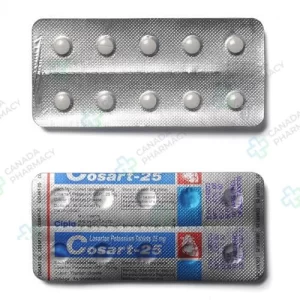
Cozaar
Price range: $ 41,00 through $ 281,00
Active substance: Losartan
More Details
This product has multiple variants. The options may be chosen on the product page

Diltiazem
Price range: $ 49,00 through $ 590,00
Active substance: Diltiazem
More Details
This product has multiple variants. The options may be chosen on the product page

Dipyridamole
Price range: $ 43,00 through $ 257,00
Active substance: Dipyridamole
More Details
This product has multiple variants. The options may be chosen on the product page