

-50%
Betahistine
Price range: $ 41,00 through $ 311,00

Betnovate
Price range: $ 40,00 through $ 55,00
Betapace
Price range: $ 9,00 through $ 260,00
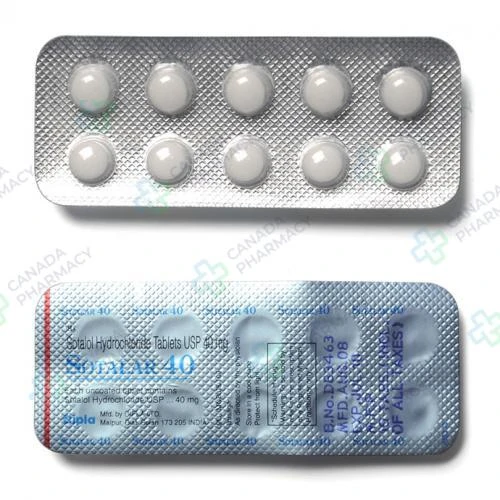
Betapace is an effective antiarrhythmic medication used to manage specific types of irregular heartbeats. As a dual-action agent, it functions as both a beta-blocker and a potassium channel blocker to stabilize cardiac rhythm. It is primarily indicated for the treatment of documented life-threatening ventricular arrhythmias, such as sustained ventricular tachycardia. Additionally, this medication helps maintain normal sinus rhythm in patients suffering from symptomatic atrial fibrillation or atrial flutter. By regulating the electrical signals in the heart, Betapace helps ensure a steady and predictable heartbeat for those with serious rhythm disorders.
Active substance: Sotalol
Delivery: 5–21 days (depending on the shipping method)
Extra 10% discount with coupon: IT4K6SVM
Each dosage option has its own packaging choices.
Description
Betapace should only be used under strict medical supervision due to its potent antiarrhythmic properties and the risk of induced arrhythmias. It is an FDA-approved prescription medication indicated for the treatment of documented, life-threatening ventricular arrhythmias, such as sustained ventricular tachycardia.
Because Betapace exerts profound effects on cardiac electrical conduction, therapy must be customized based on individualized renal function calculations and baseline electrocardiogram parameters. Patients must follow their healthcare provider’s instructions carefully to minimize serious health risks.
| Attribute | Details |
|---|---|
| Drug name | Betapace |
| Active ingredient (INN) | Sotalol hydrochloride |
| Prescription status | Prescription (Rx) only |
| Route of administration | Oral |
| Primary purpose | Management of life-threatening ventricular arrhythmias |
| Food interaction | Food reduces absorption by approximately 20%; administer consistently relative to meals |
Clinical Overview and Safety Precautions
What It’s Used For and How The Drug Works
What it’s used for: Betapace is specifically indicated for the management of documented ventricular arrhythmias that, in the judgment of the prescribing physician, are life-threatening. Due to the inherent risk of proarrhythmia associated with antiarrhythmic therapy, it is not recommended for less severe, non-life-threatening arrhythmias.
How the drug works: Betapace exhibits dual pharmacological actions. It acts as a non-selective beta-adrenergic receptor blocker (Class II antiarrhythmic effect) while simultaneously prolonging the cardiac action potential duration and cardiac repolarization (Class III antiarrhythmic effect). By slowing conduction velocity and extending the effective refractory period in cardiac tissues, Betapace helps suppress abnormal electrical signals that trigger severe ventricular rhythms.
Dosing Schedule and Administration
Dosage determination for Betapace is highly specialized and depends directly on renal function, baseline QTc interval, and therapeutic response. The initial recommended starting dose for adult ventricular arrhythmias is typically 80 mg twice daily. Prescribers may gradually titrate the dosage upward at intervals of 3 to 5 days to allow steady-state plasma concentrations to be achieved and to evaluate the ECG response.
Many patients require 160 mg to 320 mg total daily dose, divided into two doses given approximately 12 hours apart. Doses up to 480 mg to 640 mg daily are reserved for life-threatening refractory cases under close inpatient supervision. Because sotalol is excreted primarily by the kidneys, dosing intervals must be prolonged in patients with reduced renal clearance (creatinine clearance less than 60 mL/min). Never alter your dose or stop taking Betapace without explicit medical advice, as abrupt discontinuation can cause rebound hypertension, angina, or severe cardiac events.
How it’s absorbed and eliminated: Understanding the pharmacokinetics of Betapace is crucial for safe clinical management. Sotalol hydrochloride is almost completely absorbed from the gastrointestinal tract, exhibiting an oral bioavailability of approximately 90% to 100%. Peak blood concentrations are typically reached within 2.5 to 4 hours following oral administration. Sotalol does not bind to plasma proteins and is not metabolized by the liver. Instead, the drug is eliminated almost entirely unchanged through renal excretion, with approximately 80% to 90% of a dose excreted in the urine. The elimination half-life of Betapace is approximately 12 hours in individuals with normal renal function, but this half-life is significantly extended in patients with renal impairment. Consequently, monitoring serum creatinine and renal function is mandatory prior to and during therapy.
Adverse Reactions and Important Precautions
Adverse reactions: The most significant clinical risk associated with Betapace is proarrhythmia, including Torsades de Pointes (a potentially fatal polymorphic ventricular tachycardia). Risk factors for proarrhythmia include prolonged QTc interval, higher drug doses, female gender, severe heart failure, and hypokalemia or hypomagnesemia. Common side effects reported by patients include bradycardia (excessively slow heart rate), fatigue, dizziness, dyspnea (shortness of breath), lightheadedness, chest pain, and gastrointestinal discomfort such as nausea.
Important precautions: Warning: Betapace can cause excessive slowing of the heart rate (bradycardia) and heart block. It must be used with extreme caution in patients with asthma, chronic obstructive pulmonary disease (COPD), severe heart failure, or sinus node dysfunction. Electrolyte imbalances, particularly low potassium or low magnesium, must be corrected before starting therapy and monitored regularly during treatment, as uncorrected deficits significantly elevate the risk of life-threatening arrhythmias.
Risk Management and Patient Care
Red flags: Warning: Certain symptoms require immediate emergency medical evaluation. Because Betapace directly impacts cardiac conduction, signs of worsening arrhythmia or cardiovascular instability must never be ignored.
| Symptom / Event | Immediate Action Required |
|---|---|
| Swelling of the face, lips, or tongue | Seek emergency medical care immediately (potential anaphylactic reaction). |
| Difficulty breathing or severe wheezing | Call emergency services; indicates potential bronchospasm or heart failure exacerbation. |
| Chest pain, fainting (syncope), or severe palpitations | Get emergency care immediately; may indicate new or worsening proarrhythmia. |
| Unusually slow pulse (bradycardia below 50 bpm) with dizziness | Contact your prescribing doctor or emergency services promptly. |
| Severe lightheadedness or sudden feeling of blacking out | Lie down immediately and seek emergency medical assistance. |
What not to combine: Co-administration of Betapace with other medications that prolong the QT interval–such as certain Class I or Class III antiarrhythmics (e.g., amiodarone, quinidine), macrolide antibiotics, fluoroquinolones, and certain antipsychotics–is strictly contraindicated or requires extreme caution. Combining Betapace with calcium channel blockers (like verapamil or diltiazem) or digitalis glycosides can exacerbate bradycardia and heart block. Furthermore, antacids containing aluminum or magnesium hydroxide can reduce sotalol absorption and should not be taken within 2 hours of Betapace administration.
What to avoid while taking it: Food significantly impairs the oral absorption of sotalol, reducing overall bioavailability by approximately 20%. Patients should establish a consistent administration routine relative to meals, preferably taking Betapace on an empty stomach or at the same time each day with respect to food. Alcohol consumption should be strictly limited or avoided, as alcohol can enhance hypotensive effects, increase dizziness, and trigger underlying heart rhythm instability.
If you skip a dose: If a scheduled dose of Betapace is missed, take it as soon as remembered, unless it is almost time for the next scheduled dose. Never double the dose to make up for a skipped one. Taking a double dose significantly increases blood concentrations of sotalol, exponentially elevating the risk of QTc prolongation and severe proarrhythmic events.
Special populations:
- Renal Impairment: Because sotalol is excreted unchanged by the kidneys, dose reduction or prolonged dosing intervals are mandatory in patients with impaired renal function to avoid drug accumulation and toxicity.
- Pregnancy and Breastfeeding: Betapace crosses the placenta and is excreted in human milk. It should be used during pregnancy only if the potential benefit justifies the potential risk to the fetus. Nursing mothers should consult their physician, as beta-blocker exposure via breast milk can cause bradycardia and hypoglycemia in the infant.
- Elderly Patients: Elderly individuals are more likely to have age-related reductions in renal function and elevated susceptibility to QTc prolongation, requiring lower starting doses and vigilant renal monitoring.
- Pediatric Use: Safety and effectiveness in pediatric patients have not been established under standard adult Betapace labeling unless specifically formulated and titrated under specialized pediatric cardiology protocols.
Common Questions
Why is kidney function testing necessary before starting Betapace?
Betapace is eliminated almost entirely unchanged by the kidneys (approximately 80% to 90%). If your kidney clearance is impaired, sotalol can accumulate in the bloodstream to dangerous levels, severely increasing the risk of life-threatening cardiac arrhythmias. Baseline and periodic creatinine tests ensure that your doctor calculates the safest dosing schedule for your specific kidney function.
What should I do if my pulse drops significantly while taking Betapace?
Betapace slows heart rate through its beta-blocking action. If your resting pulse drops below 50 beats per minute, or if you feel severe dizziness, weakness, or lightheadedness, contact your healthcare provider immediately. Do not abruptly stop taking the medication, but seek medical instruction right away to determine if a dose adjustment is necessary.
Can I take antacids for heartburn while on Betapace?
You must exercise caution. Antacids containing aluminum hydroxide or magnesium hydroxide can decrease the absorption of sotalol into your bloodstream, reducing its therapeutic effectiveness. If an antacid is required, separate its administration from your Betapace dose by at least 2 hours.
Why must Betapace be taken consistently in relation to food?
Food decreases the absorption of sotalol by approximately 20%. Taking Betapace with food one day and on an empty stomach the next can cause fluctuating blood levels of the medication. Maintaining a strict routine–taking it consistently either on an empty stomach or always with meals–ensures predictable blood levels and stable arrhythmia control.
Is it safe to stop taking Betapace abruptly if I feel well?
No, never stop taking Betapace suddenly. Abrupt withdrawal of beta-blockers can cause rebound cardiovascular events, severe angina, spikes in blood pressure, or life-threatening arrhythmias. If Betapace needs to be discontinued, your physician will carefully taper your dosage over a period of 1 to 2 weeks while closely monitoring your heart rhythm.
In accordance with FDA requirements.
This material is educational. Only a licensed prescriber can determine whether a medication is appropriate for you.
Additional information
| Dosage |
40mg ,80 mg |
|---|---|
| Package |
30 tabs ,60 pills ,60 tabs ,90 pills ,90 tabs ,120 pills ,120 tabs ,180 pills ,180 tabs ,270 pills ,270 tabs ,360 pills ,360 tabs |
| Ενεργός Ουσία |
Related products
Assurans
Price range: $ 50,00 through $ 70,00
Active substance: Sildenafil Citrate
More Details
This product has multiple variants. The options may be chosen on the product page
Combipres
Price range: $ 50,00 through $ 202,00
Active substance: chlorthalidone, clonidine hydrochloride
More Details
This product has multiple variants. The options may be chosen on the product page
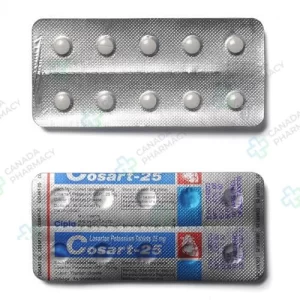
Cozaar
Price range: $ 41,00 through $ 281,00
Active substance: Losartan
More Details
This product has multiple variants. The options may be chosen on the product page
Doxazosin
Price range: $ 42,00 through $ 332,00
Active substance: Doxazosin
More Details
This product has multiple variants. The options may be chosen on the product page

Ecosprin
Price range: $ 19,00 through $ 57,00
Active substance: aspirin
More Details
This product has multiple variants. The options may be chosen on the product page
Frumil
Price range: $ 43,00 through $ 202,00
Active substance: Amiloride, furosemide
More Details
This product has multiple variants. The options may be chosen on the product page
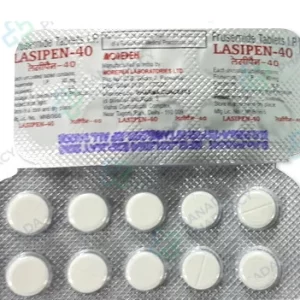
Furosemide
Price range: $ 46,00 through $ 193,00
Active substance: furosemide
More Details
This product has multiple variants. The options may be chosen on the product page
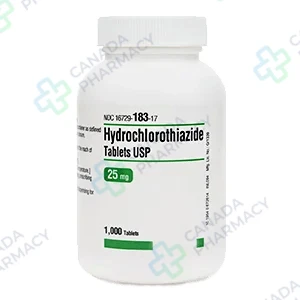
Hydrochlorothiazide
Price range: $ 24,00 through $ 139,00
Active substance: hydrochlorothiazide
More Details
This product has multiple variants. The options may be chosen on the product page