

-57%
Glucophage Trio
Price range: $ 96,00 through $ 187,00
Glucovance
Price range: $ 48,00 through $ 342,00
Glucotrol XL
Price range: $ 14,00 through $ 170,00
Glucotrol XL is an extended-release oral medication designed to help adults manage blood glucose levels associated with type 2 diabetes. As a member of the sulfonylurea class, this treatment works by stimulating the natural release of insulin from the pancreas. By maintaining consistent blood sugar control throughout the day, the medication helps prevent the long-term complications associated with high glucose levels. The advanced extended-release delivery system ensures a steady distribution of the active ingredient, glipizide, into the bloodstream. This medication is most effective when used as a supplement to a balanced diet and regular physical activity to optimize metabolic health.
Active substance: Glipizide
Delivery: 5–21 days (depending on the shipping method)
Extra 10% discount with coupon: IT4K6SVM
Each dosage option has its own packaging choices.
Description
Glucotrol XL belongs to a class of oral blood-glucose-lowering drugs known as second-generation sulfonylureas. It contains glipizide in an extended-release formulation designed to assist in glycemic control for adults with type 2 diabetes mellitus. As a prescription medication, it is utilized as an adjunct to diet and exercise under the supervision of a licensed healthcare provider.
The extended-release formulation allows for steady delivery of the active substance over a 24-hour period, helping to manage blood sugar levels consistently throughout the day. It is not indicated for the treatment of type 1 diabetes or diabetic ketoacidosis, which require insulin therapy. Proper use requires adherence to prescribing guidelines and regular monitoring of blood glucose levels.
| Parameter | Details |
|---|---|
| Active Ingredient | Glipizide |
| Primary Purpose | Glycemic control in type 2 diabetes mellitus |
| Dosage Form | Extended-release oral tablet |
| Route of Administration | Oral |
| Prescription Status | Prescription (Rx) only |
| Storage Conditions | 20°C to 25°C (68°F to 77°F) |
Clinical Overview and Pharmacology
How the drug works
Glucotrol XL operates primarily by stimulating the secretion of endogenous insulin from pancreatic beta cells. Its effectiveness relies on functional beta cells within the islets of Langerhans. Glipizide binds to specific sulfonylurea receptors on pancreatic cell membranes, blocking ATP-sensitive potassium channels. This action induces cell membrane depolarization, opening voltage-gated calcium channels and triggering an influx of extracellular calcium ions, which leads to the exocytosis of pre-stored insulin granules. Beyond pancreatic stimulation, chronic administration of extended-release glipizide may enhance peripheral tissue sensitivity to insulin and contribute to a reduction in hepatic glucose production, thereby lowering baseline and postprandial plasma glucose concentrations.
Main uses
Glucotrol XL is indicated as an adjunct to diet and exercise to improve glycemic control in adults diagnosed with type 2 diabetes mellitus. Managing plasma glucose is critical to reducing long-term microvascular complications associated with chronic hyperglycemia, such as diabetic nephropathy, retinopathy, and peripheral neuropathy. This medication is not suitable for patients with type 1 diabetes mellitus, as these individuals lack functional pancreatic beta cells required for sulfonylurea activity. Furthermore, Glucotrol XL must not be used for the treatment of diabetic ketoacidosis, a metabolic crisis that necessitates rapid-acting intravenous insulin administration.
What happens in the body
Following oral administration, glipizide extended-release is absorbed gradually throughout the gastrointestinal tract. Peak plasma concentrations are typically attained within 6 to 12 hours after dosing. Steady-state plasma concentrations are achieved after 2 to 3 days of consecutive once-daily administration. Glipizide is highly bound to human plasma proteins, predominantly albumin (approximately 98–99%). Metabolism occurs extensively in the liver, primarily mediated by the cytochrome P450 2C9 (CYP2C9) enzyme pathway, yielding inactive metabolites. The elimination half-life of glipizide from plasma ranges from 2 to 5 hours, but the Gastrointestinal Therapeutic System (GITS) formulation maintains therapeutic drug output over a 24-hour period. Approximately 80% of the dose is excreted in the urine as metabolites, with the remaining portion eliminated via feces.
Dosing, Precautions, and Daily Use
Dosing schedule
The initial recommended dose of Glucotrol XL for most adults is 5 mg once daily, administered with breakfast or the first main meal of the day. Depending on the patient’s glycemic response, a qualified healthcare provider may titrate the dosage incrementally, typically in steps of 2.5 mg to 5 mg at intervals of several days to weeks. The maximum recommended daily dose is 20 mg. Because Glucotrol XL utilizes an extended-release delivery system, the tablets must be swallowed whole with fluid. Patients must never crush, chew, split, or dissolve the tablet, as breaking the tablet architecture destroys the controlled-release membrane and can precipitate rapid drug release, leading to severe hypoglycemia.
Compatibility with other medicines
The co-administration of Glucotrol XL with certain pharmacological agents can significantly alter its hypoglycemic activity. Potentiation of blood-glucose-lowering effects–increasing the risk of severe hypoglycemia–may occur when used concurrently with nonsteroidal anti-inflammatory drugs (NSAIDs), azole antifungals (such as fluconazole), sulfonamides, monoamine oxidase inhibitors (MAOIs), beta-adrenergic blockers, and ACE inhibitors. Conversely, agents that may impair glycemic control and lead to loss of blood sugar regulation include thiazide diuretics, corticosteroids, phenothiazines, thyroid preparations, estrogens, oral contraceptives, nicotinic acid, and calcium channel blockers. Close monitoring of blood glucose levels is essential when initiating or discontinuing concurrent drug therapy.
Adverse reactions
Hypoglycemia is the primary adverse reaction associated with Glucotrol XL therapy, ranging from mild symptoms to severe events requiring immediate medical intervention. Common non-glycemic side effects observed in clinical evaluation include dizziness, diarrhea, flatulence, nervousness, tremor, and upper respiratory tract infections. Gastrointestinal discomfort may occur upon initiation but frequently diminishes with continued use. Skin reactions, such as pruritus, erythema, and urticarial eruptions, have been reported in a small percentage of patients. Rare but serious hematologic adverse effects include leukopenia, agranulocytosis, thrombocytopenia, and aplastic anemia. Additionally, hepatic dysfunction, including cholestatic jaundice and elevated liver enzyme levels, requires prompt evaluation and possible drug cessation.
Important precautions
Careful patient selection and monitoring are required to prevent severe adverse events. Elderly, debilitated, or malnourished patients, as well as those with compromised renal or hepatic function, exhibit heightened sensitivity to sulfonylurea-induced hypoglycemia. Patients with glucose-6-phosphate dehydrogenase (G6PD) deficiency face a risk of sulfonylurea-induced hemolytic anemia; consideration should be given to alternative non-sulfonylurea agents in this population. Historical studies of oral hypoglycemic agents have suggested an increased risk of cardiovascular mortality compared to treatment with diet alone or diet plus insulin, a factor that prescribers weigh when selecting therapy. During periods of physical stress–such as trauma, infection, fever, or surgery–glycemic control may deteriorate, necessitating temporary transition to insulin therapy.
What to avoid while taking it
Ingestion of alcohol during treatment with Glucotrol XL can produce unpredictable alterations in blood glucose regulation. Acute alcohol consumption may potentiate the hypoglycemic action of glipizide, leading to dangerously low plasma glucose levels. Chronic alcohol misuse may impair drug metabolism or reduce glycemic response. Furthermore, a disulfiram-like reaction characterized by facial flushing, throbbing headache, nausea, and tachycardia can occasionally occur when alcohol is combined with sulfonylureas. Patients are advised to limit or avoid alcoholic beverages as directed by their physician.
If you skip a dose
If a scheduled dose of Glucotrol XL is missed, it should be taken with the next meal on the same day if remembered. However, if the day has passed or if it is nearly time for the next scheduled dose, the missed dose should be skipped entirely. Patients should resume their normal dosing schedule with the following morning meal. Taking two doses at once or taking an extra dose to compensate for a missed tablet increases the risk of acute hypoglycemia and is strictly contraindicated.
Signs of improvement
Therapeutic success with Glucotrol XL is demonstrated by a measurable reduction in fasting and postprandial plasma glucose concentrations. Over extended periods, effectiveness is evaluated through glycosylated hemoglobin (HbA1c) testing, which reflects average glycemic control over the preceding 2 to 3 months. Clinical signs of improvement also include a reduction in classic hyperglycemic symptoms, such as excessive thirst (polydipsia), frequent urination (polyuria), fatigue, and blurred vision.
Storage and expiration
Glucotrol XL tablets should be stored at controlled room temperature between 20°C and 25°C (68°F to 77°F), with permitted excursions between 15°C and 30°C (59°F and 86°F). The medication must be kept in its original container, tightly closed, to protect the tablets from excessive moisture and atmospheric humidity. Do not use any medication beyond the expiration date printed on the package. Keep out of reach of children and pets.
Common Questions
What should be done if the outer tablet shell appears in the stool?
It is normal to occasionally observe an intact tablet shell in the stool. Glucotrol XL uses an insoluble extended-release membrane (GITS) designed to slowly release the active medication as it passes through the digestive tract. The empty membrane shell is eliminated naturally in the stool after the glipizide content has been absorbed, and this does not indicate treatment failure.
Can Glucotrol XL be safely taken during pregnancy or while breastfeeding?
Glucotrol XL should be used during pregnancy only if clearly needed and prescribed by a healthcare provider. Prolonged severe hypoglycemia has been reported in neonates born to mothers taking sulfonylureas at the time of delivery; therefore, glipizide is typically discontinued at least one month before the expected delivery date. Breastfeeding is generally not recommended during treatment, as it is unknown whether glipizide is excreted in human milk, posing a potential risk of infant hypoglycemia.
How does renal impairment affect Glucotrol XL dosing?
In patients with renal impairment, glipizide clearance may be decreased, leading to prolonged circulating drug levels. Because glipizide is extensively metabolized by the liver into inactive metabolites before renal excretion, initial dosing should start at the lower end of the range (2.5 mg daily), and blood glucose must be monitored closely to avoid severe hypoglycemic episodes.
Is it safe to drive or operate machinery while taking Glucotrol XL?
Glucotrol XL itself does not affect cognitive function or reaction time; however, hypoglycemia caused by the medication can impair concentration, alertness, and vision. Patients should refrain from driving or operating hazardous machinery if they experience signs of low blood sugar until their blood glucose levels have returned to target ranges.
What immediate steps should be taken if symptoms of hypoglycemia occur?
If symptoms of hypoglycemia–such as sweating, shakiness, rapid heartbeat, confusion, or dizziness–develop, patients should consume approximately 15 to 20 grams of fast-acting carbohydrates, such as glucose tablets, fruit juice, or non-diet soda. Blood sugar should be rechecked after 15 minutes. If hypoglycemia persists or severe neuroglycopenic symptoms occur, immediate emergency medical attention is required.
In accordance with FDA requirements.
This text is for informational purposes only and does not constitute individual medical advice.
Additional information
| Dosage |
2.5 mg ,5 mg ,10mg |
|---|---|
| Package |
30 pills ,60 pills ,90 pills ,120 pills ,180 pills ,270 pills ,360 pills |
| Ενεργός Ουσία |
Related products
Cozaar
Price range: $ 41,00 through $ 281,00
Active substance: Losartan
More Details
This product has multiple variants. The options may be chosen on the product page
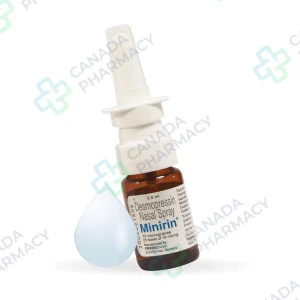
DDAVP spray
Price range: $ 64,00 through $ 412,00
Active substance: Desmopressin acetate
More Details
This product has multiple variants. The options may be chosen on the product page

Forxiga
Price range: $ 52,00 through $ 340,00
Active substance: Dapagliflozin
More Details
This product has multiple variants. The options may be chosen on the product page
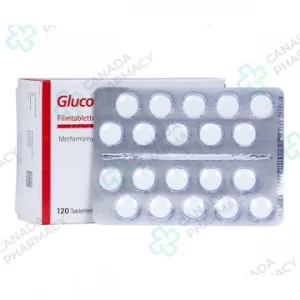
Glucophage
Price range: $ 28,00 through $ 97,00
Active substance: metformin
More Details
This product has multiple variants. The options may be chosen on the product page
Glucophage Trio
Price range: $ 96,00 through $ 187,00
More Details
This product has multiple variants. The options may be chosen on the product page
Hsquin
Price range: $ 43,00 through $ 75,00
Active substance: Hydroxychloroquine
More Details
This product has multiple variants. The options may be chosen on the product page
Precose
Price range: $ 46,00 through $ 294,00
Active substance: Acarbose
More Details
This product has multiple variants. The options may be chosen on the product page