

-6%


Elocon
Price range: $ 40,00 through $ 190,00
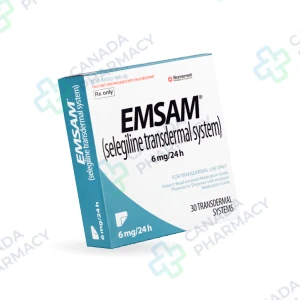
Emsam
Price range: $ 66,00 through $ 345,00
Empagliflozin
Price range: $ 153,00 through $ 727,00
Empagliflozin is an advanced SGLT2 inhibitor primarily used to manage blood sugar levels in adults with type 2 diabetes. It works by helping the kidneys remove glucose from the bloodstream through urine, effectively lowering overall blood sugar. This medication is also proven to reduce the risk of cardiovascular death in patients who have both type 2 diabetes and established heart disease. Additionally, Empagliflozin is effective in decreasing the likelihood of hospitalization and cardiovascular mortality for individuals suffering from heart failure. Recent clinical developments have also established its role in slowing the progression of chronic kidney disease, providing comprehensive support for metabolic health.
Active substance: Empagliflozin
Delivery: 5–21 days (depending on the shipping method)
Extra 10% discount with coupon: IT4K6SVM
Each dosage option has its own packaging choices.
Description
Empagliflozin belongs to a class of medications known as sodium-glucose cotransporter 2 (SGLT2) inhibitors. It is an oral prescription medication approved by the US Food and Drug Administration (FDA) to help manage blood sugar levels in adults and pediatric patients aged 10 years and older with type 2 diabetes mellitus, alongside diet and exercise.
Beyond glycemic control, this medication is also FDA-approved to reduce the risk of cardiovascular death in adults with type 2 diabetes and established cardiovascular disease, as well as to lower the risk of cardiovascular death and hospitalization in adults with heart failure or chronic kidney disease. As a prescription drug, empagliflozin must be used under the direct supervision of a licensed healthcare provider in accordance with federal and state regulations.
Basic Information
| Attribute | Details |
|---|---|
| Active ingredient (INN) | Empagliflozin |
| Therapeutic class | Sodium-glucose cotransporter 2 (SGLT2) inhibitor |
| Route of administration | Oral |
| Primary purpose | Glycemic control in type 2 diabetes; reduction of cardiovascular and renal risk |
| Prescription status | Prescription (Rx only) |
| Mechanism of action | Selective inhibition of SGLT2 in renal proximal tubules to increase urinary glucose excretion |
| Storage | Store at 68°F to 77°F (20°C to 25°C); excursions permitted between 59°F and 86°F (15°C and 30°C) |
How the Drug Works
Sodium-glucose cotransporter 2 (SGLT2) is the primary transporter responsible for reabsorbing filtered glucose from the lumen of the renal proximal tubules back into the bloodstream. Empagliflozin functions by selectively and potently inhibiting SGLT2. On one hand, this action lowers the renal threshold for glucose, promoting urinary glucose excretion (glucosuria) and reducing elevated fasting and postprandial blood glucose levels. On the other hand, because this mechanism operates independently of pancreatic beta-cell function and insulin pathways, it carries a lower intrinsic risk of inducing hypoglycemia compared to traditional secretagogues.
In addition to glucose clearance, SGLT2 inhibition induces sodium excretion (natriuresis). This osmotic diuresis leads to modest reductions in intravascular volume, blood pressure, and body weight. Clinically, these combined metabolic and hemodynamic effects contribute to reduced cardiac workload and preservation of long-term kidney function in eligible patient populations.
Main Uses
Empagliflozin is indicated as an adjunct to diet and exercise to improve glycemic control in adults and pediatric patients 10 years of age and older with type 2 diabetes mellitus. Beyond blood sugar management, the FDA has approved empagliflozin for several major cardiorenal indications. It is used to reduce the risk of cardiovascular death in adults with type 2 diabetes and established cardiovascular disease. Additionally, it is indicated to lower the risk of cardiovascular death and hospitalization for heart failure in adults diagnosed with heart failure, regardless of left ventricular ejection fraction status.
Furthermore, empagliflozin is approved to reduce the risk of sustained estimated glomerular filtration rate (eGFR) decline, end-stage kidney disease, cardiovascular death, and hospitalization in adults with chronic kidney disease at risk of progression. It is important to note that empagliflozin is not indicated for the treatment of type 1 diabetes mellitus, nor should it be used for the treatment of diabetic ketoacidosis.
Dosing Schedule
Empagliflozin is taken orally once daily in the morning, with or without food. The standard recommended starting dose for glycemic control in type 2 diabetes is 10 mg once daily. For patients who tolerate the 10 mg dose and require additional glycemic control, healthcare providers may increase the dosage to 25 mg once daily, which represents the maximum recommended daily dose.
Before initiating therapy, renal function must be evaluated using the estimated glomerular filtration rate (eGFR), and it should be monitored periodically during treatment. In patients with an eGFR below certain thresholds (such as eGFR less than 30 mL/min/1.73 m²), initiation for glycemic control is generally not recommended, though dosing for heart failure or chronic kidney disease may follow specific protocol guidelines under physician guidance. Patients should swallow tablets whole with water and maintain a consistent daily schedule.
What Happens in the Body
Following oral administration, empagliflozin is rapidly absorbed, reaching peak plasma concentrations (Cmax) at a median of approximately 1.5 hours post-dose. Systemic exposure (area under the concentration-time curve, AUC) increases in a dose-proportional manner over the therapeutic range. Administration with a high-fat, high-calorie meal slightly decreases exposure, but this effect is not considered clinically relevant; thus, empagliflozin may be administered with or without food.
Empagliflozin is approximately 86% bound to human plasma proteins. Metabolism occurs predominantly via glucuronidation by uridine 5′-diphospho-glucuronosyltransferases (UGT2B7, UGT1A3, UGT1A8, and UGT1A9). The apparent terminal elimination half-life is approximately 12.4 hours, supporting once-daily dosing. Excretion of drug-related material occurs through urine (approximately 54%) and feces (approximately 41%), with unchanged parent compound representing the primary circulating component and major excreted species in both routes.
What Not to Combine
Combining empagliflozin with insulin secretagogues (such as sulfonylureas) or exogenous insulin increases the risk of hypoglycemia. When starting empagliflozin, a physician may consider lowering the dose of the co-administered insulin or sulfonylurea to reduce low blood sugar risks. Co-administration with diuretics, particularly loop diuretics, can exacerbate volume depletion and lead to symptomatic hypotension or electrolyte imbalances due to additive diuretic effects.
Inducers of UGT enzymes, such as rifampin, may modestly decrease systemic exposure to empagliflozin, potentially diminishing its clinical efficacy. Monitoring of glycemic control is advised when such agents are co-administered. Additionally, patients should be aware that monitoring blood glucose with urine glucose tests is unreliable while taking SGLT2 inhibitors, as these drugs explicitly increase urinary glucose excretion; alternative testing methods (such as blood glucose monitoring) must be used.
Adverse Reactions
While empagliflozin offers significant clinical benefits, it is also associated with distinct potential side effects. On one hand, common mild to moderate adverse reactions include genital mycotic infections (such as vulvovaginal candidiasis in females and balanitis in males), urinary tract infections, increased urination (polyuria), thirst, and mild dyslipidemia. These events are directly related to increased urinary glucose excretion.
On the other hand, less frequent but severe adverse events require immediate medical evaluation. These include serious urinary tract infections such as urosepsis and pyelonephritis, severe volume depletion leading to acute kidney injury or syncope, ketoacidosis (a life-threatening metabolic state that can occur even with normal blood glucose levels), and necrotizing fasciitis of the perineum (Fournier’s gangrene). Hypoglycemia risk remains low when empagliflozin is used as monotherapy but increases when combined with other antidiabetic agents.
Before You Take It
Prior to starting empagliflozin, tell your physician if you have a history of kidney disease, liver impairment, recurrent urinary tract infections, or conditions predisposing to ketoacidosis (such as pancreatic disorders, low carbohydrate intake, or alcohol abuse). SGLT2 inhibitors should be temporarily discontinued at least 3 days prior to scheduled elective surgical procedures or procedures associated with prolonged fasting to minimize the risk of perioperative ketoacidosis.
Regarding special populations, empagliflozin is not recommended during the second and third trimesters of pregnancy due to adverse renal developmental findings observed in animal studies. Breastfeeding while taking empagliflozin is generally advised against because of potential risks to the developing infant kidney. Pediatric safety and effectiveness have been established for type 2 diabetes in patients aged 10 years and older, but not for younger children or other indications.
First Days of Treatment
During the initial days of treatment, patients commonly notice an increase in urinary volume and frequency. This is a direct physical result of glucose and sodium excretion through the kidneys. Mild lightheadedness or dizziness upon standing can occasionally occur as the body adjusts to minor fluid shifts.
To support a smooth start to therapy, patients are advised to maintain adequate daily hydration unless restricted by a medical provider for heart failure or renal conditions. Glycemic improvements may be observed within the first week of daily dosing, whereas structural cardiovascular and renal benefits develop continuously over months of long-term adherence.
If You Skip a Dose
If you miss a dose of empagliflozin, take it as soon as you remember on that day. However, if it is nearly time for your next scheduled morning dose, skip the missed tablet entirely and return to your standard schedule. Never take two doses at the same time or take extra medication to compensate for a missed dose.
Consistent daily administration helps maintain stable drug levels in plasma and preserves optimal glycemic and cardiovascular protection. If you frequently forget doses, using a daily pill organizer or setting a morning alarm can help maintain compliance.
What to Avoid While Taking It
Empagliflozin can be taken with or without food, as food does not clinically alter its therapeutic absorption. However, excessive alcohol intake should be strictly avoided. Heavy drinking or binge alcohol consumption increases the risk of dehydration, hypoglycemia, and diabetic ketoacidosis.
Additionally, sudden extreme carbohydrate restriction or severe caloric deprivation should be avoided while taking SGLT2 inhibitors. Drastic changes in diet can trigger ketoacidosis. Always inform your healthcare team before undertaking major dietary changes or intense fasting regimens.
Practical Tips
Incorporating empagliflozin into your daily schedule is straightforward when aligned with regular morning routines. Taking your tablet at the same time every morning helps establish a predictable fluid excretion schedule throughout the day, minimizing nighttime awakenings to urinate.
Maintaining high standards of personal hygiene helps minimize the risk of genital yeast infections. Carrying medical identification–such as a wallet card or alert bracelet indicating SGLT2 inhibitor use–is recommended, particularly during medical emergencies or unexpected hospital admissions.
Common Questions
Is it safe to consume alcohol while taking empagliflozin?
Alcohol should be consumed with caution while taking empagliflozin. Excessive alcohol intake increases the risk of metabolic complications, including dehydration and ketoacidosis. Patients should consult their prescribing provider regarding safe alcohol consumption levels based on their personal medical history.
Will empagliflozin cause low blood sugar (hypoglycemia) on its own?
When taken as a single agent (monotherapy), empagliflozin carries a low risk of hypoglycemia because it acts by clearing excess glucose through urine rather than stimulating pancreatic insulin release. However, if taken together with sulfonylureas or insulin, the risk of low blood sugar increases, requiring careful dosage monitoring by a doctor.
How does empagliflozin affect fluid balance and urination?
Empagliflozin causes the kidneys to excrete glucose into urine, which naturally draws extra water along with it. This results in a modest increase in how often and how much you urinate. Drinking adequate fluids throughout the day helps prevent mild volume depletion and lightheadedness.
What should be done if surgery or a medical procedure is scheduled?
Empagliflozin treatment must typically be withheld at least 3 days prior to elective surgery or procedures requiring extended fasting. Pausing treatment reduces the risk of perioperative ketoacidosis. Always notify your surgical team and prescribing physician about your medication schedule well in advance.
Can empagliflozin be taken during pregnancy or breastfeeding?
Empagliflozin is not recommended during the second and third trimesters of pregnancy due to potential risks to fetal renal development. Additionally, breastfeeding is generally not recommended while taking this drug due to the potential risk of adverse effects on the nursing infant’s kidneys. Speak with your physician if you are pregnant or planning to become pregnant.
This text is for informational purposes only and does not constitute individual medical advice. In accordance with FDA requirements.
Additional information
| Dosage |
10 mg ,25 mg |
|---|---|
| Package |
30 pills ,60 pills ,120 pills |
| Ενεργός Ουσία |
Related products

Abana
Price range: $ 89,00 through $ 580,00
Active substance: Abana
More Details
This product has multiple variants. The options may be chosen on the product page
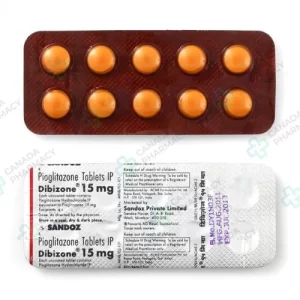
Actos
Price range: $ 52,00 through $ 239,00
Active substance: Pioglitazone
More Details
This product has multiple variants. The options may be chosen on the product page
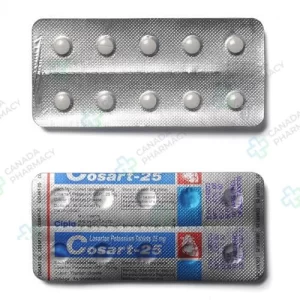
Cozaar
Price range: $ 41,00 through $ 281,00
Active substance: Losartan
More Details
This product has multiple variants. The options may be chosen on the product page

Glycomet SR
Price range: $ 54,00 through $ 75,00
Active substance: metformin
More Details
This product has multiple variants. The options may be chosen on the product page
Hsquin
Price range: $ 43,00 through $ 75,00
Active substance: Hydroxychloroquine
More Details
This product has multiple variants. The options may be chosen on the product page
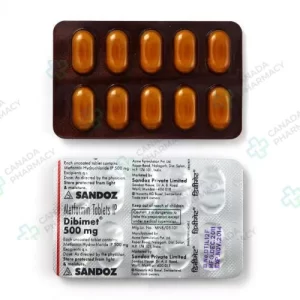
Metformin
Price range: $ 33,00 through $ 190,00
Active substance: metformin
More Details
This product has multiple variants. The options may be chosen on the product page

Onglyza
Price range: $ 63,00 through $ 504,00
Active substance: Saxagliptin
More Details
This product has multiple variants. The options may be chosen on the product page
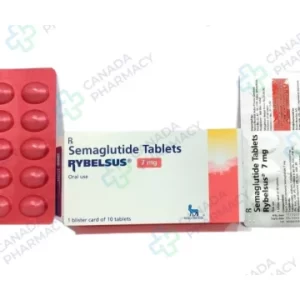
Rybelsus
Price range: $ 250,00 through $ 880,00
Active substance: Semaglutide
More Details
This product has multiple variants. The options may be chosen on the product page