

-49%
Alfacip
Price range: $ 65,00 through $ 563,00
Allegra
Price range: $ 47,00 through $ 118,00
Alkeran
Price range: $ 112,00 through $ 513,00
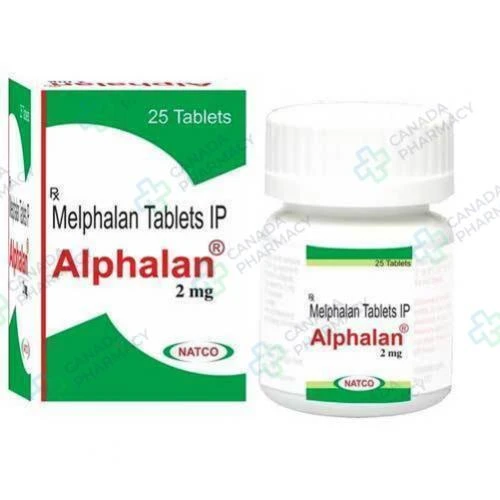
Alkeran is a potent chemotherapy medication used in the treatment of specific types of cancer. It belongs to a class of drugs known as alkylating agents, which work by stopping or slowing the growth of malignant cells. This medication is primarily indicated for patients diagnosed with multiple myeloma, a cancer that affects plasma cells in the bone marrow. Additionally, Alkeran is effectively utilized for the palliative treatment of non-resectable epithelial ovarian cancer. By interfering with the DNA replication of cancer cells, this therapy helps to manage the progression of these serious conditions.
Active substance: Melphalan
Delivery: 5–21 days (depending on the shipping method)
Extra 10% discount with coupon: IT4K6SVM
Each dosage option has its own packaging choices.
Description
Alkeran belongs to a group of antineoplastic medications known as alkylating agents. It is an FDA-approved prescription therapy used in oncology treatment protocols under direct medical supervision.
This medication is primarily indicated for the palliative management of multiple myeloma and certain stages of epithelial carcinoma of the ovary. Proper administration requires careful laboratory monitoring, precise dosing schedules, and awareness of potential systemic side effects.
| Active ingredient | Melphalan |
| Therapeutic class | Alkylating agent (Antineoplastic) |
| Dosage form | Oral tablet, IV injection |
| Route of administration | Oral, Intravenous |
| Prescription status | Prescription only (Rx) |
| Primary purpose | Palliative chemotherapy for plasma cell and ovarian malignancies |
Main uses
Alkeran is an FDA-approved chemotherapy agent indicated for specific oncologic conditions. Its primary FDA label indication is for the palliative treatment of multiple myeloma, a plasma cell malignancy affecting the bone marrow. In this setting, the medication helps control tumor burden, reduce systemic disease progression, and alleviate disease-related symptoms.
Additionally, Alkeran is indicated for the palliative treatment of non-resectable epithelial carcinoma of the ovary. Prescribers evaluate patient disease staging, organ function, and prior treatment history before initiating therapy. Any use of this agent outside of established clinical guidelines or unapproved oncologic protocols is considered off-label and requires specific clinical justification by an oncologist.
How the drug works
The active component of Alkeran is melphalan, a bifunctional alkylating agent structurally derived from nitrogen mustard. The molecular mechanism involves the attachment of alkyl groups to DNA bases, predominantly at the guanine N-7 position. This chemical modification leads to interstrand cross-linking of cellular DNA, preventing double-helix unwinding and replication.
By disrupting DNA structure, the drug inhibits both DNA synthesis and RNA transcription within rapidly proliferating cells. While its cytotoxic action affects actively dividing malignant plasma cells and carcinoma tissues, non-malignant tissues with high turnover rates–such as bone marrow stem cells and gastrointestinal mucosa–are similarly affected, which accounts for the therapeutic response as well as key dose-limiting toxicities.
What happens in the body
Following oral administration, the absorption of Alkeran from the gastrointestinal tract is variable and incomplete. Peak plasma concentrations generally occur within 1 to 2 hours after ingestion. Systemic bioavailability varies among individual patients due to differences in gut transit time, enzymatic degradation, and the presence of food within the stomach.
The drug is bound to plasma proteins, mainly albumin, to a moderate extent (approximately 60% to 90%). Melphalan undergoes spontaneous chemical hydrolysis in systemic circulation into inactive monohydroxy and dihydroxy metabolites rather than extensive hepatic enzymatic metabolism. The plasma elimination half-life averages approximately 60 to 90 minutes. Renal excretion accounts for a portion of the unchanged drug and its hydrolysis products, necessitating dosage adjustments in patients with impaired kidney function.
Dosing schedule
Alkeran is available in oral tablet formulation and as an intravenous injectable solution. Dosing regimens are individualized based on patient body weight, surface area, hematologic status, renal function, and specific treatment protocols. For multiple myeloma, oral regimens typically involve daily administration for a defined course of several consecutive days, repeated at multi-week intervals to allow bone marrow recovery.
The medication must be taken exactly as prescribed by an oncologist. Dosage adjustments are frequently necessary based on baseline blood counts and toxicities observed during prior cycles. Caregivers and patients should handle tablets with care, avoiding crushing or breaking them to prevent direct exposure to the active cytotoxic agent.
What not to combine
Alkeran exhibits clinically significant drug interactions that can compromise safety or therapeutic efficacy. Co-administration with nalidixic acid is contraindicated due to an increased risk of severe, potentially fatal hemorrhagic necrotic enterocolitis, particularly in pediatric or high-dose settings. Concomitant use with cyclosporine can induce severe renal dysfunction, requiring close monitoring of kidney parameters.
Because Alkeran suppresses bone marrow activity, concurrent administration of other myelosuppressive agents or radiation therapy increases the severity of hematologic toxicity. Live attenuated vaccines must be avoided during therapy because systemic immunosuppression elevates the risk of severe vaccine-derived infections. Patients must disclose all prescription drugs, over-the-counter products, and supplements to their healthcare team prior to initiating treatment.
Adverse reactions
The primary dose-limiting toxicity associated with Alkeran is bone marrow suppression, manifesting as leukopenia, thrombocytopenia, and anemia. White blood cell and platelet counts typically reach their nadir (lowest point) 2 to 3 weeks following initiation of a treatment cycle, recovering over the subsequent weeks. This increases patient susceptibility to systemic bacterial, viral, or fungal infections.
Gastrointestinal adverse effects are common and include nausea, vomiting, diarrhea, stomatitis, and ulceration of the oral mucosa. Less frequent complications include transient alopecia, cutaneous hypersensitivity reactions, interstitial pneumonitis, hepatic dysfunction, and hyperuricemia. Long-term exposure carries a documented risk of secondary malignancies, including acute leukemia or myelodysplastic syndromes.
Food and alcohol interactions
Food intake significantly impairs the oral absorption of Alkeran, reducing both peak plasma concentrations and overall bioavailability. To maintain consistent therapeutic blood levels, oral tablets should be taken on an empty stomach, either 1 hour before or 2 hours after meals, with a full glass of water.
Alcohol consumption should be discussed with the attending physician. Ethanol can exacerbate gastrointestinal mucosal irritation caused by chemotherapy and increase the burden on hepatic clearance mechanisms. Patients should avoid alcohol during treatment cycles to prevent compounding gastrointestinal toxicity and dehydration.
If you skip a dose
If a scheduled oral dose of Alkeran is missed, the patient should contact their oncology care team for specific instructions rather than taking an extra dose. Taking double doses to compensate for a missed administration increases the risk of acute hematologic toxicity and bone marrow suppression.
A detailed administration log helps maintain proper timing during multi-day chemotherapy cycles. If a dose is skipped, document the exact date and time, and resume the standard schedule only as directed by the prescribing physician.
Red flags
Patients receiving Alkeran must monitor for signs of severe medical complications requiring urgent intervention. Seek immediate medical evaluation if any of the following critical symptoms occur during treatment:
- Fever, chills, persistent sore throat, or signs of acute infection
- Unusual bleeding, unexpected bruising, or blood in stool or urine
- Shortness of breath, persistent cough, or acute chest pain
- Severe allergic reactions, including facial swelling, rash, or hives
- Intense, unmanaged vomiting, diarrhea, or severe abdominal pain
Important precautions
Alkeran carries significant safety warnings regarding hematologic toxicity and carcinogenic potential. Complete blood cell counts must be monitored prior to initiating therapy and regularly throughout each treatment cycle to prevent severe bone marrow aplasia. Treatment must be held or dose-reduced if severe cytopenias occur.
Special population considerations include:
- Pregnancy: Alkeran is teratogenic and can cause fetal harm. Effective contraception is required for male and female patients of reproductive potential.
- Lactation: Breastfeeding is not recommended during therapy due to potential excretion in human milk and severe toxicity to the infant.
- Renal Impairment: Dosage reduction and heightened monitoring are required for patients with compromised kidney function to prevent drug accumulation.
- Pediatric Use: Safety and effectiveness in pediatric populations for routine protocols have not been fully established outside of specialized conditioning regimens.
Storage and expiration
Alkeran oral tablets require specific environmental conditions to maintain chemical stability. Store tablets in a tightly closed container in a refrigerator between 2°C and 8°C (36°F and 46°F), protected from light and moisture. Do not freeze the product.
Proper disposal of unused or expired cytotoxic drugs is mandatory. Do not discard tablets in household trash or municipal wastewater systems. Return unused medication to a pharmacy with a specialized hazardous waste disposal program in compliance with local regulations.
Common questions
How does bone marrow suppression affect daily precautions while taking Alkeran?
Bone marrow suppression reduces white blood cells and platelets, raising infection and bleeding risks. Patients should practice meticulous hand hygiene, avoid crowded indoor spaces, and prevent minor injuries or cuts. Any fever must be reported immediately to the treatment team.
Can Alkeran cause secondary malignancies over long-term use?
Yes, long-term treatment with alkylating agents like melphalan is associated with an increased risk of developing secondary acute myelogenous leukemia or myelodysplastic syndromes. Oncologists weigh this potential long-term risk against the immediate benefit of controlling the primary cancer.
Is routine blood monitoring required during Alkeran therapy?
Regular monitoring of complete blood counts, renal function, and liver enzymes is essential throughout treatment. These laboratory tests allow prescribers to detect hematologic toxicities early and adjust dosages before severe complications develop.
How does food intake impact oral Alkeran absorption?
Ingesting food alongside Alkeran significantly reduces its gastrointestinal absorption and peak blood concentrations. Taking the tablet on an empty stomach ensures consistent bioavailability and systemic drug exposure required for optimal therapeutic outcomes.
What precautions should be taken regarding vaccination during treatment?
Live attenuated vaccines must not be administered during chemotherapy due to the risk of severe infection from immunosuppression. Inactivated vaccines may be administered, though the patient’s immune response may be suboptimal during active treatment cycles.
This text is for informational purposes only and does not constitute individual medical advice.
In accordance with FDA requirements.
Additional information
| Dosage |
2 mg |
|---|---|
| Package |
10 pills ,20 pills ,30 pills ,60 pills ,90 pills |
| Ενεργός Ουσία |
Related products
Alesse
Price range: $ 65,00 through $ 208,00
Active substance: ethinyloestradiol, Levonorgestrel
More Details
This product has multiple variants. The options may be chosen on the product page
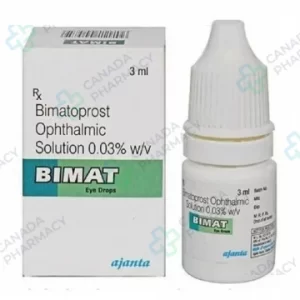
Bimat
Price range: $ 60,00 through $ 330,00
Active substance: Bimatoprost
More Details
This product has multiple variants. The options may be chosen on the product page
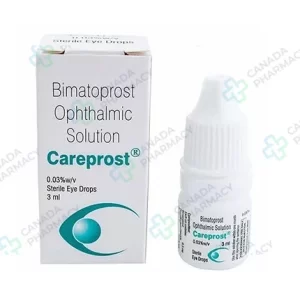
Careprost
Price range: $ 42,00 through $ 367,00
Active substance: Bimatoprost
More Details
This product has multiple variants. The options may be chosen on the product page
Conjubrook
Price range: $ 215,00 through $ 705,00
Active substance: Conjugated Estrogens
More Details
This product has multiple variants. The options may be chosen on the product page
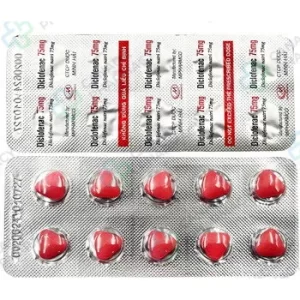
Diclofenac
Price range: $ 49,00 through $ 121,00
Active substance: diclofenac
More Details
This product has multiple variants. The options may be chosen on the product page
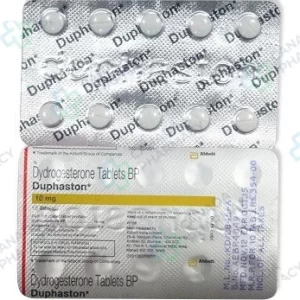
Duphaston
Price range: $ 64,00 through $ 648,00
Active substance: dydrogesterone
More Details
This product has multiple variants. The options may be chosen on the product page
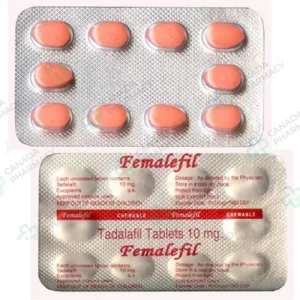
Female Cialis
Price range: $ 20,00 through $ 340,00
Active substance: Tadalafil
More Details
This product has multiple variants. The options may be chosen on the product page
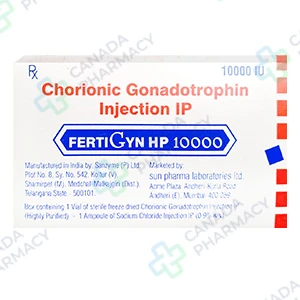
Fertigyn HP
Price range: $ 50,00 through $ 130,00
Active substance: Human Chorionic Gonadotrophin
More Details
This product has multiple variants. The options may be chosen on the product page