

-45%
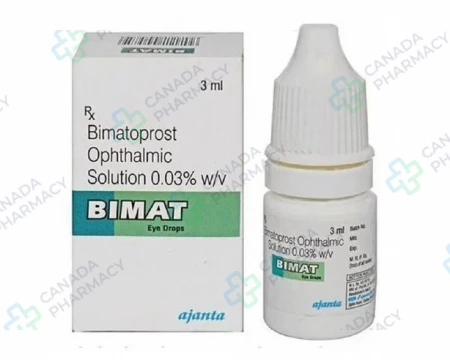
Bimat
Price range: $ 60,00 through $ 330,00
Bimat is a highly effective ophthalmic solution primarily used to reduce elevated intraocular pressure in patients with open-angle glaucoma or ocular hypertension. The active ingredient, Bimatoprost, works by increasing the natural drainage of fluid from the eye to maintain healthy vision. Beyond its primary medical use, this formula is also widely utilized to treat hypotrichosis, a condition characterized by inadequate or sparse eyelashes. Regular application helps users achieve noticeably longer, thicker, and darker lashes by extending the natural growth phase. This versatile product offers a reliable way to support both ocular health and aesthetic eyelash enhancement.
Active substance: Bimatoprost
Delivery: 5–21 days (depending on the shipping method)
Extra 10% discount with coupon: IT4K6SVM
Each dosage option has its own packaging choices.
Description
Bimat belongs to a group of ophthalmic preparations classified as synthetic prostaglandin analogs and prostamides. This medication is formulated as a topical ophthalmic solution primarily used to reduce elevated intraocular pressure in patients diagnosed with open-angle glaucoma or ocular hypertension. In accordance with U.S. federal regulations, this product is available strictly as a prescription medication (Rx) and must be administered under proper medical supervision.
Proper utilization of this ophthalmic solution requires adherence to dosage guidelines established by a qualified healthcare professional. Consistent daily administration is necessary to maintain intraocular pressure control and minimize potential adverse reactions associated with improper application technique or systemic exposure.
| Property | Specification |
|---|---|
| Drug Name | Bimat |
| Active Ingredient | Bimatoprost |
| Therapeutic Class | Prostamide / Prostaglandin Analog |
| Dosage Form | Ophthalmic Solution |
| Route of Administration | Topical Ophthalmic (Eye Drops) |
| Prescription Status | Prescription Only (Rx) |
How the Drug Works
The active substance in Bimat, bimatoprost, is a synthetic structural analog of prostamide with potent ocular hypotensive activity. It acts by mimicking naturally occurring prostamides to modulate fluid dynamics within the anterior chamber of the eye. Specifically, bimatoprost selective agonist action targets prostamide receptors, facilitating a marked increase in aqueous humor outflow. This enhancement occurs through two distinct anatomical pathways: the conventional trabecular meshwork and the non-conventional uveoscleral outflow pathway. By promoting fluid drainage, the intraocular pressure drops, which helps reduce the risk of progressive optic nerve damage and subsequent visual field loss associated with ocular hypertension.
Main Uses
Bimat is primarily indicated for the reduction of elevated intraocular pressure (IOP) in adult patients presenting with open-angle glaucoma or ocular hypertension. Clinical evaluation is essential prior to initiation, as elevated IOP remains a major modifiable risk factor for glaucomatous visual field loss. In addition to primary IOP management, specific formulations containing bimatoprost may be prescribed off-label or under specific FDA-approved guidelines for treating eyelash hypotrichosis, aiming to increase eyelash length, thickness, and darkness. Any application beyond IOP management must be explicitly evaluated and monitored by an eye care specialist.
Dosing Schedule
The standard dosage for reducing intraocular pressure is one drop applied topically to the affected eye or eyes once daily, preferably in the evening. Dosing frequency must not exceed once daily, as evidence indicates that more frequent administration may paradoxically diminish the intraocular pressure-lowering efficacy of the solution. Patients should strictly wash their hands prior to application. Care must be taken to prevent the dropper tip from touching the eye, eyelids, surrounding facial skin, or any external surfaces to preserve solution sterility and minimize contamination risks.
What Happens in the Body
Following topical ocular administration, bimatoprost penetrates the cornea and sclera effectively. The onset of the intraocular pressure-lowering effect typically occurs within 4 hours post-instillation, reaching its maximum therapeutic reduction at approximately 8 to 12 hours. Systemic absorption of the topically applied dose is minimal. Pharmacokinetic analyses show that circulating plasma concentrations of bimatoprost remain extremely low, often falling below the lower limit of quantitation within several hours. The systemic elimination half-life after intravenous administration is approximately 45 minutes, with metabolic elimination occurring primarily through oxidation, N-deethylation, and glucuronidation before excretion via renal and biliary routes.
Compatibility With Other Medicines
Concomitant administration of Bimat with other ophthalmic prostaglandin analogs or prostamides is generally not recommended due to potential therapeutic interference, which may paradoxically lead to elevated intraocular pressure. When using multiple topical ophthalmic medications, each drop should be administered at least 5 minutes apart to prevent dilution and physical washout of active ingredients. While systemic drug interaction studies with bimatoprost are limited due to negligible plasma drug levels, patients must inform their prescriber regarding all concomitant prescription drugs, over-the-counter products, and herbal supplements.
Adverse Reactions
Clinical studies and post-marketing surveillance indicate that conjunctival hyperemia is the most common ocular adverse reaction associated with bimatoprost therapy. Additional localized reactions include ocular pruritus, visual disturbances, eye dryness, burning sensations, foreign body sensation, and increased iris pigmentation. Increased iris pigmentation occurs due to heightened melanin content in melanocytes and is typically irreversible. Increased growth, darkening, and thickening of the eyelashes, as well as periorbital skin hyperpigmentation, may also develop. Less common but severe reactions include intraocular inflammation (such as iritis or uveitis) and macular edema, particularly in aphakic or pseudophakic patients with torn posterior lens capsules.
Important Precautions
Bimat should be used with caution in patients with active intraocular inflammation, aphakic patients, pseudophakic patients with a torn posterior lens capsule, or individuals with known risk factors for macular edema. The preservative benzalkonium chloride present in many ophthalmic formulations may be absorbed by soft contact lenses; therefore, contact lenses must be removed prior to instillation and may be reinserted 15 minutes post-dose. Safety and effectiveness in pediatric patients under 16 years of age have not been established. During pregnancy, Bimat should be used only if the potential benefit outweighs the potential risk to the fetus, consistent with clinical evaluation by a healthcare provider.
What to Avoid While Taking It
Systemic interactions with food or dietary products are not expected due to the localized topical administration route of Bimat. Alcohol consumption does not directly interfere with the ocular pharmacokinetics of bimatoprost; however, excessive alcohol consumption may affect patient compliance with daily dosing schedules. Patients should avoid touching the tip of the bottle to any surface, including hands or facial tissues, to maintain sterile conditions. Additionally, avoid applying cosmetic eyelid preparations immediately before or after instillation to ensure complete absorption of the active formulation.
If You Skip a Dose
If a dose of Bimat is missed, treatment should continue with the next planned application during the regular schedule, typically the following evening. Double doses or extra drops must not be administered to compensate for a skipped dose. Consistently missing doses may compromise intraocular pressure control, increasing the risk of optic nerve damage over extended periods.
Storage and Expiration
Bimat ophthalmic solution should be stored at controlled room temperature between 36°F and 77°F (2°C to 25°C) in its original container. The bottle must be kept tightly closed when not in use to protect the contents from contamination and evaporation. Exposure to excessive heat, direct light, or freezing temperatures must be avoided. Keep out of reach of children and pets. Do not use the medication beyond the expiration date printed on the bottle and carton packaging.
Day-to-Day Use
Integrating Bimat into a routine evening schedule aids in maintaining consistent intraocular pressure reduction. Patients should sit or recline comfortably, tilt the head back slightly, and pull down the lower eyelid to form a small pocket before instilling one drop. After instillation, gentle pressure applied to the inner corner of the eye (nasolacrimal occlusion) for approximately 1 to 2 minutes reduces systemic drug absorption and localized side effects. Excess liquid surrounding the eye area should be gently wiped away with a clean tissue to reduce the risk of skin hyperpigmentation.
Common Questions
How should contact lenses be handled when instilling Bimat?
Contact lenses must be removed prior to instilling Bimat drops because the solution contains benzalkonium chloride, a preservative that can be absorbed by soft contact lenses and cause ocular irritation or discoloration. Patients should wait at least 15 minutes following drug instillation before reinserting their contact lenses to allow adequate clearance of the preservative from the ocular surface.
Can iris color permanently change during Bimat therapy?
Yes, Bimat can cause increased brown pigmentation of the iris, which is usually permanent. This effect develops gradually over months or years of treatment due to increased melanin content within iris melanocytes. Patients treated in only one eye should be aware of the potential for permanent heterochromia (different iris colors between eyes).
What happens if the solution spills onto the surrounding facial skin?
Repeated contact of Bimat solution with cutaneous surfaces outside the eye margin may result in localized skin hyperpigmentation or unwanted hair growth in the contacted skin areas. To prevent these localized reactions, any excess solution that runs onto the cheek or eyelid skin should be gently absorbed with a clean tissue immediately after application.
Is it safe to discontinue Bimat suddenly if intraocular pressure normalizes?
Discontinuing Bimat without direct medical guidance is not recommended. Normalization of intraocular pressure indicates that the drug is functioning effectively, not that the underlying condition is cured. Stopping the medication abruptly can lead to a rebound increase in intraocular pressure, potentially increasing the risk of optic nerve damage.
How does Bimat interact with other eye drops administered at the same time?
Administering Bimat simultaneously with other topical ophthalmic drops can wash out the active ingredient or decrease absorption. If multiple ophthalmic medications are prescribed, each medication should be administered at least 5 minutes apart. If an eye ointment is also prescribed, it should be applied last.
Information on this page is for reference and does not replace an assessment by a licensed healthcare professional. In accordance with FDA requirements.
Additional information
| Dosage |
0.3mg |
|---|---|
| Package |
1 bottles ,2 bottles ,3 bottles ,4 bottles ,5 bottles ,6 bottles ,7 bottles ,8 bottles ,9 bottles ,10 bottles |
| Ενεργός Ουσία |
Related products
Alesse
Price range: $ 65,00 through $ 208,00
Active substance: ethinyloestradiol, Levonorgestrel
More Details
This product has multiple variants. The options may be chosen on the product page
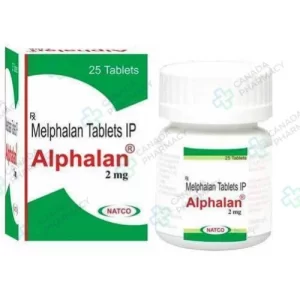
Alkeran
Price range: $ 112,00 through $ 513,00
Active substance: Melphalan
More Details
This product has multiple variants. The options may be chosen on the product page
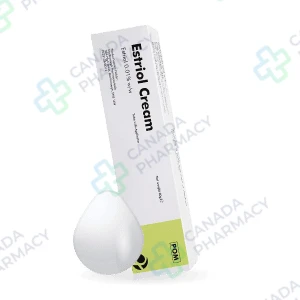
Estriol Cream
Price range: $ 13,00 through $ 93,00
Active substance: Estriol
More Details
This product has multiple variants. The options may be chosen on the product page
Etodolac
Price range: $ 46,00 through $ 390,00
Active substance: Etodolac
More Details
This product has multiple variants. The options may be chosen on the product page
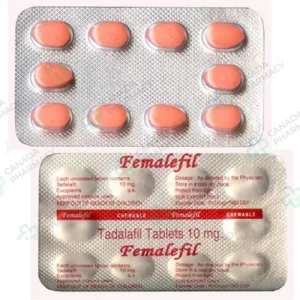
Female Cialis
Price range: $ 20,00 through $ 340,00
Active substance: Tadalafil
More Details
This product has multiple variants. The options may be chosen on the product page
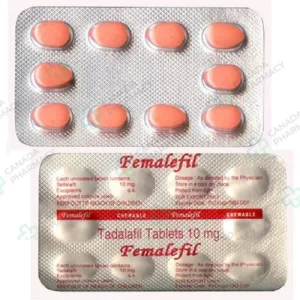
Female Cialis Soft
Price range: $ 40,00 through $ 288,00
Active substance: Tadalafil
More Details
This product has multiple variants. The options may be chosen on the product page
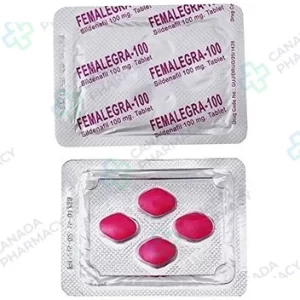
Femalegra
Price range: $ 50,00 through $ 305,00
Active substance: Sildenafil
More Details
This product has multiple variants. The options may be chosen on the product page
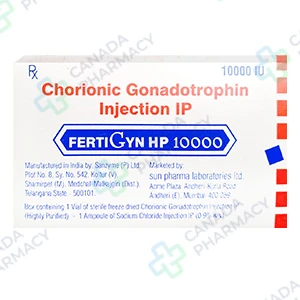
Fertigyn HP
Price range: $ 50,00 through $ 130,00
Active substance: Human Chorionic Gonadotrophin
More Details
This product has multiple variants. The options may be chosen on the product page