

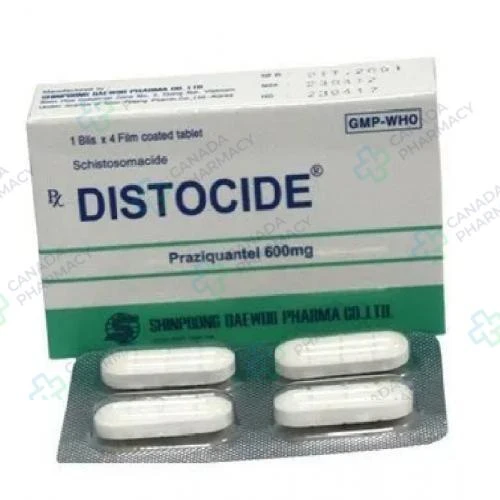
Biltricide
$ 50,00
Biltricide is a highly effective anthelmintic medication designed to treat infections caused by various types of parasitic worms. It is primarily indicated for the treatment of schistosomiasis, a condition resulting from blood fluke infections. This medication is also used to target liver fluke infections, specifically those caused by Clonorchis sinensis and Opisthorchis viverrini. The active ingredient, Praziquantel, works by inducing muscle contractions and paralysis in the parasites, leading to their detachment and removal from the host’s body. Biltricide provides a reliable therapeutic solution for these specific parasitic conditions, helping to restore health and well-being.
Active substance: Praziquantel
Delivery: 5–21 days (depending on the shipping method)
Extra 10% discount with coupon: IT4K6SVM
Each dosage option has its own packaging choices.
Description
Biltricide belongs to a class of anthelmintic medications specifically formulated to treat systemic parasitic worm infections. It is a prescription-only oral treatment containing the active ingredient praziquantel, which works by targeting the membrane integrity of susceptible helminths.
In the United States, Biltricide is evaluated and approved by the Food and Drug Administration (FDA) for treating infections caused by species of Schistosoma as well as specific liver flukes. Proper administration under medical oversight ensures effective clearance of parasites while minimizing potential adverse reactions.
Clinical Overview
Prescription Overview
| Property | Details |
|---|---|
| Active ingredient (INN) | Praziquantel |
| Therapeutic class | Anthelmintic agent |
| Dosage form | 600 mg tri-scored film-coated tablet |
| Route of administration | Oral |
| Prescription status | Prescription (Rx) only |
| Primary purpose | Treatment of schistosomiasis and liver fluke infections |
| Storage requirements | 20°C to 25°C (68°F to 77°F) |
Main uses
Biltricide is indicated for the treatment of infections caused by all species of Schistosoma pathogenic to humans, including Schistosoma mansoni, Schistosoma haematobium, Schistosoma japonicum, and Schistosoma mekongi. Additionally, it is approved for treating infections caused by liver flukes, specifically Clonorchis sinensis and Opisthorchis viverrini. Treatment targets the adult and immature stages of these parasites present in human vascular or tissue systems. Any use for non-labeled helminthic infections is considered off-label and requires explicit evaluation and prescribing authority from a licensed physician, as dosing regimens vary significantly across parasite categories.
How the drug works
Praziquantel, the active constituent of Biltricide, induces a rapid increase in cell membrane permeability to calcium ions in susceptible helminths. This rapid influx of calcium causes strong contraction of the parasite musculature and subsequent spastic paralysis. Following muscular excitation, structural changes occur in the parasite syncytial tegument, leading to rapid vacuolization and disintegration of the outer protective membrane. These cellular disruptions expose the parasite to host immune mechanisms, resulting in the destruction and clearance of the organism from human tissues.
Dosing schedule
The recommended dosage for schistosomiasis is typically 60 mg/kg body weight per day, administered orally in three divided doses of 20 mg/kg each at four- to six-hour intervals on a single day. For liver fluke infections (clonorchiasis and opisthorchiasis), the standard regimen is 75 mg/kg body weight per day, divided into three doses of 25 mg/kg given at four- to six-hour intervals for one day. Biltricide tablets are film-coated and tri-scored, featuring three segmenting lines that allow them to be broken into four equal parts of 150 mg each, enabling precise weight-based dosing. Tablets should be swallowed whole with liquid during meals without chewing.
What happens in the body
Following oral administration, Biltricide is rapidly absorbed from the gastrointestinal tract, reaching peak plasma concentrations within one to three hours. The active drug undergoes extensive first-pass hepatic metabolism, primarily mediated by cytochrome P450 enzymes including CYP3A4. Approximately 80% of the dose is excreted in the urine as metabolites within four days, with the majority eliminated within the first 24 hours. The elimination half-life of unchanged praziquantel ranges from 0.8 to 1.5 hours, whereas the half-life of its major metabolites ranges from 4 to 5 hours. Hepatic impairment can prolong plasma concentration levels significantly.
What to avoid while taking it
Biltricide tablets should be taken during meals with liquid to facilitate swallowing and enhance systemic absorption. Grapefruit juice and items containing strong CYP3A4 inhibitors should be avoided, as they can elevate systemic exposure to praziquantel. Alcohol consumption should be strictly avoided during treatment and for 48 hours following the final dose, as concurrent use increases central nervous system depression and exacerbates symptoms such as drowsiness, dizziness, and coordination impairment.
Compatibility with other medicines
Co-administration of Biltricide with strong CYP3A4 inducers, such as rifampin, carbamazepine, phenobarbital, and phenytoin, significantly reduces praziquantel plasma levels and may lead to treatment failure. Concomitant use of rifampin is contraindicated. Conversely, CYP3A4 inhibitors like cimetidine, ketoconazole, and macrolide antibiotics can increase plasma concentrations. Chloroquine may decrease praziquantel concentration when administered concurrently. Dexamethasone also reduces systemic praziquantel levels. Patients must inform their prescribing clinician of all current medications, including over-the-counter drugs and botanical supplements, before initiating therapy.
Adverse reactions
Side effects associated with Biltricide are generally mild to moderate, transient, and often related to the immune response triggered by dying parasites. Common adverse events include abdominal pain, nausea, vomiting, headache, dizziness, drowsiness, and malaise. Less frequently, patients may experience low-grade fever, urticaria, rash, pruritus, or mild elevation of liver enzymes. Rare but serious reactions include cardiac arrhythmias and hypersensitivity reactions. Central nervous system reactions such as seizures or altered consciousness can occur, particularly in individuals with undiagnosed neurocysticercosis.
Important precautions
Biltricide should not be administered for ocular cysticercosis due to the risk of irreversible inflammatory retinal damage. Patients with a history of cardiac arrhythmias or severe hepatic impairment require close monitoring. In pediatric populations under one year of age, safety and efficacy have not been established. During pregnancy, Biltricide is classified as FDA Pregnancy Category B; it should be used only if clearly indicated after weighing risks and benefits. Praziquantel passes into human milk, so nursing mothers are advised not to breastfeed on the day of treatment and for 72 hours following the last dose. Patients must refrain from driving or operating machinery on the day of treatment and for 24 hours thereafter.
If you skip a dose
Because Biltricide treatment regimens are often completed within a single day using divided doses spaced hours apart, taking doses on schedule is critical for therapeutic efficacy. If a scheduled dose is missed during the treatment day, consult a healthcare professional immediately for guidance on adjusting the remaining timing. Do not double the next dose to make up for a missed portion. Adherence to the specified timing ensures continuous, adequate parasite-clearing drug concentrations in blood and tissues.
Day-to-day use
To minimize the bitter taste of the active substance, Biltricide tablets should be swallowed quickly with a full glass of water without crushing or chewing them. Taking each fractionated dose with food helps reduce potential gastrointestinal upset such as nausea or abdominal discomfort. Patients planning daily activities should arrange for rest, as treatment frequently causes temporary drowsiness and fatigue. Retain all remaining split tablet portions strictly as directed by the prescriber for complete dose compliance.
Storage and expiration
Store Biltricide tablets at controlled room temperature between 20°C to 25°C (68°F to 77°F), with excursions permitted between 15°C and 30°C (59°F to 86°F). Keep the medication in its original container, tightly sealed, away from excessive moisture, heat, and direct sunlight. Keep out of reach of children and pets. Do not use tablets past the expiration date printed on the packaging, and dispose of unused medication according to local pharmacy disposal guidelines.
Frequently Asked Questions
1. Can Biltricide be taken by individuals with suspected brain parasite infections?
Biltricide requires extreme caution in individuals with suspected cerebral parasite involvement. When praziquantel kills parasites located in the central nervous system (such as in neurocysticercosis), the resulting inflammatory response can trigger seizures, increased intracranial pressure, or neurological deficits. Prescribers typically evaluate neurocysticercosis status before administering treatment and may co-prescribe corticosteroids to suppress inflammatory reactions in high-risk clinical scenarios.
2. How long after taking Biltricide can driving be resumed?
Patients should not drive, operate heavy machinery, or engage in hazardous tasks on the day of Biltricide administration and for at least 24 hours following the final dose. Because praziquantel commonly induces side effects such as drowsiness, dizziness, lightheadedness, and reduced alertness, waiting 24 hours allows the drug to be cleared from the systemic circulation and minimizes accident risks in daily activities.
3. Why must grapefruit juice be avoided during treatment?
Grapefruit juice inhibits the intestinal and hepatic enzyme CYP3A4, which is primarily responsible for metabolizing praziquantel. Inhibiting this metabolic pathway leads to elevated concentrations of praziquantel in the bloodstream, which increases the frequency and severity of adverse effects such as severe dizziness, nausea, and headache. It is recommended to avoid consuming grapefruit products during the entire course of therapy.
4. Is it normal to experience mild fever or skin rash after taking Biltricide?
Mild fever, skin itching, and localized rash are known reactions that often stem from the body’s immune reaction to dead and dying parasites rather than a direct allergic response to the medication itself. However, because severe hypersensitivity reactions can occur, any progressive rash, facial swelling, or breathing difficulty must be evaluated immediately by a medical professional.
5. What should be done if a tablet must be split for a specific body weight dose?
Biltricide tablets feature three score lines dividing the tablet into four segments of 150 mg each. To obtain the exact prescribed weight-based dose, press down on the score line with thumbs or use a tablet cutter to divide the tablet cleanly. Segments should be swallowed whole with water during meals without chewing to prevent a bitter taste and mucosal irritation.
This text is for informational purposes only and does not constitute individual medical advice. In accordance with FDA requirements.
Additional information
| Dosage |
600mg |
|---|---|
| Package |
60 pills |
| Ενεργός Ουσία |
Related products
Albenza
Price range: $ 47,00 through $ 129,00
Active substance: Albendazole
More Details
This product has multiple variants. The options may be chosen on the product page
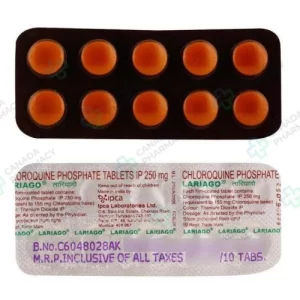
Chloroquine
Price range: $ 41,00 through $ 402,00
Active substance: Chloroquine
More Details
This product has multiple variants. The options may be chosen on the product page

Eurax
Price range: $ 49,00 through $ 187,00
Active substance: Crotamiton
More Details
This product has multiple variants. The options may be chosen on the product page

Furazolidone
Price range: $ 6,00 through $ 27,00
Active substance: Furazolidone
More Details
This product has multiple variants. The options may be chosen on the product page

Lariam
Price range: $ 60,00 through $ 1 620,00
Active substance: mefloquine
More Details
This product has multiple variants. The options may be chosen on the product page
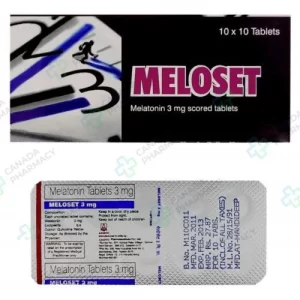
Melatonin
Anti-Inflammatories, AntiConvulsants, AntiParasitics, Cancer, Dementias, HIV, Migraine, Osteoporosis, Respiratory Tract
Price range: $ 46,00 through $ 201,00
Active substance: Melatonin
More Details
This product has multiple variants. The options may be chosen on the product page
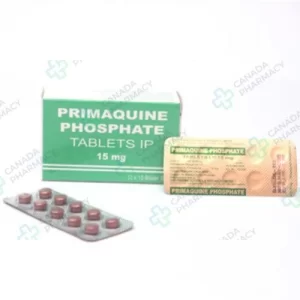
Primaquine
Price range: $ 56,00 through $ 449,00
Active substance: Primaquine
More Details
This product has multiple variants. The options may be chosen on the product page
Stromectol
Price range: $ 50,00 through $ 1 000,00
Active substance: Ivermectin
More Details
This product has multiple variants. The options may be chosen on the product page