

-45%
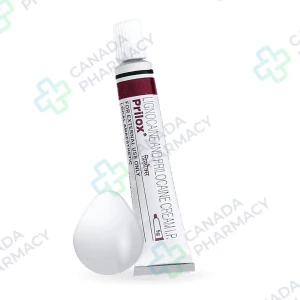
Prilox Cream
Price range: $ 62,00 through $ 184,00
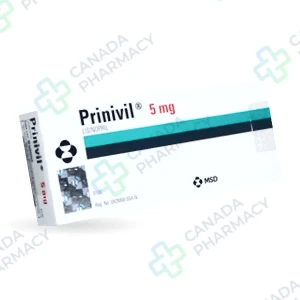
Prinivil
Price range: $ 40,00 through $ 285,00
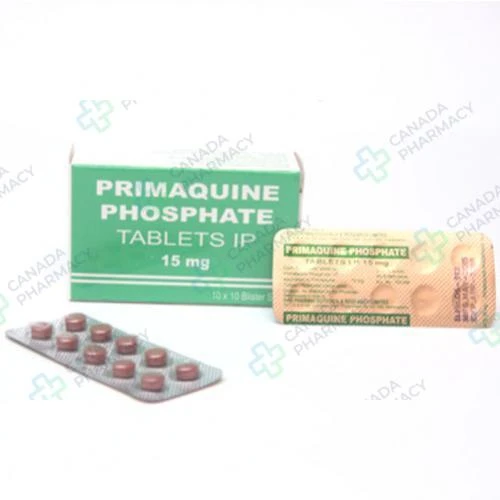
Primaquine
Price range: $ 56,00 through $ 449,00
Primaquine is a highly effective antimalarial medication specifically designed to target and eliminate the dormant liver stages of certain malaria parasites. It is primarily utilized for the radical cure of Plasmodium vivax and Plasmodium ovale infections to prevent a relapse of the disease. By eradicating these hidden parasites within the body, the medication ensures a more comprehensive recovery and long-term protection. Additionally, it serves as a valuable option for malaria prophylaxis for individuals traveling to high-risk geographic regions. These tablets provide a dependable defense against mosquito-borne illnesses, supporting overall health and recovery for those at risk.
Active substance: Primaquine
Delivery: 5–21 days (depending on the shipping method)
Extra 10% discount with coupon: IT4K6SVM
Each dosage option has its own packaging choices.
Description
Primaquine phosphate belongs to the class of 8-aminoquinoline antimalarial agents. It is prescribed by healthcare providers primarily for the radical cure and prevention of relapse of Plasmodium vivax and Plasmodium ovale malaria. As a prescription medication in the United States, its dispensing and administration are governed by federal regulations, requiring a direct order from a licensed healthcare professional.
Unlike antimalarial agents that target blood-stage parasites, primaquine acts against the dormant liver stages (hypnozoites) of specific plasmodial species. Before initiating therapy, clinical guidelines mandate laboratory screening for glucose-6-phosphate dehydrogenase (G6PD) deficiency to prevent potentially severe hematologic adverse effects.
| Property | Specification |
|---|---|
| Active Ingredient | Primaquine phosphate (equivalent to primaquine base) |
| Therapeutic Class | 8-Aminoquinoline antimalarial |
| Dosage Form | Oral tablet |
| Route of Administration | Oral |
| Primary Purpose | Eradication of dormant liver-stage malaria parasites |
| Prescription Status | Prescription only (Rx) |
Clinical Overview
Main Uses
Primaquine phosphate is indicated for the radical cure (prevention of relapse) of hypnozoite-forming malarial infections caused by Plasmodium vivax and Plasmodium ovale. It is typically administered following or concurrently with a blood-stage schizontocide, such as chloroquine, which clears the asexual parasites from the bloodstream. In addition, it may be prescribed for terminal prophylaxis in individuals returning from areas endemic for P. vivax or P. ovale.
Under specific clinical protocols, primaquine phosphate is utilized off-label as an alternative therapy for mild-to-moderate Pneumocystis jirovecii pneumonia (PCP) in immunocompromised individuals when combined with clindamycin. When used for off-label indications, prescribing clinicians evaluate individual benefit-risk profiles based on clinical trial evidence and infectious disease guidelines.
How the drug works
Primaquine exerts its antimalarial action by targeting the exoerythrocytic tissue stage of the parasite located within human hepatocytes. While its exact molecular target continues to be evaluated, evidence demonstrates that the compound undergoes intracellular oxidation, generating reactive oxygen species (ROS) and interfering with the electron transport chain in parasite mitochondria. This disruption deprives dormant hypnozoites of essential metabolic energy, halting their development and preventing reactivation into the blood-stage infection cycle.
How it’s absorbed and eliminated
Following oral administration, primaquine phosphate is rapidly and almost completely absorbed from the gastrointestinal tract. Peak plasma concentrations of the parent compound are achieved within 1 to 3 hours after ingestion. The drug undergoes extensive metabolic transformation in the liver, yielding primary metabolites such as carboxyprimaquine, which accumulates to higher levels in circulation than the parent drug.
The elimination half-life of unchanged primaquine ranges from 4 to 6 hours, whereas carboxyprimaquine exhibits a significantly longer terminal half-life. Metabolism occurs primarily through hepatic enzymatic pathways, with minimal unchanged drug excreted in the urine. Because of its rapid systemic clearance, daily administration is necessary throughout the therapeutic course.
Clinical Administration and Safety
Important Precautions
The principal safety concern associated with primaquine phosphate is the risk of acute hemolytic anemia in patients with glucose-6-phosphate dehydrogenase (G6PD) deficiency. Because G6PD protects red blood cells against oxidative stress, administration of oxidative drugs like primaquine to deficient individuals leads to rapid intravascular hemolysis, hemoglobinuria, and potentially severe renal impairment. A quantitative or qualitative G6PD enzyme assay must be conducted before initiating treatment.
In patients with NADH methemoglobin reductase deficiency, primaquine can induce methemoglobinemia, a condition wherein hemoglobin is oxidized to methemoglobin, reducing oxygen-carrying capacity. Furthermore, primaquine is contraindicated in patients with acute systemic diseases marked by granulocytopenia, or those receiving concurrent medications known to suppress bone marrow function or induce hemolysis.
Adverse Reactions
Adverse events associated with primaquine phosphate range from mild gastrointestinal symptoms to serious hematologic complications. The severity often correlates with the patient’s underlying enzyme activity and total daily dosage.
- Gastrointestinal effects: Nausea, vomiting, epigastric distress, abdominal pain, and loss of appetite. Taking the tablet with meals significantly reduces digestive discomfort.
- Hematologic effects: Methemoglobinemia (manifesting as cyanosis or duskiness of skin and lips), mild to severe hemolytic anemia in G6PD-deficient patients, and leukopenia.
- Central nervous system effects: Occasional reports of dizziness, headache, or visual disturbances.
- Dermatologic effects: Pruritus, mild skin rash, or urticaria.
Dosing schedule
The dosage of primaquine phosphate must be individualized based on the patient’s body weight, G6PD activity status, and clinical objective. For the radical cure of P. vivax or P. ovale, standard adult regimens involve the oral administration of 15 mg of primaquine base (equivalent to 26.3 mg of primaquine phosphate) once daily for 14 consecutive days. Higher dosages or extended durations may be indicated for specific geographic strains of P. vivax showing reduced susceptibility, as directed by a healthcare provider.
Compatibility with other medicines
Primaquine phosphate should not be administered concurrently with other agents that cause bone marrow suppression or hemolysis. Quinacrine (an older antimalarial) significantly increases the plasma concentrations and toxicity of primaquine; therefore, concurrent use or recent administration of quinacrine is contraindicated. Patients should disclose all prescription medications, over-the-counter products, and dietary supplements to their healthcare provider prior to starting therapy.
What to avoid while taking it
To minimize gastrointestinal irritation, patients are advised to avoid taking primaquine on an empty stomach. Consuming alcohol while undergoing primaquine therapy is discouraged, as both alcohol and primaquine metabolites undergo hepatic processing, potentially placing additional burden on liver function.
Special populations
Primaquine is contraindicated during pregnancy. The drug crosses the placenta and can cause severe hemolysis in a G6PD-deficient fetus, whose enzyme status cannot be determined prior to birth. Female patients of childbearing potential should verify non-pregnancy status before starting treatment. Nursing mothers should exercise caution, as it is unknown to what extent primaquine passes into human breast milk; infant G6PD status must be confirmed normal before maternal use.
Signs of improvement
Clinical efficacy is evaluated by the persistent absence of malarial parasites in follow-up blood smears and the resolution of relapsing fever spikes over long-term monitoring. Because primaquine targets the liver stage rather than active blood parasites, immediate fever reduction during an acute attack depends on the concurrent blood-stage antimalarial treatment.
Red flags
Patients receiving primaquine must monitor for physical signs of oxidative blood damage. Darkened or tea-colored urine, sudden paleness, yellowing of the skin or eyes (jaundice), and unusual fatigue require immediate cessation of the drug and urgent medical evaluation.
| Warning Sign | Potential Medical Cause | Recommended Action |
|---|---|---|
| Dark, brownish, or tea-colored urine | Acute intravascular hemolysis / Hemoglobinuria | Stop medication immediately; seek emergency care |
| Sudden fatigue, pallor, or shortness of breath | Severe anemia or reduced oxygen transport | Contact healthcare provider immediately |
| Blue or grayish coloration of lips, nails, or skin | Methemoglobinemia | Seek urgent medical assessment |
| Yellowing of eyes or skin (jaundice) | Hepatic overload or hemolytic crisis | Seek immediate medical evaluation |
| Severe skin eruption, hives, or swelling | Acute hypersensitivity reaction | Discontinue use and seek emergency services |
Q&A
Why is a G6PD blood test necessary before taking primaquine?
Primaquine causes oxidative stress on red blood cells. In individuals with G6PD deficiency, the body cannot neutralize this oxidative stress, leading to the rapid destruction of red blood cells (hemolytic anemia). Performing a G6PD test before treatment ensures that the patient can process the medication safely without developing severe blood complications.
What should be done if dark urine or extreme tiredness develops during treatment?
Dark or tea-colored urine and sudden severe fatigue are classic indicators of red blood cell breakdown (hemolysis). If these symptoms occur, stop taking primaquine immediately and seek emergency medical evaluation to check hemoglobin levels and kidney function.
Can primaquine be taken alone to treat an active fever caused by malaria?
No. Primaquine specifically targets the liver stage (hypnozoites) of P. vivax and P. ovale parasites. It is not effective as a standalone treatment for acute blood-stage malaria infections, which require a blood schizontocide such as chloroquine or artemisinin-based combination therapy to resolve active symptoms.
What happens if a dose of primaquine is missed?
If a dose is missed, it should be taken as soon as remembered on the same day with food. If it is close to the time for the next scheduled dose, skip the missed dose and resume the regular dosing schedule. Double doses should never be taken to compensate for a missed tablet.
Is primaquine safe for use during pregnancy?
Primaquine is contraindicated during pregnancy because it crosses the placenta. If the fetus is G6PD deficient, primaquine exposure in utero can lead to severe fetal hemolytic anemia. Pregnant women exposed to P. vivax or P. ovale are typically managed with suppressive therapies until after delivery.
This material is educational. Only a licensed prescriber can determine whether a medication is appropriate for you.
In accordance with FDA requirements.
Additional information
| Dosage |
7.5 mg ,15 mg |
|---|---|
| Package |
30 pills ,60 pills ,90 pills ,120 pills ,180 pills ,270 pills ,360 pills |
| Ενεργός Ουσία |
Related products
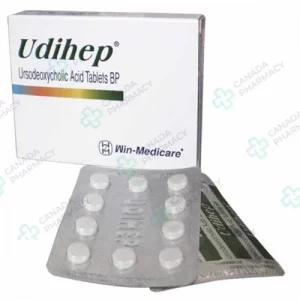
Actigall
Price range: $ 60,00 through $ 521,00
Active substance: Ursodiol
More Details
This product has multiple variants. The options may be chosen on the product page
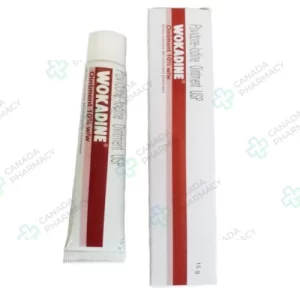
Betadine
Price range: $ 7,00 through $ 12,00
Active substance: Povidone Iodine
More Details
This product has multiple variants. The options may be chosen on the product page
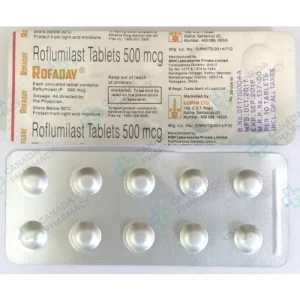
Daliresp
Price range: $ 68,00 through $ 220,00
Active substance: Roflumilast
More Details
This product has multiple variants. The options may be chosen on the product page
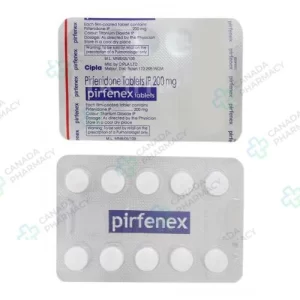
Esbriet
Price range: $ 100,00 through $ 328,00
Active substance: Pirfenidone
More Details
This product has multiple variants. The options may be chosen on the product page
LDN
Price range: $ 81,00 through $ 266,00
Active substance: Naltrexone
More Details
This product has multiple variants. The options may be chosen on the product page
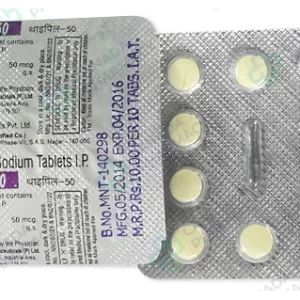
Levothroid
Price range: $ 42,00 through $ 144,00
Active substance: Levothyroxine sodium
More Details
This product has multiple variants. The options may be chosen on the product page
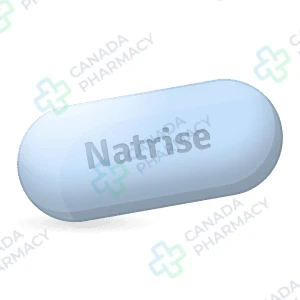
Natrise
Price range: $ 45,00 through $ 115,00
Active substance: Tolvaptan
More Details
This product has multiple variants. The options may be chosen on the product page