

-53%
Primaquine
Price range: $ 56,00 through $ 449,00
Pristiq
Price range: $ 73,00 through $ 561,00
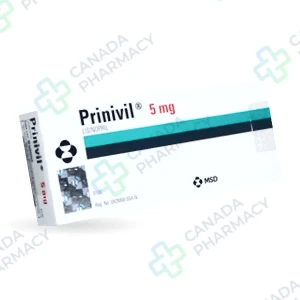
Prinivil
Price range: $ 40,00 through $ 285,00
Prinivil is a high-quality ACE inhibitor primarily used to manage hypertension and lower the risk of serious cardiovascular events. It works by relaxing the blood vessels, which allows blood to flow more smoothly and reduces the workload on the heart. Beyond treating high blood pressure, this medication is effectively used as an adjunctive therapy for managing heart failure. It is also clinically proven to improve survival rates when administered following an acute heart attack. Regular use of Prinivil helps protect long-term health by preventing complications such as strokes and kidney damage.
Active substance: lisinopril
Delivery: 5–21 days (depending on the shipping method)
Extra 10% discount with coupon: IT4K6SVM
Each dosage option has its own packaging choices.
Description
Prinivil belongs to a class of medications known as angiotensin-converting enzyme (ACE) inhibitors, which exert their primary pharmacological effect on the renin-angiotensin-aldosterone system. Available by prescription only in the United States, this medication helps relax blood vessels and lower peripheral vascular resistance to assist in blood pressure management.
It is indicated for the treatment of hypertension, post-myocardial infarction management, and as an adjunctive treatment for heart failure. Dosage administration must be strictly individualized and monitored by a licensed healthcare provider in accordance with federal and state regulations.
| Parameter | Specification |
|---|---|
| Active Ingredient | Lisinopril |
| Therapeutic Class | Angiotensin-Converting Enzyme (ACE) Inhibitor |
| Dosage Form | Oral Tablets (e.g., 2.5 mg, 5 mg, 10 mg, 20 mg) |
| Route of Administration | Oral |
| Prescription Status | Prescription (Rx) only |
| Primary Purpose | Management of high blood pressure and cardiovascular risk reduction |
Prinivil – What You Need to Know
Pharmacological Profile and Indications
Main uses
Prinivil is FDA-approved for three principal clinical indications. First, it is prescribed for the treatment of hypertension in adults and pediatric patients aged 6 years and older to reduce elevated systemic arterial pressure. Second, it serves as an adjunctive therapy in the management of heart failure in patients who have not responded adequately to diuretics and digitalis. Third, it is indicated to improve overall survival in hemodynamically stable patients within 24 hours of experiencing an acute myocardial infarction. Clinicians may occasionally prescribe Prinivil off-label for diabetic nephropathy to slow the progression of renal disease in diabetic patients; however, off-label indications require careful patient selection and specialized medical oversight.
How the drug works
The core mechanism of action of Prinivil relies on competitive inhibition of the angiotensin-converting enzyme (ACE). ACE facilitates the conversion of angiotensin I into angiotensin II, a potent endogenous vasoconstrictor that also stimulates aldosterone secretion by the adrenal cortex. By inhibiting ACE, Prinivil causes a decrease in circulatory angiotensin II, resulting in reduced vasopressor activity and lower aldosterone secretion. The attenuation of aldosterone leads to decreased sodium and water retention while supporting potassium retention. Consequently, vascular resistance declines, decreasing systemic blood pressure without causing a compensatory increase in heart rate.
How it’s absorbed and eliminated
Following oral administration, absorption of Prinivil is relatively slow, reaching peak serum concentrations within approximately 7 hours. The extent of absorption averages roughly 25% across the therapeutic dose range, although inter-patient variability exists. Unlike several other ACE inhibitors, Prinivil is a non-prodrug and does not undergo hepatic metabolism; it is cleared entirely unchanged via renal excretion. The effective accumulation half-life following multiple dosing is approximately 12 hours. Renal clearance is directly proportional to creatinine clearance, meaning patients with reduced kidney function exhibit prolonged elimination phases requiring dose adjustments.
Dosing, Safety, and Precautions
Dosing schedule
Dosage must be strictly tailored to the individual patient based on the underlying condition and baseline renal function. For adult hypertension, the typical starting dose is 10 mg administered orally once daily, which may be adjusted up to 40 mg daily depending on blood pressure response. If a patient is concurrently receiving a diuretic, a lower initial dose of 5 mg once daily is typically implemented to prevent sudden hypotension. In heart failure management, therapy usually initiates at 5 mg daily under close clinical monitoring. For post-myocardial infarction protocols, treatment begins with 5 mg within 24 hours of event onset, followed by 5 mg at 24 hours, 10 mg at 48 hours, and 10 mg daily thereafter. Patients must never alter their daily regimen without direct medical authorization.
What to avoid while taking it
Prinivil can be taken with or without food, as food intake does not significantly impair its systemic bioavailability. However, patients should avoid taking potassium supplements or using over-the-counter salt substitutes that contain potassium without consulting their prescribing physician, due to the risk of hyperkalemia. Alcohol consumption should be minimized or limited, as ethanol can compound the blood pressure-lowering effect of ACE inhibitors, increasing the likelihood of orthostatic hypotension, dizziness, or lightheadedness.
Compatibility with other medicines
Prinivil can interact significantly with several pharmacological classes. Concomitant administration of nonsteroidal anti-inflammatory drugs (NSAIDs), including selective COX-2 inhibitors, may decrease the antihypertensive efficacy of Prinivil and increase the risk of renal functional impairment. Combining Prinivil with potassium-sparing diuretics (such as spironolactone, triamterene, or amiloride) or potassium supplements markedly elevates the risk of serum hyperkalemia. Co-administration with lithium may lead to increased serum lithium concentrations and risk of lithium toxicity. Dual blockade of the renin-angiotensin system using angiotensin receptor blockers (ARBs) or aliskiren increases the risks of severe hypotension, hyperkalemia, and acute renal failure.
Adverse reactions
The clinical safety profile of Prinivil includes both common and infrequent adverse effects. Frequently reported side effects include dizziness, persistent non-productive dry cough, headache, excessive fatigue, and chest discomfort. Less commonly, patients may experience symptomatic hypotension, hyperkalemia, or mild elevations in serum creatinine and blood urea nitrogen (BUN). A rare but severe reaction associated with ACE inhibitors is angioedema involving the extremities, face, lips, mucous membranes, tongue, glottis, or larynx. Patients experiencing difficulty breathing or facial swelling must discontinue the drug immediately.
Red flags
Certain clinical signs require emergency medical evaluation. Patients should seek immediate medical attention if any of the following symptoms develop:
- Swelling of the face, lips, tongue, mucous membranes, or throat (angioedema)
- Severe difficulty breathing or swallowing
- Severe lightheadedness, syncope (fainting), or sudden extreme dizziness
- Signs of severe hyperkalemia, such as muscle weakness, slow pulse, or abnormal heart rhythms
- Yellowing of the skin or eyes (jaundice), which may indicate hepatic dysfunction
Important precautions
Prinivil carries a boxed warning regarding fetal toxicity. When pregnancy is detected, Prinivil must be discontinued as soon as possible, as drugs that act directly on the renin-angiotensin system can cause serious injury or death to the developing fetus. Special caution is required when administering this drug to patients with pre-existing renal impairment, renal artery stenosis, or severe volume depletion. Elderly patients and those undergoing hemodialysis with high-flux membranes must be monitored closely to prevent severe hypotensive or anaphylactoid reactions.
Missed dose
If a dose of Prinivil is missed, it should be taken as soon as remembered on that day. However, if it is nearly time for the next scheduled dose, the missed dose should be skipped entirely, and the normal dosing schedule resumed. Double doses should never be taken to compensate for a missed tablet.
Storage and expiration
Prinivil tablets should be stored at controlled room temperature between 15°C and 30°C (59°F to 86°F). Protect the medication from excessive moisture, heat, and direct light exposure. Keep the container tightly closed and out of reach of children and pets. Do not use tablets beyond the expiration date printed on the original packaging.
Q&A
Why does Prinivil cause a persistent dry cough in some patients?
The dry, non-productive cough associated with Prinivil is a known class effect of ACE inhibitors. It is caused by the inhibition of ACE, which normally breaks down endogenous bradykinin and substance P in the airways. Accumulation of bradykinin in the pulmonary tract can trigger a chronic cough reflex. If the cough becomes severe or unmanageable, patients should consult their healthcare provider for evaluation rather than stopping therapy abruptly.
Is routine blood testing necessary while taking Prinivil?
Yes, healthcare providers typically order routine blood tests during Prinivil therapy. Regular monitoring of serum creatinine, blood urea nitrogen (BUN), and serum potassium levels is essential to assess kidney function and detect electrolyte imbalances early. Blood pressure monitoring is also required to ensure optimal therapeutic efficacy and safety.
Can Prinivil be taken alongside routine over-the-counter pain relievers like ibuprofen?
Combining Prinivil with over-the-counter nonsteroidal anti-inflammatory drugs (NSAIDs) such as ibuprofen or naproxen requires extreme caution. Regular use of NSAIDs can decrease the blood pressure-lowering effect of Prinivil and place added stress on the kidneys, potentially leading to renal impairment. Patients should ask their doctor or pharmacist for safe pain management alternatives.
What happens if blood pressure drops too low while taking Prinivil?
Excessive drops in blood pressure (hypotension) can cause lightheadedness, dizziness, or fainting, especially when standing up rapidly. Hypotension is more likely to occur in patients who are dehydrated, taking concomitant high-dose diuretics, or undergoing dialysis. Patients experiencing frequent lightheadedness should lie down and notify their prescriber immediately to assess whether a dosage modification is warranted.
This text is for informational purposes only and does not constitute individual medical advice.
In accordance with FDA requirements.
Additional information
| Dosage |
2.5mg ,5mg ,10mg |
|---|---|
| Package |
30 pills ,60 pills ,90 pills ,120 pills ,180 pills ,270 pills ,360 pills |
| Ενεργός Ουσία |
Related products
Adalat
Price range: $ 41,00 through $ 267,00
Active substance: Nifedipine
More Details
This product has multiple variants. The options may be chosen on the product page
Altace
Price range: $ 40,00 through $ 322,00
Active substance: Ramipril
More Details
This product has multiple variants. The options may be chosen on the product page
Aquazide
Price range: $ 18,00 through $ 30,00
Active substance: hydrochlorothiazide
More Details
This product has multiple variants. The options may be chosen on the product page
Betapace
Price range: $ 9,00 through $ 260,00
Active substance: Sotalol
More Details
This product has multiple variants. The options may be chosen on the product page
Bystolic
Price range: $ 38,00 through $ 275,00
Active substance: Nebivolol
More Details
This product has multiple variants. The options may be chosen on the product page
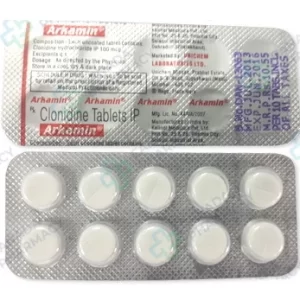
Clonidine
Price range: $ 40,00 through $ 95,00
Active substance: clonidine
More Details
This product has multiple variants. The options may be chosen on the product page

Ecosprin
Price range: $ 19,00 through $ 57,00
Active substance: aspirin
More Details
This product has multiple variants. The options may be chosen on the product page
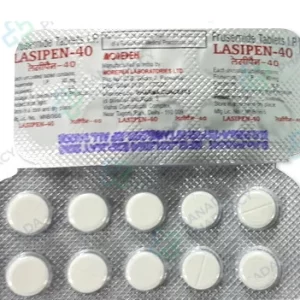
Furosemide
Price range: $ 46,00 through $ 193,00
Active substance: furosemide
More Details
This product has multiple variants. The options may be chosen on the product page