

-42%
Buspar
Price range: $ 40,00 through $ 118,00
Cabgolin
Price range: $ 134,00 through $ 356,00
Bystolic
Price range: $ 38,00 through $ 275,00
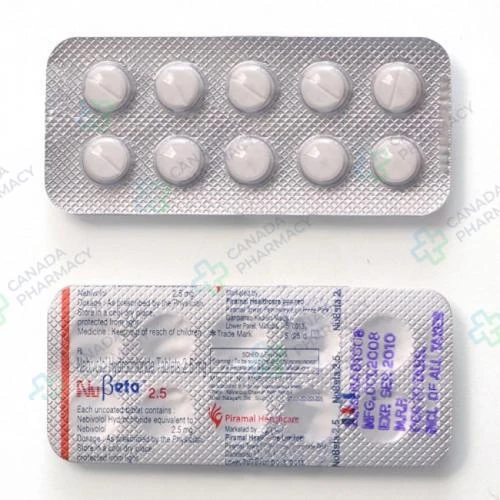
Bystolic is a highly selective beta-blocker primarily used for the effective management of hypertension. By relaxing the blood vessels and lowering the heart rate, this medication helps the body maintain a stable and healthy blood pressure level. Consistent use of this treatment plays a vital role in reducing the long-term risk of cardiovascular complications such as heart attacks and strokes. Its unique pharmacological profile allows for precise action, focusing on the cardiovascular system to improve overall circulation. This medication serves as a reliable option for individuals seeking to achieve their blood pressure goals and support their heart health.
Active substance: Nebivolol
Delivery: 5–21 days (depending on the shipping method)
Extra 10% discount with coupon: IT4K6SVM
Each dosage option has its own packaging choices.
Description
Bystolic belongs to a class of cardiovascular medications known as beta-adrenergic receptor blockers. It is an FDA-approved prescription medication indicated primarily for the management of hypertension (high blood pressure) in adults. Treatment with this drug requires individual evaluation and monitoring by a licensed healthcare provider.
Bystolic is available only with a valid prescription from a qualified clinician. Lowering elevated blood pressure helps reduce the overall cardiovascular workload and decreases the long-term risk of fatal and nonfatal vascular events, such as strokes and myocardial infarctions.
| Drug Name | Bystolic |
| Active Ingredient | Nebivolol (as nebivolol hydrochloride) |
| Therapeutic Class | Beta-Adrenergic Blocking Agent (cardioselective) |
| Dosage Form | Oral tablets (2.5 mg, 5 mg, 10 mg, 20 mg) |
| Route of Administration | Oral |
| Prescription Status | Prescription (Rx) only |
Drug Overview and Pharmacological Profile
How the drug works
The active ingredient in Bystolic, nebivolol, exhibits dual pharmacologic mechanisms. It acts as a highly selective beta-1 adrenergic receptor antagonist at lower to therapeutic doses. By blocking cardioselective beta-1 receptors, it attenuates heart rate and myocardial contractility, reducing cardiac output. Additionally, nebivolol induces endothelium-dependent vasodilation mediated by the L-arginine/nitric oxide pathway. Unlike non-selective beta-blockers, this dual action helps decrease peripheral vascular resistance while minimizing bronchospastic effects in peripheral tissues. At higher doses, its selectivity for beta-1 receptors decreases, potentially engaging beta-2 receptors in bronchial and vascular smooth muscle.
Main uses
Bystolic is officially approved by the U.S. Food and Drug Administration (FDA) for the treatment of hypertension to lower blood pressure. It may be administered alone as monotherapy or in combination with other antihypertensive agents, such as thiazide diuretics or angiotensin-converting enzyme (ACE) inhibitors. While clinicians sometimes prescribe beta-blockers off-label for conditions such as chronic heart failure, rate control in atrial fibrillation, or performance anxiety, these applications represent off-label uses for Bystolic in the United States and require specific clinical evaluation.
Dosage and Administration
The dosage of Bystolic must be individualized according to the patient’s blood pressure response and clinical tolerability. For most adult patients, the recommended starting dose is 5 mg taken orally once daily. Depending on blood pressure response, the dosage may be titrated at intervals of 2 weeks up to a maximum recommended dose of 40 mg once daily. Patients with severe renal impairment (creatinine clearance less than 30 mL/min) or moderate hepatic impairment should start at a reduced dose of 2.5 mg once daily. Tablets should be swallowed whole with fluid and may be taken with or without food.
Pharmacokinetics and Metabolism
Nebivolol is rapidly absorbed following oral administration, reaching peak plasma concentrations within 1.5 to 4 hours. The bioavailability and metabolic fate of the drug depend significantly on an individual’s genetic metabolic phenotype. Nebivolol is extensively metabolized by the liver primarily via the cytochrome P450 2D6 (CYP2D6) enzyme system through hydroxylation and glucuronidation. In extensive metabolizers (most of the population), the elimination half-life of nebivolol is approximately 10 to 12 hours, whereas in poor CYP2D6 metabolizers, the half-life extends to approximately 30 hours. Excretion occurs via both renal (urine) and biliary (feces) routes as active and inactive metabolites.
Compatibility with other medicines
Co-administration of Bystolic with other pharmacological agents can alter therapeutic efficacy or increase the risk of adverse reactions. Strong inhibitors of the CYP2D6 enzyme system–such as fluoxetine, paroxetine, quinidine, or propafenone–can substantially increase plasma concentrations of nebivolol, necessitating careful dosage adjustments. Concomitant use with myocardial depressants or AV conduction inhibitors, including calcium channel blockers (such as verapamil or diltiazem) and antiarrhythmic drugs, increases the risk of bradycardia, severe hypotension, and heart block. Additionally, combining Bystolic with clonidine requires caution; stopping clonidine abruptly while on a beta-blocker may precipitate severe rebound hypertension.
Adverse reactions
Clinical trials and post-marketing surveillance indicate that Bystolic is generally well tolerated, though adverse reactions may occur. The most frequently reported side effects include headache, fatigue, dizziness, diarrhea, and peripheral edema. Because nebivolol reduces heart rate, bradycardia (abnormally slow heart rate) can develop. Less common adverse effects include insomnolence, dyspnea, paresthesia, nausea, and rash. Patients with diabetes mellitus should be aware that beta-blockers may mask symptoms of acute hypoglycemia, particularly tachycardia and tremors, although dizziness and sweating are typically not concealed.
Safety Profile and Frequently Asked Questions
Warnings and Precautions
Abrupt discontinuation of Bystolic must be strictly avoided. Sudden cessation of beta-blockers can lead to severe exacerbation of angina, myocardial infarction, or ventricular arrhythmias, particularly in patients with underlying coronary artery disease. If discontinuation is necessary, the dosage should be gradually tapered over 1 to 2 weeks under direct medical supervision. Caution is advised in patients with bronchospastic diseases (such as asthma or COPD), compensated heart failure, peripheral vascular disease, or pheochromocytoma. Safety and effectiveness in pediatric patients have not been established.
Red flags
Patients taking Bystolic should seek immediate emergency medical care if they experience severe or life-threatening symptoms. Critical warning signs include:
- Unexplained shortness of breath or sudden difficulty breathing
- Severe, crushing chest pain or rapid worsening of angina
- Extreme dizziness, lightheadedness, or fainting (syncope)
- Signs of severe bradycardia (resting heart rate falling below 45 beats per minute)
- Swelling of the face, lips, tongue, or throat indicative of a hypersensitivity reaction
If you skip a dose
If a dose of Bystolic is missed, it should be taken as soon as remembered on the same day. However, if it is almost time for the next scheduled dose, skip the missed dose and resume the regular daily dosing schedule. Double doses should never be taken to compensate for a missed tablet, as this increases the risk of excessive hypotension or severe bradycardia.
Practical tips
To ensure optimal blood pressure control, Bystolic should be taken consistently at approximately the same time each day. Patients are encouraged to maintain a daily log of blood pressure and heart rate measurements to share with their prescribing clinician. When rising from a sitting or lying position, stand up slowly to minimize orthostatic lightheadedness. Avoid consuming excessive alcohol, which can potentiate the blood pressure-lowering effect.
Storage and expiration
Store Bystolic tablets at controlled room temperature between 20°C and 25°C (68°F to 77°F), with excursions permitted between 15°C and 30°C (59°F to 86°F). Keep the bottle tightly closed and protect the medication from excessive moisture and heat. Do not use tablets past the expiration date printed on the package, and keep the drug out of reach of children.
Common Questions
Can Bystolic be stopped suddenly if blood pressure returns to normal ranges?
No, Bystolic must not be stopped abruptly. Discontinuing beta-blocker therapy suddenly can trigger a dangerous rebound increase in blood pressure, angina, or even cardiac events in individuals with underlying coronary artery disease. If stopping the drug is clinically necessary, your prescriber will provide a structured protocol to taper the dose step-by-step over one to two weeks.
How does Bystolic differ from older traditional beta-blockers?
Bystolic (nebivolol) is a cardioselective beta-blocker that exhibits dual action. Unlike older non-selective beta-blockers, it shows high selectivity for beta-1 receptors in heart tissue and additionally stimulates endothelial nitric oxide release. This dual mechanism promotes peripheral vasodilation and generally results in fewer metabolic side effects compared to non-selective agents.
Is it safe to drink alcohol while taking Bystolic?
Alcohol consumption can interact with Bystolic by enhancing its blood pressure-lowering effects, which may increase the likelihood of dizziness, lightheadedness, or fainting. It is advisable to limit or avoid alcohol intake and discuss individual alcohol consumption with a healthcare provider.
Can Bystolic mask the signs of low blood sugar in diabetic patients?
Yes. Like other beta-blockers, Bystolic can mask key warning symptoms of hypoglycemia (low blood sugar), such as rapid heartbeat (tachycardia) and tremors. However, symptoms such as diaphoresis (sweating) and dizziness are typically not masked. Diabetic patients should monitor blood glucose levels regularly during therapy.
Does Bystolic need to be taken with food?
Bystolic can be taken either with meals or on an empty stomach. Clinical pharmacokinetic studies show that food does not significantly alter the absorption or overall systemic exposure of nebivolol. Consistency in daily administration habits helps maintain steady therapeutic blood levels.
This content is informational and does not replace a consultation with your doctor or pharmacist. In accordance with FDA requirements.
Additional information
| Dosage |
2.5 mg ,5mg ,10 mg |
|---|---|
| Package |
30 pills ,60 pills ,90 pills ,120 pills ,180 pills ,270 pills ,360 pills |
| Ενεργός Ουσία |
Related products
Aquazide
Price range: $ 18,00 through $ 30,00
Active substance: hydrochlorothiazide
More Details
This product has multiple variants. The options may be chosen on the product page
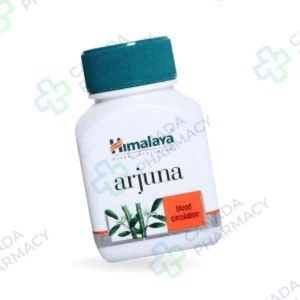
Arjuna
Price range: $ 63,00 through $ 72,00
Active substance: Arjuna (Terminalia arjuna) bark extract
More Details
This product has multiple variants. The options may be chosen on the product page
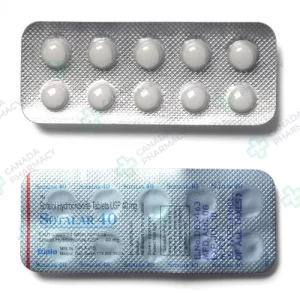
Betapace
Price range: $ 9,00 through $ 260,00
Active substance: Sotalol
More Details
This product has multiple variants. The options may be chosen on the product page
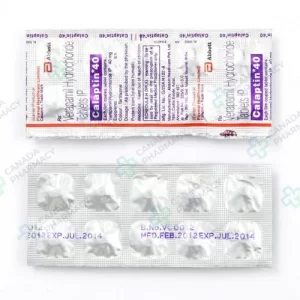
Calan
Price range: $ 46,00 through $ 242,00
Active substance: Verapamil
More Details
This product has multiple variants. The options may be chosen on the product page
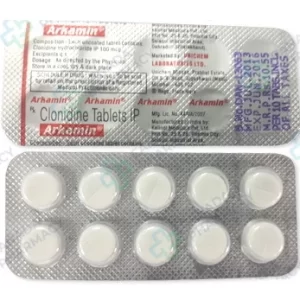
Clonidine
Price range: $ 40,00 through $ 95,00
Active substance: clonidine
More Details
This product has multiple variants. The options may be chosen on the product page
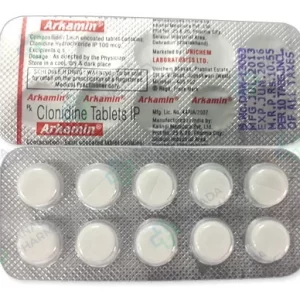
Combipres
Price range: $ 50,00 through $ 202,00
Active substance: chlorthalidone, clonidine hydrochloride
More Details
This product has multiple variants. The options may be chosen on the product page
Doxazosin
Price range: $ 42,00 through $ 332,00
Active substance: Doxazosin
More Details
This product has multiple variants. The options may be chosen on the product page
Ecosprin
Price range: $ 19,00 through $ 57,00
Active substance: aspirin
More Details
This product has multiple variants. The options may be chosen on the product page