

-31%
Acticin
Price range: $ 50,00 through $ 103,00
Actonel
Price range: $ 187,00 through $ 230,00
Actigall
Price range: $ 60,00 through $ 521,00
Actigall is a specialized medication primarily used to dissolve small to medium-sized cholesterol gallstones in patients who cannot undergo surgery. The active ingredient, ursodiol, works by reducing the amount of cholesterol produced by the liver and absorbed by the intestines. It is also highly effective in preventing gallstone formation in individuals undergoing rapid weight loss. Furthermore, Actigall is indicated for the treatment of primary biliary cholangitis, a chronic condition affecting the bile ducts within the liver. By promoting healthy bile flow, this treatment helps support overall hepatic function and digestive wellness.
Active substance: Ursodiol
Delivery: 5–21 days (depending on the shipping method)
Extra 10% discount with coupon: IT4K6SVM
Each dosage option has its own packaging choices.
Description
Actigall belongs to a group of medicines known as gallstone solubilizing agents, containing ursodiol as its active pharmaceutical ingredient. It is prescribed for specific biliary tract conditions, including the dissolution of certain gallstones and prevention of gallstone formation, under the direct supervision of a licensed physician. This prescription drug is dispensed in accordance with applicable United States federal and state regulatory requirements.
Understanding the proper administration, pharmacokinetics, potential drug interactions, and precautionary measures associated with Actigall helps ensure treatment accuracy and patient safety throughout the therapeutic period. Patients should consult their prescribing physician or pharmacist for individualized advice tailored to their specific medical condition.
Basic Information Overview
| Parameter | Details |
|---|---|
| Active Ingredient (INN) | Ursodiol (ursodeoxycholic acid) |
| Therapeutic Class | Gallstone solubilizing agent / Bile acid derivative |
| Dosage Form | Oral capsule (300 mg) |
| Route of Administration | Oral |
| Prescription Status | Prescription only (Rx) |
| Primary Purpose | Dissolution of radiolucent gallstones; gallstone prevention during rapid weight loss |
| Storage Conditions | Store at room temperature 20°C to 25°C (68°F to 77°F) |
Mechanism of Action
Actigall contains ursodiol, a naturally occurring secondary bile acid present in small quantities in human bile. The drug acts by suppressing hepatic synthesis and secretion of cholesterol into bile, while also inhibiting the intestinal absorption of dietary cholesterol. Through these mechanisms, ursodiol reduces the cholesterol saturation index of bile, converting it from a supersaturated state to an unsaturated state favorable for cholesterol solubilization.
Over extended periods of administration, ursodiol facilitates the gradual dispersion and dissolution of cholesterol from existing gallstones. The drug exerts its therapeutic effect directly within the biliary matrix without suppressing endogenous bile acid synthesis. It does not dissolve pigment stones or calcified radiopaque gallstones, as its physical-chemical action is specific to cholesterol-rich matrices.
Main Uses
Actigall is indicated by the United States Food and Drug Administration (FDA) for the dissolution of radiolucent, non-calcified gallstones smaller than 20 mm in maximal diameter in patients who are unsuitable candidates for elective cholecystectomy due to systemic disease, surgical risk factors, or personal refusal of surgery.
Additionally, Actigall is approved for the prevention of gallstone formation in obese individuals undergoing rapid weight reduction associated with low-calorie diet regimens or bariatric surgical procedures. Any utilization of ursodiol for chronic cholestatic liver conditions, such as primary biliary cholangitis, should be evaluated by a gastroenterologist, as specific dosage formulations and approved label indications differ depending on the specific product brand and patient clinical profile.
Dosing Schedule
The dosage of Actigall must be determined individually by a licensed healthcare provider based on body weight, clinical indication, and diagnostic evaluation. For gallstone dissolution, the standard recommended dosage typically ranges from 8 to 10 mg/kg of body weight per day, divided into two or three doses administered with food.
For the prevention of gallstones during rapid weight loss, the conventional dosage in adults is 300 mg taken twice daily. Treatment duration for stone dissolution generally requires several months, frequently ranging from 6 to 24 months, accompanied by periodic ultrasound monitoring to confirm dissolution progress. Patients are advised not to alter dosages or discontinue therapy prematurely without direct clinical instruction.
How It Works in the Body
Following oral administration, ursodiol is rapidly absorbed from the small intestine via passive uptake mechanisms, with systemic absorption estimated at approximately 90%. Upon entry into the portal circulation, ursodiol undergoes extensive first-pass hepatic extraction, where it is conjugated with glycine or taurine before being excreted into bile.
Conjugated ursodiol enters the enterohepatic circulation, accumulating in gallbladder bile with repeated dosing. Under continuous administration, ursodiol constitutes up to 30% to 50% of total biliary bile acids. Small amounts of unabsorbed ursodiol pass into the colon, where bacterial dehydroxylation converts it to lithocholic acid. Lithocholic acid is partially absorbed, transported to the liver, sulfated, and subsequently excreted in feces, limiting systemic accumulation.
Compatibility With Other Medicines
Certain classes of medications can significantly impair the therapeutic efficacy of Actigall or alter its absorption profile. Bile acid sequestrants, such as cholestyramine and colestipol, bind ursodiol directly within the gastrointestinal lumen, preventing its absorption; therefore, simultaneous administration must be avoided, or dosing times must be separated by several hours.
Aluminum-based antacid preparations similarly adsorb bile acids and can reduce the bioavailability of Actigall. Furthermore, medications that increase biliary cholesterol secretion–including estrogens, oral contraceptives, and lipid-lowering fibrates such as clofibrate–may counteract the cholesterol-lowering effect of ursodiol in bile, potentially reducing the rate of gallstone dissolution.
Adverse Reactions
Actigall is generally well tolerated, though gastrointestinal side effects may occur during therapy. The most frequently reported adverse event is diarrhea or loose stools, resulting from unabsorbed bile acids reaching the colon. Other reported gastrointestinal symptoms include mild nausea, abdominal discomfort, dyspepsia, and constipation.
Dermatologic reactions such as mild pruritus, dry skin, or transient rash have occasionally been reported. Rare laboratory changes include transient elevations in serum transaminases (AST, ALT) or alkaline phosphatase. Patients experiencing severe or persistent gastrointestinal distress or allergic symptoms should contact their healthcare provider promptly.
What to Expect When Starting Treatment
During the initial weeks of Actigall therapy, patients typically notice minimal physical sensation, as gallstone dissolution occurs gradually over months rather than days. Mild alterations in bowel habits, such as softer stools, may develop during early treatment as the digestive system adjusts to altered bile acid concentration.
Regular diagnostic evaluations, including ultrasound examinations of the gallbladder every 6 to 12 months, are standard clinical practice to measure stone reduction. It is essential to understand that symptomatic relief from biliary colic may not occur immediately, and adherence to prescribed daily schedules is required for therapeutic success.
Food and Alcohol Considerations
Actigall capsules should ideally be taken with meals or snacks. Co-administration with food enhances gallbladder contraction and facilitates bile secretion, optimizing the enterohepatic recycling of ursodiol.
While ethanol does not exhibit a direct chemical interaction with ursodiol, excessive alcohol consumption can adversely affect hepatic function and lipid metabolism. Patients receiving treatment for biliary or hepatic disorders should discuss dietary modifications and alcohol consumption limits with their managing physician.
If You Skip a Dose
If a dose of Actigall is missed, it should be taken as soon as remembered, provided it is taken with food. However, if it is nearly time for the next scheduled dose, the missed dose should be skipped, and the regular dosing schedule should be resumed.
Patients should never take two doses at the same time or double the prescribed quantity to compensate for a missed capsule. Maintaining a consistent daily routine helps preserve steady biliary levels of ursodiol required for optimal dissolution activity.
Storage and Expiration
Actigall capsules should be stored in a controlled room environment between 20°C and 25°C (68°F to 77°F), with temporary excursions permitted between 15°C and 30°C (59°F and 86°F). Keep the container tightly closed to protect the contents from excessive moisture and light.
Medications must be stored securely out of the reach and sight of children and pets. Do not use Actigall past the expiration date printed on the commercial container or prescription label. Unused or expired medication should be disposed of in accordance with local pharmaceutical waste guidelines.
Important Precautions
Actigall is contraindicated in patients with known hypersensitivity to ursodiol or any bile acid derivative. It must not be used in individuals with compelling indications for surgery, such as acute cholecystitis, cholangitis, biliary obstruction, gallstone pancreatitis, or biliary-gastrointestinal fistula. Patients with calcified radiopaque gallstones or non-visualizing gallbladders are not candidates for ursodiol therapy.
Liver function tests, including serum transaminases and bilirubin, should be conducted before initiating therapy and periodically during treatment as deemed necessary by the prescriber. Caution is advised in pregnant or nursing women, as safety during pregnancy and lactation has not been fully established; administration in these populations should occur only when clinical benefit clearly outweighs risk.
Frequently Asked Questions
How long does it typically take for Actigall to dissolve gallstones?
Dissolution of cholesterol gallstones with Actigall is a gradual process. Complete dissolution usually requires between 6 and 24 months of continuous daily therapy, depending on stone size, composition, and gallbladder motility. Regular ultrasound assessments are necessary to monitor progress.
Can Actigall be taken at the same time as antacids?
Antacids containing aluminum hydroxide or combined aluminum-magnesium compounds can bind ursodiol in the digestive tract and impair its absorption. If antacid therapy is required, it should be administered at least 2 hours before or 2 hours after taking Actigall.
Is routine blood testing required while taking Actigall?
Yes, healthcare providers typically order baseline hepatic function tests (such as AST and ALT) prior to starting Actigall, followed by periodic laboratory monitoring during treatment to evaluate liver function and monitor treatment safety.
What happens if gallstones do not dissolve after prolonged treatment?
If ultrasound monitoring shows no partial dissolution of gallstones after 12 months of compliance with Actigall therapy, the likelihood of successful stone dissolution decreases significantly. In such cases, the prescribing physician will re-evaluate the treatment plan and discuss alternative management options.
Does Actigall prevent gallstones from recurring after treatment stops?
Once Actigall is discontinued, bile saturation levels return to baseline, and gallstones may recur in susceptible individuals. Long-term dietary management or medical follow-up may be recommended by your provider to monitor for recurrence.
In accordance with FDA regulatory standards.
This text is for informational purposes only and does not constitute individual medical advice.
Additional information
| Dosage |
150mg ,300mg |
|---|---|
| Package |
30 tabs ,60 tabs ,90 tabs ,120 tabs ,180 tabs ,360 tabs |
| Ενεργός Ουσία |
Related products
Aciphex
Price range: $ 45,00 through $ 274,00
Active substance: Rabeprazole
More Details
This product has multiple variants. The options may be chosen on the product page
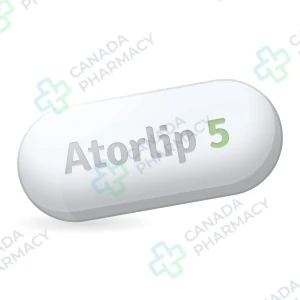
Atorlip 5
Price range: $ 43,00 through $ 157,00
Active substance: Atorvastatin
More Details
This product has multiple variants. The options may be chosen on the product page
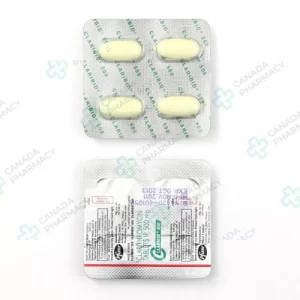
Biaxin
Price range: $ 107,00 through $ 427,00
Active substance: Clarithromycin
More Details
This product has multiple variants. The options may be chosen on the product page
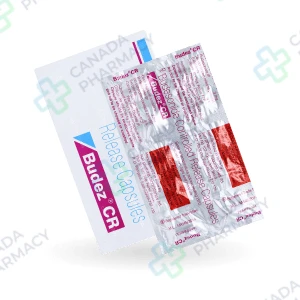
Budez CR
Price range: $ 23,00 through $ 108,00
Active substance: Budesonide
More Details
This product has multiple variants. The options may be chosen on the product page
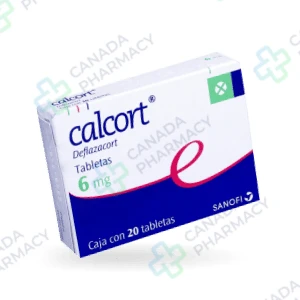
Calcort
Price range: $ 54,00 through $ 430,00
Active substance: Deflazacort
More Details
This product has multiple variants. The options may be chosen on the product page
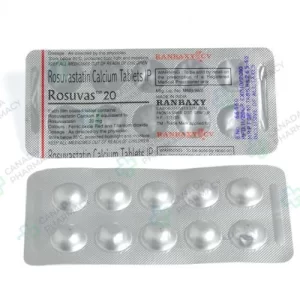
Crestor
Price range: $ 50,00 through $ 435,00
Active substance: Rosuvastatin
More Details
This product has multiple variants. The options may be chosen on the product page
Deltasone
Price range: $ 47,00 through $ 296,00
Active substance: Prednisone
More Details
This product has multiple variants. The options may be chosen on the product page
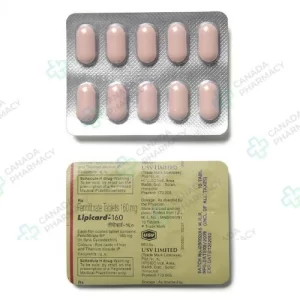
Tricor
Price range: $ 55,00 through $ 509,00
Active substance: Fenofibrate
More Details
This product has multiple variants. The options may be chosen on the product page