

-34%

Calcium Carbonate
Price range: $ 41,00 through $ 535,00
Candid B Lotion
Price range: $ 40,00 through $ 85,00
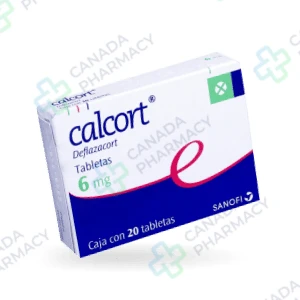
Calcort
Price range: $ 54,00 through $ 430,00
Calcort is a potent corticosteroid medication containing the active ingredient deflazacort. It works by reducing inflammation and modifying the body’s immune response to manage various chronic conditions. This medication is widely recognized for its effectiveness in treating Duchenne muscular dystrophy in both pediatric and adult patients. Additionally, it serves as a reliable treatment for severe allergic reactions, asthma, and various autoimmune disorders like rheumatoid arthritis. By alleviating swelling and discomfort, Calcort helps improve physical function and overall quality of life for those managing inflammatory diseases.
Active substance: Deflazacort
Delivery: 5–21 days (depending on the shipping method)
Extra 10% discount with coupon: IT4K6SVM
Each dosage option has its own packaging choices.
Description
Calcort (deflazacort) belongs to a class of medications known as systemic corticosteroids. It works primarily by suppressing systemic inflammation and modulating immune system responses in various acute and chronic inflammatory and autoimmune conditions.
In the United States, deflazacort is regulated by the Food and Drug Administration (FDA) as a prescription-only medication. Because systemic corticosteroids exert widespread physiological and metabolic effects throughout the body, treatment must be initiated and managed under the direct supervision of a licensed healthcare provider.
| Drug name | Calcort |
| Active ingredient (INN) | Deflazacort |
| Therapeutic class | Systemic Corticosteroid (Glucocorticoid) |
| Dosage form | Oral tablets, oral suspension |
| Route of administration | Oral |
| Prescription status | Prescription only (Rx) |
Pharmacological Overview and Clinical Uses
How the drug works
Deflazacort is an oxazoline derivative of prednisolone and functions as a prodrug. Following administration, it is rapidly converted into its active metabolite, 21-desacetyl-deflazacort. This active molecule binds to intracellular glucocorticoid receptors present in target tissues, forming a complex that translocates into the cell nucleus. Inside the nucleus, it alters gene transcription by suppressing the synthesis of pro-inflammatory cytokines, chemokines, and inflammatory enzymes such as cyclooxygenase-2. Furthermore, deflazacort decreases the activation, proliferation, and extravasation of circulating white blood cells, including T-lymphocytes, macrophages, and eosinophils. Through these combined cellular mechanisms, the drug effectively reduces vascular permeability, cellular exudation, and tissue damage associated with immune-mediated inflammatory processes.
What it’s used for
In the United States, deflazacort is FDA-approved specifically for the treatment of Duchenne muscular dystrophy (DMD) in patients aged 2 years and older to assist in preserving muscle strength and slowing the decline of motor function. In international clinical practice and as an off-label application in the United States, glucocorticoids such as deflazacort are sometimes utilized for severe rheumatic disorders (including rheumatoid arthritis and systemic lupus erythematosus), severe asthma flare-ups, chronic inflammatory bowel diseases, and inflammatory dermatoses. Any therapeutic application of deflazacort outside of its official FDA approval for Duchenne muscular dystrophy is considered an off-label use and requires careful individualized risk-benefit evaluation by a qualified prescriber.
Dosing schedule
The dosing regimen for Calcort is strictly individualized based on the patient’s underlying condition, body weight, clinical response, and tolerance. For the FDA-approved indication of Duchenne muscular dystrophy, standard weight-based dosing schedules generally start at approximately 0.9 mg/kg once daily administered orally. Tablets may be taken with or without food, though consistency in daily timing and food intake is recommended. Dose adjustments may be required when co-administering drugs that alter hepatic enzyme function. Patients must follow their prescriber’s exact instructions and must never abruptly stop taking the medication or adjust the dosage independently, as sudden discontinuation after prolonged use can trigger acute adrenal insufficiency.
What happens in the body
Upon oral administration, deflazacort is rapidly absorbed from the gastrointestinal tract and completely converted by plasma esterases to its active metabolite, 21-desacetyl-deflazacort. Peak plasma concentrations of this active metabolite are typically achieved within 1.5 to 2 hours post-ingestion. The active metabolite exhibits approximately 40% plasma protein binding, primarily to albumin. Metabolism occurs in the liver via the cytochrome P450 enzyme system, predominantly mediated by the CYP3A4 enzyme isoform. The plasma elimination half-life of 21-desacetyl-deflazacort ranges from 1.1 to 1.9 hours. Elimination occurs primarily through renal excretion, with the majority of metabolites excreted in the urine within 24 hours of administration.
Safety Profile, Precautions, and FAQs
Compatibility with other medicines
Co-administration of Calcort with potent CYP3A4 inhibitors (such as ketoconazole, clarithromycin, or itraconazole) increases systemic exposure to the active metabolite, elevating the risk of corticosteroid toxicity and side effects. Conversely, concurrent use of strong CYP3A4 inducers (such as rifampin, carbamazepine, or phenytoin) can accelerate the metabolic clearance of deflazacort, potentially reducing its therapeutic effectiveness and requiring dose adjustments. Combining systemic corticosteroids with nonsteroidal anti-inflammatory drugs (NSAIDs) increases the risk of gastrointestinal mucosal injury, peptic ulcers, and bleeding. Additionally, deflazacort can diminish the immune response to vaccines; administration of live or live-attenuated vaccines is generally contraindicated during therapy due to the risk of vaccine-derived infection.
Adverse reactions
Common adverse reactions associated with deflazacort therapy include weight gain, increased appetite, facial rounding (Cushingoid appearance), central obesity, upper respiratory tract infections, hyperhidrosis, and mild mood alterations. Patients may also experience dermatologic changes such as skin thinning, easy bruising, acne, and hypertrichosis. Metabolic reactions include elevated blood glucose levels and fluid retention. Long-term use of systemic corticosteroids is associated with serious systemic adverse effects, including bone mineral density loss (osteopenia and osteoporosis), growth suppression in pediatric populations, hypertension, cataracts, glaucoma, and heightened susceptibility to opportunistic infections. Patients should seek prompt medical attention if they experience signs of infection, persistent severe abdominal pain, visual disturbances, or severe muscle weakness.
Important precautions
Prolonged administration of Calcort leads to suppression of the hypothalamic-pituitary-adrenal (HPA) axis. Sudden withdrawal after chronic therapy can precipitate acute adrenal crisis, a life-threatening condition characterized by severe hypotension, hypoglycemia, nausea, and vascular collapse; tapering schedules must be strictly managed by a clinician. Corticosteroids can mask clinical signs of infection while decreasing host resistance to viral, bacterial, fungal, or parasitic pathogens. Patients with active or latent infections, active peptic ulcer disease, uncontrolled hypertension, diabetes mellitus, renal impairment, or diverticulitis require rigorous medical evaluation before starting treatment. Pediatric patients undergoing long-term therapy require regular monitoring of growth velocity, weight, and bone maturation.
What to avoid while taking it
Patients taking Calcort should avoid consuming grapefruit or grapefruit juice, as compounds in grapefruit inhibit intestinal CYP3A4 enzymes and can significantly increase systemic concentrations of active deflazacort. Alcohol consumption should be strictly limited or avoided, as combining alcohol with systemic corticosteroids exacerbates gastric mucosal irritation and increases the incidence of gastrointestinal ulcers or gastrointestinal bleeding. Adhering to a diet low in sodium and rich in potassium can help manage potential fluid retention and electrolyte shifts during treatment.
If you skip a dose
If a dose of Calcort is missed, it should be taken as soon as it is remembered on the same day. However, if it is almost time for the next scheduled dose, skip the missed dose and resume the regular dosing schedule. Do not double the dose or take extra medicine to compensate for a missed dose, as this increases the likelihood of corticosteroid-related adverse effects.
Storage and expiration
Store Calcort tablets at controlled room temperature, ideally between 68°F and 77°F (20°C to 25°C), away from excessive heat, high humidity, and direct light exposure. Do not store the medication in humid environments such as bathroom cabinets. Keep the container tightly sealed and strictly out of the reach of children and pets. Safely discard any unused or expired medication in accordance with local pharmaceutical disposal guidelines.
Pregnancy, breastfeeding, and other groups
Deflazacort crosses the placental barrier. Systemic corticosteroids should be used during pregnancy only if the potential therapeutic benefit outweighs the potential risk to the fetus, as chronic use has been associated with intra-uterine growth restriction. Active metabolites are excreted into human breast milk in small amounts; healthcare providers must weigh the clinical necessity for the mother against potential risks to the nursing infant. Elderly patients may experience a higher incidence of corticosteroid-induced adverse reactions, particularly osteoporosis, hypertension, hypokalemia, and glucose intolerance, necessitating dose optimization and frequent clinical monitoring.
Common questions
Can Calcort be stopped abruptly once symptoms improve?
No. Abruptly stopping Calcort after extended use can lead to acute adrenal insufficiency due to temporary suppression of endogenous cortisol production by the adrenal glands. Discontinuation requires a gradual, physician-supervised dose reduction protocol.
Is it safe to receive vaccinations while taking Calcort?
Inactivated or subunit vaccines may be administered, although the resulting antibody response may be diminished due to corticosteroid-induced immunosuppression. Live or live-attenuated vaccines should generally be avoided during systemic treatment due to an increased risk of infection.
How does Calcort affect blood glucose control?
Glucocorticoids enhance hepatic gluconeogenesis and decrease peripheral tissue sensitivity to insulin, which can lead to elevated blood glucose levels. Patients with pre-existing diabetes mellitus may require more frequent blood glucose monitoring and adjustment of their antidiabetic medications.
What should I do if exposed to viral infections like chickenpox while taking Calcort?
Because systemic corticosteroids suppress immune function, exposure to contagious viral infections such as varicella (chickenpox) or measles can lead to severe or life-threatening disease. Contact your doctor immediately following any known exposure for advice on prophylactic measures.
In accordance with FDA requirements.
This text is for informational purposes only and does not constitute individual medical advice.
Additional information
| Dosage |
6 mg |
|---|---|
| Package |
30 pills ,60 pills ,120 pills ,270 pills ,360 pills |
| Ενεργός Ουσία |
Related products
Allegra
Price range: $ 47,00 through $ 118,00
Active substance: Fexofenadine
More Details
This product has multiple variants. The options may be chosen on the product page
Deltasone
Price range: $ 47,00 through $ 296,00
Active substance: Prednisone
More Details
This product has multiple variants. The options may be chosen on the product page
Doxylamine
Price range: $ 10,00 through $ 33,00
Active substance: Doxylamine succinate
More Details
This product has multiple variants. The options may be chosen on the product page
FML Forte
Price range: $ 43,00 through $ 166,00
Active substance: Fluorometholone
More Details
This product has multiple variants. The options may be chosen on the product page

Ketasma
Price range: $ 10,00 through $ 23,00
Active substance: Ketotifen Fumarate
More Details
This product has multiple variants. The options may be chosen on the product page
Ketotifen
Price range: $ 67,00 through $ 309,00
Active substance: Ketotifen
More Details
This product has multiple variants. The options may be chosen on the product page
Montair
Price range: $ 19,00 through $ 45,00
Active substance: Montelukast
More Details
This product has multiple variants. The options may be chosen on the product page
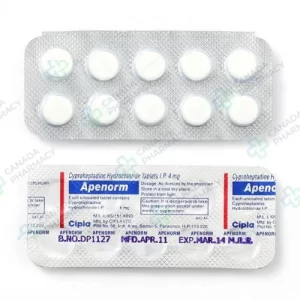
Periactin
Price range: $ 40,00 through $ 160,00
Active substance: Cyproheptadine
More Details
This product has multiple variants. The options may be chosen on the product page