

-63%
Alkeran
Price range: $ 112,00 through $ 513,00

Alli
Price range: $ 41,00 through $ 317,00
Allegra
Price range: $ 47,00 through $ 118,00
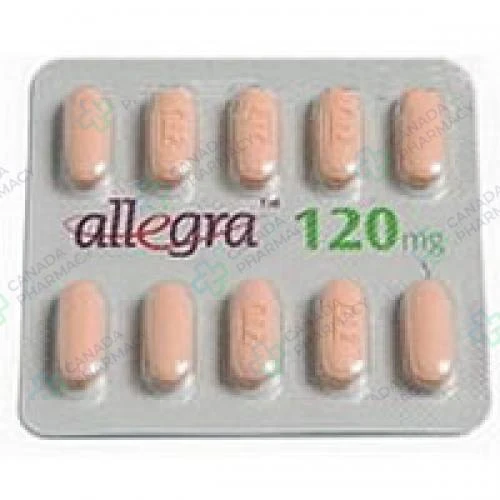
Allegra is a highly effective antihistamine designed to provide fast relief from seasonal and year-round allergy symptoms. It targets common issues such as sneezing, runny nose, itchy throat, and watery eyes caused by hay fever or upper respiratory allergies. This non-drowsy formula allows you to stay alert and productive throughout the day without the fatigue often associated with other allergy medications. Each dose provides long-lasting relief for up to 24 hours, ensuring you remain comfortable in various environments. Additionally, Allegra is effective in treating itchy skin and hives associated with chronic idiopathic urticaria.
Active substance: Fexofenadine
Delivery: 5–21 days (depending on the shipping method)
Extra 10% discount with coupon: IT4K6SVM
Each dosage option has its own packaging choices.
Description
Allegra belongs to a group of medicines called second-generation selective H1-antihistamines. It is widely used in the United States to manage seasonal allergic rhinitis and chronic idiopathic urticaria symptoms. Unlike first-generation antihistamines, it is formulated to provide symptom control without significant central nervous system depression.
Available over-the-counter for adults and children, Allegra provides relief from sneezing, runny nose, itchy eyes, and hives. Understanding its pharmacological properties, proper dosing, and key interactions helps ensure optimal effectiveness and safe personal use.
| Drug name | Allegra |
| Active ingredient (INN) | Fexofenadine hydrochloride |
| Therapeutic class | Second-generation H1-antihistamine |
| Dosage form | Oral tablet, disintegrating tablet, oral suspension |
| Route of administration | Oral |
| Primary purpose | Relief of allergy and chronic hives symptoms |
| Prescription status | Over-the-counter (OTC) |
Clinical and Pharmacological Overview
How the drug works
Fexofenadine hydrochloride acts as a selective peripheral H1-receptor antagonist. During an allergic reaction, the immune system releases histamine from mast cells, which binds to H1 receptors throughout body tissues, triggering classic symptoms like tissue swelling, mucosal hypersecretion, itching, and vasodilation. By competitively binding to peripheral H1 receptors, fexofenadine prevents circulating histamine from activating these receptor sites.
On one hand, this selective peripheral target mechanism is a major clinical advantage because fexofenadine does not readily cross the blood-brain barrier under standard therapeutic conditions. Consequently, it exhibits significantly lower sedating potential compared to first-generation H1-antihistamines such as diphenhydramine. On the other hand, because its mechanism focuses specifically on histamine pathways, it does not directly relieve nasal congestion driven by non-histaminic inflammatory mediators like leukotrienes unless formulated with a decongestant component.
Main uses
Allegra is approved by the FDA for the symptomatic relief of seasonal allergic rhinitis in adults and pediatric patients. These allergic manifestations include sneezing, rhinorrhea (runny nose), itching of the nose, palate, or throat, and red, watery, itchy eyes. Additionally, it is indicated for treating uncomplicated skin manifestations of chronic idiopathic urticaria, where it significantly reduces severe itching and decreases both the number and size of hives.
While Allegra offers robust symptom suppression for upper respiratory allergies and cutaneous histamine responses, its scope has clear boundaries. It is not indicated for non-allergic rhinitis, acute asthma attacks, or severe systemic allergic reactions such as anaphylaxis. Individuals experiencing acute airway swelling or systemic allergic distress require immediate emergency medical care rather than relying on oral antihistamines.
Dosing schedule
Allegra is distributed in multiple oral formulations, including 60 mg and 180 mg oral tablets, 30 mg orally disintegrating tablets, and a 30 mg per 5 mL liquid suspension. For adults and children 12 years of age and older presenting with seasonal allergic rhinitis or chronic urticaria, the standard adult dosing regimen is either 180 mg taken once daily with water or 60 mg taken twice daily with water.
For pediatric patients aged 6 to 11 years, the standard recommended dosage is 30 mg taken twice daily with water. In younger children aged 2 to 5 years presenting with seasonal allergies or chronic hives, lower age-appropriate doses or oral liquid formulations are utilized. Patients with reduced renal function require modified dosing schedules; an initial starting dose of 60 mg once daily is advised for adult patients with compromised kidney function. Tablets should be swallowed whole with water and should not be consumed with fruit juices.
What happens in the body
Following oral administration, fexofenadine hydrochloride is rapidly absorbed into the systemic circulation, achieving peak plasma concentration within approximately 2 to 3 hours. Therapeutic onset of action typically begins within 1 hour, providing sustained H1-receptor inhibition across the standard 12-hour or 24-hour dosing intervals. Fexofenadine exhibits moderate plasma protein binding (approximately 60% to 70%), primarily binding to albumin and alpha-1-acid glycoprotein.
Metabolism of fexofenadine in humans is extremely minimal, with only about 5% of the total dose undergoing hepatic metabolism, largely mediated by intestinal flora or minor non-cytochrome P450 pathways. The elimination half-life of fexofenadine is approximately 14.4 hours in individuals with normal renal clearance, supporting convenient once-daily or twice-daily dosing regimens. Excretion occurs predominantly unchanged in the feces (about 80%) and urine (about 11%), making renal clearance an essential determinant of drug elimination.
What not to combine
Fexofenadine is a substrate of the intestinal P-glycoprotein (P-gp) and organic anion transporting polypeptide (OATP) efflux transporters. Concurrent administration of fexofenadine with potent P-gp inhibitors, such as ketoconazole or erythromycin, can increase plasma fexofenadine levels twofold to threefold. Clinical trial data indicate, however, that these elevated plasma levels do not result in a corresponding increase in adverse events or significant QT interval prolongations.
Conversely, co-administration with antacids containing aluminum or magnesium hydroxide markedly reduces fexofenadine absorption by binding the active substance in the gastrointestinal tract. Therefore, aluminum- or magnesium-containing antacids should not be administered within 2 hours of taking Allegra. Furthermore, fruit juices–including grapefruit, orange, and apple juice–inhibit intestinal OATP1A2 transporters and can reduce fexofenadine systemic bioavailability by up to 36%, rendering the medication noticeably less effective.
What side effects may occur
In controlled clinical trials, Allegra demonstrated a highly favorable safety profile, with an incidence of adverse reactions comparable to placebo control groups. Common mild side effects reported by adult patients include headache, upper respiratory tract infection, back pain, and occasional nausea or mild dizziness. Dysmenorrhea and generalized fatigue have also been reported in isolated instances.
Pediatric clinical studies note similar mild adverse events, such as cough, accidental injury, fever, or otitis media, which occurred at rates similar to those observed in placebo groups. Severe systemic reactions are rare but can occur, including hypersensitivity manifestations such as anaphylaxis, angioedema, chest tightness, or generalized flushing. Although Allegra is classified as a non-sedating antihistamine, individual biological susceptibility varies, and mild somnolence can occur if recommended daily dosages are exceeded.
Important precautions
Before initiating Allegra, individuals with chronic underlying health conditions should evaluate specific clinical precautions. Patients with renal impairment experience prolonged clearance of fexofenadine, leading to higher overall systemic exposure; a reduced starting dose of 60 mg once daily is clinically indicated in this population. Elderly patients are also more likely to have reduced renal function, warranting extra care in dose selection and monitoring of kidney clearance.
During pregnancy, fexofenadine should be used only if the potential therapeutic benefit justifies the potential risk to the developing fetus, as well-controlled studies in pregnant women are limited. Caution is also advised for nursing mothers, as data regarding whether fexofenadine excretes into human breast milk remains incomplete. Individuals with known hypersensitivity to fexofenadine hydrochloride or any inactive tablet components must avoid this medication entirely.
What to avoid while taking it
Daily dietary choices directly influence how well Allegra functions in the body. Taking fexofenadine with fruit juices such as grapefruit, orange, or apple juice significantly reduces gastrointestinal absorption, leading to reduced therapeutic effectiveness. To ensure optimal bioavailability, Allegra tablets should always be taken with plain water.
While first-generation antihistamines interact dangerously with alcohol to cause central nervous system depression, fexofenadine does not significantly potentiate the sedative effects of ethanol at standard therapeutic doses. Nevertheless, consuming excessive alcohol while managing allergic conditions is discouraged, as alcohol can aggravate underlying fatigue, headache, or stomach discomfort.
What you may notice early on
When starting Allegra for seasonal allergic rhinitis, symptom relief usually begins within 1 hour following oral administration, with maximum therapeutic effect reached between 2 and 3 hours post-dose. Early improvements typically manifest as a reduction in sneezing frequency, decreased nasal itching, and relief from watery, irritated eyes.
For individuals taking Allegra to manage chronic idiopathic hives, a reduction in severe skin itching often occurs during the first few hours of treatment, followed by a gradual decrease in the size and total count of skin wheals. Because Allegra lacks major sedating properties, patients generally maintain normal cognitive focus and daytime alertness upon starting therapy.
Signs of improvement
Evaluating the success of Allegra therapy involves observing target allergy symptoms throughout daily routines. Successful treatment is evidenced by consistent relief from seasonal allergic rhinitis symptoms, including unobstructed breathing, reduced nasal drip, and eye comfort during allergen exposure.
In patients treated for chronic hives, positive therapeutic response is marked by sustained relief from intense itching and a reduced occurrence of new skin eruptions. On one hand, consistent daily control indicates adequate dosing; on the other hand, if allergy or hive symptoms persist without improvement despite regular administration for several consecutive days, consulting a medical professional is recommended.
If you skip a dose
If a dose of Allegra is missed, take the skipped dose as soon as it is remembered, provided it is not close to the scheduled time for the next dose. If the next regular dose is due within a short period, skip the missed dose entirely and continue with the standard daily administration schedule.
Never double the dose or take extra medicine to make up for a missed tablet. Exceeding recommended dosages does not enhance clinical efficacy and increases the risk of unexpected adverse effects such as headache or mild drowsiness. Maintaining a steady schedule provides the most reliable allergy symptom control.
Frequently Asked Questions
Does Allegra cause daytime drowsiness compared to older allergy medicines?
Unlike first-generation H1-antihistamines like diphenhydramine, Allegra does not readily enter the central nervous system under recommended therapeutic dosages. Clinical studies demonstrate that its sedating potential is equivalent to placebo at recommended doses. Consequently, it is generally considered non-drowsy and suitable for individuals who need to drive or perform tasks requiring full cognitive alertness.
Can Allegra be taken daily throughout an entire allergic season?
Allegra is designed for daily management of ongoing allergy symptoms during high allergen exposures, such as spring or fall pollen seasons. However, extended daily use should be evaluated based on individual health needs. If your allergy symptoms persist year-round, consult a healthcare professional to confirm the underlying diagnosis and ensure long-term treatment remains appropriate.
What happens if Allegra is taken with orange or grapefruit juice?
Taking Allegra with fruit juices like orange, grapefruit, or apple juice significantly reduces the amount of medicine absorbed by the gut. The organic acids and flavonoids in these juices inhibit intestinal OATP1A2 transporters, decreasing fexofenadine bioavailability by up to 36%. To ensure you receive the full intended dose, always take Allegra with plain water.
Is a special dose needed for individuals with kidney problems?
Yes, because fexofenadine is cleared from the body primarily through renal excretion, patients with reduced kidney function tend to retain higher levels of the drug in their bloodstream. A reduced starting dose of 60 mg once daily is recommended for adults with decreased renal function. Consulting a healthcare provider helps determine the safest dosing strategy based on laboratory kidney performance markers.
How quickly should I expect relief after taking a dose of Allegra?
Therapeutic onset typically begins within 1 hour after ingestion, with peak systemic concentration and maximum symptom relief occurring within 2 to 3 hours. Depending on whether you take a 12-hour or 24-hour formulation, symptom suppression is maintained continuously throughout the designated dosing interval when taken as directed.
This overview is informational. For decisions about your treatment, consult a qualified healthcare professional.
In accordance with FDA requirements.
Additional information
| Dosage |
120mg ,180mg |
|---|---|
| Package |
60 pills ,90 pills ,120 pills ,180 pills ,270 pills ,360 pills |
| Ενεργός Ουσία |
Related products
Antivert
Price range: $ 45,00 through $ 121,00
Active substance: Meclizine
More Details
This product has multiple variants. The options may be chosen on the product page
Astelin
Price range: $ 46,00 through $ 193,00
Active substance: Azelastine
More Details
This product has multiple variants. The options may be chosen on the product page
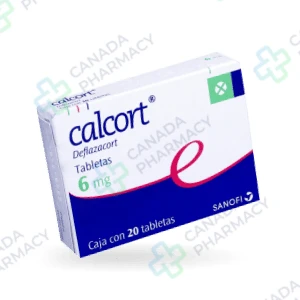
Calcort
Price range: $ 54,00 through $ 430,00
Active substance: Deflazacort
More Details
This product has multiple variants. The options may be chosen on the product page
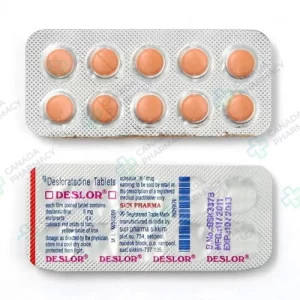
Clarinex
Price range: $ 51,00 through $ 196,00
Active substance: desloratadine
More Details
This product has multiple variants. The options may be chosen on the product page
Decadron
Price range: $ 12,00 through $ 182,00
Active substance: Dexamethasone
More Details
This product has multiple variants. The options may be chosen on the product page
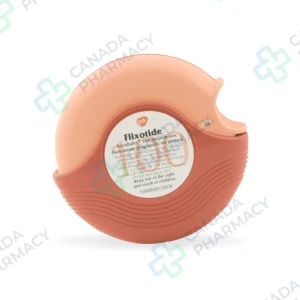
Flixotide Nasal Spray 100 doses
Price range: $ 54,00 through $ 220,00
Active substance: fluticasone
More Details
This product has multiple variants. The options may be chosen on the product page
Ketotifen
Price range: $ 67,00 through $ 309,00
Active substance: Ketotifen
More Details
This product has multiple variants. The options may be chosen on the product page
Promethazine
Price range: $ 43,00 through $ 228,00
Active substance: Promethazine
More Details
This product has multiple variants. The options may be chosen on the product page