

-42%
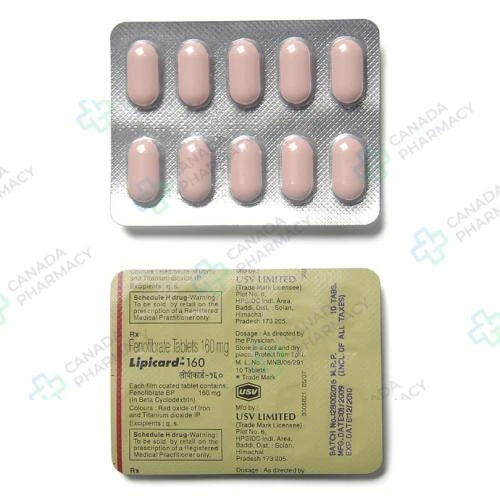

Tricor
Price range: $ 55,00 through $ 509,00
Tricor is a highly effective lipid-regulating medication designed to help manage and balance cholesterol levels in the bloodstream. This treatment works by significantly lowering elevated triglycerides and low-density lipoprotein (LDL), commonly known as “bad” cholesterol. It also plays a vital role in increasing high-density lipoprotein (HDL), the “good” cholesterol that supports overall cardiovascular health. The medication is officially indicated for use alongside a proper diet to treat adults with primary hypercholesterolemia or mixed dyslipidemia. By optimizing your lipid profile, Tricor provides essential support in managing metabolic health and preventing complications from high fat levels in the blood.
Active substance: Fenofibrate
Delivery: 5–21 days (depending on the shipping method)
Extra 10% discount with coupon: IT4K6SVM
Each dosage option has its own packaging choices.
Description
Tricor belongs to a group of lipid-regulating medicines known as fibric acid derivatives (fibrates), specifically peroxisome proliferator-activated receptor alpha (PPARα) agonists. It is an FDA-approved prescription medication indicated to lower elevated blood levels of triglycerides and optimize overall lipid profiles when lifestyle measures alone are insufficient.
This therapy functions as an adjunct to a structured, low-fat diet and consistent physical exercise. Because Tricor is a prescription-only pharmaceutical product in the United States, proper administration requires an initial clinical evaluation and ongoing supervision by a licensed healthcare provider.
| Property | Details |
|---|---|
| Active Ingredient | Fenofibrate |
| Therapeutic Class | Fibric acid derivative (PPARα agonist) |
| Available Strengths | 48 mg, 145 mg oral tablets |
| Prescription Status | Prescription only (Rx) |
| Primary Purpose | Hypertriglyceridemia and mixed dyslipidemia management |
| Primary Excretion Route | Renal (approximately 60% eliminated in urine) |
Clinical Profile and Mechanism of Action
Main uses
Tricor is indicated as adjunctive therapy to diet for the treatment of severe hypertriglyceridemia (hyperlipidemia Fredrickson Types IV and V). Markedly elevated serum triglycerides–typically concentrations exceeding 500 mg/dL to 1,000 mg/dL–significantly increase the risk of acute pancreatitis. Lowering circulating triglyceride levels reduces this inflammatory risk. Additionally, Tricor is indicated for primary hypercholesterolemia or mixed dyslipidemia (Fredrickson Types IIa and IIb) to reduce elevated low-density lipoprotein cholesterol (LDL-C), total cholesterol, triglycerides, and apolipoprotein B (Apo B), while increasing high-density lipoprotein cholesterol (HDL-C). It is not indicated for the primary prevention of cardiovascular events in the absence of documented lipid abnormalities.
How the drug works
The active moiety fenofibric acid works through the activation of peroxisome proliferator-activated receptor alpha (PPARα). By activating PPARα, fenofibrate increases lipolysis and the elimination of triglyceride-rich particles from plasma through the activation of lipoprotein lipase and a reduction in the production of apolipoprotein C-III, an inhibitor of lipoprotein lipase activity. This metabolic cascade accelerates the clearance of very-low-density lipoproteins (VLDL). Furthermore, PPARα activation induces an increase in the synthesis of apolipoproteins A-I and A-II, which contributes to increased levels of HDL-C. Through these combined pathways, fenofibrate reduces total cholesterol, triglycerides, and VLDL fractions while altering low-density lipoprotein size to less dense particles.
What happens in the body
Following oral administration, fenofibrate is rapidly hydrolyzed by tissue and plasma esterases to its active metabolite, fenofibric acid. Unchanged fenofibrate is not detected in plasma. Peak plasma concentrations of fenofibric acid occur within 6 to 8 hours after administration. The bioavailability of nanoparticle formulations (such as Tricor 48 mg and 145 mg tablets) is high and unaffected by concomitant food intake. Fenofibric acid is heavily bound to serum albumin (greater than 99%). It undergoes glucuronide conjugation and is excreted primarily by the kidneys, with approximately 60% of the dose appearing in urine as fenofibric acid or its glucuronide metabolite, and about 25% eliminated in feces. The steady-state plasma elimination half-life is approximately 20 hours, supporting once-daily administration.
Dosing schedule
The standard adult dosage for primary hypercholesterolemia or mixed dyslipidemia is 145 mg administered once daily. For adult patients with severe hypertriglyceridemia, initial therapy ranges from 48 mg to 145 mg per day, tailored according to baseline blood lipid concentrations and clinical response. Dosing should be individualized, with serum lipid levels reassessed at intervals of 4 to 8 weeks until stabilization occurs. In patients with mild to moderate renal impairment (eGFR 30 to 59 mL/min/1.73 m²), treatment must begin at 48 mg once daily to prevent drug accumulation. Tricor is contraindicated in patients with severe renal dysfunction (eGFR less than 30 mL/min/1.73 m²). Tablets should be swallowed whole with liquid; splitting, crushing, or chewing the tablets is not recommended.
Dosing, Interactions, and Safety Guidelines
Compatibility with other medicines
Tricor exhibits significant drug interactions with several therapeutic classes. When coadministered with coumarin-type oral anticoagulants (such as warfarin), fenofibrate potentiates the anticoagulant effect, increasing the risk of bleeding. Prothrombin time and International Normalized Ratio (INR) must be monitored closely, and the anticoagulant dose should be reduced upon initiating Tricor. Combining fenofibrate with HMG-CoA reductase inhibitors (statins) elevates the risk of severe muscle toxicity, including myopathy and rhabdomyolysis; joint administration requires careful risk assessment and monitoring. Bile acid resins (such as cholestyramine or colestipol) bind fenofibric acid in the gastrointestinal tract; therefore, Tricor must be taken at least 1 hour before or 4 to 6 hours after a bile acid sequestrant. Immunosuppressants like cyclosporine or tacrolimus may alter renal function, slowing fenofibric acid elimination and escalating toxicity risks.
Adverse reactions
Clinical data indicate that Tricor is generally tolerated, but adverse effects can occur across multiple body systems. Common gastrointestinal events include abdominal discomfort, nausea, constipation, and diarrhea. Mild to moderate elevations in serum transaminases (AST and ALT) occur in some individuals and are typically dose-dependent. Dermatologic reactions such as skin rash, urticaria, and pruritus have been observed. Serious adverse reactions require immediate clinical evaluation: myopathy characterized by muscle pain, tenderness, or weakness accompanied by elevated creatine kinase (CK) levels; rhabdomyolysis leading to acute renal impairment; cholelithiasis (gallstones) and cholecystitis resulting from increased biliary cholesterol secretion; pancreatitis; and venous thromboembolic events, including deep vein thrombosis and pulmonary embolism.
Important precautions
Tricor is strictly contraindicated in patients with active liver disease (including primary biliary cirrhosis and unexplained persistent liver function abnormalities), severe renal impairment, preexisting gallbladder disease, and in nursing mothers. Baseline serum transaminases and renal function (serum creatinine and eGFR) must be evaluated prior to initiating therapy and monitored periodically during treatment. If transaminase levels persist at more than three times the upper limit of normal, therapy should be discontinued. Exercise caution in elderly patients due to the higher prevalence of renal function decline. Safety and effectiveness in pediatric populations have not been established. Patients who are pregnant or planning to become pregnant should discuss potential risks with their prescriber.
Food and alcohol interactions
Modern formulations of Tricor (48 mg and 145 mg tablets) may be taken with or without food, as systemic absorption is independent of meal ingestion. However, maintaining a consistent daily schedule supports regimen adherence. Patients taking Tricor should avoid excessive alcohol intake. Alcohol independently elevates serum triglyceride levels, counteracting the therapeutic objectives of fenofibrate, and increases the potential risk of hepatic strain and pancreatic inflammation when combined with lipid-lowering agents.
Signs of improvement
Because hypertriglyceridemia and hypercholesterolemia rarely present with noticeable physical symptoms, patients usually do not feel physical changes when Tricor is working. Assessment of therapeutic response relies on laboratory evaluation. A physician will order fasting blood lipid panels (measuring total cholesterol, LDL-C, HDL-C, and triglycerides) approximately 4 to 8 weeks after starting treatment or adjusting doses. A measurable reduction in serum triglycerides and LDL-C, alongside favorable changes in HDL-C, confirms therapeutic efficacy.
If you skip a dose
If a dose of Tricor is missed, it should be taken as soon as remembered on the same day. If it is almost time for the next scheduled dose, the missed tablet should be skipped entirely, and the normal dosing schedule resumed. Double doses must never be taken to compensate for a missed tablet, as taking extra medication increases the likelihood of side effects, particularly gastrointestinal discomfort and transient liver enzyme elevations.
Storage and expiration
Tricor tablets should be stored at controlled room temperature between 20°C and 25°C (68°F to 77°F), with short excursions permitted between 15°C and 30°C (59°F and 86°F). Protect the medication from light and moisture by keeping it in its original container with the closure tight. Avoid storing tablets in high-humidity areas like bathroom cabinets. Keep out of reach of children and pets, and safely discard any medication that has passed its stated expiration date.
Common questions
What should be done if unexpected muscle pain or weakness occurs?
Unexplained muscle pain, tenderness, or weakness–especially when accompanied by fatigue or fever–should be reported to a healthcare provider promptly. These symptoms may indicate myopathy or severe muscle damage (rhabdomyolysis), requiring laboratory testing to measure creatine kinase levels.
Is regular blood testing necessary while taking Tricor?
Yes. Periodic monitoring of liver enzymes (ALT and AST), renal function (serum creatinine and eGFR), and complete blood counts is essential. Lipid panels are also checked periodically to assess therapeutic response and determine if dosage adjustments are necessary.
Can Tricor be taken at the same time as a statin medication?
Combining Tricor with a statin (such as atorvastatin or simvastatin) increases the risk of muscle toxicity. While prescribers may use both medications together for complex lipid disorders, this combination requires careful risk assessment and close monitoring for signs of muscle soreness.
How long does a patient need to remain on Tricor therapy?
Hyperlipidemia and hypertriglyceridemia are typically chronic conditions requiring ongoing management. Tricor is intended for long-term maintenance therapy as long as lipid levels remain controlled and no adverse effects arise. Discontinuing the medication usually causes lipid levels to return to pre-treatment baselines.
What happens if kidney function declines during therapy?
Fenofibric acid is excreted primarily by the kidneys. If routine laboratory tests show a reduction in renal function, the prescriber may reduce the daily dose to 48 mg or discontinue the medication if renal impairment becomes severe (eGFR below 30 mL/min/1.73 m²).
This text is for informational purposes only and does not constitute individual medical advice. In accordance with FDA requirements, prescription medications should be used under direct supervision of a qualified healthcare professional.
Additional information
| Dosage |
160mg ,200 mg |
|---|---|
| Package |
30 pills ,60 pills ,90 pills ,120 pills ,180 pills ,270 pills ,360 pills |
| Ενεργός Ουσία |
Related products
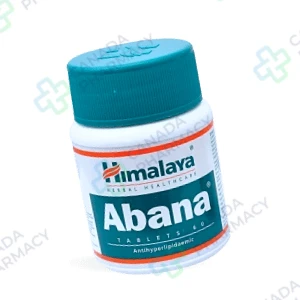
Abana
Price range: $ 89,00 through $ 580,00
Active substance: Abana
More Details
This product has multiple variants. The options may be chosen on the product page
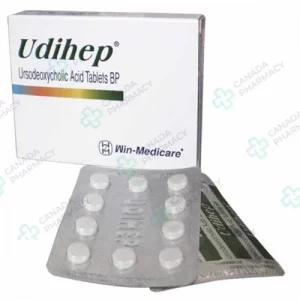
Actigall
Price range: $ 60,00 through $ 521,00
Active substance: Ursodiol
More Details
This product has multiple variants. The options may be chosen on the product page
Atorlip 20
Price range: $ 74,00 through $ 542,00
Active substance: Atorvastatin
More Details
This product has multiple variants. The options may be chosen on the product page
Ezetimibe
Price range: $ 47,00 through $ 168,00
Active substance: Ezetimibe
More Details
This product has multiple variants. The options may be chosen on the product page
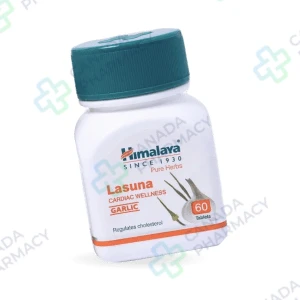
Lasuna
Price range: $ 58,00 through $ 244,00
Active substance: extracts of garlic
More Details
This product has multiple variants. The options may be chosen on the product page
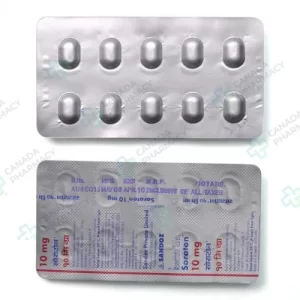
Lipitor
Price range: $ 41,00 through $ 353,00
Active substance: Atorvastatin
More Details
This product has multiple variants. The options may be chosen on the product page
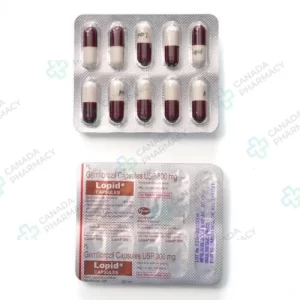
Lopid
Price range: $ 70,00 through $ 424,00
Active substance: Gemfibrozil
More Details
This product has multiple variants. The options may be chosen on the product page
Pravachol
Price range: $ 67,00 through $ 395,00
Active substance: Pravastatin
More Details
This product has multiple variants. The options may be chosen on the product page