

-50%
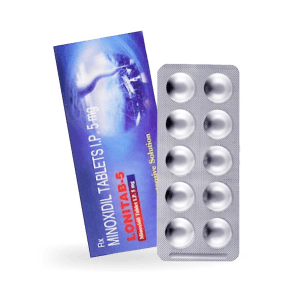
Lonitab
Price range: $ 224,00 through $ 561,00
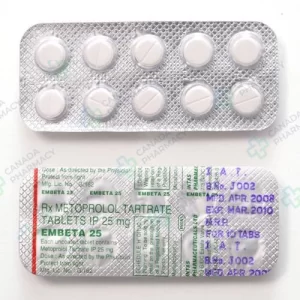
Lopressor
Price range: $ 36,00 through $ 196,00
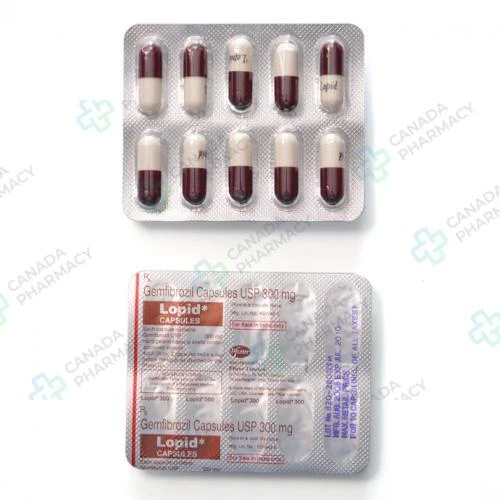
Lopid
Price range: $ 70,00 through $ 424,00
Lopid is a highly effective lipid-regulating medication formulated to help manage cholesterol and triglyceride levels in the bloodstream. It is specifically indicated for individuals with very high serum triglyceride levels to help lower the risk of developing pancreatitis. Furthermore, this medication is used to reduce the risk of coronary heart disease in patients who have not achieved sufficient results through diet and exercise alone. By lowering the liver’s production of triglycerides and increasing beneficial HDL cholesterol, it supports a more balanced cardiovascular profile. Incorporating Lopid into a health management plan helps target specific lipid imbalances to promote long-term heart health.
Active substance: Gemfibrozil
Delivery: 5–21 days (depending on the shipping method)
Extra 10% discount with coupon: IT4K6SVM
Each dosage option has its own packaging choices.
Description
Lopid belongs to a class of lipid-regulating medications known as fibric acid derivatives, commonly referred to as fibrates. It contains the active ingredient gemfibrozil and is prescribed alongside specific dietary modifications to manage severe lipid disorders in adult patients.
This medication is available by prescription only under Federal law and requires clinical oversight, including regular blood parameter monitoring. Proper therapeutic management involves combining pharmaceutical intervention with dietary adjustments, weight control, and exercise to achieve target serum lipid levels.
Basic Information
| Parameter | Details |
|---|---|
| Active Ingredient (INN) | Gemfibrozil |
| Therapeutic Class | Fibric acid derivative (lipid-regulating agent) |
| Dosage Form | Oral tablet (600 mg) |
| Primary Purpose | Reduction of severe hypertriglyceridemia and lowering risk of coronary heart disease in specific patient groups |
| Prescription Status | Prescription only (Rx) |
| Route of Administration | Oral |
Clinical Profile and Usage Information
How the Drug Works
Lopid (gemfibrozil) alters lipid metabolism by serving as an agonist for peroxisome proliferator-activated receptor alpha (PPAR-alpha). Activation of PPAR-alpha increases the lipolysis of plasma triglycerides by stimulating lipoprotein lipase activity and reducing the hepatic synthesis of apolipoprotein C-III, an inhibitor of lipoprotein lipase. Consequently, Lopid accelerates the clearance of triglyceride-rich particles, particularly very low-density lipoproteins (VLDL), from the circulatory system. In addition, gemfibrozil inhibits peripheral lipolysis and decreases hepatic extraction of free fatty acids, thereby reducing hepatic triglyceride synthesis. The drug also increases high-density lipoprotein (HDL) cholesterol levels along with apolipoproteins A-I and A-II.
What It’s Used For
Lopid is indicated as adjunctive therapy to diet for lipid disorders in specific adult populations. FDA-approved indications include:
- Severe Hypertriglyceridemia: Treatment of adult patients with very high serum triglyceride levels (Type IV and Type V hyperlipidemia) who present a risk of abdominal pain and pancreatitis and who fail to respond adequately to dietary control.
- Coronary Heart Disease Risk Reduction: Decreasing the risk of developing coronary heart disease in Type IIb patients without history or symptoms of existing heart disease who have elevated triglycerides, low HDL cholesterol, and elevated LDL cholesterol, and who have not responded adequately to weight loss, dietary measures, and exercise.
Dosing Schedule
The standard recommended dosage of Lopid in adult patients is 1200 mg daily, administered in two divided doses of 600 mg each. Each 600 mg dose must be taken orally 30 minutes before the morning and evening meals. Administering the dose prior to meals maximizes systemic absorption and clinical response. Kidney function should be assessed before starting therapy; dosing adjustments or therapy discontinuation are required in patients with severe renal impairment. Dosing must be individualized by a licensed healthcare professional based on laboratory monitoring.
What Happens in the Body
Following oral administration, gemfibrozil is rapidly absorbed from the gastrointestinal tract, reaching peak plasma concentration within 1 to 2 hours. Peak plasma concentrations are significantly higher when the drug is taken 30 minutes prior to meals compared to administration with food or on an empty stomach without meal timing. Gemfibrozil is bound extensively to plasma proteins (approximately 97%). The compound undergoes oxidation and glucuronidation in the liver to form several metabolic products. The plasma elimination half-life is approximately 1.5 hours following single doses, though systemic activity persists longer. Excretion is primarily renal, with roughly 70% of the dose eliminated in urine (mostly as glucuronide conjugates) and less than 6% excreted unchanged.
Compatibility With Other Medicines
Lopid exhibits significant pharmacokinetic and pharmacodynamic interactions with several classes of drugs:
- HMG-CoA Reductase Inhibitors (Statins): Co-administration with statins (such as simvastatin or pravastatin) markedly increases the risk of severe myopathy, rhabdomyolysis, and acute renal failure. Co-administration with simvastatin is generally contraindicated.
- Repaglinide: Gemfibrozil strongly inhibits hepatic CYP2C8 enzymes, causing marked increases in repaglinide plasma concentrations, which can precipitate severe, prolonged hypoglycemia. Concurrent administration is contraindicated.
- Oral Anticoagulants (e.g., Warfarin): Gemfibrozil can potentiate the anticoagulant effect of warfarin. Prothrombin time (INR) must be monitored frequently until stable when Lopid is initiated or discontinued.
- Bile Acid-Binding Resins: Drugs like cholestyramine can reduce the absorption of gemfibrozil; doses should be separated by at least 2 hours.
Adverse Reactions
In controlled clinical trials, gastrointestinal reactions were the most frequently reported adverse effects associated with Lopid. Common adverse events include:
- Dyspepsia, abdominal pain, diarrhea, nausea, and flatulence.
- Dermatologic reactions, including skin rash, dermatitis, and pruritus.
- Musculoskeletal effects, including myalgia, muscle cramps, and elevated serum creatine kinase (CK) levels.
- Hepatobiliary abnormalities, such as elevated liver transaminases (ALT, AST), cholestatic jaundice, or increased gallstone formation (cholelithiasis).
- Hematologic alterations, such as mild decreases in hemoglobin and hematocrit during early treatment phases.
Important Precautions
Lopid is contraindicated in patients with severe renal dysfunction, active liver disease (including primary biliary cirrhosis), pre-existing gallbladder disease, or known hypersensitivity to gemfibrozil. Baseline liver function tests and serum lipid levels should be obtained prior to treatment initiation and monitored periodically thereafter. If myopathy is suspected or if marked elevations of creatine kinase occur, Lopid therapy should be discontinued. Safety in pregnant women has not been established; Lopid should be used during pregnancy only if the potential benefit justifies the potential risk to the fetus. Caution is advised when administering to nursing mothers because excretion in human milk is unknown.
What to Avoid While Taking It
Patients should refrain from excessive alcohol consumption, as alcohol intake can elevate blood triglyceride levels, counteracting the lipid-regulating effect of Lopid and increasing hepatic stress. Patients must follow an American Heart Association or equivalent therapeutic lifestyle diet low in saturated fats and cholesterol. Because Lopid must be taken 30 minutes before meals for optimal absorption, taking the medication at irregular times or without regard to meals can diminish therapeutic activity.
Red Flags
Patients should seek immediate emergency medical care if they experience any of the following serious drug-related events:
- Unexplained muscle pain, tenderness, or weakness accompanied by fever or dark, tea-colored urine (indicative of rhabdomyolysis).
- Yellowing of the skin or eyes (jaundice), dark urine, severe right upper stomach pain, or persistent nausea (indicative of hepatic dysfunction or biliary obstruction).
- Severe, sudden pain in the upper abdomen radiating to the back (indicative of acute pancreatitis or gallstone complications requiring immediate evaluation in a medical center).
- Signs of severe hypersensitivity, such as swelling of the face, lips, tongue, or throat, or difficulty breathing.
If You Skip a Dose
If a dose is missed, it should be taken 30 minutes before the next planned main meal. However, if it is almost time for the next scheduled dose, the missed dose should be skipped entirely, and the regular schedule resumed. Patients should never double the dose to make up for a missed tablet, as higher single doses increase the risk of adverse gastrointestinal and muscular effects.
Practical Tips
Lopid tablets should be stored at controlled room temperature between 20°C to 25°C (68°F to 77°F) in a tight container protected from light and moisture. Integrating dose administration into daily breakfast and dinner routines 30 minutes before eating aids compliance. Patients should maintain scheduled laboratory visits for lipid panels, complete blood counts, and liver enzyme assessments as directed by their provider.
Common Questions
Why must Lopid be taken 30 minutes before meals?
Clinical pharmacokinetic studies demonstrate that taking gemfibrozil 30 minutes prior to morning and evening meals optimizes its bioavailability and peak plasma concentration. Taking the tablet directly with meals or on an empty stomach without subsequent food intake results in lower and less predictable systemic absorption.
Can Lopid be taken together with statin medications?
Combining Lopid with statins (such as simvastatin, atorvastatin, or rosuvastatin) significantly increases the risk of muscle injury, severe myopathy, and rhabdomyolysis. Concomitant administration with simvastatin is contraindicated. Any combined use with other statins requires specialized clinical justification and rigorous monitoring.
How does Lopid differ from statins in managing cholesterol?
While statins primarily inhibit HMG-CoA reductase to lower LDL (“bad”) cholesterol, Lopid is a fibrate that acts via PPAR-alpha activation primarily to lower triglycerides and very low-density lipoproteins (VLDL), while modestly increasing HDL (“good”) cholesterol levels.
What lab monitoring is required during Lopid therapy?
Healthcare providers routinely monitor serum lipid parameters (triglycerides, HDL, LDL) to evaluate efficacy. Additionally, periodic liver function tests (ALT, AST), complete blood counts (CBC), and serum creatine kinase (CK) levels are performed to check for hepatic, hematologic, or muscular side effects.
Is it safe to stop taking Lopid once triglyceride levels improve?
Lopid therapy should not be stopped without consulting the prescribing physician. Lipid levels frequently return to pre-treatment levels upon discontinuation. Long-term management requires continuous dietary control and medical oversight.
This text is for informational purposes only and does not constitute individual medical advice. In accordance with FDA requirements.
Additional information
| Dosage |
300mg |
|---|---|
| Package |
30 pills ,60 pills ,90 pills ,120 pills ,180 pills ,270 pills ,360 pills |
| Ενεργός Ουσία |
Related products
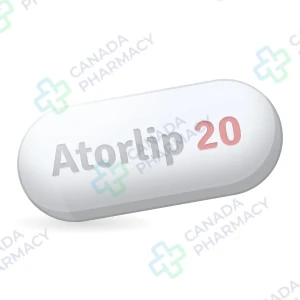
Atorlip 20
Price range: $ 74,00 through $ 542,00
Active substance: Atorvastatin
More Details
This product has multiple variants. The options may be chosen on the product page
Atorlip 5
Price range: $ 43,00 through $ 157,00
Active substance: Atorvastatin
More Details
This product has multiple variants. The options may be chosen on the product page
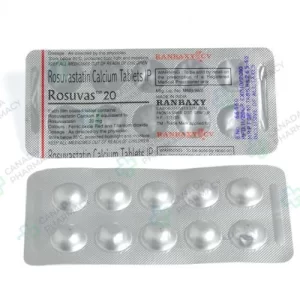
Crestor
Price range: $ 50,00 through $ 435,00
Active substance: Rosuvastatin
More Details
This product has multiple variants. The options may be chosen on the product page

Ezetimibe
Price range: $ 47,00 through $ 168,00
Active substance: Ezetimibe
More Details
This product has multiple variants. The options may be chosen on the product page
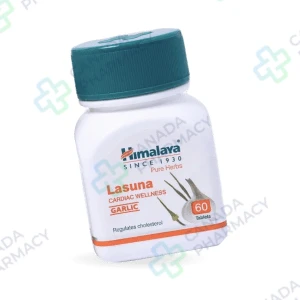
Lasuna
Price range: $ 58,00 through $ 244,00
Active substance: extracts of garlic
More Details
This product has multiple variants. The options may be chosen on the product page
Rosuvastatin
Price range: $ 66,00 through $ 390,00
Active substance: Rosuvastatin
More Details
This product has multiple variants. The options may be chosen on the product page
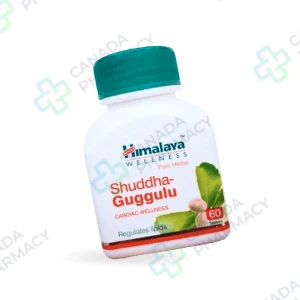
Shuddha Guggulu
Price range: $ 49,00 through $ 292,00
Active substance: Shuddha Guggulu
More Details
This product has multiple variants. The options may be chosen on the product page
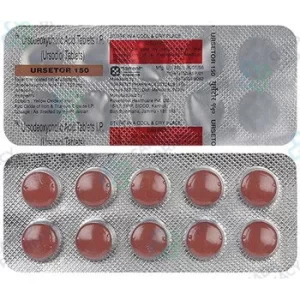
Urso
Price range: $ 66,00 through $ 431,00
Active substance: Ursodeoxycholic Acid
More Details
This product has multiple variants. The options may be chosen on the product page