

-46%
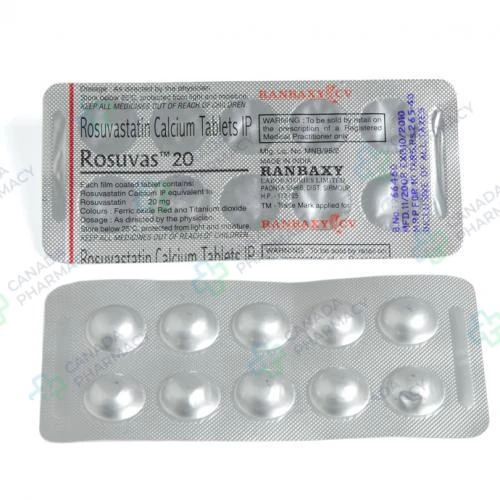
Crestor
Price range: $ 50,00 through $ 435,00
Crestor is a highly effective medication belonging to the statin class, primarily used to lower high levels of LDL or “bad” cholesterol. It works by slowing the production of cholesterol in the liver, which helps prevent the accumulation of plaque within the arterial walls. In addition to reducing LDL, this treatment can also assist in raising HDL or “good” cholesterol levels for a more balanced lipid profile. Clinical studies demonstrate that regular use significantly decreases the risk of serious cardiovascular events such as heart attacks and strokes. Integrating Crestor into a heart-healthy lifestyle provides a powerful defense against the progression of atherosclerosis and related heart conditions.
Active substance: Rosuvastatin
Delivery: 5–21 days (depending on the shipping method)
Extra 10% discount with coupon: IT4K6SVM
Each dosage option has its own packaging choices.
Description
Crestor belongs to a class of lipid-altering prescription medications known as HMG-CoA reductase inhibitors, commonly referred to as statins. It is prescribed by licensed healthcare providers to manage elevated low-density lipoprotein cholesterol (LDL-C), triglycerides, and total cholesterol in individuals with hyperlipidemia or elevated cardiovascular risks, strictly alongside dietary modifications. Because Crestor is a prescription-only (Rx) medication regulated under U.S. Food and Drug Administration (FDA) standards, initiating or modifying treatment requires direct professional oversight and diagnostic evaluation.
Managing cholesterol effectively requires understanding how prescribed pharmacotherapy operates, potential adverse responses, and essential safety guidelines. Patient vigilance regarding drug interactions and proper administration is critical for maintaining safe long-term therapy in clinical practice.
| Property | Details |
|---|---|
| Active Ingredient | Rosuvastatin calcium |
| Therapeutic Class | HMG-CoA reductase inhibitor (Statin) |
| Prescription Status | Prescription only (Rx) |
| Dosage Form | Oral tablet (5 mg, 10 mg, 20 mg, 40 mg) |
| Route of Administration | Oral |
| Primary Purpose | Lipid management and cardiovascular risk reduction |
Main Uses
Warning: Crestor must only be taken when prescribed by a qualified healthcare practitioner for specific, diagnosed lipid abnormalities or cardiovascular risks. The FDA-approved indications for Crestor include serving as an adjunct to a lipid-lowering diet to reduce elevated total cholesterol, LDL-C, ApoB, non-HDL-C, and triglyceride levels in adult patients with primary hyperlipidemia and mixed dyslipidemia. Additionally, Crestor is indicated to slow the progression of atherosclerosis as part of a treatment strategy to lower total cholesterol and LDL-C levels.
In patients without clinically evident coronary heart disease but with an increased risk of cardiovascular disease based on age, elevated high-sensitivity C-reactive protein (hsCRP), and additional risk factors such as hypertension or smoking, Crestor is indicated to reduce the risk of stroke, myocardial infarction, and arterial revascularization procedures. Off-label indications–such as off-label protocols for specific pediatric genetic subtypes or unapproved vascular conditions–must be explicitly discussed with your physician, as safety parameters for off-label protocols differ from established label guidelines.
How the Drug Works
Crestor exerts its therapeutic action through selective and competitive inhibition of 3-hydroxy-3-methylglutaryl-coenzyme A (HMG-CoA) reductase. HMG-CoA reductase is the rate-limiting enzyme responsible for converting HMG-CoA to mevalonate, a vital precursor in the endogenous hepatic synthesis of cholesterol. By inhibiting this enzymatic pathway, Crestor lowers hepatic intracellular cholesterol concentrations.
In response to decreased internal cholesterol levels, hepatocytes upregulate the expression of surface LDL receptors. This cellular mechanism increases the uptake and catabolism of circulating LDL particles from the bloodstream. Furthermore, Crestor inhibits the hepatic synthesis of very-low-density lipoprotein (VLDL), thereby decreasing the overall circulating pool of VLDL and LDL particles while modestly increasing high-density lipoprotein cholesterol (HDL-C).
Important Precautions
Warning: Serious hepatic and muscular toxicities can occur during statin therapy. Prior to initiating Crestor, patients must undergo baseline liver enzyme testing. Therapy should not be initiated in patients with active liver disease, including unexplained, persistent elevations in hepatic transaminases. If clinical signs of liver injury appear–such as jaundice, dark urine, or severe right upper quadrant abdominal pain–discontinue therapy immediately and seek medical evaluation.
Caution is warranted in patients with pre-existing renal impairment, advanced age (65 years and older), inadequately treated hypothyroidism, or a history of statin-induced muscle disorders. Crestor is strictly contraindicated during pregnancy and breastfeeding, as cholesterol biosyntheses are essential for fetal development. Women of childbearing potential must utilize effective contraception while taking Crestor. If pregnancy occurs, treatment must be stopped instantly.
Dosing Schedule
Warning: Never adjust your dosage or stop taking Crestor without direct guidance from your prescribing provider. Dosage must be individualized based on baseline blood lipid profiles, therapeutic targets, patient risk factors, and personal tolerance. The typical starting dose ranges from 5 mg to 10 mg taken orally once daily. For patients of Asian ancestry, a starting dose of 5 mg daily is generally recommended due to observed higher systemic exposure levels in pharmacodynamic studies.
Tablets should be swallowed whole with fluid once daily, at any time of day, with or without food. Dosage titration should occur only after 2 to 4 weeks of continuous therapy following laboratory re-evaluation of blood lipid levels. The maximum dose of 40 mg once daily is restricted exclusively to patients who do not achieve their target LDL-C goal at the 20 mg dose and who are at high risk for severe cardiovascular complications under close physician monitoring.
What Not to Combine
Warning: Combining Crestor with specific medications significantly increases the risk of severe muscle toxicity, including rhabdomyolysis and acute renal failure. Never start a new medication, dietary supplement, or herbal product without consulting your doctor or pharmacist first.
- Cyclosporine: Co-administration causes a marked increase in rosuvastatin exposure; concomitant use is contraindicated or severely restricted in dose.
- Gemfibrozil: Combination should be avoided due to enhanced risk of severe myopathy and rhabdomyolysis.
- Certain Protease Inhibitors: Antiviral drugs used for HIV or Hepatitis C (e.g., atazanavir, lopinavir/ritonavir) significantly elevate rosuvastatin concentrations; dosage limits apply.
- Coumarin Anticoagulants (e.g., Warfarin): Crestor may enhance the anticoagulant effect; International Normalized Ratio (INR) should be checked prior to starting Crestor and frequently enough during early therapy.
- Antacids: Simultaneous administration of aluminum and magnesium hydroxide antacids decreases rosuvastatin plasma concentrations. Antacids should be taken at least 2 hours after Crestor.
Adverse Reactions
While Crestor is generally tolerated, potential adverse responses require close observation. Common mild side effects include headache, myalgia (muscle pain), nausea, abdominal pain, and asthenia (weakness). Statins, including rosuvastatin, have also been associated with modest increases in blood glucose and HbA1c levels, particularly in individuals with pre-existing risk factors for diabetes mellitus.
Rare but severe adverse reactions involve skeletal muscle impairment, ranging from uncomplicated myopathy to immune-mediated necrotizing myopathy or severe rhabdomyolysis with acute kidney damage. Unexplained muscle weakness, tenderness, or severe pain accompanied by malaise or fever requires urgent medical reporting. Central nervous system side effects such as temporary cognitive impairment (memory loss, confusion) have been reported rarely and typically resolve upon drug discontinuation.
Red Flags
| Emergency Signal | Immediate Action Required |
|---|---|
| Unexplained severe muscle pain, tenderness, or profound muscle weakness | Stop taking Crestor immediately and contact your physician to evaluate for myopathy or rhabdomyolysis. |
| Dark, tea-colored, or cola-colored urine | Seek emergency medical care immediately; this may indicate severe muscle breakdown affecting the kidneys. |
| Yellowing of the skin or eyes (jaundice), severe nausea, dark urine | Discontinue treatment and seek urgent medical evaluation for potential hepatic dysfunction. |
| Swelling of the face, lips, tongue, or throat causing difficulty breathing or swallowing | Call 911 or visit the nearest emergency department for severe hypersensitivity/anaphylaxis. |
What to Expect When Starting Treatment
When beginning Crestor therapy, patients typically do not feel physical changes, as hyperlipidemia itself is usually asymptomatic. Laboratory monitoring is required to confirm effectiveness. Your physician will order follow-up blood tests–specifically a lipid panel–approximately 2 to 4 weeks after initiating therapy or adjusting the dose to measure changes in LDL-C and triglyceride concentrations.
During early treatment, report any unusual physical symptoms to your healthcare team. Do not discontinue the medication simply because you feel healthy; hyperlipidemia management is a preventive, long-term intervention that depends on consistent daily adherence.
Food and Alcohol Interactions
Crestor can be taken with or without food. However, dietary habits play a crucial role in overall treatment success. Patients should remain on a standard cholesterol-lowering diet throughout pharmacotherapy. Excessive consumption of alcohol should be avoided or discussed frankly with your prescriber, as heavy daily alcohol intake increases the potential risk of liver injury while taking statin medications.
Unlike some other statins, rosuvastatin metabolism is not significantly impacted by grapefruit juice. Nevertheless, maintaining a balanced diet low in saturated fats and refined sugars remains an essential component of comprehensive lipid control.
What Happens in the Body
Following oral administration, peak plasma concentrations of rosuvastatin are reached approximately 5 hours post-dose. The absolute bioavailability of rosuvastatin is estimated at approximately 20%. Rosuvastatin is extensively taken up by the liver, which is the primary site of cholesterol synthesis and rosuvastatin action.
Rosuvastatin is approximately 88% bound to plasma proteins, primarily albumin. It undergoes limited hepatic metabolism (approximately 10%), mediated mainly by the CYP2C9 enzyme pathway. The elimination half-life of rosuvastatin is approximately 19 hours, which supports once-daily dosing schedules. Elimination occurs primarily via fecal excretion (approximately 90%), with the remainder excreted unchanged in the urine.
Day-to-Day Use
Establish a regular routine by taking your dose at the same time each day to maintain steady blood levels and encourage adherence. Keep tablets in their original packaging until administration to protect them from environmental moisture. If you travel, ensure you carry an adequate supply of your prescription medication in your hand luggage accompanied by proper pharmacy labels.
Always maintain routine follow-up appointments with your clinic in Texas or elsewhere in the U.S. so your prescribing provider can evaluate routine blood work, check liver enzymes when clinically indicated, and verify long-term therapy goals.
Common Questions
What should I do if I skip a dose of Crestor?
If you forget to take a dose, take your next dose at its regularly scheduled time. Never double your dose or take extra medicine to make up for a missed tablet. Taking two doses too close together increases the risk of adverse skeletal muscle toxicity.
Is it safe to drive or operate machinery while taking Crestor?
Crestor generally does not impair driving ability or the operation of heavy machinery. However, if you experience dizziness, headache, or unexpected severe fatigue after starting treatment, refrain from hazardous tasks until you know how the medication affects you.
Can I stop taking Crestor once my cholesterol numbers improve?
No. Never stop taking Crestor without explicit instruction from your doctor. Cholesterol levels frequently return to pre-treatment elevations when statin therapy is discontinued, as the underlying hepatic production of cholesterol resumes at baseline levels.
How does Crestor differ from OTC dietary supplements advertised for cholesterol?
Crestor is an FDA-regulated, prescription-only therapeutic agent evaluated rigorously for clinical efficacy and risk mitigation. Over-the-counter dietary supplements are not regulated under the same strict prescription safety standards and cannot be considered substitutes for prescribed statin therapy in clinical practice.
What happens if I experience mild muscle aching during the first few weeks?
Any muscle pain or tenderness warrants prompt communication with your healthcare provider. While minor aches can occur, your doctor must evaluate your symptoms and order blood tests (such as creatine kinase levels) to rule out serious muscle tissue injury before continuing therapy safely.
This material is educational. Only a licensed prescriber can determine whether a medication is appropriate for you.
In accordance with FDA requirements.
Additional information
| Dosage |
5mg ,10mg ,20mg |
|---|---|
| Package |
30 pills ,60 pills ,90 pills ,120 pills ,180 pills ,270 pills ,360 pills |
| Ενεργός Ουσία |
Related products
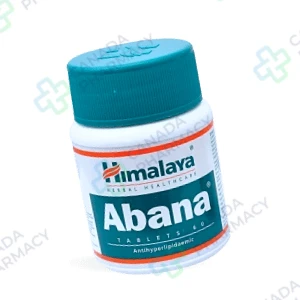
Abana
Price range: $ 89,00 through $ 580,00
Active substance: Abana
More Details
This product has multiple variants. The options may be chosen on the product page
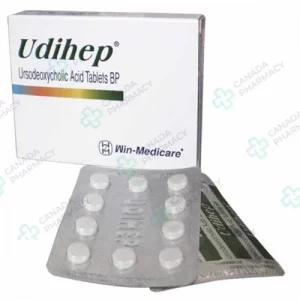
Actigall
Price range: $ 60,00 through $ 521,00
Active substance: Ursodiol
More Details
This product has multiple variants. The options may be chosen on the product page
Atorlip 10
Price range: $ 55,00 through $ 264,00
Active substance: Atorvastatin
More Details
This product has multiple variants. The options may be chosen on the product page
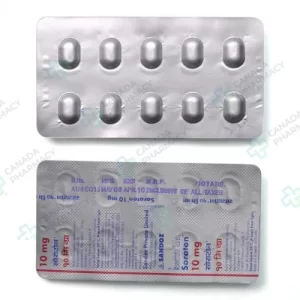
Lipitor
Price range: $ 41,00 through $ 353,00
Active substance: Atorvastatin
More Details
This product has multiple variants. The options may be chosen on the product page
Rosuvastatin
Price range: $ 66,00 through $ 390,00
Active substance: Rosuvastatin
More Details
This product has multiple variants. The options may be chosen on the product page
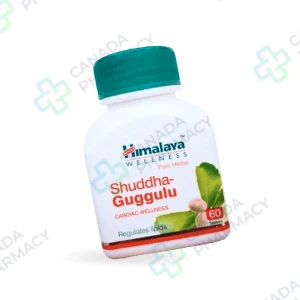
Shuddha Guggulu
Price range: $ 49,00 through $ 292,00
Active substance: Shuddha Guggulu
More Details
This product has multiple variants. The options may be chosen on the product page
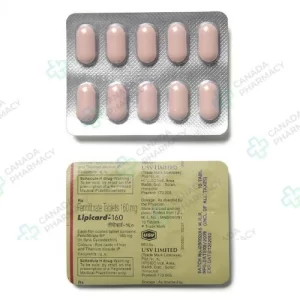
Tricor
Price range: $ 55,00 through $ 509,00
Active substance: Fenofibrate
More Details
This product has multiple variants. The options may be chosen on the product page
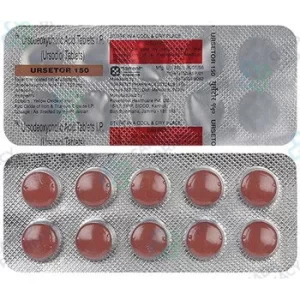
Urso
Price range: $ 66,00 through $ 431,00
Active substance: Ursodeoxycholic Acid
More Details
This product has multiple variants. The options may be chosen on the product page