

-34%
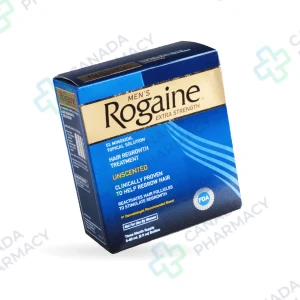
Rogaine 5
Price range: $ 47,00 through $ 315,00
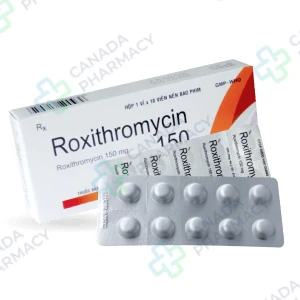
Roxithromycin
Price range: $ 59,00 through $ 278,00
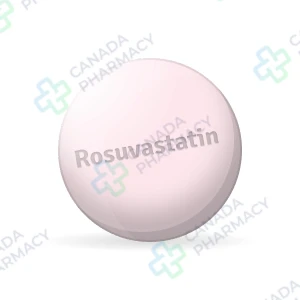
Rosuvastatin
Price range: $ 66,00 through $ 390,00
Rosuvastatin is a highly effective medication used to manage cholesterol levels and promote long-term cardiovascular health. It works by reducing the production of low-density lipoprotein (LDL), commonly known as bad cholesterol, within the liver. Additionally, this treatment helps raise high-density lipoprotein (HDL) levels to maintain a healthier lipid balance in the bloodstream. By controlling high cholesterol and triglycerides, the medication plays a vital role in slowing the progression of plaque buildup in the arteries. Consistent use significantly lowers the risk of serious cardiovascular events, such as heart attacks and strokes.
Active substance: Rosuvastatin
Delivery: 5–21 days (depending on the shipping method)
Extra 10% discount with coupon: IT4K6SVM
Each dosage option has its own packaging choices.
Description
Rosuvastatin belongs to a group of lipid-lowering medications known as HMG-CoA reductase inhibitors, commonly referred to as statins. It is prescribed as an adjunct to dietary modifications to lower elevated total cholesterol, low-density lipoprotein cholesterol (LDL-C), and triglycerides in adults and eligible pediatric patients. This medication is available strictly by prescription (Rx) under federal regulations in the United States.
Primary clinical objectives of rosuvastatin therapy include slowing the progression of coronary atherosclerosis and reducing the risk of major cardiovascular events such as myocardial infarction and stroke in individuals at increased risk. Treatment requires ongoing clinical monitoring, periodic laboratory assessment of blood lipid levels, and strict adherence to a physician’s instructions.
Overview of Rosuvastatin
| Parameter | Details |
|---|---|
| Drug Name | Rosuvastatin |
| Active Ingredient (INN) | Rosuvastatin calcium |
| Therapeutic Class | HMG-CoA reductase inhibitor (Statin) |
| Dosage Form | Oral film-coated tablet |
| Route of Administration | Oral |
| Prescription Status | Prescription only (Rx) |
Clinical Profile and Usage Guidelines
How the drug works
Rosuvastatin competitively inhibits 3-hydroxy-3-methylglutaryl-coenzyme A (HMG-CoA) reductase, the rate-limiting enzyme responsible for converting HMG-CoA to mevalonate, a critical precursor in hepatic cholesterol biosynthesis. By reducing intracellular cholesterol concentrations in liver cells, rosuvastatin upregulates the expression of hepatic low-density lipoprotein (LDL) receptors on cell surfaces. This increased receptor density enhances the uptake and catabolism of circulating LDL particles from the bloodstream. Furthermore, rosuvastatin inhibits the hepatic synthesis of very-low-density lipoprotein (VLDL), thereby decreasing total plasma levels of VLDL, apolipoprotein B (ApoB), and triglycerides, while modestly elevating high-density lipoprotein cholesterol (HDL-C).
Main uses
The FDA-approved indications for rosuvastatin include the treatment of primary hyperlipidemia and mixed dyslipidemia (Fredrickson Type IIa and IIb) to reduce elevated total cholesterol, LDL-C, ApoB, and non-HDL-C. It is also indicated for hypertriglyceridemia (Type IV), primary dysbetalipoproteinemia (Type III), and homozygous familial hypercholesterolemia (HoFH) as an adjunct to diet or other lipid-lowering therapies. Additionally, rosuvastatin is indicated to slow the progression of atherosclerosis in adult patients as part of a comprehensive treatment strategy. In individuals without established coronary heart disease but with an elevated high-sensitivity C-reactive protein (hsCRP) and at least one additional cardiovascular risk factor, it is indicated for the primary prevention of cardiovascular disease.
Dosing schedule
Rosuvastatin is administered orally as a single daily dose, taken with or without food, at any time of day. The typical starting dosage ranges from 5 mg to 20 mg once daily, depending on the patient’s baseline LDL-C levels, therapeutic goals, and individual risk factors. A starting dose of 5 mg daily is recommended for patients of Asian ancestry or those with severe renal impairment (creatinine clearance less than 30 mL/min/1.73 m²). The maximum recommended dosage is 40 mg once daily, which is reserved strictly for patients with severe hypercholesterolemia and high cardiovascular risk who do not achieve their lipid targets with 20 mg. Dosage adjustments should occur at intervals of 4 weeks or more following lipid panel evaluation.
What happens in the body
Following oral administration, peak plasma concentrations (Cmax) of rosuvastatin are achieved in approximately 3 to 5 hours. The absolute bioavailability of rosuvastatin is approximately 20%. Plasma protein binding, predominantly to albumin, is approximately 88%. Rosuvastatin undergoes limited hepatic metabolism (approximately 10%), primarily mediated by the cytochrome P450 CYP2C9 enzyme, with the N-desmethyl metabolite demonstrating minimal pharmacodynamic activity. Elimination occurs primarily through biliary excretion into the feces (approximately 90% as unchanged parent compound and metabolites), while renal excretion accounts for roughly 10%. The elimination half-life of rosuvastatin is approximately 19 hours, supporting once-daily dosing regimens.
What not to combine
Co-administration of rosuvastatin with certain medications can significantly alter plasma concentrations and increase the risk of skeletal muscle toxicity, including myopathy and rhabdomyolysis. Concomitant use with cyclosporine or specific antiviral protease inhibitors (such as sofosbuvir/velpatasvir/voxilaprevir) significantly increases rosuvastatin exposure; in some combinations, rosuvastatin is contraindicated or limited to a maximum dose of 5 mg daily. Gemfibrozil should be avoided due to marked increases in rosuvastatin exposure. Combined use with other fibrates, niacin at lipid-modifying doses, or colchicine warrants caution. Antacids containing aluminum and magnesium hydroxide reduce rosuvastatin absorption and should be administered at least 2 hours after rosuvastatin. Coumarin anticoagulants, such as warfarin, require baseline and periodic international normalized ratio (INR) monitoring upon initiating or adjusting rosuvastatin therapy.
Adverse reactions
Rosuvastatin is generally well tolerated, but adverse reactions may occur. Common side effects reported in clinical trials include headache, myalgia (muscle pain), abdominal pain, nausea, and asthenia (weakness). Uncommonly, elevations in serum transaminases (ALT, AST) or creatine kinase (CK) levels may occur. Severe adverse events, though rare, include myopathy characterized by unexplained muscle pain, tenderness, or weakness accompanied by elevated CK levels greater than 10 times the upper limit of normal. Rhabdomyolysis, a severe form of muscle breakdown leading to acute kidney injury, is a serious potential adverse effect. Immune-mediated necrotizing myopathy (IMNM) and rare reports of cognitive impairment (such as memory loss or confusion) or new-onset diabetes mellitus have also been observed with statin class medications.
Important precautions
Rosuvastatin is contraindicated in patients with active liver disease, unexplained persistent elevations of hepatic transaminases, hypersensitivity to rosuvastatin or any component of the formulation, and during pregnancy or breastfeeding. Women of childbearing potential should use effective contraception while taking rosuvastatin. Renal impairment requires cautious dosing; patients with severe renal impairment should start at 5 mg once daily and not exceed 10 mg once daily. Asian patients exhibit an approximate 2-fold increase in median exposure compared to Caucasian patients; therefore, a starting dose of 5 mg daily should be considered for this population. Caution is advised in elderly patients (aged 65 and older) due to higher susceptibility to myopathy. Liver enzyme tests should be performed prior to initiating therapy and as clinically indicated thereafter.
What to avoid while taking it
Rosuvastatin can be ingested without regard to food intake, as food does not clinically alter systemic absorption or exposure. However, excessive daily alcohol consumption should be avoided or discussed with a healthcare provider, as heavy alcohol consumption combined with rosuvastatin increases the risk of hepatic toxicity and liver function abnormalities. Unlike some other statins, rosuvastatin metabolism does not rely primarily on the CYP3A4 enzyme; therefore, grapefruit juice does not significantly affect rosuvastatin plasma concentrations or pharmacokinetics.
If you skip a dose
If a dose of rosuvastatin is missed, the patient should take the next scheduled dose at the regular time. Do not take an extra tablet or double the dose to make up for a missed dose. Maintaining a consistent daily schedule helps sustain stable blood concentration levels. Patients should consult a pharmacist or physician if multiple consecutive doses are missed.
How to evaluate the effect
Hyperlipidemia and atherosclerosis rarely cause noticeable physical symptoms. Consequently, the clinical effectiveness of rosuvastatin cannot be measured by how a patient feels day to day. Therapeutic response is evaluated through routine blood laboratory tests, specifically a lipid panel measuring total cholesterol, LDL-C, HDL-C, and triglycerides. Significant reductions in LDL cholesterol levels are typically observable within 2 to 4 weeks after initiating treatment or adjusting the dosage.
Common questions
Can rosuvastatin cause muscle pain, and what should be done if it occurs?
Muscle pain (myalgia) is a recognized potential adverse reaction to rosuvastatin therapy. While mild muscle discomfort may occur, severe, unexplained muscle pain, tenderness, or weakness–especially when accompanied by fever or dark-colored urine–may signal a serious muscle condition such as myopathy or rhabdomyolysis. Patients experiencing persistent or unexplained muscle symptoms should contact their prescribing physician immediately for clinical evaluation and laboratory testing of creatine kinase levels.
Is it necessary to take rosuvastatin in the evening or at night?
Unlike shorter-acting statins that require evening administration to align with peak nocturnal cholesterol synthesis, rosuvastatin has a prolonged elimination half-life of approximately 19 hours. As a result, rosuvastatin maintains steady therapeutic plasma levels throughout a 24-hour period. It can be taken at any time of day, with or without food, provided it is taken consistently at the same time each day.
How long does a patient need to remain on rosuvastatin therapy?
Rosuvastatin is generally prescribed for long-term management of chronic lipid disorders and cardiovascular risk reduction. Discontinuing the medication usually results in blood lipid levels returning to baseline pre-treatment values. Decisions regarding treatment duration or discontinuation must be made in consultation with a qualified healthcare provider based on lipid targets and overall cardiovascular risk assessments.
Can rosuvastatin increase blood sugar levels?
Clinical studies indicate that HMG-CoA reductase inhibitors, including rosuvastatin, may cause modest increases in HbA1c and fasting serum glucose levels. In some patients, particularly those with pre-existing risk factors for diabetes, statin therapy may be associated with an increased risk of developing type 2 diabetes mellitus. However, cardiovascular risk reduction benefits generally outweigh glucose-related risks, and blood sugar levels can be routinely monitored during therapy.
What laboratory tests are required while taking rosuvastatin?
Prior to initiating rosuvastatin, baseline liver enzyme tests (ALT, AST) and a baseline lipid panel should be performed. Follow-up lipid panels are typically conducted within 4 to 12 weeks after starting therapy or adjusting the dose, and every 3 to 12 months thereafter. Routine monitoring of liver enzymes during treatment is recommended if clinically indicated by signs of liver dysfunction.
This text is for informational purposes only and does not constitute individual medical advice. In accordance with FDA requirements.
Additional information
| Dosage |
10mg |
|---|---|
| Package |
30 pills ,60 pills ,90 pills ,120 pills ,180 pills ,270 pills |
| Ενεργός Ουσία |
Related products
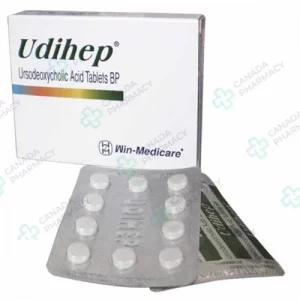
Actigall
Price range: $ 60,00 through $ 521,00
Active substance: Ursodiol
More Details
This product has multiple variants. The options may be chosen on the product page
Atorlip 5
Price range: $ 43,00 through $ 157,00
Active substance: Atorvastatin
More Details
This product has multiple variants. The options may be chosen on the product page
Lipitor
Price range: $ 41,00 through $ 353,00
Active substance: Atorvastatin
More Details
This product has multiple variants. The options may be chosen on the product page
Lopid
Price range: $ 70,00 through $ 424,00
Active substance: Gemfibrozil
More Details
This product has multiple variants. The options may be chosen on the product page
Prazosin
Price range: $ 87,00 through $ 737,00
Active substance: Prazosin
More Details
This product has multiple variants. The options may be chosen on the product page
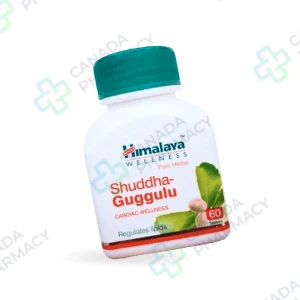
Shuddha Guggulu
Price range: $ 49,00 through $ 292,00
Active substance: Shuddha Guggulu
More Details
This product has multiple variants. The options may be chosen on the product page
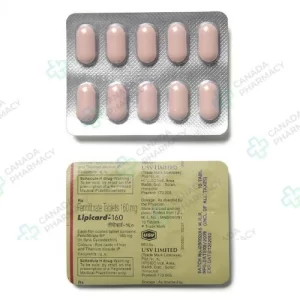
Tricor
Price range: $ 55,00 through $ 509,00
Active substance: Fenofibrate
More Details
This product has multiple variants. The options may be chosen on the product page
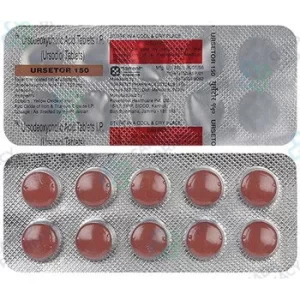
Urso
Price range: $ 66,00 through $ 431,00
Active substance: Ursodeoxycholic Acid
More Details
This product has multiple variants. The options may be chosen on the product page