

-21%
Rosuvastatin
Price range: $ 66,00 through $ 390,00
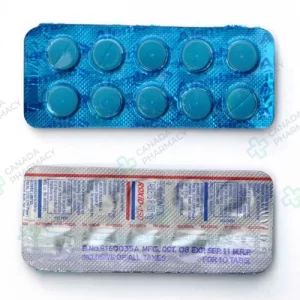
Rulide
Price range: $ 46,00 through $ 396,00
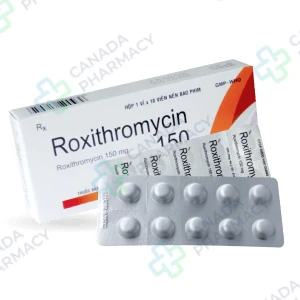
Roxithromycin
Price range: $ 59,00 through $ 278,00
Roxithromycin is a versatile macrolide antibiotic designed to effectively treat a wide range of bacterial infections. This medication is commonly used to manage respiratory tract conditions such as pharyngitis, tonsillitis, and acute bronchitis. It is also highly effective in treating community-acquired pneumonia and various skin or soft tissue infections. By inhibiting bacterial protein synthesis, the treatment stops the spread of harmful microbes and supports a faster recovery process. This reliable antibiotic provides a focused approach to clearing common infections and restoring your overall health.
Active substance: Roxithromycin
Delivery: 5–21 days (depending on the shipping method)
Extra 10% discount with coupon: IT4K6SVM
Each dosage option has its own packaging choices.
Description
Roxithromycin belongs to a group of medicines called macrolide antibiotics. It is formulated to combat various bacterial infections by inhibiting bacterial protein synthesis. Roxithromycin is dispensed in accordance with applicable federal and state regulations.
As a semi-synthetic derivative of erythromycin, roxithromycin features an etherified oxime chain attached to the lactone ring. This structural alteration enhances acid stability within the gastric environment and improves oral bioavailability compared to earlier macrolide agents.
| Parameter | Details |
|---|---|
| Active ingredient | Roxithromycin |
| Therapeutic class | Macrolide antibacterial |
| Dosage form | Oral tablet / Film-coated tablet |
| Route of administration | Oral |
| Primary purpose | Treatment of susceptible bacterial infections |
| Prescription status | Dispensed in accordance with applicable federal and state regulations |
Drug Overview and Clinical Pharmacology
Main uses
Roxithromycin is indicated for the treatment of mild to moderate infections caused by susceptible strains of microorganisms. Clinical applications primarily encompass upper respiratory tract infections, such as pharyngitis, tonsillitis, and acute sinusitis. It is also utilized in lower respiratory tract conditions, including acute bronchitis, acute exacerbations of chronic bronchitis, and community-acquired pneumonia. Additionally, roxithromycin is prescribed for dermatological and soft tissue infections, including folliculitis, furunculosis, and impetigo, as well as non-gonococcal genital tract infections caused by Chlamydia trachomatis. Susceptibility testing is recommended prior to initiating therapy to confirm bacterial sensitivity.
How the drug works
The antimicrobial mechanism of action relies on the inhibition of bacterial protein synthesis. The drug reversibly binds to the 50S subunit of the 70S bacterial ribosome. By blocking transpeptidation and translocation steps, it prevents the elongation of the polypeptide chain necessary for bacterial growth and replication. The drug is predominantly bacteriostatic at therapeutic concentrations, although bactericidal activity may occur against highly sensitive strains or when present at elevated tissue concentrations. Its spectrum includes Gram-positive pathogens such as Streptococcus pneumoniae and Staphylococcus aureus (methicillin-susceptible), as well as atypical pathogens like Mycoplasma pneumoniae, Legionella pneumophila, and Chlamydia pneumoniae.
How it’s absorbed and eliminated
Following oral administration, roxithromycin is rapidly absorbed from the gastrointestinal tract. It exhibits superior acid stability compared to erythromycin, resulting in higher peak plasma concentrations. Maximal plasma concentrations are typically achieved within 1.5 to 2 hours after ingestion. The systemic bioavailability is approximately 50%. The active substance distributes extensively into body tissues and fluids, achieving high concentrations in bronchial mucosa, lung tissue, tonsils, and inflammatory exudates. Plasma protein binding is high, predominantly to alpha-1-acid glycoprotein, ranging from 80% to 96% depending on drug concentration. Metabolism occurs in the liver through limited oxidation pathways. The elimination half-life ranges between 10 and 12 hours in healthy adults, allowing for once- or twice-daily dosing schedules. Elimination occurs primarily via hepatic metabolism and biliary excretion, with less than 10% excreted unchanged in the urine.
Signs of improvement
Assessment of clinical response relies on the resolution of infection-specific symptoms. For respiratory infections, reduction in fever, decreased cough severity, and improvement in breathing discomfort typically become apparent within 48 to 72 hours of starting therapy. In soft tissue infections, decreased localized redness, swelling, and pain indicate treatment efficacy. Laboratory parameters, such as normalized white blood cell counts and reduced inflammatory markers, further confirm recovery. Complete eradication of the pathogen requires completion of the full prescribed course, even if symptomatic improvement occurs early.
Safety and Administration Guidelines
Dosing schedule
The standard dosage and treatment duration for roxithromycin are determined by the nature and severity of the infection, patient age, and renal or hepatic function. In adult populations, the standard oral dosage is typically 150 mg taken twice daily, or 300 mg administered as a single daily dose. Tablets should be swallowed whole with a sufficient volume of water, preferably before meals to optimize systemic absorption. The standard duration of administration ranges from 5 to 10 days, depending on clinical indication. For pediatric patients, weight-based dosing formulations are utilized under direct professional supervision. Patients with severe hepatic impairment require dose adjustments or extended administration intervals to avoid systemic accumulation.
Compatibility with other medicines
Roxithromycin exhibits interactions with several drug classes due to its hepatic metabolic pathways. Co-administration with ergot alkaloids (such as ergotamine or dihydroergotamine) is contraindicated due to the risk of severe peripheral vasospasm and tissue ischemia. Concomitant administration with drugs metabolized by cytochrome P450 enzymes–such as theophylline, carbamazepine, or cyclosporine–may elevate serum concentrations of these agents, requiring therapeutic monitoring. Concurrent use of vitamin K antagonists like warfarin may increase prothrombin time and international normalized ratio (INR) values, necessitating frequent coagulation checks. Caution is advised when combining roxithromycin with antiarrhythmic agents, cisapride, or pimozide, as potential QT-interval prolongation may increase cardiac dysrhythmia risks.
Adverse reactions
Clinical administration of roxithromycin may be accompanied by adverse effects, most of which are mild and transient. Gastrointestinal disturbances represent the most common reactions, including nausea, vomiting, abdominal pain, diarrhea, and dyspepsia. Dermatological reactions, such as skin rash, pruritus, and urticaria, have been reported. Neurological events may include dizziness, headache, and transient taste or smell disturbances. Less frequently, hepatic enzyme elevations (AST, ALT, alkaline phosphatase) and cholestatic hepatitis may occur. Rare but serious reactions include hypersensitivity events, anaphylaxis, Clostridioides difficile-associated diarrhea, and QT-interval prolongation on electrocardiography. Patients experiencing severe symptoms should report them to a healthcare provider.
Food and alcohol interactions
Food intake decreases the rate and extent of oral absorption of roxithromycin. To ensure optimal bioavailability, the medication should be taken at least 15 minutes before meals or on an empty stomach. While direct chemical interactions between roxithromycin and alcohol are not established, concurrent alcohol consumption is not recommended. Alcohol may exacerbate gastrointestinal adverse effects, such as nausea and dizziness, and place additional metabolic stress on the liver during active infection management.
If you skip a dose
If a scheduled dose of roxithromycin is missed, it should be taken as soon as remembered, provided the time for the next scheduled dose is not imminent. If the next dose is due shortly, the missed dose should be skipped and the regular dosing schedule resumed. Patients must not double the dose to make up for a missed administration, as taking excessive amounts increases the likelihood of gastrointestinal irritation and secondary adverse reactions.
Important precautions
Precautionary measures are warranted prior to initiating therapy. Patients with pre-existing hepatic impairment require careful clinical evaluation and periodic liver function monitoring during treatment. Caution is advised in individuals with baseline cardiac conduction abnormalities, congenital long QT syndrome, or uncorrected electrolyte imbalances, due to potential risk of QT prolongation. In pregnant or breastfeeding individuals, roxithromycin should only be prescribed if the potential clinical benefit outweighs risks to the fetus or infant, as safety data in human pregnancy remains limited. Pediatric use requires weight-adjusted dosing formulations under professional supervision. Elderly patients may demonstrate reduced renal or hepatic clearance, necessitating baseline assessment before initiating therapy.
Storage and expiration
Roxithromycin tablets should be stored at controlled room temperature, ideally between 68°F and 77°F (20°C to 25°C), away from excess heat, moisture, and direct light exposure. Do not store the medication in humid environments like bathrooms. Ensure the product remains stored in its original child-resistant container and kept out of reach of children and pets. Expired medication or unused tablets should be disposed of in accordance with local environmental regulations and pharmacy take-back programs, rather than flushed down domestic drains.
Common questions
Frequently Asked Questions
Is roxithromycin effective against viral infections like the common cold?
No, roxithromycin is an antibiotic specifically formulated to treat bacterial infections. It exhibits no pharmacological activity against viruses, including those responsible for the common cold, influenza, or acute viral bronchitis. Using antibiotics for viral illnesses is clinically ineffective and contributes to the development of bacterial resistance.
What should be done if stomach upset occurs after taking roxithromycin?
Mild gastrointestinal discomfort, such as nausea or mild abdominal cramps, can occasionally occur. While roxithromycin is best absorbed before meals, taking it with a small amount of light food may help reduce gastric distress if irritation persists. If severe nausea, vomiting, or persistent abdominal pain develops, contact a healthcare provider for advice.
Can roxithromycin be taken at the same time as antacids?
Antacids containing aluminum or magnesium may interfere with or delay the absorption of oral macrolide antibiotics when taken simultaneously. To prevent potential pharmacokinetic interactions, it is generally recommended to separate the administration of roxithromycin and oral antacids by at least two hours.
How long does roxithromycin remain in the systemic circulation?
Roxithromycin has an elimination half-life of approximately 10 to 12 hours in individuals with normal renal and hepatic function. Because of this relatively extended half-life, therapeutic drug levels are maintained in plasma and target tissues, allowing for once- or twice-daily dosing schedules. Complete elimination from the body typically takes about two to three days after the final dose.
Is it necessary to finish the entire prescribed course even if symptoms disappear?
Yes, completing the full duration of prescribed antibiotic therapy is necessary to ensure complete eradication of the infectious bacterial pathogen. Premature discontinuation, even when clinical symptoms improve, may leave residual bacteria alive. This increases the risk of infection relapse and promotes the emergence of antibiotic-resistant bacterial strains.
This text is for informational purposes only and does not constitute individual medical advice.
In accordance with FDA guidelines and federal regulations.
Additional information
| Dosage |
150mg |
|---|---|
| Package |
60 pills ,90 pills ,120 pills ,180 pills ,270 pills ,360 pills |
| Ενεργός Ουσία |
Related products
Azee
Price range: $ 30,00 through $ 150,00
Active substance: Azithromycin
More Details
This product has multiple variants. The options may be chosen on the product page
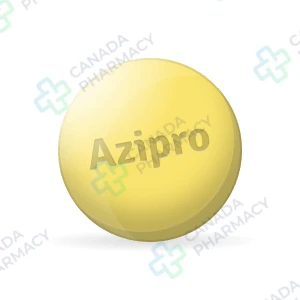
Azipro
Price range: $ 90,00 through $ 680,00
Active substance: Azithromycin
More Details
This product has multiple variants. The options may be chosen on the product page
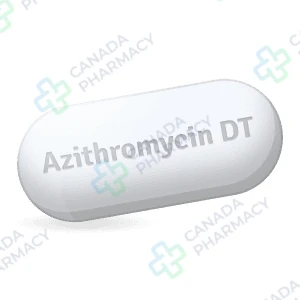
Azithromycin DT
Price range: $ 60,00 through $ 972,00
Active substance: Azithromycin
More Details
This product has multiple variants. The options may be chosen on the product page
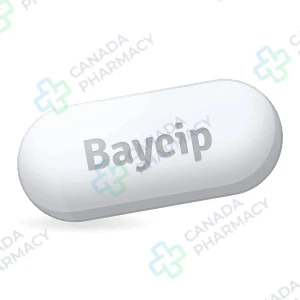
Baycip
Price range: $ 42,00 through $ 113,00
Active substance: Ciprofloxacin
More Details
This product has multiple variants. The options may be chosen on the product page
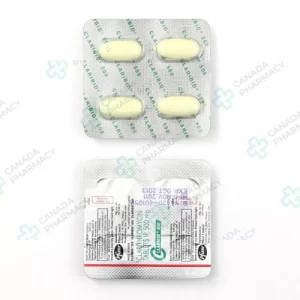
Biaxin
Price range: $ 107,00 through $ 427,00
Active substance: Clarithromycin
More Details
This product has multiple variants. The options may be chosen on the product page
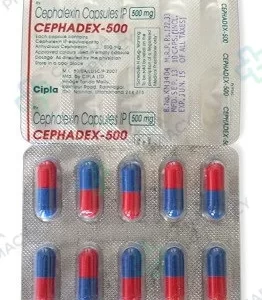
Cephalexin
Price range: $ 39,00 through $ 349,00
Active substance: cephalexin
More Details
This product has multiple variants. The options may be chosen on the product page
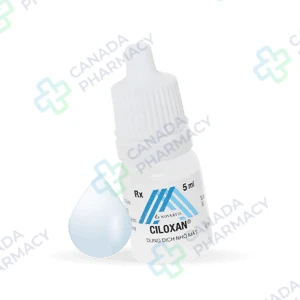
Ciloxan Ophthalmic Solution
Price range: $ 50,00 through $ 63,00
Active substance: Ciprofloxacin hydrochloride
More Details
This product has multiple variants. The options may be chosen on the product page

Cleocin
Price range: $ 91,00 through $ 361,00
Active substance: Clindamycin
More Details
This product has multiple variants. The options may be chosen on the product page