

-52%
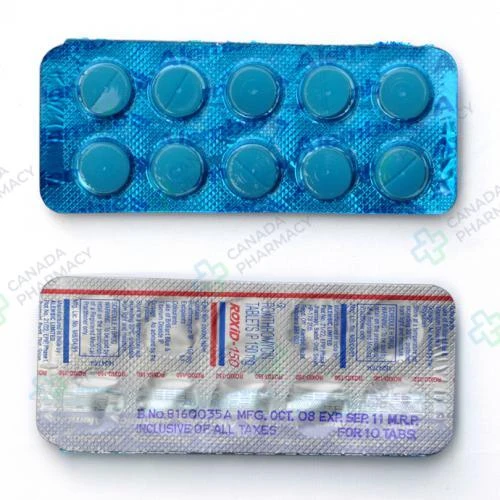
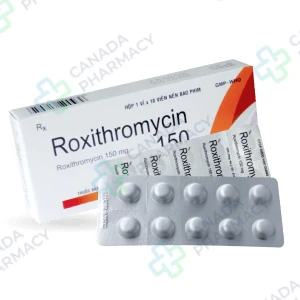
Roxithromycin
Price range: $ 59,00 through $ 278,00
Rumalaya
Price range: $ 51,00 through $ 206,00
Rulide
Price range: $ 46,00 through $ 396,00
Rulide is an effective macrolide antibiotic containing the active ingredient Roxithromycin, designed to combat a wide variety of bacterial infections. It works by inhibiting the growth of bacteria, effectively stopping the spread of the infection throughout the body. This medication is commonly used to treat respiratory tract infections, such as acute bronchitis, pneumonia, and tonsillitis. Additionally, Rulide is indicated for managing skin and soft tissue infections, as well as certain non-gonococcal urogenital tract conditions. With its targeted action and reliable results, this treatment helps patients recover quickly from common bacterial ailments.
Active substance: Roxithromycin
Delivery: 5–21 days (depending on the shipping method)
Extra 10% discount with coupon: IT4K6SVM
Each dosage option has its own packaging choices.
Description
Rulide belongs to a class of antibacterial medications known as macrolide antibiotics. The active ingredient in this formulation is roxithromycin, a semi-synthetic macrolide that targets susceptible bacterial pathogens responsible for respiratory, soft tissue, and urinary tract infections. When prescribed, this medication is dispensed in accordance with applicable federal and state regulations.
This overview provides concise clinical details regarding the pharmacological profile, therapeutic applications, potential adverse reactions, and safe administration guidelines for healthcare providers and patients evaluating antimicrobial options.
Product Overview
| Rulide |
| Roxithromycin |
| Macrolide antibacterial agent |
| Oral tablet |
| Oral |
| Treatment of susceptible bacterial infections |
| Dispensed in accordance with applicable federal and state regulations |
How the drug works
Rulide exerts its antimicrobial activity primarily through the inhibition of bacterial protein synthesis. The active constituent, roxithromycin, reversibly binds to the 50S ribosomal subunit of susceptible microorganisms. By blocking the transpeptidation and translocation steps of protein assembly, the compound halts bacterial peptide chain elongation. This action is predominantly bacteriostatic, preventing the growth and replication of bacteria, although bactericidal effects may occur at higher concentrations against highly sensitive strains.
The antimicrobial spectrum of roxithromycin includes Gram-positive pathogens such as Streptococcus pneumoniae, Streptococcus pyogenes, and Staphylococcus aureus (methicillin-susceptible strains), as well as atypical organisms including Mycoplasma pneumoniae, Chlamydia pneumoniae, and Legionella pneumophila. Gram-negative bacterial activity is limited, though certain fastidious organisms like Moraxella catarrhalis and Bordetella pertussis demonstrate susceptibility under standard dosing conditions.
Main uses
The therapeutic indications for Rulide center on mild-to-moderate infections caused by susceptible microorganisms. Clinical applications primarily encompass upper respiratory tract infections, including pharyngitis, tonsillitis, acute sinusitis, and otitis media. Lower respiratory tract conditions–such as community-acquired pneumonia, acute exacerbations of chronic bronchitis, and atypical pneumonia–are also major indications for this macrolide agent.
Additionally, roxithromycin is utilized in dermatological and soft tissue infections, including folliculitis, furunculosis, impetigo, and pyoderma. Non-gonococcal genital tract infections attributed to Chlamydia trachomatis or Ureaplasma urealyticum represent further therapeutic uses. Prescribers typically mandate microbiological testing or clinical confirmation of bacterial origin prior to initiating treatment to prevent the emergence of antimicrobial resistance. Any off-label applications of this drug must be carefully assessed by a licensed clinician based on localized clinical guidelines and pathogen sensitivity profile.
Dosing schedule
Appropriate administration of Rulide requires adherence to individual clinical assessment and specific prescribing guidelines. For adult populations treating standard respiratory or skin infections, the customary dosage is 300 mg daily, administered either as a single 300 mg tablet once per day or divided as one 150 mg tablet twice daily (every 12 hours). The duration of therapy depends on the severity of the infection and patient response, typically ranging from 5 to 10 days for uncomplicated respiratory tract infections.
Tablets should be swallowed whole with a sufficient amount of water, ideally taken at least 15 minutes before meals or on an empty stomach to optimize systemic absorption. For pediatric patients or individuals with hepatic impairment, dosing adjustments are necessary and determined strictly by weight or organ function parameters. Patients must complete the full prescribed course even if symptoms resolve early, as premature cessation increases the risk of bacterial recurrence and resistance development.
How it’s absorbed and eliminated
Following oral administration, roxithromycin demonstrates rapid absorption from the gastrointestinal tract, reaching peak plasma concentrations within approximately 1.5 to 2 hours. Peak plasma levels are noticeably higher and achieved more consistently when the medication is ingested prior to meals rather than postprandially. Unlike erythromycin, roxithromycin exhibits superior stability in acidic gastric environments, contributing to greater oral bioavailability.
Roxithromycin exhibits high plasma protein binding, primarily to alpha-1-acid glycoprotein, with binding rates reported between 80% and 96% at therapeutic concentrations. The drug distributes effectively into pulmonary tissues, tonsils, inflammatory fluids, and alveolar macrophages. Biotransformation occurs extensively in the liver via cytochrome P450 enzymes (mainly CYP3A isoforms), yielding metabolites that are excreted alongside unchanged drug through biliary and fecal routes, with renal excretion accounting for less than 10% of total clearance. The elimination half-life in adults with normal hepatic function averages 10 to 12 hours.
Adverse reactions
Treatment with Rulide is generally tolerated, but adverse effects can occur across various organ systems. Gastrointestinal disturbances represent the most frequently reported side effects, including nausea, vomiting, abdominal pain, diarrhea, and dyspepsia. Mild alterations in taste perception (dysgeusia) or transient anorexia may also manifest during the treatment course.
Dermatological reactions include mild skin rashes, pruritus, and urticaria. Neurological effects such as headache, dizziness, and mild malaise have been reported. Less commonly, elevated liver enzymes (transaminases and alkaline phosphatase) or transient cholestatic hepatitis may arise. Severe but rare adverse events include pseudomembranous colitis (associated with Clostridioides difficile overgrowth), QT interval prolongation, ventricular dysrhythmias, and severe cutaneous adverse reactions such as Stevens-Johnson syndrome or anaphylaxis requiring urgent clinical intervention.
What not to combine
Roxithromycin possesses the potential to interact with several drug classes due to its inhibition of cytochrome P450 hepatic enzymes, specifically CYP3A. Concomitant administration with ergot alkaloids (such as ergotamine or dihydroergotamine) is contraindicated because of the heightened risk of severe peripheral ischemia and ergotism. Concomitant use with drugs known to prolong the QT interval (e.g., class IA and III antiarrhythmics, cisapride, pimozide) should be avoided to prevent ventricular arrhythmias.
Co-administration with theophylline can lead to increased serum theophylline levels, necessitating monitoring of plasma concentration and dosage adjustments to prevent toxicity. Similarly, roxithromycin may elevate serum levels of vitamin K antagonists (such as warfarin), potentially increasing prothrombin time and bleeding risk; international normalized ratio (INR) values should be routinely monitored. Simultaneous administration of oral anticoagulants, cyclosporine, digoxin, or certain HMG-CoA reductase inhibitors (statins) requires cautious evaluation to prevent drug-drug interactions.
Important precautions
Caution is advised when prescribing Rulide to patients with pre-existing hepatic impairment, as roxithromycin metabolizes extensively in the liver; severe hepatic dysfunction warrants dose reduction or avoidance. Patients with baseline cardiac conditions, electrolyte imbalances (such as hypokalemia or hypomagnesemia), or congenital long QT syndrome require careful risk evaluation due to potential cardiac conduction alterations associated with macrolide antibiotics.
In elderly populations, age-related declines in organ function may necessitate close monitoring, though dose adjustments solely based on age are generally unnecessary unless significant renal or hepatic impairment is present. Pregnant and breastfeeding women should use this drug only when clearly indicated and prescribed by a healthcare provider, as safety data in pregnancy are limited, and small amounts of the active substance pass into human breast milk. Patients experiencing neuromuscular disorders like myasthenia gravis must be monitored, as macrolides may exacerbate muscle weakness.
Food and alcohol interactions
Food intake significantly influences the absorption profile of Rulide. Administering roxithromycin with meals or immediately after food consumption can reduce systemic bioavailability and delay peak plasma concentrations. Therefore, it is recommended to take the medication at least 15 minutes prior to a meal or on an empty stomach with a full glass of water.
While ethanol does not directly alter the metabolic rate of roxithromycin, concurrent alcohol consumption during active bacterial infection is discouraged. Alcohol can exacerbate gastrointestinal side effects such as nausea and dizziness, compromise immune response, and place additional metabolic stress on hepatic pathways responsible for clearing systemic medications.
If you skip a dose
If a dose of Rulide is missed, it should be taken as soon as remembered, provided that the next scheduled dose is not due shortly. If it is almost time for the subsequent dose, the missed dose should be skipped, and the regular dosing schedule resumed without interruption.
Patients should never double the dose or take extra tablets to compensate for a missed administration, as taking excessive amounts increases the likelihood of gastrointestinal irritation and adverse systemic reactions. Maintaining consistent interval timing helps preserve therapeutic drug concentrations in the blood necessary for optimal antibacterial efficacy.
Storage and expiration
Rulide tablets must be stored at room temperature, ideally between 68°F and 77°F (20°C to 25°C), away from excessive heat, direct light, and moisture. Store the medication in its original blister packaging or tightly closed container until ready for administration to protect the active ingredient from environmental degradation.
Keep out of reach of children and pets. Do not store tablets in humid locations such as bathroom cabinets. Ensure the product is checked for expiration dates prior to use, and safely discard any expired or unused medication according to local pharmacy or municipal hazardous waste guidance.
Day-to-day use
Incorporating Rulide into a daily routine requires attention to timing relative to meals and concurrent treatments. Tablets should be taken with a full glass of water, maintaining equal intervals between doses when prescribed twice daily (e.g., every 12 hours) to ensure uniform drug concentration in body tissues.
If antacids containing aluminum or magnesium are used, they should be taken at least two hours apart from this medication to prevent impaired gastrointestinal absorption. Patients should complete the entire duration of therapy as prescribed, even if symptoms improve within the first few days, to prevent relapse and support effective clinical resolution.
Common questions
What should be done if a dose of roxithromycin is missed?
Take the missed dose as soon as remembered, unless it is close to the time for the next scheduled dose. Never take two doses at once to make up for a missed tablet, as this can increase gastrointestinal discomfort.
Can roxithromycin be taken simultaneously with antacids?
Antacids containing aluminum or magnesium salts may interfere with the absorption of macrolide antibiotics. It is advisable to separate the administration of antacids and roxithromycin by at least two hours.
Does this medication affect the ability to drive or operate heavy machinery?
Roxithromycin generally does not impair alertness or motor skills. However, if side effects like dizziness, headache, or confusion occur, patients should refrain from driving or operating machinery until these symptoms resolve.
What signs indicate a severe allergic reaction to macrolide antibiotics?
Severe allergic reactions are rare but require immediate emergency medical care. Warning signs include difficulty breathing, swelling of the face, lips, tongue, or throat, severe dizziness, and severe skin rash with blistering.
How long does a typical course of macrolide antibiotic therapy last?
The standard treatment duration usually ranges between 5 and 10 days, depending on the site and severity of the infection. Always follow the duration specified by the prescribing physician.
In accordance with FDA requirements.
This text is for informational purposes only and does not constitute individual medical advice.
Additional information
| Dosage |
150mg ,300mg |
|---|---|
| Package |
20 pills ,30 pills ,60 pills ,90 pills ,120 pills ,180 pills ,270 pills ,360 pills |
| Ενεργός Ουσία |
Related products
Amoxil
Price range: $ 40,00 through $ 170,00
Active substance: amoxicillin
More Details
This product has multiple variants. The options may be chosen on the product page

Azee DT
Price range: $ 20,00 through $ 42,00
Active substance: Azithromycin
More Details
This product has multiple variants. The options may be chosen on the product page
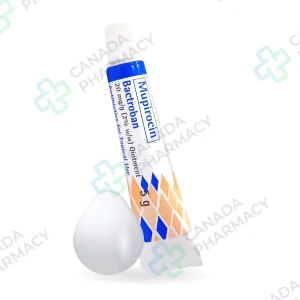
Bactroban Ointment 5g
Price range: $ 55,00 through $ 200,00
Active substance: Mupirocin
More Details
This product has multiple variants. The options may be chosen on the product page

Cephadex
Price range: $ 16,00 through $ 48,00
Active substance: cephalexin
More Details
This product has multiple variants. The options may be chosen on the product page
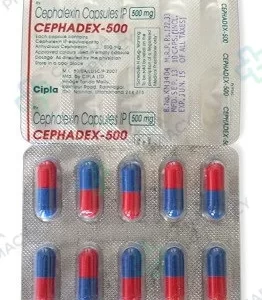
Cephalexin
Price range: $ 39,00 through $ 349,00
Active substance: cephalexin
More Details
This product has multiple variants. The options may be chosen on the product page

Chloramphenicol
Price range: $ 56,00 through $ 260,00
Active substance: chloramphenicol
More Details
This product has multiple variants. The options may be chosen on the product page
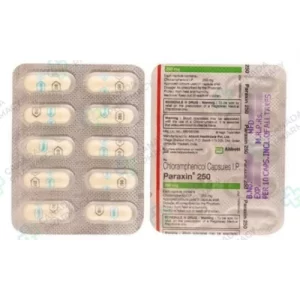
Chloromycetin
Price range: $ 52,00 through $ 242,00
Active substance: chloramphenicol
More Details
This product has multiple variants. The options may be chosen on the product page
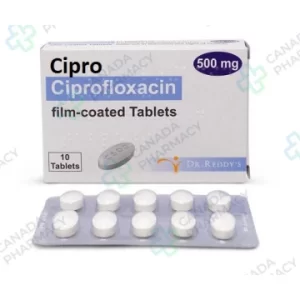
Cipro
Price range: $ 40,00 through $ 317,00
Active substance: Ciprofloxacin
More Details
This product has multiple variants. The options may be chosen on the product page