

-50%
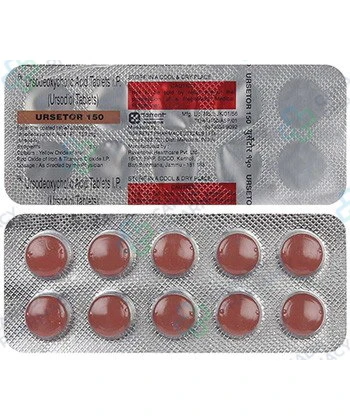
Tynept
Price range: $ 29,00 through $ 124,00

Valparin
Price range: $ 100,00 through $ 273,00
Urso
Price range: $ 66,00 through $ 431,00
Urso contains the active ingredient ursodiol, a naturally occurring bile acid that helps improve liver function and bile flow. It is primarily indicated for the treatment of primary biliary cholangitis, a chronic condition that affects the bile ducts within the liver. This medication is also effective in dissolving small to medium-sized cholesterol gallstones in patients who are not candidates for surgery. Additionally, Urso is frequently used to prevent the formation of gallstones in individuals undergoing rapid weight loss. By reducing the amount of cholesterol produced by the liver and absorbed by the body, Urso supports overall gallbladder and hepatic health.
Active substance: Ursodeoxycholic Acid
Delivery: 5–21 days (depending on the shipping method)
Extra 10% discount with coupon: IT4K6SVM
Each dosage option has its own packaging choices.
Description
Urso belongs to a class of medications known as gallstone solubilizing agents, containing the naturally occurring bile acid ursodiol. It is a prescription medication FDA-approved for the treatment of primary biliary cholangitis and for the dissolution of specific types of gallstones in adults. Successful therapy requires strict medical supervision and regular laboratory evaluations.
This informational guide outlines the clinical utility, pharmacological mechanism, potential side effects, and practical guidance associated with Urso therapy on the United States market.
| Attribute | Details |
|---|---|
| Drug name | Urso / Urso Forte |
| Active ingredient | Ursodiol (Ursodeoxycholic acid) |
| Therapeutic class | Gallstone solubilizing agent / Hepatic-biliary agent |
| Dosage form | Oral tablet (250 mg, 500 mg) |
| Route of administration | Oral |
| Prescription status | Prescription (Rx) only |
Basic Overview and Pharmacological Profile
Key Indications and Clinical Administration
Main uses: Urso (ursodiol) is indicated for the treatment of patients with primary biliary cholangitis (PBC), a chronic cholestatic liver disease characterized by progressive destruction of intrahepatic bile ducts. In addition, ursodiol formulations are indicated for the dissolution of radiolucent, noncalcified gallstones smaller than 20 millimeters in diameter in patients for whom elective cholecystectomy (gallbladder removal surgery) is precluded due to systemic disease or high surgical risk. Any use of Urso for secondary biliary cirrhosis, non-alcoholic fatty liver disease, or pediatric cholestatic conditions represents an off-label application and must be determined exclusively by a qualified healthcare provider based on individual clinical assessment.
Dosing schedule: The therapeutic dosage of Urso is calculated primarily based on patient body weight. For the management of primary biliary cholangitis, the standard recommended daily dosage ranges from 13 to 15 mg/kg/day, typically administered in two to four divided doses with meals. For gallstone dissolution, daily dosages generally range from 8 to 10 mg/kg/day, divided into two or three doses. Tablets should be taken consistently with food to enhance gastrointestinal tolerance and biliary absorption. Patients taking film-coated scored tablets (such as Urso 250 or Urso Forte) should follow specific prescriber directions regarding splitting tablets when dose adjustments are necessary.
Signs of improvement: Determining the effectiveness of Urso relies on objective medical evaluations rather than immediate subjective symptom changes. In primary biliary cholangitis, therapeutic success is monitored through periodic liver function blood tests, specifically tracking reductions in serum alkaline phosphatase, total bilirubin, alanine aminotransferase (ALT), and aspartate aminotransferase (AST) levels. For gallstone dissolution, diagnostic ultrasound imaging of the gallbladder is typically performed every 6 to 12 months to measure changes in stone size and count. Complete dissolution of radiolucent gallstones often requires several months to over a year of continuous daily administration.
Pharmacokinetics and Drug Interactions
How the drug works: Ursodiol is a naturally occurring secondary bile acid present in small quantities in human bile. When administered orally, Urso suppresses hepatic synthesis and secretion of cholesterol into bile, while simultaneously inhibiting intestinal absorption of dietary cholesterol. Over time, this shifts bile composition from cholesterol-saturated to cholesterol-unsaturated, facilitating the gradual dissolution of cholesterol-rich gallstones. In primary biliary cholangitis, ursodiol replaces endogenous, potentially toxic hydrophilic bile acids, protects cholangiocytes from cell membrane damage, reduces immunoglobulins, and stimulates hepatic bile flow.
How it’s absorbed and eliminated: Following oral administration, approximately 90% of a dose of ursodiol is absorbed in the small intestine via passive transport. Once absorbed, ursodiol enters portal circulation and undergoes extensive first-pass hepatic extraction, with up to 70% extracted by healthy liver tissue during a single pass. In the liver, ursodiol is conjugated with glycine or taurine before being excreted into the bile. Conjugated ursodiol enters the small intestine, undergoes partial deconjugation by intestinal bacteria back to ursodiol or lithocholic acid, and participates in enterohepatic recirculation. Non-absorbed fractions and lithocholic acid derivatives are ultimately eliminated in feces.
Compatibility with other medicines: Concurrent administration of Urso with certain other pharmacological agents can significantly alter its therapeutic efficacy. Bile acid sequestrants, such as cholestyramine and colestipol, bind ursodiol in the gastrointestinal lumen and prevent its absorption; therefore, Urso must be taken at least 1 hour before or 4 to 5 hours after these medications. Aluminum-based antacids similarly interfere with ursodiol absorption and should not be co-administered. Estrogens, oral contraceptives, and lipid-lowering agents such as clofibrate or other fibrates increase hepatic cholesterol secretion and gallstone formation potential, directly opposing the therapeutic mechanism of ursodiol.
What to avoid while taking it: Urso should ideally be taken with meals to ensure optimal biliary uptake and gastrointestinal tolerance. Patients with primary biliary cholangitis or severe hepatic dysfunction should strictly avoid heavy alcohol consumption, as ethanol can exacerbate parenchymal liver injury, interfere with bile production, and confound hepatic enzyme monitoring. No specific dietary restrictions are universally required, though maintaining a low-cholesterol diet may complement treatment goals during gallstone dissolution therapy.
Safety Profile and Frequently Asked Questions
Important Precautions and Special Populations
Adverse reactions: Urso is generally well-tolerated, but adverse effects can occur across various organ systems. The most common gastrointestinal side effect reported in clinical trials is mild diarrhea or loose stools, which often resolves without intervention. Other reported reactions include abdominal discomfort, nausea, dyspepsia, biliary pain, rash, pruritus, and rarely, transient hair thinning (alopecia). In patients treated for primary biliary cholangitis, pre-existing symptoms like itching may transiently intensify upon initiation of therapy before showing gradual improvement.
Important precautions: Urso should not be administered to patients with complete biliary obstruction, acute cholecystitis, cholangitis, or calcified radiopaque gallstones, as these conditions render ursodiol therapy ineffective and potentially hazardous. Periodic monitoring of serum liver function tests (ALT, AST, alkaline phosphatase, and total bilirubin) is essential during therapy, typically conducted every month for the first three months and every six months thereafter. If liver enzyme levels increase significantly, dosage adjustment or discontinuation of therapy must be evaluated by the managing clinician.
Special populations: Safety and efficacy data regarding ursodiol during pregnancy remain controlled under clinical discretion; ursodiol is classified in human data as showing no consistent evidence of fetal risk, but use during the first trimester requires a strict risk-benefit assessment by a physician. It is not fully established whether ursodiol passes into human breast milk in clinically significant quantities, warranting caution during lactation. Pediatric safety and effectiveness for chronic cholestatic conditions have not been established through standardized pediatric FDA trials, making use in children an off-label decision. Elderly patients require standard weight-based dosing without intrinsic age-related contraindications, provided renal and liver evaluations are satisfactory.
If you skip a dose: If a scheduled dose of Urso is missed, it should be taken as soon as remembered on that day, preferably with a snack or meal. However, if it is nearly time for the next scheduled dose, the missed dose should be skipped entirely, resuming the regular dosing routine. Patients must never double the dose or take extra tablets to compensate for a missed administration.
Common Questions
How long does it usually take for Urso to dissolve gallstones?
Gallstone dissolution with ursodiol is a gradual process that depends heavily on stone size, composition, and gallbladder compliance. While partial dissolution may occur within 3 to 6 months, complete resolution typically requires 6 to 24 months of uninterrupted daily administration. Regular ultrasound evaluations every 6 months help track progress and determine whether ongoing therapy remains appropriate.
Can Urso tablets be split or dissolved if swallowing is difficult?
Urso 250 mg and Urso Forte 500 mg tablets are scored and designed to be split cleanly along the score line if a partial dose is prescribed by a physician. However, crushed or broken tablets have an extremely bitter taste, so they should be swallowed promptly with water or food rather than dissolved in liquids.
What lab tests are necessary while taking Urso?
Patients receiving Urso require baseline liver function testing, including alkaline phosphatase, AST, ALT, and total bilirubin measurements. These blood tests are typically repeated monthly for the first three months of treatment and every six months during long-term maintenance therapy to ensure liver function remains stable.
Is it normal for itching to increase when starting Urso for primary biliary cholangitis?
Some patients with primary biliary cholangitis experience a temporary exacerbation of pruritus (itching) during the first few weeks of ursodiol therapy. If this occurs, healthcare providers may temporarily lower the daily dose and gradually titrate back to the target dose as tolerance improves.
What happens if gallstones do not show signs of dissolution after continuous use?
If diagnostic ultrasound shows no reduction in gallstone size after 12 months of consistent therapy, the likelihood of successful dissolution diminishes significantly. Under these circumstances, the prescribing doctor will reassess treatment options, which may include surgical evaluation or alternative management strategies.
In accordance with FDA requirements.
This text is for informational purposes only and does not constitute individual medical advice.
Additional information
| Dosage |
150 mg ,300 mg |
|---|---|
| Package |
30 tabs ,60 tabs ,90 tabs ,120 tabs ,180 tabs ,360 tabs |
| Ενεργός Ουσία |
Related products
Abana
Price range: $ 89,00 through $ 580,00
Active substance: Abana
More Details
This product has multiple variants. The options may be chosen on the product page
Asacol
Price range: $ 62,00 through $ 88,00
Active substance: Mesalamine
More Details
This product has multiple variants. The options may be chosen on the product page
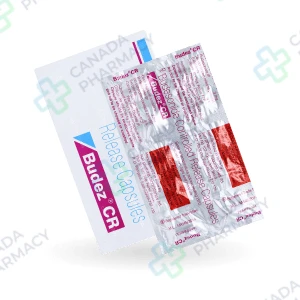
Budez CR
Price range: $ 23,00 through $ 108,00
Active substance: Budesonide
More Details
This product has multiple variants. The options may be chosen on the product page
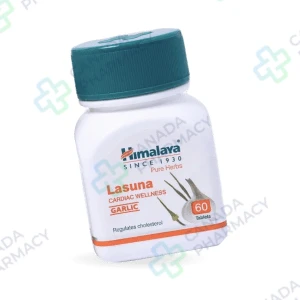
Lasuna
Price range: $ 58,00 through $ 244,00
Active substance: extracts of garlic
More Details
This product has multiple variants. The options may be chosen on the product page
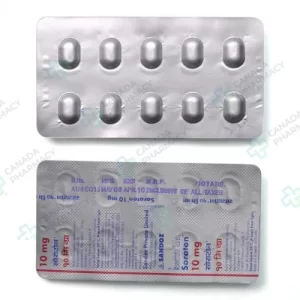
Lipitor
Price range: $ 41,00 through $ 353,00
Active substance: Atorvastatin
More Details
This product has multiple variants. The options may be chosen on the product page
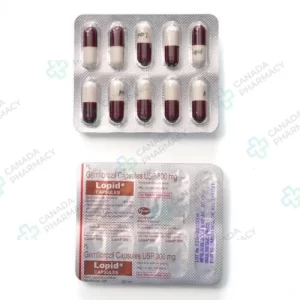
Lopid
Price range: $ 70,00 through $ 424,00
Active substance: Gemfibrozil
More Details
This product has multiple variants. The options may be chosen on the product page
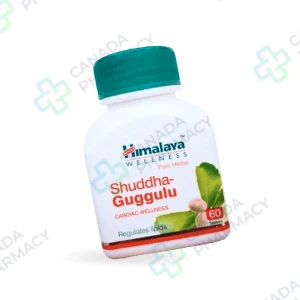
Shuddha Guggulu
Price range: $ 49,00 through $ 292,00
Active substance: Shuddha Guggulu
More Details
This product has multiple variants. The options may be chosen on the product page

Zocor
Price range: $ 30,00 through $ 361,00
Active substance: Simvastatin
More Details
This product has multiple variants. The options may be chosen on the product page