

-24%
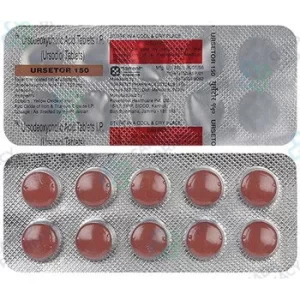
Urso
Price range: $ 66,00 through $ 431,00

Vancomycin
Price range: $ 122,00 through $ 399,00
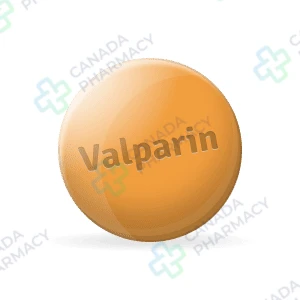
Valparin
Price range: $ 100,00 through $ 273,00
Valparin is an effective anticonvulsant medication primarily used to manage and control various types of seizure disorders, including generalized and partial epilepsy. The active ingredient works by restoring the balance of certain natural substances in the brain to reduce abnormal electrical activity. In addition to treating epilepsy, this medication is frequently utilized to stabilize moods during the manic episodes associated with bipolar disorder. It is also an established therapeutic option for the long-term prevention of migraine headaches in adult patients. Available in several strengths, Valparin offers a reliable approach to maintaining neurological health and emotional stability.
Active substance: Valproic Acid
Delivery: 5–21 days (depending on the shipping method)
Extra 10% discount with coupon: IT4K6SVM
Each dosage option has its own packaging choices.
Description
Valparin belongs to a class of pharmacological agents known as anticonvulsants and mood stabilizers. It contains valproate sodium or valproic acid derivatives, which are utilized in clinical neurology and psychiatry to manage specific seizure disorders, acute manic episodes associated with bipolar disorder, and for the prophylaxis of migraine headaches. The medication acts primarily upon central nervous system neurotransmission to reduce abnormal electrical hyperexcitability in brain tissue.
Dispensed strictly as a prescription medication under federal and state regulations in the United States, treatment with Valparin requires individualized dosing, routine therapeutic blood level monitoring, and ongoing clinical supervision by a qualified physician. Due to its systemic pharmacological activity, optimal treatment outcomes depend on strict adherence to prescriber instructions, consistent administration, and a clear understanding of potential safety considerations.
| Parameter | Clinical Details |
|---|---|
| Active Ingredient | Valproate Sodium / Valproic Acid |
| Therapeutic Class | Anticonvulsant / Mood Stabilizer |
| Dosage Form | Oral Tablets / Extended-Release Tablets / Oral Solution |
| Route of Administration | Oral |
| Primary Purpose | Seizure control, bipolar mania management, migraine prevention |
| Prescription Status | Prescription Only (Rx) |
Pharmacological Profile and Clinical Use
Mechanism and Pharmacokinetics
How the drug works
The precise mechanism of action of valproate has not been fully elucidated, but its therapeutic effects are largely attributed to the enhancement of gamma-aminobutyric acid (GABA) function in the central nervous system. Valproate increases brain concentrations of GABA–an inhibitory neurotransmitter–by inhibiting its metabolic degradation through enzymes such as GABA transaminase and succinic semialdehyde dehydrogenase, while potentially stimulating GABA synthesis. Additionally, the drug exhibits voltage-dependent suppression of neuronal voltage-gated sodium channels and attenuates T-type calcium channel currents in thalamic circuits. This combined biochemical profile suppresses abnormal high-frequency neuronal discharge, preventing the initiation and propagation of epileptic activity across cortical pathways.
What happens in the body
Following oral administration, valproate is rapidly absorbed from the gastrointestinal tract. Peak plasma concentrations are typically achieved within 1 to 4 hours for immediate-release formulations, whereas extended-release formulations slow the rate of absorption to provide steady plasma drug concentrations over a 24-hour period. Valproate is highly bound to plasma proteins, predominantly albumin, at approximately 90% under standard therapeutic levels; however, the free (unbound) fraction increases significantly at higher plasma concentrations or in patients with renal impairment or hypoalbuminemia. The compound undergoes extensive hepatic metabolism via glucuronide conjugation (approximately 50%) and mitochondrial beta-oxidation (approximately 40%), with minor contributions from cytochrome P450 enzymes. Active and inactive metabolites are excreted by the kidneys. The elimination half-life ranges from 9 to 16 hours in healthy adults, though co-administration of hepatic enzyme-inducing drugs can shorten this duration.
Key Indications and Administration
What it’s used for
Valparin is indicated as monotherapy and adjunctive therapy in the treatment of complex partial seizures that occur either in isolation or in association with other types of seizures. It is also indicated for simple and complex absence seizures and as adjunctive therapy in patients with multiple seizure types, including generalized tonic-clonic seizures. In psychiatric care, valproate formulations are approved for the treatment of acute manic or mixed episodes associated with Bipolar I disorder, rapidly stabilizing mood fluctuations. Additionally, the medication is FDA-approved for the prophylaxis of migraine headaches in adult patients. Any use outside these labeled indications constitutes off-label use and must be carefully evaluated by a licensed healthcare prescriber.
Dosing schedule
Dosing of Valparin is highly individualized and determined based on the clinical indication, body weight, serum concentrations, and patient response. For epilepsy, therapy is usually initiated at 10 to 15 mg/kg/day, increased at weekly intervals by 5 to 10 mg/kg/day until clinical control is achieved or toxicities prevent further titration. The therapeutic serum concentration range for epilepsy is generally considered to be 50 to 100 mcg/mL, though some patients may require higher levels. For bipolar mania, dosing is initiated to achieve rapid therapeutic levels, often titrated up to target serum concentrations of 50 to 125 mcg/mL. Oral formulations should be swallowed whole with water and should not be chewed or crushed to avoid local mucosal irritation and alteration of extended-release delivery systems.
What to avoid while taking it
Concomitant intake of central nervous system depressants, including alcohol, must be avoided during Valparin therapy. Alcohol increases the sedating effects of valproate, leading to marked drowsiness, impaired motor coordination, and cognitive blunting. While food does not alter the overall bioavailability of valproate, administration with meals may decrease gastrointestinal irritation, such as nausea or abdominal upset, without compromising therapeutic efficacy.
Safety Guidelines and Precautions
Safety, Warnings, and Interactions
Adverse reactions
Treatment with Valparin may cause a range of adverse reactions varying from mild to severe. Frequently reported transient side effects include gastrointestinal distress (nausea, vomiting, dyspepsia, abdominal cramps, and diarrhea), somnolence, dizziness, tremor, asthenia, and weight gain. Mild hair thinning or alopecia is observed in some individuals, which is often temporary and reversible upon dosage reduction or treatment cessation. Dose-related hematologic changes may occur, including thrombocytopenia (low platelet count), leukopenia, and prolonged bleeding time. Metabolic alterations can include transient elevations in liver enzymes and asymptomatic hyperammonemia.
Important precautions
Valproate carries significant safety warnings regarding severe hepatic toxicity, pancreatitis, and teratogenic effects. Fatal hepatotoxicity has occurred, predominantly during the first six months of therapy, with the highest risk in children under two years of age receiving multiple anticonvulsant therapies or individuals with underlying mitochondrial disorders caused by mutations in the POLG gene. Pancreatitis, which can be hemorrhagic and fatal, has been reported in both pediatric and adult patients. Liver function tests and metabolic monitoring should be performed prior to initiating therapy and at frequent clinical intervals thereafter. Patients exhibiting lethargy, vomiting, or altered mental status should be evaluated for hyperammonemic encephalopathy.
Pregnancy, breastfeeding, and other groups
Valproate poses major risks when administered to pregnant women. In utero exposure is associated with a high incidence of major congenital malformations, particularly neural tube defects such as spina bifida, craniofacial defects, cardiovascular malformations, and developmental delay or decreased IQ scores in exposed children. Valparin is contraindicated for migraine prophylaxis in pregnant women and should generally be avoided in women of childbearing potential unless alternative medications are ineffective or unacceptable. Valproate is excreted in human milk in low concentrations; lactating mothers should consult their physician to evaluate the risk-benefit ratio of nursing during treatment.
Compatibility with other medicines
Valproic acid inhibits several metabolic pathways, including CYP2C9 and glucuronosyltransferases, leading to clinically significant interactions. Co-administration with lamotrigine results in a more than two-fold increase in lamotrigine serum concentrations, markedly increasing the risk of severe dermatologic reactions, including Stevens-Johnson syndrome; substantial dosage reduction of lamotrigine is required. Valproate inhibits the metabolism of phenobarbital, ethosuximide, and carbamazepine-epoxide, potentially increasing their toxicities. Salicylates (aspirin) displace valproate from protein binding sites and inhibit its metabolism, raising free valproate concentrations. Concurrent administration of carbapenem antibiotics (e.g., meropenem, imipenem) rapidly lowers valproate serum levels below therapeutic thresholds, increasing seizure risk.
If you skip a dose
If a dose of Valparin is missed, it should be taken as soon as remembered, unless it is close to the time for the next scheduled dose. In that scenario, the missed dose should be skipped and the standard regimen resumed. Patients must not double the dosage or take additional medication to compensate for a missed dose, as sudden plasma concentration spikes increase the risk of adverse neurological or metabolic toxicity.
Red flags
Certain symptoms mandate immediate clinical evaluation or emergency medical care. The presence of sudden abdominal pain radiating to the back, persistent vomiting, jaundice (yellowing of the skin or eyes), severe lethargy, unusual bruising, or facial edema requires immediate emergency assessment.
| Warning Sign | Potential Clinical Concern | Recommended Action |
|---|---|---|
| Severe abdominal pain with nausea | Acute Pancreatitis | Seek immediate emergency medical evaluation |
| Jaundice, dark urine, severe fatigue | Hepatotoxicity / Liver Dysfunction | Contact physician immediately; perform blood tests |
| Unexplained confusion or lethargy | Hyperammonemia / Encephalopathy | Obtain urgent blood ammonia and medical review |
| Unusual bruising or bleeding | Thrombocytopenia / Coagulation deficit | Perform complete blood count and coagulation profile |
Common Questions
Is routine blood testing required while taking Valparin?
Yes, therapeutic drug monitoring and safety laboratory testing are standard components of Valparin management. Physicians regularly measure total serum valproate concentrations to ensure levels remain within the therapeutic window. Baseline and periodic complete blood counts, coagulation studies, and liver function assays are necessary to detect potential hematologic or hepatic changes early.
Can Valparin be stopped abruptly if symptoms improve?
No, Valparin should never be discontinued abruptly. In patients treated for epilepsy, sudden withdrawal of anticonvulsant therapy can precipitate status epilepticus or severe rebound seizures. In psychiatric indications, abrupt cessation increases the risk of acute manic recurrence. Dosage reduction must occur gradually under medical supervision.
How does Valparin affect driving or operating machinery?
Valparin can cause central nervous system side effects including somnolence, dizziness, ataxia, and blurred vision, particularly during treatment initiation or dose escalation. Patients should refrain from driving, operating heavy machinery, or engaging in hazardous tasks until the individual response to the medication has been fully evaluated.
What should be done if stomach discomfort occurs early in treatment?
Mild gastrointestinal symptoms such as nausea, indigestion, or abdominal pain often occur when starting therapy. Administering Valparin with meals or using enterically coated formulations as directed by a prescriber can minimize gastric irritation. Persistent or severe gastrointestinal pain requires medical evaluation to rule out acute pancreatitis.
Can Valparin interact with common over-the-counter pain medications?
Yes, over-the-counter pain relievers, particularly aspirin, can significantly interact with Valparin by displacing valproic acid from serum proteins and slowing its metabolism, which raises free drug levels in the blood. Patients should consult their pharmacist or doctor prior to taking nonprescription pain medications or anti-inflammatory drugs.
In accordance with FDA requirements.
The information here does not replace medical advice from a licensed provider who knows your personal situation.
Additional information
| Dosage |
250 mg ,500 mg ,750 mg |
|---|---|
| Package |
30 tabs ,60 tabs ,90 tabs |
| Ενεργός Ουσία |
Related products
Axepta
Price range: $ 40,00 through $ 500,00
Active substance: Atomoxetine
More Details
This product has multiple variants. The options may be chosen on the product page
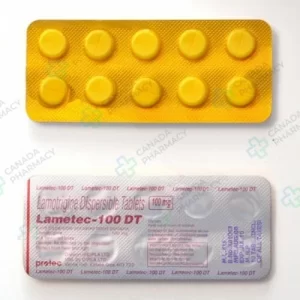
Lamictal Dispersible
Price range: $ 14,00 through $ 61,00
Active substance: Lamotrigine
More Details
This product has multiple variants. The options may be chosen on the product page
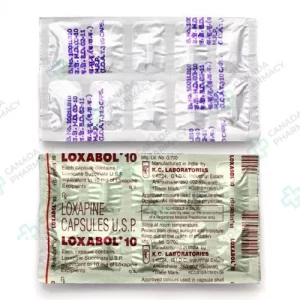
Loxitane
Price range: $ 43,00 through $ 76,00
Active substance: Loxapine Succinate
More Details
This product has multiple variants. The options may be chosen on the product page
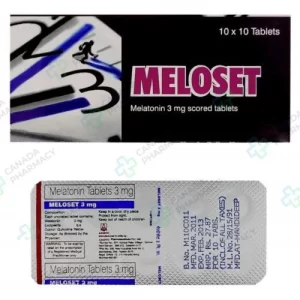
Melatonin
Anti-Inflammatories, AntiConvulsants, AntiParasitics, Cancer, Dementias, HIV, Migraine, Osteoporosis, Respiratory Tract
Price range: $ 46,00 through $ 201,00
Active substance: Melatonin
More Details
This product has multiple variants. The options may be chosen on the product page
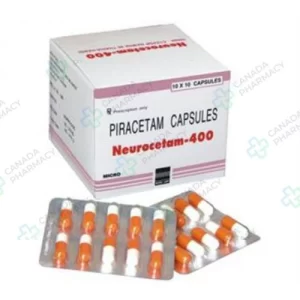
Nootropil
Price range: $ 30,00 through $ 363,00
Active substance: Piracetam
More Details
This product has multiple variants. The options may be chosen on the product page
Pim-800
Price range: $ 43,00 through $ 274,00
Active substance: Paracetamol
More Details
This product has multiple variants. The options may be chosen on the product page
Risperdal
Price range: $ 5,00 through $ 968,00
Active substance: Risperidone
More Details
This product has multiple variants. The options may be chosen on the product page
Topamax
Price range: $ 39,00 through $ 584,00
Active substance: Topiramate
More Details
This product has multiple variants. The options may be chosen on the product page