

-88%
Avodart
Price range: $ 40,00 through $ 556,00
Aygestin
Price range: $ 58,00 through $ 290,00
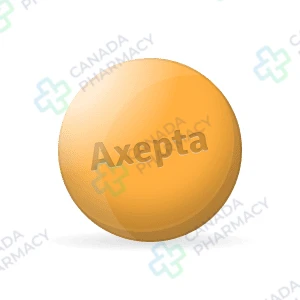
Axepta
Price range: $ 40,00 through $ 500,00
Axepta is a highly effective medication primarily indicated for the treatment of Attention-Deficit/Hyperactivity Disorder (ADHD) in both children and adults. As a selective norepinephrine reuptake inhibitor, it works by increasing the levels of specific natural substances in the brain to help balance activity. This non-stimulant formula is designed to improve focus, reduce impulsivity, and decrease restlessness in individuals struggling with ADHD symptoms. The medication is typically taken once or twice daily to provide consistent symptom management throughout the day. By enhancing concentration and organizational skills, Axepta helps patients better manage their daily tasks and improve overall social and academic performance.
Active substance: Atomoxetine
Delivery: 5–21 days (depending on the shipping method)
Extra 10% discount with coupon: IT4K6SVM
Each dosage option has its own packaging choices.
Description
Axepta – Information for Patients and Caregivers
Axepta contains atomoxetine hydrochloride, a selective norepinephrine reuptake inhibitor indicated for the treatment of attention-deficit/hyperactivity disorder (ADHD). As a prescription medication regulated under United States federal law, Axepta must be taken under the supervision of a licensed healthcare professional as part of a comprehensive treatment program that may include psychological, educational, and social measures.
The active substance in Axepta acts on neurotransmitter pathways in the central nervous system to assist in managing core symptoms of ADHD, such as inattention, impulsivity, and hyperactivity. This reference document provides structured pharmacologic data, administration guidelines, clinical safety warnings, and drug interaction risks for patients and healthcare providers.
| Property | Specification |
|---|---|
| Active ingredient (INN) | Atomoxetine hydrochloride |
| Therapeutic class | Selective norepinephrine reuptake inhibitor (SNRI) |
| Dosage form | Oral capsules |
| Route of administration | Oral |
| Primary purpose | Attention-Deficit/Hyperactivity Disorder (ADHD) management |
| Prescription status | Prescription only (Rx) |
How the drug works
The therapeutic mechanism of action of Axepta relies on its potent and selective inhibition of the presynaptic norepinephrine transporter (NET). By inhibiting the reuptake of norepinephrine, the drug increases extracellular concentrations of norepinephrine in the prefrontal cortex, a critical region involved in executive function, attentional control, and impulse regulation. Unlike traditional psychostimulants, atomoxetine demonstrates minimal affinity for dopamine transporters in the striatum and nucleus accumbens, resulting in a low potential for drug abuse or physiological dependence. Therapeutic efficacy typically develops progressively over 2 to 4 weeks of consistent daily administration rather than producing an immediate psychostimulant effect.
What it’s used for
Axepta is indicated for the treatment of Attention-Deficit/Hyperactivity Disorder (ADHD) in pediatric patients aged 6 years and older, adolescents, and adults. Diagnosis must confirm the presence of chronic, clinically significant symptoms of inattention, hyperactivity, or impulsivity that interfere with developmental or occupational functioning. Clinicians may occasionally evaluate atomoxetine off-label for conditions such as treatment-resistant mood disorders or binge eating disorder; however, these off-label indications are not approved by the U.S. Food and Drug Administration (FDA) and require distinct clinical evaluation.
Dosing schedule
Dosing of Axepta is calculated individually based on patient weight and clinical response. For pediatric patients weighing up to 70 kg, initial dosing typically starts at a total daily dose of 0.5 mg/kg, escalated after a minimum of 3 days to a target daily dose of approximately 1.2 mg/kg. For adult patients and pediatric individuals weighing over 70 kg, therapy generally initiates at 40 mg daily, increased after a minimum of 3 days to a target dose of 80 mg daily. The maximum recommended daily dosage is 100 mg. Axepta may be taken as a single morning dose or divided into two equal doses taken in the morning and late afternoon to mitigate gastrointestinal upset or late-day symptom emergence.
What happens in the body
Atomoxetine is rapidly and almost completely absorbed following oral administration, reaching peak plasma concentrations within 1 to 2 hours. Absolute bioavailability ranges from 63% to 94%, influenced by individual variations in first-pass hepatic metabolism. Atomoxetine is extensively metabolized in the liver, primarily via the cytochrome P450 2D6 (CYP2D6) enzymatic pathway. Its major active metabolite, 4-hydroxyatomoxetine, exhibits comparable pharmacological activity to the parent compound. In individuals characterized as extensive CYP2D6 metabolizers, the mean elimination half-life is approximately 5 hours. In poor CYP2D6 metabolizers, the elimination half-life is extended to approximately 24 hours, leading to higher systemic exposure. Excretion occurs mainly via the kidneys as glucuronide conjugates.
What not to combine
Axepta demonstrates significant pharmacodynamic and pharmacokinetic interactions with several therapeutic classes. Co-administration with Monoamine Oxidase Inhibitors (MAOIs) is strictly contraindicated due to the severe risk of hyperthermia, autonomic instability, severe agitation, and potential lethality; a minimum 14-day washout period must be observed when switching between an MAOI and Axepta. Concomitant use with potent CYP2D6 inhibitors, such as fluoxetine, paroxetine, or quinidine, significantly increases systemic exposure to atomoxetine, requiring dosage adjustment. Concomitant administration of sympathomimetic agents or antihypertensive medications requires careful monitoring, as atomoxetine can augment baseline cardiovascular parameters, including heart rate and blood pressure.
Adverse reactions
The adverse effect profile of Axepta varies across age groups. In pediatric clinical trials, the most commonly reported adverse events included abdominal pain, decreased appetite, vomiting, somnolence, nausea, and mood lability. In adult clinical trials, reported adverse effects included dry mouth, insomnia, nausea, constipation, fatigue, erectile dysfunction, urinary hesitation, and dysmenorrhea. Moderate increases in blood pressure and pulse rate may occur across all patient populations. Most mild adverse reactions diminish with continuous administration, but persistent or severe side effects warrant re-evaluation by the prescribing clinician.
Important precautions
Axepta carries a boxed warning regarding an increased risk of suicidal ideation in pediatric patients and young adults with ADHD. Patients starting therapy must be monitored closely for clinical worsening, suicidal thoughts, agitation, or unusual behavior changes, particularly during the first few months of treatment or following dosage adjustments. Severe liver injury has been documented in rare post-marketing cases; the medication must be discontinued immediately and permanently in patients developing clinical signs of hepatic dysfunction, such as jaundice, dark urine, or unexplained right upper quadrant abdominal tenderness. Pre-existing structural cardiac abnormalities or severe cardiovascular disorders require careful evaluation before initiating treatment, as atomoxetine elevates pulse and blood pressure.
If you skip a dose
In the event of a missed dose of Axepta, the patient should take the missed capsule as soon as it is remembered on that same day. If it is close to the time for the next scheduled dose, the missed dose should be omitted, and the regular dosing schedule resumed. Patients should never double the dose or take extra capsules to compensate for a skipped dose, as sharp increases in plasma concentration raise the risk of adverse cardiovascular and central nervous system effects.
What to avoid while taking it
Axepta may be administered with or without food. Taking the dose with food may reduce early gastrointestinal symptoms, such as nausea or stomach discomfort. While alcohol does not directly alter atomoxetine’s primary metabolic pathway, concurrent consumption of alcohol is not recommended. Alcohol may exacerbate central nervous system side effects like dizziness, drowsiness, or impaired motor concentration, and can complicate the assessment of ADHD symptom management.
Storage and expiration
Axepta capsules should be stored at controlled room temperature between 20°C and 25°C (68°F to 77°F), with temporary excursions permitted between 15°C and 30°C (59°F to 86°F). Protect the medication from excess light and moisture, and avoid storing it in humid environments such as bathrooms. The container must remain tightly closed and kept out of the reach of children and pets. Do not administer capsules that have passed their marked expiration date.
Special populations
The safety and effectiveness of Axepta in pediatric patients under 6 years of age have not been established. Clinical trials in geriatric patients (aged 65 and older) are limited; therefore, dose selection for elderly individuals should be cautious, considering the higher frequency of reduced hepatic, renal, or cardiac function. Use during pregnancy should be undertaken only if the potential benefit justifies the potential risk to the fetus. Atomoxetine and its metabolites are excreted in animal milk; caution should be exercised, and consultation with a healthcare provider is required prior to breastfeeding.
When to Seek Emergency Care
| Severe Symptom / Red Flag | Immediate Action Required |
|---|---|
| Swelling of the face, lips, tongue, or throat; acute difficulty breathing | Seek immediate emergency medical attention (signs of severe allergic reaction / anaphylaxis). |
| New onset of suicidal thoughts, self-harm intentions, or severe behavioral changes | Contact emergency services or a mental health crisis center immediately. |
| Jaundice (yellowing of skin or eyes), dark urine, or severe right upper abdominal pain | Discontinue drug immediately and seek urgent medical evaluation for potential liver injury. |
| Chest pain, shortness of breath, irregular heartbeat, or fainting episodes | Obtain immediate emergency cardiovascular evaluation. |
| Severe urinary retention or painful, prolonged erection (priapism) | Seek immediate medical care to prevent tissue damage. |
Common questions
Does Axepta work immediately after taking the first dose?
No, Axepta does not produce an immediate therapeutic response typical of central nervous system stimulants. While initial plasma concentrations are reached within 1 to 2 hours, full therapeutic efficacy generally requires 2 to 4 weeks of consistent daily administration. Patients should continue taking the medication as prescribed even if immediate improvements in concentration or behavior are not observed during the initial days of treatment.
Is Axepta classified as a controlled substance under federal law?
No, Axepta (atomoxetine) is not a federally controlled substance in the United States. Because its primary mechanism selectively targets norepinephrine transporters without causing significant dopamine surges in reward pathways, it carries a low potential for abuse or dependence compared to traditional stimulant therapies.
What should be done if an extra dose of Axepta is taken by mistake?
If an accidental overdose occurs, contact a local poison control center or seek emergency medical care promptly. Overdosage of atomoxetine can lead to symptoms such as agitation, hyperactivity, gastrointestinal distress, somnolence, dizziness, tachycardia, and elevated blood pressure. Clinical monitoring of vital signs and supportive care are necessary in such situations.
Can Axepta cause changes in blood pressure and heart rate?
Yes, Axepta can cause modest increases in both systolic and diastolic blood pressure, as well as heart rate. Baseline cardiovascular health should be evaluated prior to starting treatment, and blood pressure and pulse should be measured periodically during ongoing therapy, especially after dose increases.
Should liver function tests be performed during Axepta therapy?
Routine screening of liver enzymes is not mandated for all patients prior to initiating Axepta. However, clinical testing of liver function should be ordered promptly if a patient presents with symptoms suggestive of hepatic dysfunction, such as unexplained nausea, fatigue, dark urine, jaundice, or right upper quadrant abdominal tenderness.
In accordance with FDA requirements.
This text is for informational purposes only and does not constitute individual medical advice.
Additional information
| Dosage |
10mg ,18mg ,25mg ,40mg |
|---|---|
| Package |
10 pills ,20 pills ,30 pills ,60 pills ,90 pills ,120 pills ,180 pills ,270 pills ,360 pills |
| Ενεργός Ουσία |
Related products
Clozapine
Price range: $ 19,00 through $ 171,00
Active substance: Clozapine
More Details
This product has multiple variants. The options may be chosen on the product page
Geodon
Price range: $ 46,00 through $ 418,00
Active substance: Ziprasidone
More Details
This product has multiple variants. The options may be chosen on the product page
Kemadrin
Price range: $ 41,00 through $ 281,00
Active substance: procyclidine
More Details
This product has multiple variants. The options may be chosen on the product page
Loxitane
Price range: $ 43,00 through $ 76,00
Active substance: Loxapine Succinate
More Details
This product has multiple variants. The options may be chosen on the product page
Meclizine
Price range: $ 47,00 through $ 143,00
Active substance: Meclizine
More Details
This product has multiple variants. The options may be chosen on the product page
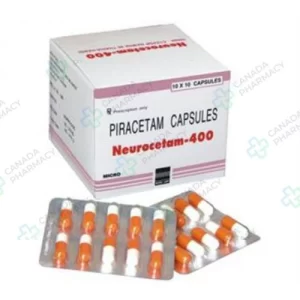
Nootropil
Price range: $ 30,00 through $ 363,00
Active substance: Piracetam
More Details
This product has multiple variants. The options may be chosen on the product page
Olanzapine
Price range: $ 43,00 through $ 447,00
Active substance: Olanzapine
More Details
This product has multiple variants. The options may be chosen on the product page
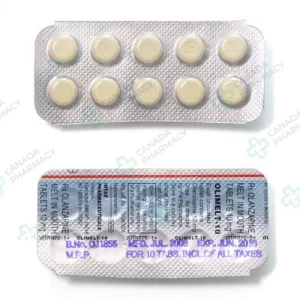
Zyprexa
Price range: $ 41,00 through $ 358,00
Active substance: Olanzapine
More Details
This product has multiple variants. The options may be chosen on the product page