

-12%
Lovegra
Price range: $ 62,00 through $ 202,00
Lozol
Price range: $ 44,00 through $ 354,00
Loxitane
Price range: $ 43,00 through $ 76,00
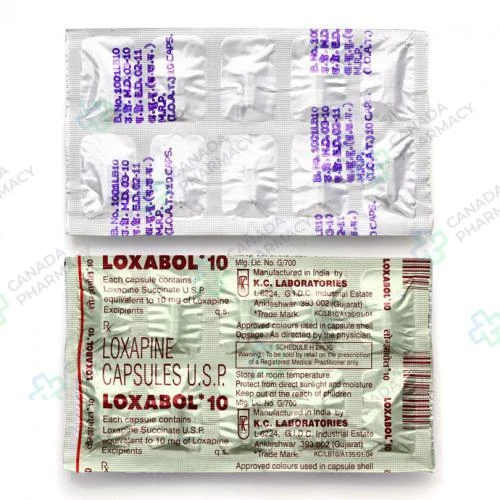
Loxitane is an effective antipsychotic medication primarily used to manage the symptoms of schizophrenia. As a member of the dibenzoxazepine class, it works by balancing certain natural substances in the brain to improve thinking and behavior. Patients taking this medication may experience a significant reduction in hallucinations, delusions, and disorganized thoughts. By stabilizing mood and mental clarity, it helps individuals better engage in their daily activities and social interactions. This treatment is available in various strengths to provide consistent support for long-term mental health management.
Active substance: Loxapine Succinate
Delivery: 5–21 days (depending on the shipping method)
Extra 10% discount with coupon: IT4K6SVM
Each dosage option has its own packaging choices.
Description
Loxitane belongs to a class of medications known as dibenzoxazepine antipsychotics, which are primarily indicated for the management of schizophrenia and related psychotic disorders. In the United States, this drug is classified as a prescription-only (Rx) medication and must be dispensed and administered strictly in accordance with federal and state regulations under the supervision of a licensed healthcare provider.
The management of psychiatric conditions with Loxitane requires individualized dose titration, regular clinical evaluation, and ongoing monitoring for neurological and systemic side effects. Therapeutic decisions depend on an accurate assessment of patient health status, baseline psychiatric manifestations, and potential pharmacological interactions.
| Property | Details |
|---|---|
| Active ingredient | Loxapine (as loxapine succinate) |
| Therapeutic class | Antipsychotic agent (dibenzoxazepine derivative) |
| Dosage form | Oral capsule |
| Route of administration | Oral |
| Prescription status | Prescription only (Rx) |
| Primary indication | Management of manifestations of psychotic disorders |
Clinical Profile and Administration Guidelines
Main uses
Loxitane is primarily indicated for the treatment of psychotic disorders, including schizophrenia. It helps control active psychiatric symptoms such as auditory and visual hallucinations, delusional thinking, severe conceptual disorganization, and marked agitation. By dampening abnormal neurochemical signaling in the central nervous system, Loxitane aids in restoring cognitive function and emotional stabilization. In certain specialized clinical scenarios, loxapine may be prescribed for off-label indications–such as acute behavioral agitation associated with secondary psychiatric illnesses–though these applications fall outside FDA-approved labeling and require dedicated physician monitoring.
How the drug works
The primary mechanism of action of Loxitane involves high-affinity antagonism of central dopamine D2 receptors within mesolimbic and nigrostriatal neural pathways. By blocking post-synaptic D2 receptors, the drug suppresses hyperactive dopaminergic transmission associated with positive psychotic symptoms. Furthermore, loxapine demonstrates potent antagonism at serotonin 5-HT2A receptors, which contributes to its overall clinical profile. Interactions with central histaminic H1, alpha-1 adrenergic, and muscarinic cholinergic receptors also occur, explaining secondary effects such as sedation, orthostatic blood pressure changes, and anticholinergic responses.
How it’s absorbed and eliminated
Following oral administration, Loxitane is rapidly and substantially absorbed from the gastrointestinal tract. Peak plasma levels of loxapine typically occur within 1 to 3 hours after ingestion. The drug undergoes extensive hepatic metabolism through hydroxylation and N-demethylation pathways, producing active metabolites including 8-hydroxyloxapine and 7-hydroxyloxapine. The initial elimination half-life of oral loxapine is approximately 5 hours, whereas the elimination half-life of its active metabolites extends to approximately 19 hours. Systemic elimination is completed primarily via renal clearance as glucuronide conjugates, with a minor portion excreted in feces.
Dosing schedule
Dosage must be strictly individualized based on clinical presentation, symptom severity, and patient tolerance. Initial adult dosage typically begins at 10 mg taken twice daily. In severely agitated or acutely ill patients, higher starting doses may be initiated under hospital supervision. The daily dosage is gradually adjusted upward over the first 7 to 10 days of treatment until adequate symptom control is achieved. The standard maintenance dosage ranges between 60 mg and 100 mg daily, divided into two to four doses. Total daily doses exceeding 250 mg are generally not recommended due to increased risks of central nervous system toxicity and extrapyramidal reactions.
Safety Guidelines and Drug Precautions
Adverse reactions
Treatment with Loxitane can produce side effects across multiple organ systems. Central nervous system adverse events include drowsiness, sedation, dizziness, faintness, and extrapyramidal symptoms such as pseudoparkinsonism, akathisia (motor restlessness), muscle rigidity, and acute dystonia. Anticholinergic reactions comprise dry mouth, blurred vision, constipation, and urinary retention. Long-term therapy carries a risk of tardive dyskinesia–a potentially irreversible syndrome of involuntary hyperkinetic movements of the face, tongue, and limbs. Additionally, rare but life-threatening reactions such as Neuroleptic Malignant Syndrome (NMS) may occur.
Important precautions
Loxitane carries an important boxed warning regarding elderly patients with dementia-related psychosis. Elderly individuals treated with antipsychotic agents face an increased risk of mortality, primarily due to cardiovascular events or severe infections; Loxitane is not FDA-approved for dementia-related psychosis. Pre-existing medical conditions require special caution, including seizure disorders, narrow-angle glaucoma, severe urinary retention, hepatic impairment, and cardiovascular disease. Routine clinical assessment for extrapyramidal symptoms, involuntary movement signs, and metabolic monitoring is necessary throughout prolonged courses of treatment.
Compatibility with other medicines
Loxitane interacts with several medication classes. Co-administration with central nervous system depressants–including opioids, sedatives, hypnotics, benzodiazepines, and sedating antihistamines–can cause additive central depression and profound somnolence. Concomitant use of anticholinergic medications may exacerbate dry mouth, constipation, and risk of paralytic ileus or ocular hypertension. Loxitane can inhibit the vasopressor response to epinephrine; therefore, epinephrine should not be used to manage loxapine-induced hypotension. Dosage adjustments may be necessary when combined with drugs that inhibit or induce hepatic cytochrome P450 enzymes.
Food and alcohol interactions
Alcoholic beverages must be completely avoided during treatment with Loxitane. Ethanol significantly intensifies the central nervous system depressant effects of loxapine, heightening the risk of severe sedation, impaired motor coordination, hypotension, and respiratory compromise. Loxitane capsules may be ingested with food or water; taking the medication alongside meals can reduce minor gastrointestinal discomfort if stomach upset occurs following administration.
Emergency Warning Indicators
Patients and caregivers must seek immediate emergency medical care if any of the following severe signs develop:
- High fever accompanied by severe muscle stiffness, confusion, and profuse sweating (signs of Neuroleptic Malignant Syndrome).
- Severe, involuntary muscle contractions, particularly involving the neck, jaw, tongue, or airway.
- Signs of a serious allergic reaction, including swelling of the face, lips, tongue, or throat, or acute respiratory distress.
- Sudden onset of severe dizziness, fainting, or irregular, rapid heartbeats.
Special populations
Use of Loxitane during pregnancy should be considered only if the potential therapeutic benefit outweighs potential fetal risks. Third-trimester exposure to antipsychotics creates a risk for neonates to exhibit extrapyramidal or withdrawal symptoms following delivery. It is not fully established whether loxapine passes into human breast milk; nursing mothers should consult their physician regarding whether to discontinue nursing or stop the drug. Elderly patients are generally more susceptible to orthostatic hypotension, anticholinergic effects, and extrapyramidal movement disorders, requiring cautious dose titration starting at the lower end of the dosing range.
Storage and expiration
Loxitane capsules should be stored at controlled room temperature, ideally between 20°C and 25°C (68°F to 77°F), with short excursions permitted between 15°C and 30°C (59°F to 86°F). Protect the medication from excess moisture, elevated ambient humidity, and direct sunlight. Keep capsules in their original, tightly closed container and securely out of the reach of children. Expired or unused medication should be disposed of in accordance with local pharmaceutical waste guidelines rather than flushed down household drains.
Common Questions
What should be done if a scheduled dose of Loxitane is missed?
If a dose is missed, it should be taken as soon as remembered, provided it is not close to the time for the next scheduled dose. If the next scheduled dose is imminent, skip the missed dose and resume the regular dosing schedule. Double doses should never be taken to compensate for a missed capsule.
How quickly does Loxitane take effect after initiating therapy?
Sedative effects and reduction in severe agitation may be observed within the first few days of treatment. However, full antipsychotic therapeutic response–including reduction of hallucinations and delusional thinking–typically requires several weeks of consistent daily administration.
Is it safe to drive or operate machinery while taking Loxitane?
Loxitane impairs physical alertness, reflexes, and cognitive processing, particularly during initial titration. Patients should refrain from driving, operating heavy machinery, or performing dangerous tasks until their individual reaction to the medication has been fully established.
Can Loxitane treatment be stopped abruptly when symptoms improve?
Abrupt discontinuation of Loxitane is not recommended. Sudden cessation after long-term therapy can cause withdrawal symptoms or trigger a rapid relapse of psychotic manifestations. Dosage reduction should occur gradually under strict medical supervision.
How does Loxitane differ from atypical antipsychotics?
Loxitane is classified as a conventional (first-generation) antipsychotic. While it shares some serotonergic activity similar to atypical (second-generation) agents, it carries a higher propensity for extrapyramidal neurological side effects compared to most newer antipsychotics.
In accordance with FDA requirements.
This text is for informational purposes only and does not constitute individual medical advice.
Additional information
| Dosage |
10 mg ,25 mg |
|---|---|
| Package |
60 caps ,90 caps ,120 caps |
| Ενεργός Ουσία |
Related products
Axepta
Price range: $ 40,00 through $ 500,00
Active substance: Atomoxetine
More Details
This product has multiple variants. The options may be chosen on the product page
Geodon
Price range: $ 46,00 through $ 418,00
Active substance: Ziprasidone
More Details
This product has multiple variants. The options may be chosen on the product page
Lamictal Dispersible
Price range: $ 14,00 through $ 61,00
Active substance: Lamotrigine
More Details
This product has multiple variants. The options may be chosen on the product page
Meclizine
Price range: $ 47,00 through $ 143,00
Active substance: Meclizine
More Details
This product has multiple variants. The options may be chosen on the product page
Mellaril
Price range: $ 40,00 through $ 427,00
Active substance: Thioridazine
More Details
This product has multiple variants. The options may be chosen on the product page
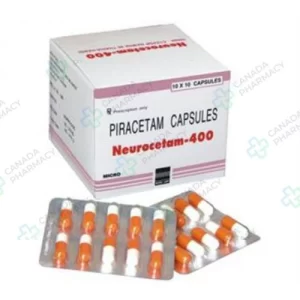
Nootropil
Price range: $ 30,00 through $ 363,00
Active substance: Piracetam
More Details
This product has multiple variants. The options may be chosen on the product page
Olanzapine
Price range: $ 43,00 through $ 447,00
Active substance: Olanzapine
More Details
This product has multiple variants. The options may be chosen on the product page
Solian
Price range: $ 89,00 through $ 745,00
Active substance: amisulpride
More Details
This product has multiple variants. The options may be chosen on the product page