

-45%
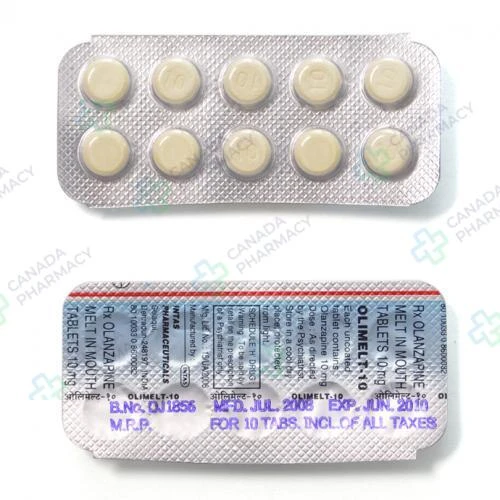
Zyloprim
Price range: $ 43,00 through $ 144,00
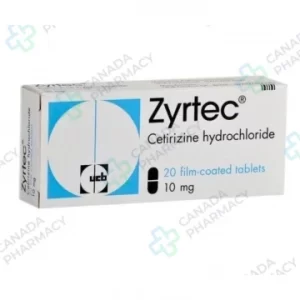
Zyrtec
Price range: $ 73,00 through $ 519,00
Zyprexa
Price range: $ 41,00 through $ 358,00
Zyprexa is an atypical antipsychotic medication designed to help manage complex mental health conditions by balancing naturally occurring chemicals in the brain. This medication is primarily utilized to treat symptoms of schizophrenia, including hallucinations, delusions, and disorganized thinking. It is also highly effective for the management of Bipolar I Disorder, specifically targeting acute manic or mixed episodes. By stabilizing mood and reducing agitation, Zyprexa helps patients regain clarity and emotional balance in their daily lives. Available in several strengths, this treatment provides a reliable option for those seeking long-term stability and symptom control.
Active substance: Olanzapine
Delivery: 5–21 days (depending on the shipping method)
Extra 10% discount with coupon: IT4K6SVM
Each dosage option has its own packaging choices.
Description
Zyprexa belongs to a group of medicines called atypical antipsychotics. It is indicated primarily for the treatment of schizophrenia and bipolar I disorder in adult and pediatric populations.
This prescription medication must be dispensed in accordance with applicable federal and state regulations upon presentation of an order from a licensed healthcare provider.
Basic Information and Clinical Profile
| Property | Details |
|---|---|
| Active ingredient (INN) | Olanzapine |
| Therapeutic class | Atypical Antipsychotic (Second-Generation Antipsychotic) |
| Dosage form | Oral tablet, orally disintegrating tablet |
| Route of administration | Oral |
| Prescription status | Prescription only (Rx) |
| Primary purpose | Management of schizophrenia and bipolar I disorder |
How the drug works
The active constituent of Zyprexa is olanzapine, a second-generation atypical antipsychotic agent. The precise mechanism of action remains incompletely understood, but its clinical efficacy is mediated through a combination of dopamine and serotonin type 2 (5-HT2) receptor antagonism. Pharmacodynamic studies demonstrate high-affinity binding at serotonin 5-HT2A/2C, dopamine D1–D4, histamine H1, and alpha-1 adrenergic receptors. By modulating central dopaminergic and serotonergic neurotransmission, olanzapine helps control psychotic symptoms such as hallucinations, delusions, and thought disturbances while stabilizing mood. Antagonism at histamine and alpha-1 adrenergic receptors accounts for observed secondary effects, including somnolence and orthostatic hypotension.
What it’s used for
Zyprexa is approved by the U.S. Food and Drug Administration (FDA) for multiple psychiatric indications. In adult populations, it is indicated for the acute and maintenance treatment of schizophrenia, as well as for acute mixed or manic episodes associated with bipolar I disorder, functioning either as monotherapy or in combination with lithium or valproate. In pediatric patients aged 13 to 17 years, it is indicated for schizophrenia and bipolar I disorder, though clinicians carefully weigh treatment choices due to increased metabolic risks in younger individuals. Additionally, olanzapine in combination with fluoxetine is approved for treatment-resistant depression and bipolar depression. Any administration for unapproved conditions represents off-label use and requires distinct clinical decision-making.
Dosing schedule
Dosage regimens for Zyprexa must be individualized by the prescribing physician based on the patient’s diagnosis, clinical response, and tolerability. For schizophrenia in adults, the standard initial dosage is 5 mg to 10 mg administered orally once daily. For acute manic or mixed episodes in bipolar I disorder, adult monotherapy typically begins at 10 mg to 15 mg once daily. Dose adjustments, when indicated, generally occur at intervals of not less than 24 hours in increments of 5 mg. The maximum evaluated oral dose for adults with schizophrenia or bipolar disorder is 20 mg per day. Higher daily doses have not been systematically established as safe or effective in clinical trials.
What happens in the body
Following oral administration, olanzapine is rapidly absorbed, reaching peak plasma concentrations within approximately 6 hours. Food co-administration does not significantly alter the rate or extent of oral absorption. The drug undergoes extensive hepatic clearance via direct glucuronidation by UGT1A4 and cytochrome P450-mediated oxidation, primarily by CYP1A2 and to a lesser extent CYP2D6. Olanzapine displays a mean elimination half-life of approximately 30 hours (with a observed range of 21 to 54 hours in healthy subjects). Elimination occurs predominantly through renal excretion (approximately 57%) and fecal excretion (approximately 30%), mainly as inactive metabolites.
Compatibility with other medicines
Co-administration of Zyprexa with other central nervous system depressants can produce additive sedation and psychomotor impairment. Inducers of hepatic CYP1A2, such as carbamazepine, accelerate olanzapine clearance, potentially reducing therapeutic plasma levels. Conversely, potent CYP1A2 inhibitors, including fluvoxamine, significantly increase olanzapine exposure and elevate the risk of adverse drug reactions. Concomitant administration with antihypertensive agents may compound orthostatic hypotension due to alpha-1 receptor blockade. Patients taking medications that prolong the QT interval or lower the seizure threshold require close clinical monitoring during therapy.
What to avoid while taking it
Zyprexa may be ingested without regard to meals. However, patients must avoid ethanol consumption while undergoing treatment. Alcohol potentiates the central nervous system depressant effects of olanzapine, increasing the incidence and severity of drowsiness, dizziness, and impaired motor coordination. Furthermore, heavy tobacco smoking induces CYP1A2 activity, which may lower olanzapine serum concentrations. Patients who significantly alter their smoking habits–either starting or cessation–should notify their prescriber, as dosage re-evaluation may be necessary.
If you skip a dose
If a dose of Zyprexa is omitted, it should be taken as soon as remembered on that day. However, if the time approaches the next scheduled dose, the missed dose should be skipped and the regular schedule resumed. Patients should never double the dose or take supplementary tablets to compensate for a missed administration. Taking excess medication increases the risk of acute toxicity, severe sedation, hypotension, and extrapyramidal symptoms.
Safety Guidelines and Precautions
Adverse reactions
Clinical investigations and post-marketing surveillance document several potential adverse reactions associated with Zyprexa treatment. Frequent side effects include somnolence, weight gain, increased appetite, dizziness, dry mouth, constipation, and peripheral edema. Metabolic alterations are of prominent clinical concern: olanzapine therapy is associated with significant hyperlipidemia, dyslipidemia, and severe hyperglycemia, which may lead to ketoacidosis. Neurological side effects include extrapyramidal symptoms, akathisia, and tardive dyskinesia–a potentially persistent neurological syndrome characterized by involuntary dyskinetic movements. Transient elevations of hepatic transaminases and hyperprolactinemia may also occur.
Red flags
Immediate medical intervention is warranted if patients exhibit manifestations of Neuroleptic Malignant Syndrome (NMS). Symptoms of NMS include high fever, severe muscle rigidity, altered consciousness, irregular pulse, labile blood pressure, and autonomic instability. Emergency care is also required if severe cutaneous reactions occur, such as Drug Reaction with Eosinophilia and Systemic Symptoms (DRESS) or symptoms of severe hypersensitivity (e.g., swelling of the face, tongue, or throat; difficulty breathing). Symptoms of severe hyperglycemia–including excessive thirst, polyuria, extreme fatigue, and confusion–demand urgent medical assessment.
Important precautions
Zyprexa carries a Boxed Warning regarding an increased mortality risk in elderly patients with dementia-related psychosis. Olanzapine is not approved for the treatment of patients with dementia-related psychosis. Cautious administration is advised in individuals with a history of seizures, hepatic impairment, leukopenia/neutropenia, urinary retention, or narrow-angle glaucoma. Regarding pregnancy, neonates exposed to antipsychotics during the third trimester face risks of extrapyramidal or withdrawal symptoms following delivery; treatment during pregnancy should occur only if potential benefits justify potential fetal risks. Olanzapine is excreted into human milk; nursing mothers should consult their clinician to evaluate alternative therapies or feeding strategies.
Storage and expiration
Store Zyprexa tablets at controlled room temperature between 20°C and 25°C (68°F to 77°F), with permitted excursions between 15°C and 30°C (59°F to 86°F). Retain the medication in its original, light-resistant container to protect the product from light and moisture. Keep out of reach of children and domestic animals. Expired medications must not be consumed and should be disposed of in compliance with local pharmaceutical waste protocols.
Common questions
Is it normal to experience dizziness when standing up while taking Zyprexa?
Orthostatic hypotension, manifested as dizziness or lightheadedness upon standing, can occur due to alpha-1 adrenergic blockade. Patients should transition slowly from sitting or lying positions to standing. If dizziness persists or causes syncope, consult the prescribing physician for clinical evaluation.
Can Zyprexa be discontinued abruptly if symptoms resolve?
Abrupt discontinuation of olanzapine is not recommended. Sudden withdrawal may precipitate cholinergic rebound symptoms, such as nausea, vomiting, diaphoresis, and insomnia, as well as symptom relapse. Discontinuation should occur under medical direction via a gradual dose reduction schedule.
How does Zyprexa affect blood glucose levels over time?
Olanzapine can alter metabolic function, resulting in elevated blood glucose levels and insulin resistance. Fasting plasma glucose assessments are recommended prior to treatment initiation and at periodic intervals throughout therapy, particularly in patients with pre-existing diabetes or diabetes risk factors.
Is driving permitted during treatment with Zyprexa?
Because olanzapine causes central nervous system depression, somnolence, and impaired motor reflexes, patients should refrain from driving, operating hazardous machinery, or performing tasks requiring full alertness until their individual response to the medication has been established.
What laboratory monitoring is recommended during ongoing therapy?
Standard clinical protocols recommend baseline and periodic assessment of body weight, fasting plasma glucose or hemoglobin A1c, fasting lipid profiles, complete blood counts (to monitor for leukopenia/neutropenia), and liver function tests throughout the duration of treatment.
This content is informational and does not replace a consultation with your doctor or pharmacist. In accordance with FDA requirements.
Additional information
| Dosage |
2.5mg ,5mg ,7.5mg ,10mg ,15 mg ,20mg |
|---|---|
| Package |
30 pills ,60 pills ,90 pills ,120 pills ,180 pills ,270 pills ,360 pills |
| Ενεργός Ουσία |
Related products
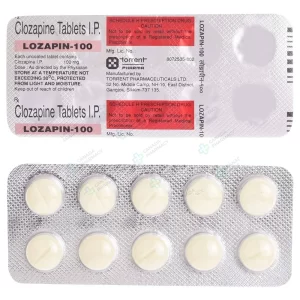
Clozapine
Price range: $ 19,00 through $ 171,00
Active substance: Clozapine
More Details
This product has multiple variants. The options may be chosen on the product page
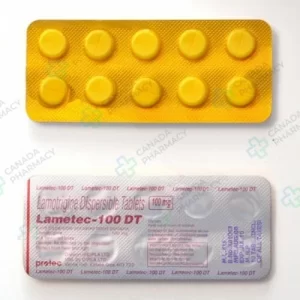
Lamictal Dispersible
Price range: $ 14,00 through $ 61,00
Active substance: Lamotrigine
More Details
This product has multiple variants. The options may be chosen on the product page
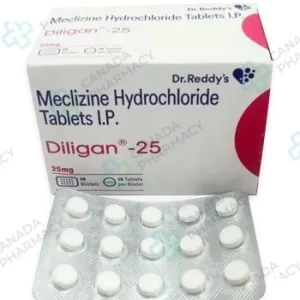
Meclizine
Price range: $ 47,00 through $ 143,00
Active substance: Meclizine
More Details
This product has multiple variants. The options may be chosen on the product page
Mellaril
Price range: $ 40,00 through $ 427,00
Active substance: Thioridazine
More Details
This product has multiple variants. The options may be chosen on the product page
Olanzapine
Price range: $ 43,00 through $ 447,00
Active substance: Olanzapine
More Details
This product has multiple variants. The options may be chosen on the product page
Pim-800
Price range: $ 43,00 through $ 274,00
Active substance: Paracetamol
More Details
This product has multiple variants. The options may be chosen on the product page
Solian
Price range: $ 89,00 through $ 745,00
Active substance: amisulpride
More Details
This product has multiple variants. The options may be chosen on the product page

Valparin
Price range: $ 100,00 through $ 273,00
Active substance: Valproic Acid
More Details
This product has multiple variants. The options may be chosen on the product page