

-41%
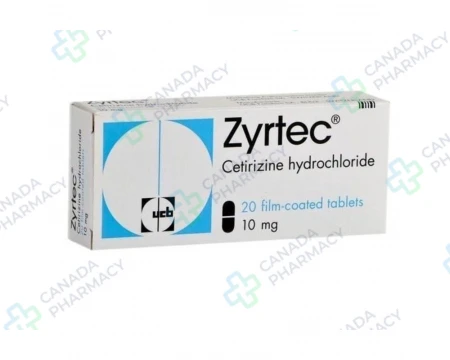
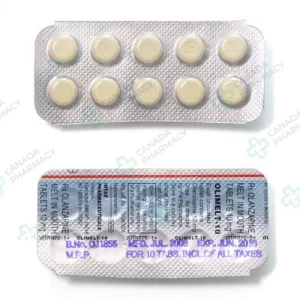
Zyprexa
Price range: $ 41,00 through $ 358,00
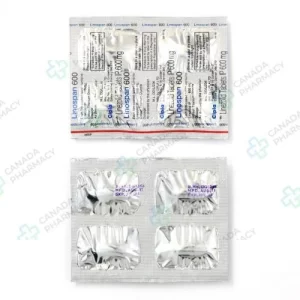
Zyvox
Price range: $ 222,00 through $ 423,00
Zyrtec
Price range: $ 73,00 through $ 519,00
Zyrtec is a highly effective antihistamine designed to provide fast and long-lasting relief from common indoor and outdoor allergy symptoms. This medication is specifically formulated to alleviate persistent sneezing, a runny nose, and itchy or watery eyes caused by hay fever. It also effectively treats respiratory allergy symptoms triggered by seasonal pollen, dust, mold, and pet dander. In addition to seasonal allergies, Zyrtec is widely used to manage itchy skin rashes and hives for a full 24 hours. With its powerful active ingredient, cetirizine, it helps you regain comfort and stay active throughout the day without constant allergy interruptions.
Active substance: Cetirizine
Delivery: 5–21 days (depending on the shipping method)
Extra 10% discount with coupon: IT4K6SVM
Each dosage option has its own packaging choices.
Description
Zyrtec – Information for Patients and Caregivers
Zyrtec belongs to a class of medications known as second-generation selective peripheral H1-receptor antagonists. Formulated with the active ingredient cetirizine hydrochloride, it is widely utilized for the symptomatic management of upper respiratory allergies and chronic cutaneous conditions. Dispensed in accordance with applicable federal and state over-the-counter regulations, this drug helps mitigate histamine-mediated responses in adult and pediatric populations.
Understanding the clinical characteristics, pharmacokinetics, and administration guidelines of cetirizine hydrochloride promotes safe and effective use. The following detailed overview provides essential evidence-based data regarding its clinical application, safety profile, and therapeutic monitoring.
| Attribute | Specification |
|---|---|
| Active ingredient (INN) | Cetirizine hydrochloride |
| Primary purpose | Treatment of allergic rhinitis and chronic idiopathic urticaria |
| Route of administration | Oral |
| Dosage form | Film-coated tablets, chewable tablets, oral solution |
| Mechanism of action | Selective peripheral H1-receptor inhibition |
| Storage | Controlled room temperature 20°C to 25°C (68°F to 77°F) |
What it’s used for
Zyrtec is indicated for the temporary relief of symptoms associated with seasonal allergic rhinitis (hay fever) and perennial allergic rhinitis. These symptoms include sneezing, rhinorrhea (runny nose), ocular pruritus, tearing, and itching of the nose or throat triggered by outdoor allergens like tree and grass pollen, or indoor triggers like dust mites, mold spores, and pet dander. Furthermore, Zyrtec is approved for the management of uncomplicated skin manifestations of chronic idiopathic urticaria, effectively decreasing the occurrence and severity of hives while relieving associated severe itching. Any off-label indications, such as off-label management of localized cutaneous reactions from insect bites, must be evaluated by a healthcare professional prior to initiating treatment.
How the drug works
The therapeutic mechanism of Zyrtec involves competitive, selective inhibition of peripheral H1 histamine receptors. Histamine is an endogenous amine released by mast cells and basophils during immediate hypersensitivity reactions. Once released, histamine binds to H1 receptors, causing capillary hyperpermeability, smooth muscle contraction, localized tissue edema, and stimulation of sensory nerve endings that mediate pruritus. By occupying these receptor sites, cetirizine prevents histamine binding and halts the downstream physiological cascade of allergic symptoms. Unlike first-generation antihistamines, cetirizine exhibits minimal affinity for central histaminergic receptors, muscarinic cholinergic receptors, or alpha-adrenergic receptors, resulting in a substantially reduced incidence of anticholinergic side effects such as dry mouth and severe central nervous system depression.
What happens in the body
Following oral administration, cetirizine is rapidly absorbed from the gastrointestinal tract, achieving peak plasma concentration (Cmax) within approximately 1.0 hour. Co-administration with food does not significantly alter the overall area under the plasma concentration-time curve (AUC), though it may cause a slight delay in the time required to reach peak concentration (Tmax). Cetirizine demonstrates high plasma protein binding of approximately 93%. The elimination half-life of cetirizine in healthy adult individuals averages 8.3 hours, whereas in pediatric populations, the half-life is shorter, ranging from 5 to 7 hours depending on age. Metabolism is minimal, and the active substance is primarily excreted unchanged in the urine (approximately 70%), with roughly 10% excreted in the feces.
Dosing schedule
Dosing of Zyrtec must be tailored according to patient age and renal function. For adults and children 6 years of age and older, the standard recommended dosage is 10 mg administered orally once daily. A 5 mg daily dose may be sufficient for milder allergic symptoms. In pediatric patients aged 2 to 5 years, the typical starting dose is 2.5 mg once daily, which may be escalated to a maximum of 5 mg daily, given either as a single 5 mg dose or 2.5 mg every 12 hours. Patients aged 65 years and older, or individuals with impaired hepatic or renal function (creatinine clearance between 11 and 31 mL/min), should consult a clinician, as a reduced dose of 5 mg once daily is generally recommended due to decreased clearance.
Before you take it
A comprehensive review of medical history is necessary prior to starting Zyrtec. Patients with end-stage renal disease (creatinine clearance under 10 mL/min) or those undergoing hemodialysis should avoid using this medication unless specifically instructed by a physician. Caution is warranted in individuals with conditions predisposing to urinary retention, such as prostatic hyperplasia or spinal cord lesions, because H1-receptor antagonists can impair bladder emptying. Regarding pregnancy, cetirizine should be used during gestation only if clearly indicated after medical consultation. Because cetirizine is excreted in human breast milk, nursing mothers should seek clinical guidance, as somnolence may potentially occur in the nursing infant.
Compatibility with other medicines
Concomitant use of Zyrtec with central nervous system (CNS) depressants, such as sedatives, tranquilizers, skeletal muscle relaxants, or opioid analgesics, can produce additive somnolence and impaired psychomotor execution. Although cetirizine does not significantly interact with the cytochrome P450 enzyme system, clinical trials have shown that co-administration with high-dose theophylline (400 mg once daily) leads to a modest 16% clearance reduction of cetirizine, potentially increasing systemic drug levels. Patients taking prescription anticholinergic drugs should monitor for augmented side effects like urinary hesitation or severe dry mouth. Always inform a physician or pharmacist regarding all current prescription drugs, over-the-counter products, and herbal supplements.
Adverse reactions
Zyrtec is generally well-tolerated, but adverse reactions may occur in susceptible individuals. The most common central nervous system effect is somnolence, which is dose-dependent and observed in a small percentage of clinical trial participants. Additional reported adverse effects include fatigue, dizziness, headache, pharyngitis, and dry mouth (xerostomia). Gastrointestinal distress, including nausea, vomiting, or abdominal pain, has also been documented. In rare instances, paradoxical CNS stimulation, including restlessness, agitation, or insomnia, may occur, particularly in pediatric patients. Hypersensitivity reactions–manifesting as severe skin rash, urticaria, angioedema, or bronchospasm–are rare and require immediate clinical intervention and drug discontinuation.
What to avoid while taking it
Although Zyrtec can be ingested with or without meals, concurrent consumption of alcohol should be strictly avoided. Combining alcohol with cetirizine enhances central nervous system depression, leading to increased drowsiness, compromised motor coordination, and reduced cognitive alertness. Individuals who operate heavy machinery, drive motor vehicles, or engage in tasks requiring precise psychomotor control should refrain from consuming alcoholic beverages during treatment. Food intake does not decrease the net extent of systemic absorption, though high-fat meals may marginally delay the onset of action.
Missed dose
If a dose of Zyrtec is missed, it should be taken as soon as it is remembered. However, if the time of memory coincides closely with the next scheduled dose, the missed dose should be skipped, and the regular dosing schedule resumed. Patients must never double the dose or take extra medication to compensate for a missed administration. Taking more than the recommended daily dose elevates the risk of central nervous system depression, daytime sedation, and anticholinergic toxicity.
Practical tips
For individuals dealing with seasonal allergies in regions with high pollen counts, such as the Ohio Valley or Pacific Northwest, initiating daily Zyrtec therapy at the onset of the allergen season can optimize symptom prevention. If mild daytime drowsiness occurs, taking the daily dose in the evening before sleep allows peak systemic levels to occur overnight while maintaining therapeutic coverage throughout the following day. When administering liquid oral formulations to children, always use a calibrated measuring spoon or oral syringe rather than a standard household spoon to ensure dosing accuracy.
Storage and expiration
Zyrtec should be stored at controlled room temperature between 20°C and 25°C (68°F to 77°F), with temporary excursions permitted between 15°C and 30°C (59°F to 86°F). Store the medication in its original container, tightly closed, to shield it from excess moisture and direct light. Do not store this drug in environments prone to high humidity, such as bathroom cabinets. Ensure the product remains out of reach of children and household pets. Discard any medication that has passed its stated expiration date printed on the packaging.
Common questions
Does Zyrtec cause drowsiness despite being classified as a second-generation antihistamine?
While second-generation antihistamines penetrate the central nervous system to a far lesser extent than first-generation agents, cetirizine retains a dose-dependent sedative potential. Clinical studies show that somnolence occurs more frequently at a 10 mg daily dose than at 5 mg. Patients using the medication for the first time should monitor their individual response before operating vehicles or heavy equipment. Taking the daily dose at bedtime can help mitigate daytime sedation if drowsiness occurs.
How long before exposure to allergens should Zyrtec be taken?
Cetirizine reaches peak plasma levels within approximately one hour following oral ingestion, with symptom relief typically initiating between 20 and 60 minutes after administration. For anticipated short-term exposure to known environmental allergens, taking the medication at least one hour beforehand provides effective protection. For persistent year-round allergic rhinitis, consistent daily dosing maintains stable therapeutic concentrations in the blood.
Is it safe to take Zyrtec daily for perennial allergic rhinitis?
Zyrtec is approved for continuous daily use when managing ongoing perennial allergic rhinitis or chronic urticaria under appropriate clinical guidance. Safety studies demonstrate good tolerability over extended treatment periods in both adult and pediatric populations. Nevertheless, individuals requiring continuous daily therapy over several months should periodically consult a healthcare provider to review treatment necessity and overall management strategy.
What should be done if an oral dose of Zyrtec is taken concurrently with alcohol?
Taking cetirizine alongside alcohol can produce additive central nervous system depression. Patients may experience heightened sleepiness, delayed reflexes, and impaired mental acuity. If alcohol is consumed inadvertently, individuals should avoid driving, operating equipment, or undertaking tasks requiring focused attention until the sedative effects have fully subsided.
Can Zyrtec be used for acute skin hives accompanied by facial swelling?
While Zyrtec is indicated for the treatment of hives associated with chronic idiopathic urticaria, hives accompanied by swelling of the face, lips, tongue, or throat can be signs of a severe, life-threatening allergic reaction (anaphylaxis). Zyrtec is not a substitute for emergency medical treatment or epinephrine injection during an acute anaphylactic event. Emergency medical services must be contacted immediately if swelling or respiratory distress occurs.
Information prepared in accordance with FDA standards for over-the-counter human drugs.
This text is for informational purposes only and does not constitute individual medical advice.
Additional information
| Dosage |
10mg |
|---|---|
| Package |
30 pills ,60 pills ,90 pills ,120 pills ,180 pills ,270 pills ,360 pills |
| Ενεργός Ουσία |
Related products
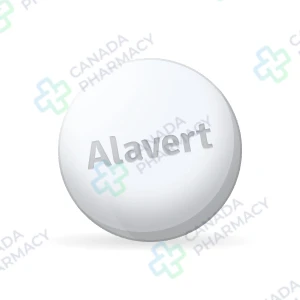
Alavert
Price range: $ 47,00 through $ 118,00
Active substance: Loratadine
More Details
This product has multiple variants. The options may be chosen on the product page
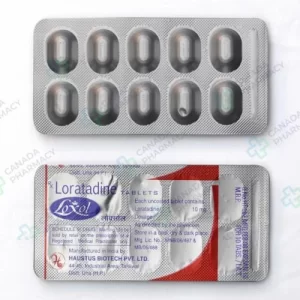
Claritin
Price range: $ 43,00 through $ 143,00
Active substance: Loratadine
More Details
This product has multiple variants. The options may be chosen on the product page
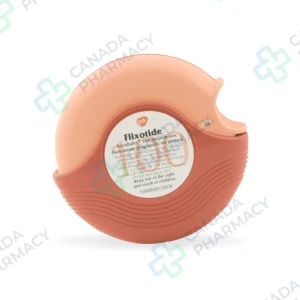
Flixotide Nasal Spray 100 doses
Price range: $ 54,00 through $ 220,00
Active substance: fluticasone
More Details
This product has multiple variants. The options may be chosen on the product page
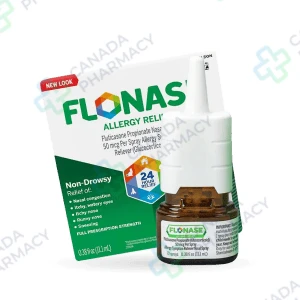
Flonase Nasal Spray
Price range: $ 47,00 through $ 304,00
Active substance: fluticasone
More Details
This product has multiple variants. The options may be chosen on the product page
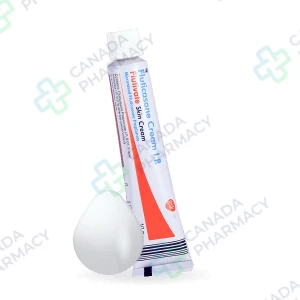
Flutivate Skin Cream
Price range: $ 24,00 through $ 91,00
Active substance: fluticasone
More Details
This product has multiple variants. The options may be chosen on the product page

Periactin
Price range: $ 40,00 through $ 160,00
Active substance: Cyproheptadine
More Details
This product has multiple variants. The options may be chosen on the product page
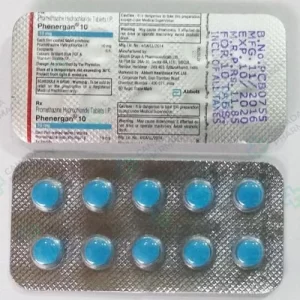
Phenergan
Price range: $ 42,00 through $ 136,00
Active substance: Promethazine
More Details
This product has multiple variants. The options may be chosen on the product page

Prednisolone
Price range: $ 40,00 through $ 210,00
Active substance: prednisolone
More Details
This product has multiple variants. The options may be chosen on the product page