

-5%
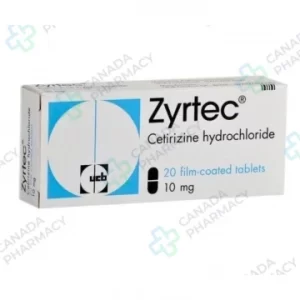
Zyrtec
Price range: $ 73,00 through $ 519,00
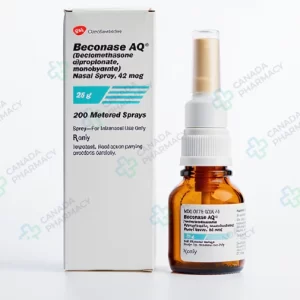
Beconase AQ
Price range: $ 37,00 through $ 213,00
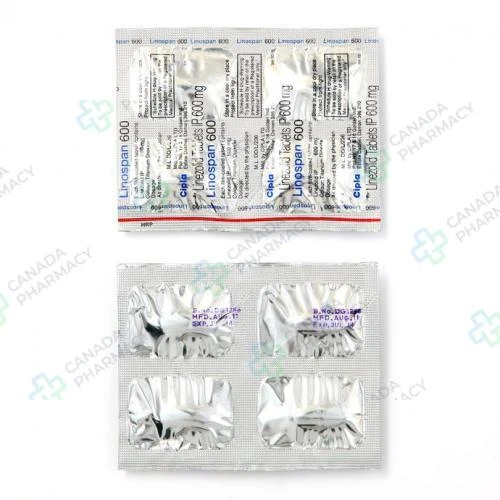
Zyvox
Price range: $ 222,00 through $ 423,00
Zyvox is a potent synthetic antibiotic belonging to the oxazolidinone class, specifically designed to combat serious bacterial infections. It works by inhibiting the growth of bacteria, effectively stopping the spread of the infection within the body. This medication is primarily used to treat pneumonia and various skin infections caused by susceptible Gram-positive pathogens. Zyvox is particularly effective against multi-drug resistant strains, including methicillin-resistant Staphylococcus aureus (MRSA) and vancomycin-resistant Enterococcus (VRE). Available in both oral and injectable forms, it provides a reliable therapeutic option for managing complex bacterial conditions.
Active substance: Linezolid
Delivery: 5–21 days (depending on the shipping method)
Extra 10% discount with coupon: IT4K6SVM
Each dosage option has its own packaging choices.
Description
Zyvox belongs to a class of synthetic antibacterial medications known as oxazolidinones, which work by inhibiting bacterial protein synthesis. It is prescribed by healthcare providers to treat serious bacterial infections, including specific types of pneumonia and severe skin infections, particularly those caused by resistant Gram-positive organisms.
As a prescription-only (Rx) medication regulated by the US FDA, Zyvox requires professional clinical evaluation and monitoring to ensure appropriate therapeutic use and patient safety.
| Attribute | Details |
|---|---|
| Drug Name | Zyvox |
| Active Ingredient | Linezolid |
| Therapeutic Class | Oxazolidinone antibacterial |
| Dosage Form | Oral tablet, oral suspension, intravenous solution |
| Route of Administration | Oral, Intravenous |
| Prescription Status | Prescription (Rx) only |
What it’s used for
Zyvox is indicated for the treatment of specific infections caused by susceptible strains of designated Gram-positive microorganisms in adult and pediatric patients. Primary FDA-approved indications include nosocomial (hospital-acquired) pneumonia and community-acquired pneumonia caused by Streptococcus pneumoniae or Staphylococcus aureus (including methicillin-resistant strains, MRSA). It is also indicated for complicated skin and skin structure infections, such as diabetic foot infections without concomitant osteomyelitis, and uncomplicated skin infections caused by Staphylococcus aureus or Streptococcus pyogenes.
Additionally, Zyvox is indicated for the treatment of Vancomycin-resistant Enterococcus faecium (VRE) infections, including cases with concurrent bacteremia. Proper microbial culture and susceptibility testing should be conducted to confirm pathogen sensitivity before or during treatment.
How the drug works
Zyvox contains linezolid, a synthetic antibacterial agent of the oxazolidinone class. The drug exerts its bactericidal or bacteriostatic effect by selectively inhibiting bacterial protein synthesis. Specifically, linezolid binds to a ribosomal site on the 23S ribosomal RNA of the 50S subunit of the bacterial ribosome. This binding prevents the formation of a functional 70S initiation complex, an essential component of the bacterial translation machinery.
Because of this distinct mechanism of action, Zyvox does not exhibit cross-resistance with other established classes of antibiotics, such as beta-lactams, aminoglycosides, glycopeptides, macrolides, or fluoroquinolones. This characteristic makes it effective against specific multi-drug resistant bacterial strains.
What happens in the body
Following oral administration, Zyvox is rapidly and extensively absorbed into the systemic circulation. The absolute oral bioavailability is approximately 100%, meaning that oral tablets, oral suspension, and intravenous formulations provide equivalent systemic exposure. Peak plasma concentrations (Cmax) are generally achieved within 1 to 2 hours post-dose following oral administration.
Linezolid distributes readily into well-perfused body tissues, maintaining an average steady-state volume of distribution of approximately 40 to 50 liters in adults. Plasma protein binding is approximately 31% and is independent of drug concentration. The drug is metabolized primarily via non-enzymatic oxidation to two inactive carboxylic acid metabolites. The elimination half-life of linezolid ranges between 4 and 5 hours in adult patients. Renal clearance accounts for approximately 30% of total clearance, with the remainder excreted in urine as metabolites and in feces.
Dosing schedule
The dosage of Zyvox depends on the specific site and severity of the infection, as well as individual clinical parameters. For adult patients with complicated skin infections, nosocomial pneumonia, or VRE infections, the standard recommended dosage is 600 mg administered orally or intravenously every 12 hours. The duration of therapy generally ranges from 10 to 28 consecutive days, depending on the targeted pathogen and clinical response.
For uncomplicated skin structure infections in adults, a dosage of 400 mg or 600 mg orally every 12 hours may be prescribed for 10 to 14 days. Intravenous infusions must be administered over a period of 30 to 120 minutes. Dosage adjustments are not routinely required for patients with renal impairment or mild-to-moderate hepatic impairment.
Safety Profile and Warnings
Adverse reactions
Clinical trials and post-marketing surveillance indicate that Zyvox is generally tolerated, though adverse reactions can occur. The most common side effects reported in adult clinical trials include diarrhea, headache, nausea, vomiting, and altered taste perception (dysgeusia). Fungal overgrowth, such as oral or vaginal candidiasis, may also occur secondary to alteration of normal microbial flora.
Reversible myelosuppression–manifesting as anemia, thrombocytopenia, leukopenia, or pancytopenia–has been documented in patients receiving Zyvox. The risk of hematologic toxicity correlates with the duration of therapy, particularly when treatment exceeds 14 days. Peripheral neuropathy and optic neuropathy have also been reported, predominantly in individuals receiving extended therapy lasting longer than 28 days.
What not to combine
Zyvox is a weak, reversible, non-selective monoamine oxidase inhibitor (MAOI). Consequently, concurrent administration with serotonergic agents–such as selective serotonin reuptake inhibitors (SSRIs), serotonin-norepinephrine reuptake inhibitors (SNRIs), tricyclic antidepressants, or triptans–increases the risk of serotonin syndrome, a serious medical condition. Concomitant use should be avoided unless strictly indicated and monitored.
Similarly, interaction with adrenergic agents, including pseudoephedrine, epinephrine, or dopamine, may enhance vasopressor responses, leading to transient elevations in blood pressure. Dose adjustment of adrenergic agents may be necessary during co-administration with Zyvox.
Food and alcohol interactions
Due to its action as a reversible monoamine oxidase inhibitor, Zyvox can interact with tyramine found in certain foods and beverages. Consuming significant quantities of high-tyramine foods–such as aged cheeses, yeast extracts, tap beer, red wine, and fermented soy products–may trigger a hypertensive response. Patients are advised to limit their intake of high-tyramine items while taking this medication.
Alcohol consumption should be minimized or avoided during therapy, particularly unfiltered draft beers and aged wines containing elevated levels of tyramine. Zyvox tablets and oral suspension may be taken with or without food, as food intake does not significantly affect overall drug absorption.
Important precautions
Complete blood counts (CBC) should be monitored weekly in patients receiving Zyvox, particularly those receiving therapy for longer than two weeks, patients with pre-existing myelosuppression, or those taking concurrent medications that lower blood cell counts. Discontinuation of therapy should be evaluated if significant bone marrow suppression develops.
Lactic acidosis has been reported in connection with linezolid use. Patients who experience recurrent nausea, vomiting, unexplained metabolic acidosis, or low blood bicarbonate levels require immediate clinical evaluation. Additionally, visual function testing should be promptly conducted if a patient experiences changes in visual acuity, visual field, or color perception.
Special populations
In pregnant women, Zyvox should be used only if the potential benefit justifies the potential risk to the fetus, as adequate clinical studies in pregnant individuals are limited. It is not established whether linezolid is excreted in human milk; caution is advised when administering to nursing mothers.
Pediatric patients demonstrate higher clearance rates than adults, resulting in weight- and age-based dosing regimens. Elderly patients exhibit pharmacokinetics comparable to younger adults, and dosage adjustments based solely on age are not warranted. Patients with severe hepatic or renal impairment do not require initial dose reductions, though clinical monitoring is advised.
If you skip a dose
If a dose of Zyvox is missed, it should be taken as soon as remembered, unless it is nearly time for the next scheduled dose. Patients should not double the dose to compensate for a skipped administration. Maintaining a regular 12-hour interval supports consistent blood concentrations needed to treat the underlying infection effectively.
Red flags
Certain severe symptoms require immediate clinical evaluation. Patients should seek emergency medical care if any of the following serious reactions occur during therapy:
| Warning Sign / Red Flag | Potential Underlying Issue |
|---|---|
| Severe muscle rigidity, tremor, confusion, fever, sweating | Serotonin Syndrome (interaction with serotonergic drugs) |
| Unexplained severe fatigue, pale skin, unusual bleeding or bruising | Myelosuppression (severe anemia or thrombocytopenia) |
| Persistent nausea, vomiting, rapid breathing, severe tiredness | Lactic Acidosis |
| Changes in vision, visual field defects, or altered color vision | Optic Neuropathy |
| Sudden severe headache, chest tightness, elevated blood pressure | Hypertensive crisis (tyramine/adrenergic interaction) |
Common Questions
How long does a typical course of Zyvox treatment last?
Treatment duration varies based on the specific infection type and clinical response. Typical courses range from 10 to 14 days for pneumonia and skin infections, and up to 28 days for Vancomycin-resistant enterococcal infections. The exact duration is determined by the prescribing healthcare provider.
Why are weekly blood tests recommended during extended Zyvox treatment?
Weekly complete blood counts are recommended to monitor bone marrow function. Zyvox can cause reversible myelosuppression–including reductions in red blood cells, white blood cells, or platelets–especially when treatment extends beyond 14 consecutive days.
Can Zyvox cause low blood sugar levels?
Episodes of hypoglycemia have been reported in patients with diabetes mellitus who take insulin or oral hypoglycemic agents while receiving Zyvox. Blood glucose levels should be monitored closely if symptoms of hypoglycemia develop during treatment.
Is it safe to drive while taking Zyvox?
Zyvox generally does not impair motor performance, but side effects such as dizziness, headache, or visual alterations may occur. Patients should evaluate their individual response to the medication before driving or operating machinery.
What should I do if I experience numbness or tingling in my hands or feet?
Numbness, tingling, or sensory changes in the extremities may indicate peripheral neuropathy, a condition associated with prolonged Zyvox administration. Patients experiencing these symptoms should report them to their physician promptly for clinical assessment.
Information on this page is for reference and does not replace an assessment by a licensed healthcare professional.
In accordance with FDA requirements.
Additional information
| Dosage |
600mg |
|---|---|
| Package |
30 pills ,60 pills |
| Ενεργός Ουσία |
Related products
Ampicillin
Price range: $ 40,00 through $ 140,00
Active substance: acillin
More Details
This product has multiple variants. The options may be chosen on the product page

Azee
Price range: $ 30,00 through $ 150,00
Active substance: Azithromycin
More Details
This product has multiple variants. The options may be chosen on the product page

Azee DT
Price range: $ 20,00 through $ 42,00
Active substance: Azithromycin
More Details
This product has multiple variants. The options may be chosen on the product page
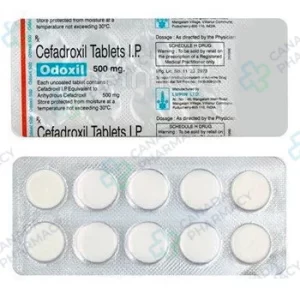
Cefadroxil
Price range: $ 41,00 through $ 349,00
Active substance: cefadroxil
More Details
This product has multiple variants. The options may be chosen on the product page
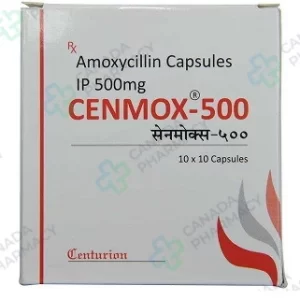
Cenmox
$ 51,00
Active substance: amoxicillin
More Details
This product has multiple variants. The options may be chosen on the product page
Chloramphenicol
Price range: $ 56,00 through $ 260,00
Active substance: chloramphenicol
More Details
This product has multiple variants. The options may be chosen on the product page
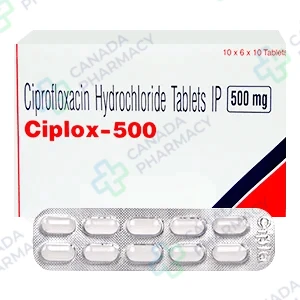
Ciplox
Price range: $ 49,00 through $ 434,00
Active substance: Ciprofloxacin
More Details
This product has multiple variants. The options may be chosen on the product page
Cleocin
Price range: $ 91,00 through $ 361,00
Active substance: Clindamycin
More Details
This product has multiple variants. The options may be chosen on the product page