

-28%
Zyvox
Price range: $ 222,00 through $ 423,00
Bestina
Price range: $ 11,00 through $ 29,00
Beconase AQ
Price range: $ 37,00 through $ 213,00
Beconase AQ is a highly effective nasal spray designed to provide long-lasting relief from the symptoms of seasonal and perennial allergic rhinitis. Formulated with beclomethasone dipropionate, this corticosteroid works directly in the nasal passages to significantly reduce inflammation caused by common environmental allergens. It helps alleviate bothersome symptoms such as sneezing, itching, and a persistent runny or stuffy nose, allowing for more comfortable breathing throughout the day. The gentle aqueous formula is specifically engineered for easy application, ensuring the medication stays targeted without causing excessive dryness. Regular use of Beconase AQ also aids in the prevention of nasal polyps, helping to maintain clear and healthy nasal airways year-round.
Active substance: Beclometasone
Delivery: 5–21 days (depending on the shipping method)
Extra 10% discount with coupon: IT4K6SVM
Each dosage option has its own packaging choices.
Description
Beconase AQ belongs to a class of medications known as synthetic nasal corticosteroids, designed to manage localized inflammatory conditions of the upper respiratory tract. It contains beclomethasone dipropionate monohydrate as its active substance, formulated specifically for aqueous intranasal administration. In the United States, this medication is available by prescription to treat seasonal and perennial allergic rhinitis as well as to assist in post-surgical nasal polyp management.
The following overview summarizes key clinical details regarding the pharmacology, administration, and safety considerations of Beconase AQ based on official prescribing information.
| Drug name | Beconase AQ |
| Active ingredient | Beclomethasone dipropionate monohydrate |
| Therapeutic class | Nasal corticosteroid |
| Dosage form | Nasal spray suspension |
| Route of administration | Intranasal |
| Prescription status | Prescription (Rx) |
Clinical Overview
How the drug works
Beconase AQ exhibits potent anti-inflammatory properties directly within the nasal mucosa. The active compound, beclomethasone dipropionate, is a synthetic corticosteroid that undergoes conversion to its active metabolite, beclomethasone-17-monopropionate. The drug acts by binding to intracellular glucocorticoid receptors, which subsequently inhibits the transcription of pro-inflammatory cytokines and reduces the activation and tissue migration of inflammatory cells such as eosinophils, lymphocytes, macrophages, and mast cells. By decreasing local vascular permeability and suppressing the release of inflammatory mediators like histamines and leukotrienes, Beconase AQ alleviates mucosal edema, nasal congestion, rhinorrhea, and sneezing associated with allergic inflammation.
Main uses
Beconase AQ is indicated for the relief of symptoms of seasonal allergic rhinitis (hay fever) and perennial allergic rhinitis in adult and pediatric patients 6 years of age and older. Additionally, it is indicated for the prevention of the recurrence of nasal polyps following surgical resection (polypectomy). When prescribed for allergic rhinitis, it helps control upper respiratory symptoms triggered by airborne environmental allergens, including grass, tree pollens, dust mites, and pet dander. Any use outside of these FDA-approved indications constitutes off-label administration and must be determined by a licensed prescriber.
Dosing schedule
Proper administration technique and adherence to the prescribed dosing schedule are necessary to achieve optimal therapeutic benefits. For adults and pediatric patients aged 12 years and older, the standard starting dosage is 1 spray (delivering 42 mcg of beclomethasone dipropionate per actuation) in each nostril twice daily, or 1 spray in each nostril four times daily, for a total daily dose of 336 mcg. For pediatric patients aged 6 to 11 years, the typical starting dose is 1 spray in each nostril twice daily (168 mcg total daily dose). Once symptom control is established, the dose should be titrated down to the lowest effective level needed to maintain control. The bottle must be primed prior to initial use or if unused for more than 7 days.
What happens in the body
Following intranasal administration, a portion of the administered dose is absorbed directly through the nasal mucosa, while the swallowed fraction passes into the gastrointestinal tract. Beclomethasone dipropionate rapidly converts via tissue esterases to its active metabolite, beclomethasone-17-monopropionate (BMP). Circulating BMP binds moderately to human plasma proteins (approximately 87%). Systemically absorbed beclomethasone dipropionate and its active metabolites undergo extensive hepatic metabolism primarily via CYP3A4 enzymes. Excretion occurs predominantly through the feces via biliary elimination, with less than 10% excreted in urine. Systemic bioavailability following intranasal administration is low, minimizing systemic corticosteroid exposure when used within recommended dosage guidelines.
Compatibility with other medicines
Although systemic exposure following intranasal application is minimal, potential pharmacodynamic and pharmacokinetic interactions exist. Concomitant administration of potent cytochrome P450 3A4 (CYP3A4) inhibitors–such as ketoconazole, itraconazole, clarithromycin, or ritonavir–may reduce the metabolic clearance of active beclomethasone metabolites. This can potentially increase systemic corticosteroid concentration and the risk of systemic side effects. Simultaneous use with other systemic or inhaled corticosteroids requires careful clinical monitoring to avoid additive suppression of the hypothalamic-pituitary-adrenal (HPA) axis. Patients should inform their healthcare provider of all current prescription and over-the-counter medications prior to initiating therapy.
Adverse reactions
Local adverse events affecting the nasal passages are the most frequently reported side effects associated with Beconase AQ. Patients may experience localized nasal irritation, burning, stinging, mucosal dryness, or transient sneezing immediately after spray application. Epistaxis (nosebleeds) and mucosal erosion can occur, particularly if administration is directed toward the central nasal septum. Infrequently, alterations in taste or smell (dysgeusia or anosmia) are observed. Rare but severe adverse reactions include nasal septum perforation, localized Candida albicans fungal infections of the nasal cavity or pharynx, hypersensitivity reactions (including rash, urticaria, and angioedema), and increased intraocular pressure or cataracts.
Important precautions
Patients should undergo periodic examinations of the nasal mucosa for evidence of structural changes or mucosal infection. Spray application should always be directed away from the nasal septum to reduce tissue strain. Caution is warranted in individuals with recent nasal surgery, trauma, or active nasal ulcers, as corticosteroids inhibit tissue healing. Patients transitioning from systemic corticosteroid therapy to intranasal therapy should be monitored for signs of HPA axis suppression or steroid withdrawal symptoms. Corticosteroids can suppress immune function; patients taking immunosuppressive doses should avoid exposure to viral pathogens such as varicella (chickenpox) or measles. In pediatric populations, long-term administration of intranasal corticosteroids may lead to a reduction in growth velocity; periodic growth monitoring is advised. In pregnant or nursing women, Beconase AQ should be prescribed only if the clinical benefit outweighs potential risks to the fetus or infant.
Patient Guidance and Usage Notes
Practical tips
To ensure consistent spray delivery and reduce localized irritation, correct application technique should be followed. Gently blow the nose to clear the nasal passages prior to application. Shake the bottle well before each administration. Insert the spray tip into the nostril while tilting the head slightly forward. Point the spray nozzle slightly outward toward the side wall of the nose, away from the middle septum. Depress the pump once while inhaling gently through the nose, then exhale slowly through the mouth. Clean the nasal applicator tip with warm water regularly to prevent clogging.
Storage and expiration
Beconase AQ should be stored at controlled room temperature, between 59°F and 86°F (15°C and 30°C). Protect the medication from direct heat, high humidity, and sunlight. Do not freeze the nasal suspension. Keep the protective dust cap securely attached to the spray applicator when not in use. Store out of the reach of children and domestic pets. Safely discard the unit after the labeled number of actuations has been used or after the printed expiration date has passed, even if liquid remains inside the container.
If you skip a dose
If a dose of Beconase AQ is missed, it should be administered as soon as remembered on that day. However, if it is nearly time for the next scheduled dose, skip the missed dose and return to the normal dosing schedule. Do not administer additional sprays or double the dose to compensate for a missed application. Consistent daily administration as directed by the prescribing clinician is essential for effective symptom management.
Signs of improvement
Unlike short-acting topical nasal decongestants, Beconase AQ does not offer instant relief of nasal congestion or allergic symptoms. Initial symptomatic relief typically develops within 24 to 48 hours of starting treatment, but full therapeutic effect may require up to one to two weeks of continuous daily usage. Effectiveness is characterized by progressive reductions in nasal congestion, sneezing, rhinorrhea, and nasal itchiness. If symptoms fail to show improvement after two weeks of continuous therapy, the prescribing physician should be consulted to re-evaluate the treatment plan.
Frequently Asked Questions
How long does it take for Beconase AQ to show its full effect?
While some patients experience initial relief within 24 to 48 hours after starting treatment, full therapeutic benefit generally requires up to 1 to 2 weeks of continuous daily use. Consistent dosing is essential, as the medication works by gradually reducing mucosal tissue inflammation over time.
What should I do if I experience nosebleeds while using this spray?
Occasional minor spotting may occur if the nasal mucosa becomes dry or irritated. Ensure that you are directing the spray nozzle away from the center of your nose (the nasal septum) toward the outer nasal walls. If nosebleeds are frequent, persistent, or heavy, discontinue use and contact your healthcare provider for evaluation.
Can Beconase AQ be used continuously for long-term allergy management?
Beconase AQ is designed for daily maintenance therapy during allergen exposure periods. However, long-term continuous use should be periodically evaluated by a healthcare professional to monitor the health of your nasal passages and ensure the lowest effective dose is maintained.
Is Beconase AQ absorbed into the entire body like steroid pills?
Systemic absorption of beclomethasone dipropionate following intranasal administration is low compared to oral corticosteroid medications. When used at recommended therapeutic doses, localized action predominates, significantly minimizing the risk of systemic corticosteroid side effects.
What happens if I stop using Beconase AQ abruptly?
Abrupt cessation of Beconase AQ does not typically cause severe withdrawal reactions, but underlying allergic rhinitis symptoms–such as congestion, sneezing, and runny nose–are likely to return within a few days if allergen exposure continues.
In accordance with FDA requirements.
This text is for informational purposes only and does not constitute individual medical advice.
Additional information
| Dosage |
200 MDI |
|---|---|
| Package |
1 inhaler ,2 inhaler ,3 inhaler ,5 inhaler ,8 inhaler |
| Ενεργός Ουσία |
Related products
Allegra
Price range: $ 47,00 through $ 118,00
Active substance: Fexofenadine
More Details
This product has multiple variants. The options may be chosen on the product page
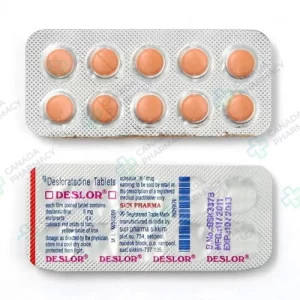
Clarinex
Price range: $ 51,00 through $ 196,00
Active substance: desloratadine
More Details
This product has multiple variants. The options may be chosen on the product page
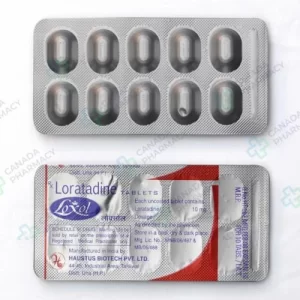
Claritin
Price range: $ 43,00 through $ 143,00
Active substance: Loratadine
More Details
This product has multiple variants. The options may be chosen on the product page
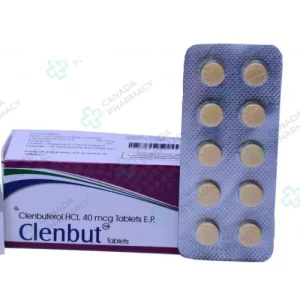
Clenbuterol
Price range: $ 40,00 through $ 450,00
Active substance: Clenbuterol
More Details
This product has multiple variants. The options may be chosen on the product page
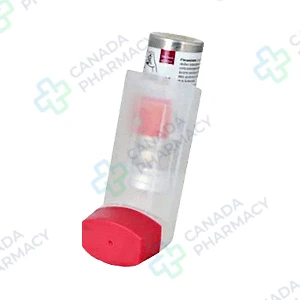
Entocort
Price range: $ 61,00 through $ 628,00
Active substance: Budesonide
More Details
This product has multiple variants. The options may be chosen on the product page
Periactin
Price range: $ 40,00 through $ 160,00
Active substance: Cyproheptadine
More Details
This product has multiple variants. The options may be chosen on the product page
Phenergan
Price range: $ 42,00 through $ 136,00
Active substance: Promethazine
More Details
This product has multiple variants. The options may be chosen on the product page
Prednisolone
Price range: $ 40,00 through $ 210,00
Active substance: prednisolone
More Details
This product has multiple variants. The options may be chosen on the product page