

-28%
Flomax
Price range: $ 55,00 through $ 335,00
Florinef
Price range: $ 51,00 through $ 367,00
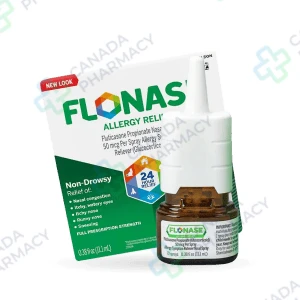
Flonase Nasal Spray
Price range: $ 47,00 through $ 304,00
Flonase Nasal Spray is a powerful allergy relief medication designed to provide 24-hour relief from uncomfortable seasonal and year-round symptoms. This non-drowsy formula effectively targets nasal congestion, sneezing, and an itchy or runny nose caused by pollen, mold, dust, and pet dander. In addition to nasal relief, it helps soothe itchy and watery eyes, allowing you to enjoy your daily activities without distraction. The active ingredient, fluticasone propionate, works directly in the nose to help block the body’s inflammatory response to common allergens. With just once-daily use, Flonase offers full-strength relief to keep you feeling clear and comfortable all day long.
Active substance: fluticasone
Delivery: 5–21 days (depending on the shipping method)
Extra 10% discount with coupon: IT4K6SVM
Each dosage option has its own packaging choices.
Description
Flonase Nasal Spray belongs to a group of medicines known as topical synthetic corticosteroids. Unlike oral antihistamines that primarily block histamine receptors, this intranasal spray acts directly inside the nasal passages to reduce inflammation caused by environmental allergens. It provides multi-symptom relief for both indoor and outdoor seasonal allergy triggers.
This product is available over-the-counter (OTC) for adult and pediatric use according to federal regulations. Understanding how to use the spray properly ensures optimal symptom control while minimizing the risk of localized nasal irritation.
| Attribute | Details |
|---|---|
| Active ingredient | Fluticasone propionate (50 mcg per spray) |
| Dosage form | Nasal spray, suspension |
| Route of administration | Intranasal |
| Primary purpose | Allergy symptom relief |
| Prescription status | Over-the-counter (OTC) |
| Storage condition | Store between 39°F and 86°F (4°C and 30°C) |
General Overview and Usage
How the drug works
Flonase Nasal Spray contains fluticasone propionate, a potent glucocorticoid that exhibits strong anti-inflammatory activity. When applied directly to the nasal mucosa, it targets multiple inflammatory mediators, including histamine, leukotrienes, cytokines, and prostaglandins. By suppressing these inflammatory pathways, the medication helps reduce swelling in the nasal passages, decreases mucus production, and relieves sinus pressure. Because it acts locally, only a minimal amount enters the bloodstream, reducing the likelihood of systemic side effects compared to oral steroids.
Main uses and indications
This medication is indicated for the temporary relief of symptoms associated with hay fever or other upper respiratory allergies. These symptoms include nasal congestion, runny nose, sneezing, itchy nose, and itchy, watery eyes. It effectively manages symptoms triggered by outdoor allergens like tree pollen, grass, and ragweed, as well as indoor allergens like dust mites, pet dander, and mold. It is approved for use in adults and children aged 4 years and older. Any off-label use, such as long-term management of non-allergic rhinitis or nasal polyps without professional supervision, should only occur under strict medical guidance.
First days of treatment
Unlike oral decongestant sprays that provide immediate temporary relief, fluticasone propionate does not work instantly. You may begin to feel slight improvement within 12 hours after your initial dose, but full therapeutic benefits usually take several days of continuous daily use to develop. It is common to experience little to no change on day one. Consistency is key during the first week of therapy, as the anti-inflammatory effect builds up gradually in the tissue of your nasal passages.
How to take it
For adults and children 12 years of age and older, the typical starting dose is 2 sprays in each nostril once daily. Once your symptoms are controlled, you may reduce the dose to 1 spray in each nostril daily for maintenance. For children aged 4 to 11 years, the recommended dose is 1 spray in each nostril once daily. Before using the bottle for the first time, prime the spray pump by shaking gently and spraying into the air until a fine mist appears. Always blow your nose gently to clear your nostrils before administration, aim the nozzle slightly outward away from the center line of your nose (nasal septum), and wipe the spray tip clean after each use.
Safety and Practical Guidelines
Signs of improvement
You can tell the medication is working when you notice a reduction in overall nasal blockage and daily sneezing fits. Your nasal breathing should become clearer, and eye symptoms like itching and tearing should diminish. Rather than an abrupt surge of relief, you will feel a steady stabilization of your allergy symptoms throughout the 24-hour period between doses.
How it is absorbed and eliminated
When administered intranasally at recommended doses, fluticasone propionate has an extremely low systemic bioavailability, typically less than 2%. The majority of the swallowed portion undergoes extensive first-pass metabolism in the liver by the cytochrome P450 enzyme CYP3A4 into an inactive metabolite. Circulating fluticasone propionate is highly bound to plasma proteins (approximately 91%). The drug and its metabolites are eliminated primarily through the feces, with less than 5% excreted in urine. The terminal elimination half-life varies individually but is generally estimated around 7.8 to 8 hours.
Adverse reactions
While generally well tolerated, Flonase Nasal Spray can cause localized side effects. Minor adverse reactions include a temporary sting or burn in the nose, an unpleasant taste or smell, dryness of the throat or nasal passages, and minor nosebleeds (epistaxis). Less common but more severe complications can occur with prolonged use, including localized fungal infections (Candida albicans) inside the nose, nasal septum perforation, delayed wound healing, and elevated intraocular pressure leading to glaucoma or cataracts. If you notice persistent nosebleeds or white patches inside your nose, contact a healthcare provider.
Important precautions
Do not use this product if you have experienced an allergic reaction to fluticasone propionate or any inactive ingredient in the formulation. Exercise caution if you have recent nasal ulcers, nasal surgery, or nasal trauma, as corticosteroids can impair tissue healing. Special monitoring is advised for patients with unhealed infections, tuberculosis, ocular herpes simplex, or compromised immune systems. Children using corticosteroid nasal sprays long-term should have their growth monitored periodically by a pediatrician, as high doses can occasionally slow growth rate.
Compatibility with other medicines
Although systemic absorption is low, strong cytochrome P450 3A4 (CYP3A4) inhibitors can raise blood levels of fluticasone propionate. Co-administration with potent CYP3A4 inhibitors–such as certain antiretroviral medications (e.g., ritonavir) or systemic antifungals (e.g., ketoconazole, itraconazole)–is not recommended, as it may lead to systemic corticosteroid effects, including Cushing’s syndrome and adrenal suppression. Always inform your doctor or pharmacist about all medications, supplements, and topicals you are currently using.
If you skip a dose
If you forget to take your daily dose, apply it as soon as you remember that day. If it is almost time for your next scheduled dose, skip the missed spray and resume your regular daily schedule. Never double the dose or take extra sprays to compensate for a missed application, as this increases the likelihood of nasal irritation without enhancing allergy relief.
Storage and expiration
Store your nasal spray at controlled room temperature between 39°F and 86°F (4°C and 30°C). Keep the bottle away from direct sunlight and extreme heat or freezing conditions. Keep the protective cap on the nozzle when not in use to prevent clogging and contamination. Discard the bottle after the expiration date printed on the packaging or after the labeled number of sprays has been used, even if liquid remains inside.
Common questions
Can I use Flonase every day throughout allergy season?
Yes, Flonase is designed for daily use during your allergy season. Unlike decongestant nasal sprays, it does not cause rebound congestion when used daily as directed. However, if you need continuous symptom control for longer than six months, consult a healthcare professional.
Is it safe to drive after using this nasal spray?
Flonase Nasal Spray does not typically cause drowsiness or impair cognitive performance, making it safe to operate machinery or drive after administration. Unlike some older oral antihistamines, it operates locally without depressing the central nervous system.
What should I do if the spray pump gets clogged?
If the spray tip becomes clogged, do not try to unblock it with a pin or sharp object, as this can damage the applicator nozzle. Remove the spray cap and pump assembly, rinse it under warm tap water, dry it thoroughly, reattach it to the bottle, and re-prime until a fine mist sprays out.
Can I drink alcohol while using this medication?
There are no direct chemical interactions between alcohol and fluticasone propionate nasal spray due to minimal systemic absorption. However, alcohol consumption can cause blood vessel dilation in nasal tissue, which might temporarily aggravate nasal congestion in some individuals.
How long after starting treatment should I see my doctor if symptoms don’t improve?
If your allergy symptoms do not begin to improve after seven days of daily continuous use, or if they worsen significantly, stop using the spray and consult a healthcare provider to rule out underlying non-allergic conditions or sinus infections.
In accordance with FDA guidelines and regulations.
This text is for informational purposes only and does not constitute individual medical advice.
Additional information
| Dosage |
50 mcg |
|---|---|
| Package |
1 sprayer ,3 sprayer ,6 sprayer ,9 sprayer |
| Ενεργός Ουσία |
Related products
Alavert
Price range: $ 47,00 through $ 118,00
Active substance: Loratadine
More Details
This product has multiple variants. The options may be chosen on the product page
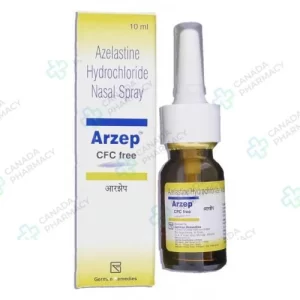
Astelin
Price range: $ 46,00 through $ 193,00
Active substance: Azelastine
More Details
This product has multiple variants. The options may be chosen on the product page
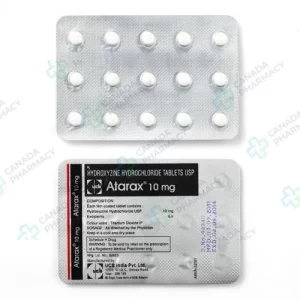
Atarax
Price range: $ 42,00 through $ 150,00
Active substance: Hydroxyzine
More Details
This product has multiple variants. The options may be chosen on the product page
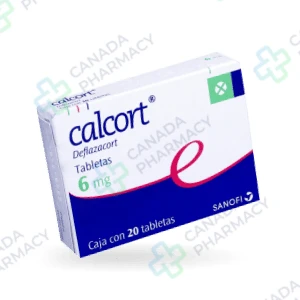
Calcort
Price range: $ 54,00 through $ 430,00
Active substance: Deflazacort
More Details
This product has multiple variants. The options may be chosen on the product page
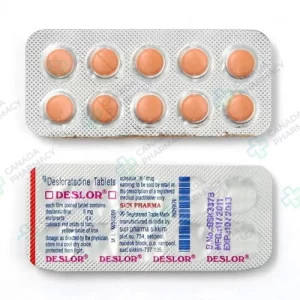
Clarinex
Price range: $ 51,00 through $ 196,00
Active substance: desloratadine
More Details
This product has multiple variants. The options may be chosen on the product page
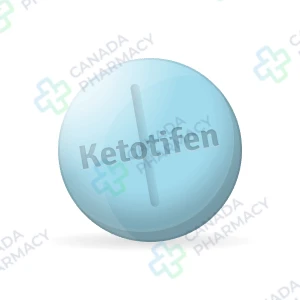
Ketotifen
Price range: $ 67,00 through $ 309,00
Active substance: Ketotifen
More Details
This product has multiple variants. The options may be chosen on the product page

Periactin
Price range: $ 40,00 through $ 160,00
Active substance: Cyproheptadine
More Details
This product has multiple variants. The options may be chosen on the product page
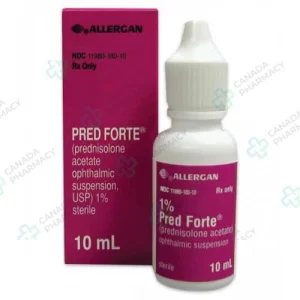
Pred Forte
Price range: $ 42,00 through $ 72,00
Active substance: prednisolone
More Details
This product has multiple variants. The options may be chosen on the product page