

-44%
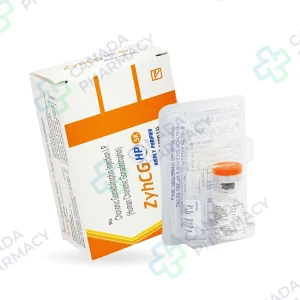
ZyhCG
Price range: $ 50,00 through $ 300,00
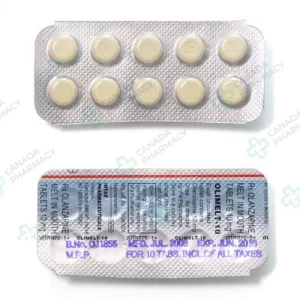
Zyprexa
Price range: $ 41,00 through $ 358,00
Zyloprim
Price range: $ 43,00 through $ 144,00
Zyloprim is a highly effective medication primarily used to manage and lower elevated uric acid levels in the bloodstream. It serves as a cornerstone treatment for preventing painful gout attacks by reducing the accumulation of uric acid crystals in the joints. This medication also plays a vital role in preventing the formation of recurrent uric acid and calcium oxalate kidney stones. Zyloprim provides essential support for patients undergoing specific cancer treatments that can lead to a significant spike in uric acid production. By inhibiting the enzyme responsible for creating uric acid, this treatment helps maintain long-term metabolic health and daily comfort.
Active substance: allopurinol
Delivery: 5–21 days (depending on the shipping method)
Extra 10% discount with coupon: IT4K6SVM
Each dosage option has its own packaging choices.
Description
Zyloprim belongs to a group of medicines known as xanthine oxidase inhibitors. It is prescribed by healthcare providers to manage clinical conditions characterized by elevated uric acid concentrations in the blood and urine, including gout and chemotherapy-induced hyperuricemia. Zyloprim is available by prescription only under applicable federal and state regulations in the United States.
Management of serum uric acid levels with Zyloprim helps reduce the formation of urate crystals, thereby preventing gouty arthritis flare-ups, tophi accumulation, and recurrent uric acid kidney stones. Proper clinical evaluation, dosage adjustment, and routine monitoring by a physician are essential for optimal treatment outcomes.
| Parameter | Specification |
|---|---|
| Drug name | Zyloprim |
| Active ingredient (INN) | Allopurinol |
| Therapeutic class | Xanthine Oxidase Inhibitors (AHFS 92:16) |
| Prescription status | Prescription (Rx) |
| Dosage form | Oral tablet |
| Route of administration | Oral |
| Primary purpose | Reduction of serum and urinary uric acid concentrations |
General Description and Clinical Use
How the Drug Works
The active substance in Zyloprim, allopurinol, acts directly on purine catabolism. The primary mechanism of action involves the inhibition of xanthine oxidase, the enzyme responsible for converting hypoxanthine to xanthine and xanthine to uric acid. Allopurinol is metabolized in the liver to its primary active metabolite, oxypurinol (alloxanthine), which also exhibits potent xanthine oxidase inhibition. By decreasing the concentration of plasma and urinary uric acid, Zyloprim prevents the precipitation of monosodium urate crystals in joint spaces and renal tubules. The pharmacological response results in a decrease in serum uric acid concentrations, typically observable within 48 to 72 hours following initiation of treatment.
Main Uses
Zyloprim is indicated for the management of signs and symptoms of primary and secondary gout, including acute gouty arthritis, tophi formation, joint destruction, and uric acid nephropathy or lithiasis. It is also indicated for the control of serum and urinary uric acid elevations in patients with leukemia, lymphoma, and other malignancies undergoing cancer chemotherapy that causes rapid cell lysis. Additionally, Zyloprim is prescribed for the management of recurrent calcium oxalate calculus formation in male and female patients with elevated urinary uric acid excretion exceeding 800 mg/day (in men) or 750 mg/day (in women). Any unapproved clinical applications, such as cardiovascular risk reduction in non-hyperuricemic patients, are considered off-label and lack FDA sanction.
Dosing Schedule
Dosage requirements for Zyloprim must be individualized based on serum uric acid levels and renal function. For the control of mild gout, the typical adult dosage is 100 mg to 300 mg daily, whereas moderate to severe gout may require 400 mg to 600 mg daily administered in divided doses. The maximum recommended daily dose is 800 mg. For chemotherapy-induced hyperuricemia, adult doses usually range from 600 mg to 800 mg daily for two to three days prior to antineoplastic therapy. Administration should occur immediately after meals with adequate fluid intake to maintain daily urinary output of at least 2 liters. Renal impairment necessitates dose reductions; for instance, patients with creatinine clearance between 10 and 20 mL/min are typically maintained on 200 mg daily.
What Happens in the Body
Following oral administration, allopurinol is rapidly absorbed from the gastrointestinal tract, attaining peak plasma concentrations within approximately 1.5 hours. Absolute bioavailability ranges from 80% to 90%. Allopurinol exhibits a short plasma half-life of approximately 1 to 2 hours because it undergoes rapid biotransformation by xanthine oxidase and aldehyde oxidase to oxypurinol. Oxypurinol possesses a substantially longer elimination half-life, ranging from 15 to 25 hours in individuals with normal renal clearance. Approximately 20% of ingested allopurinol is excreted in the feces, while the majority of the active metabolite oxypurinol is filtered by the glomeruli and reabsorbed in the renal tubules, ultimately eliminated in the urine.
Safety, Monitoring, and Administration
Adverse Reactions
The safety profile of Zyloprim includes both mild and severe adverse reactions. The most common adverse effect is skin rash, which may manifest as maculopapular eruptions and occurs in approximately 3% to 5% of treated patients. Gastrointestinal disturbances, including nausea, vomiting, abdominal pain, and diarrhea, are frequently reported. Severe cutaneous adverse reactions (SCARs), such as toxic epidermal necrolysis (TEN) and Stevens-Johnson syndrome (SJS), represent rare but life-threatening drug reactions. Additional adverse reactions include drug reaction with eosinophilia and systemic symptoms (DRESS), hepatotoxicity characterized by elevated serum transaminases, and bone marrow depression resulting in leukopenia or thrombocytopenia. Initiation of Zyloprim therapy may also trigger acute gouty attacks due to mobilization of tissue urate deposits.
Important Precautions
Prior to therapy initiation, clinical screening for the HLA-B*5801 allele is recommended in high-risk patient populations, including individuals of Han Chinese, Thai, or Korean descent with chronic kidney disease, as this genetic marker correlates with an elevated risk of severe hypersensitivity syndrome. Patients presenting with impaired renal function require lower maintenance dosages to prevent oxypurinol accumulation and toxicity. Routine monitoring of liver function enzymes, renal laboratory markers, and complete blood counts is recommended during prolonged therapy. Zyloprim should be used during pregnancy only if the potential benefit justifies the potential risk to the fetus, as adequate controlled human studies are lacking. Oxypurinol is excreted in human milk; caution should be exercised when Zyloprim is administered to a nursing mother.
Compatibility with Other Medicines
Co-administration of Zyloprim with azathioprine or 6-mercaptopurine results in inhibition of their metabolic inactivation, leading to profound toxicity; the dose of azathioprine or 6-mercaptopurine must be reduced to 25% to 33% of the standard dose when given concurrently. Concomitant administration with ampicillin or amoxicillin significantly increases the incidence of skin rash compared to penicillin derivatives given alone. Thiazide diuretics may increase oxypurinol retention and elevate the risk of hypersensitivity reactions, particularly in patients with compromised renal function. Warfarin and other coumarin anticoagulants may exhibit enhanced hypoprothrombinemic effects when co-administered with allopurinol, requiring frequent monitoring of international normalized ratio (INR) values.
What to Avoid While Taking It
Zyloprim tablets should be ingested postprandially with ample fluids to minimize gastrointestinal discomfort and lower the risk of renal uric acid crystallization. Patients are advised to maintain fluid consumption sufficient to yield a daily urinary volume of at least 2 liters. Ethanol consumption should be minimized or avoided, as alcohol increases purine degradation and inhibits renal tubular secretion of uric acid, thereby counteracting the therapeutic efficacy of xanthine oxidase inhibition.
If You Skip a Dose
If a scheduled dose of Zyloprim is missed, it should be taken as soon as remembered on the same day. However, if the time approaches the next scheduled dose, the missed dose should be omitted, and the regular dosing schedule resumed. Patients must not double the prescribed dose to make up for a missed administration, as this increases the risk of concentration-dependent adverse events.
Signs of Improvement
Therapeutic response to Zyloprim is monitored primarily through laboratory measurement of serum uric acid concentrations. Initial reduction of uric acid is typically evident within 48 to 72 hours, with maximal therapeutic response achieved after 1 to 3 weeks of continuous therapy. Target serum urate levels are generally below 6.0 mg/dL. Clinical reduction in the frequency and severity of acute gout attacks and gradual regression of subcutaneous tophi may require several months of consistent maintenance therapy.
Red Flags
Immediate medical evaluation is necessary upon the development of any cutaneous hypersensitivity signs or systemic symptoms. Treatment must be discontinued immediately at the first appearance of skin rash, mucosal lesions, or unexplained systemic fever, as these may precede severe cutaneous adverse reactions.
| Clinical Warning Sign | Recommended Action |
|---|---|
| Swelling of the face, lips, or tongue | Discontinue drug immediately; seek emergency medical care |
| Severe rash, blisters, or skin peeling | Discontinue drug immediately; seek urgent dermatologic evaluation |
| Difficulty breathing or swallowing | Seek emergency medical care immediately |
| Yellowing of eyes/skin (jaundice) or dark urine | Discontinue drug; contact physician for hepatic evaluation |
| High fever accompanied by joint pain or malaise | Discontinue drug; consult treating healthcare provider immediately |
Common Questions
Can Zyloprim cause a gout flare when first started?
Yes, initiation of Zyloprim therapy can trigger an increase in acute gouty attacks. This phenomenon occurs due to the rapid lowering of serum uric acid levels, which causes the mobilization and dissolution of tissue urate deposits. To prevent acute flares during the initial months of treatment, healthcare providers frequently prescribe concomitant prophylactic doses of colchicine or nonsteroidal anti-inflammatory drugs (NSAIDs).
How does kidney function affect Zyloprim dosing?
Because the primary active metabolite oxypurinol is excreted by the kidneys, impaired renal function slows its elimination and increases the risk of drug accumulation and toxicity. Dosage adjustments are mandatory for patients with renal insufficiency, based on calculated creatinine clearance values or serum creatinine measurements.
What should be done if a dose of Zyloprim is skipped?
A missed dose should be taken as soon as it is remembered, unless it is almost time for the next scheduled dose. Patients should skip the missed dose and resume their regular schedule rather than taking two doses simultaneously.
Are routine blood tests necessary during Zyloprim therapy?
Yes, regular laboratory testing is essential during long-term Zyloprim therapy. Physicians typically order periodic serum uric acid assessments to confirm dosage efficacy, along with renal function tests, liver enzyme panels, and complete blood counts to monitor for potential organ toxicity or hematologic adverse effects.
How long does it take for Zyloprim to lower blood uric acid levels?
Zyloprim begins to decrease serum uric acid concentrations within 24 to 48 hours after administration, with significant reductions typically observed within 48 to 72 hours. However, stabilization at target therapeutic levels generally requires 1 to 3 weeks of consistent daily administration.
Information on this page is for reference and does not replace an assessment by a licensed healthcare professional.
In accordance with FDA requirements.
Additional information
| Dosage |
100mg ,300mg |
|---|---|
| Package |
60 pills ,90 pills ,120 pills ,180 pills ,270 pills ,360 pills |
| Ενεργός Ουσία |
Related products
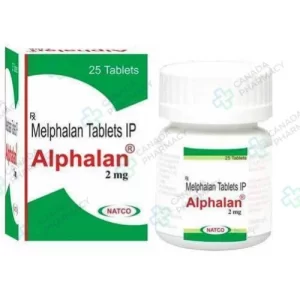
Alkeran
Price range: $ 112,00 through $ 513,00
Active substance: Melphalan
More Details
This product has multiple variants. The options may be chosen on the product page
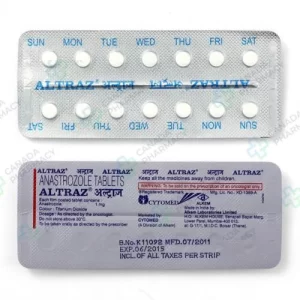
Arimidex
Price range: $ 194,00 through $ 441,00
Active substance: Anastrozole
More Details
This product has multiple variants. The options may be chosen on the product page
Baycip
Price range: $ 42,00 through $ 113,00
Active substance: Ciprofloxacin
More Details
This product has multiple variants. The options may be chosen on the product page
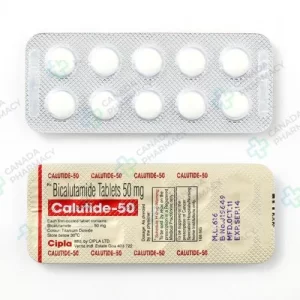
Casodex
Price range: $ 50,00 through $ 1 440,00
Active substance: bicalutamide
More Details
This product has multiple variants. The options may be chosen on the product page
Doxazosin
Price range: $ 42,00 through $ 332,00
Active substance: Doxazosin
More Details
This product has multiple variants. The options may be chosen on the product page
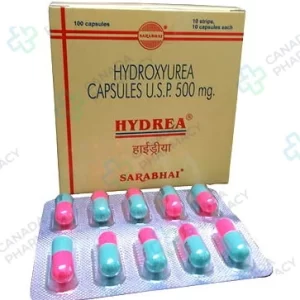
Hydrea
Price range: $ 64,00 through $ 541,00
Active substance: Hydroxyurea
More Details
This product has multiple variants. The options may be chosen on the product page
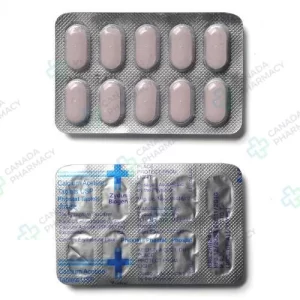
PhosLo
Price range: $ 48,00 through $ 217,00
Active substance: Calcium Acetate
More Details
This product has multiple variants. The options may be chosen on the product page
Tetracin
Price range: $ 19,00 through $ 65,00
Active substance: Tetracycline Hydrochloride
More Details
This product has multiple variants. The options may be chosen on the product page