

-43%

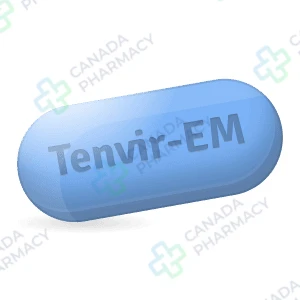
Tenvir-EM
Price range: $ 82,00 through $ 219,00

Tiger King
Price range: $ 10,00 through $ 73,00
Tetracin
Price range: $ 19,00 through $ 65,00
Tetracin is a highly effective broad-spectrum antibiotic designed to treat a wide variety of bacterial infections. This medication works by inhibiting the growth of harmful bacteria, allowing the body’s natural defenses to overcome the illness. It is commonly used to address respiratory tract issues, including pneumonia and other lung-related conditions. Additionally, Tetracin is an established treatment for skin conditions like severe acne and various infections of the urinary tract. By targeting the root cause of the infection, this medication helps restore health and supports a faster recovery process.
Active substance: Tetracycline Hydrochloride
Delivery: 5–21 days (depending on the shipping method)
Extra 10% discount with coupon: IT4K6SVM
Each dosage option has its own packaging choices.
Description
Tetracin belongs to the class of tetracycline antibiotics designed to treat various bacterial infections. Prescribed by healthcare professionals, it acts by inhibiting bacterial protein synthesis to control susceptible infectious organisms.
This agent is dispensed in accordance with applicable federal and state prescription regulations in the United States. Proper administration under medical guidance is necessary to minimize the risk of bacterial resistance and ensure clinical safety.
| Drug Name | Tetracin |
| Active Ingredient | Tetracycline Hydrochloride |
| Dosage Form | Oral Capsule |
| Route of Administration | Oral |
| Primary Purpose | Bacterial Infection Management |
| Prescription Status | Prescription (Rx) |
Overview of Tetracin
How the drug works
Tetracin exerts its antimicrobial activity by penetrating susceptible bacterial cells and reversibly binding to the 30S ribosomal subunit. This action blocks the binding of aminoacyl-tRNA to the messenger RNA-ribosome complex, effectively halting bacterial protein synthesis. Because it stops bacterial growth without immediately killing the cells, it is classified primarily as a bacteriostatic antibiotic. The spectrum of activity encompasses a broad range of Gram-positive and Gram-negative bacteria, as well as atypical organisms including Mycoplasma pneumoniae, Chlamydia species, and Rickettsia. Susceptibility testing is recommended prior to initiation when feasible to confirm bacterial sensitivity.
What it’s used for
Tetracin is indicated for the treatment of infections caused by susceptible strains of designated microorganisms. Approved indications include respiratory tract infections, urinary tract infections, specific skin and soft tissue infections, severe acne vulgaris as an adjunctive measure, rickettsial infections such as Rocky Mountain spotted fever, and sexually transmitted infections caused by Chlamydia trachomatis. It may also be utilized in specialized clinical scenarios under specific therapeutic guidelines. Any off-label applications must be determined solely by a licensed provider based on microbiological evidence and patient-specific factors.
Dosing schedule
The dosage, frequency, and duration of therapy with Tetracin are established individually by the prescribing physician based on the diagnosis, severity of infection, renal function, and patient body weight. Oral administration should occur with a full glass of water (8 ounces) while the patient is in an upright position (sitting or standing) to prevent esophageal irritation or ulceration. Doses are typically spaced evenly throughout the 24-hour period to maintain stable serum concentrations. Therapy should be continued for the full duration prescribed by the doctor, even if clinical symptoms improve earlier, to prevent infection relapse and resistance development.
How it’s absorbed and eliminated
Following oral administration, Tetracin is absorbed primarily from the stomach and upper small intestine. Peak serum concentrations are generally attained within 2 to 4 hours post-dose. The extent of systemic absorption is significantly reduced in the presence of food, particularly dairy products and substances containing multivalent cations such as calcium, magnesium, aluminum, or iron. Tetracin distributes widely into body tissues and fluids, including bile, liver, lungs, and kidneys, and crosses the placenta. The serum elimination half-life ranges approximately from 6 to 11 hours in individuals with normal renal function. The primary route of excretion is renal, via glomerular filtration, with a portion excreted unchanged in the urine, while biliary excretion also contributes to elimination.
Safety and Clinical Considerations
Compatibility with other medicines
Tetracin is prone to significant pharmacokinetic interactions when co-administered with other pharmaceutical agents. Antacids containing aluminum, calcium, or magnesium, as well as oral iron supplements, zinc preparations, and bismuth subsalicylate, form insoluble chelates with Tetracin in the gastrointestinal tract, markedly reducing its systemic absorption. Concomitant administration of oral contraceptives may result in reduced contraceptive efficacy, requiring secondary barrier methods during treatment. Tetracin may enhance the hypoprothrombinemic effect of oral anticoagulants such as warfarin, necessitating routine monitoring of international normalized ratio (INR) values. Concurrent use with retinoids like isotretinoin should be avoided due to an increased risk of benign intracranial hypertension (pseudotumor cerebri).
Adverse reactions
Adverse effects associated with Tetracin therapy can affect multiple organ systems. Gastrointestinal reactions are among the most common and include nausea, vomiting, epigastric distress, diarrhea, and glossitis. Esophageal ulcerations have been reported, particularly when capsules are swallowed immediately before retiring or with insufficient fluid. Dermatologic reactions include photosensitivity, characterized by exaggerated sunburn reactions upon exposure to direct sunlight or ultraviolet light. Hypersensitivity reactions may manifest as urticaria, angioedema, or anaphylaxis. Long-term administration can lead to superinfections caused by non-susceptible organisms, such as oral or vaginal candidiasis. Enamel hypoplasia and permanent tooth discoloration may occur if administered during tooth development.
Important precautions
Tetracin is contraindicated in patients with a history of hypersensitivity to any tetracycline-class antibiotic. The use of Tetracin during pregnancy is generally avoided due to potential risks to fetal skeletal development and accumulation in fetal tissues. Administration to nursing mothers requires careful clinical evaluation, as the drug is excreted in human breast milk and may affect bone and tooth structure in the nursing infant. Pediatric use in children under 8 years of age is restricted due to the risk of permanent yellow-gray-brown discoloration of teeth and inhibition of linear bone growth. Patients with impaired renal function require dosage adjustments or alternative agent selection, as accumulation of the drug may lead to azotemia, hyperphosphatemia, and hepatotoxicity.
What to avoid while taking it
Patients receiving Tetracin should avoid consuming milk, cheese, yogurt, and other dairy products, as well as calcium-fortified beverages, for at least 2 hours before and 2 hours after taking a dose. Similarly, administration should be separated from antacids, mineral supplements, and laxatives containing magnesium. Direct exposure to natural sunlight and artificial ultraviolet radiation (such as tanning beds) should be minimized; broad-spectrum sunscreen and protective clothing are recommended during treatment. Excessive alcohol intake should be avoided, as chronic heavy consumption may accelerate the hepatic metabolism and decrease the elimination half-life of tetracycline antibiotics.
If you skip a dose
If a dose of Tetracin is missed, it should be taken as soon as it is remembered. However, if the time is close to the next scheduled dose, the missed dose should be skipped and the regular dosing schedule resumed. Double doses must not be taken to compensate for a missed capsule. Maintaining consistent dosing intervals is critical for achieving therapeutic tissue levels and preventing treatment failure.
Storage and expiration
Tetracin should be stored at room temperature, ideally between 68°F and 77°F (20°C to 25°C), away from excess heat, light, and moisture. Storage in bathrooms or humid environments is not recommended. Keep the container tightly closed and out of reach of children. Expired Tetracin must be discarded promptly; degraded tetracycline products can undergo chemical transformation into toxic metabolites capable of causing a severe form of renal tubular dysfunction known as Fanconi-like syndrome.
Practical tips
To optimize clinical outcomes and minimize adverse effects, patients should strictly follow dosing timelines provided by their healthcare team. Swallowing capsules with a full 8-ounce glass of plain water while upright helps ensure smooth passage into the stomach and prevents localized mucosal irritation. If gastrointestinal upset occurs, patients should consult their provider regarding timing adjustment relative to light, non-dairy meals. Wearing sun-protective attire when outdoors helps mitigate light sensitivity. Patients should also inform all treating physicians and dentists that they are taking Tetracin prior to any scheduled procedures or new prescriptions.
Common questions
Q: Why must Tetracin be taken with a full glass of water while remaining upright?
A: Taking Tetracin with adequate water while sitting or standing prevents the capsule from becoming lodged in the esophagus. If a capsule dissolves in the esophagus, the concentrated active substance can cause severe tissue irritation, inflammation, or esophageal ulceration.
Q: How do dairy products and mineral supplements affect Tetracin absorption?
A: Calcium, iron, magnesium, and aluminum chemically bind to Tetracin in the digestive tract, forming insoluble complexes that the body cannot absorb into the bloodstream. This significantly lowers drug concentrations in blood and tissue, rendering the antibiotic less effective.
Q: What should be done if sun exposure occurs during therapy?
A: Tetracin increases skin sensitivity to ultraviolet light, which can cause severe sunburns or skin rash. Patients should minimize direct sun exposure, wear protective clothing and wide-brimmed hats, and apply broad-spectrum sunscreen. If severe redness or blistering develops, contact a healthcare provider promptly.
Q: Is it safe to stop taking Tetracin as soon as symptoms disappear?
A: No. Symptom resolution does not guarantee complete elimination of the bacterial infection. Premature discontinuation can allow surviving bacteria to multiply, leading to infection relapse and fostering the development of antibiotic-resistant strains.
Q: Why is expired Tetracin strictly prohibited from use?
A: Unlike many medications that simply lose potency over time, chemical breakdown products of degraded tetracycline can cause renal damage, specifically Fanconi-like syndrome, characterized by impaired kidney tubule reabsorption. Always check expiration dates prior to use.
In accordance with FDA requirements. This content is informational and does not replace a consultation with your doctor or pharmacist.
Additional information
| Dosage |
250 mg |
|---|---|
| Package |
60 caps ,90 caps ,180 caps ,360 caps |
| Ενεργός Ουσία |
Related products

Azee
Price range: $ 30,00 through $ 150,00
Active substance: Azithromycin
More Details
This product has multiple variants. The options may be chosen on the product page

Azee DT
Price range: $ 20,00 through $ 42,00
Active substance: Azithromycin
More Details
This product has multiple variants. The options may be chosen on the product page

Cefixime
Price range: $ 101,00 through $ 509,00
Active substance: cefixime
More Details
This product has multiple variants. The options may be chosen on the product page
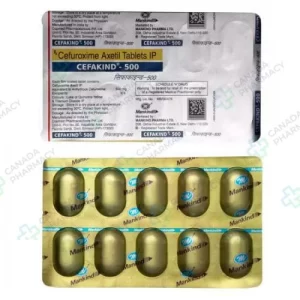
Ceftin
Price range: $ 38,00 through $ 386,00
Active substance: Cefuroxime
More Details
This product has multiple variants. The options may be chosen on the product page

Cenmox
$ 51,00
Active substance: amoxicillin
More Details
This product has multiple variants. The options may be chosen on the product page

Chloramphenicol
Price range: $ 56,00 through $ 260,00
Active substance: chloramphenicol
More Details
This product has multiple variants. The options may be chosen on the product page
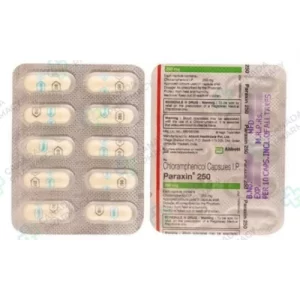
Chloromycetin
Price range: $ 52,00 through $ 242,00
Active substance: chloramphenicol
More Details
This product has multiple variants. The options may be chosen on the product page
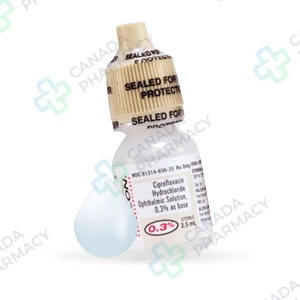
Ciprodex Ophthalmic Solution
Price range: $ 63,00 through $ 95,00
Active substance: Ciprofloxacin, Dexamethasone
More Details
This product has multiple variants. The options may be chosen on the product page