

-30%
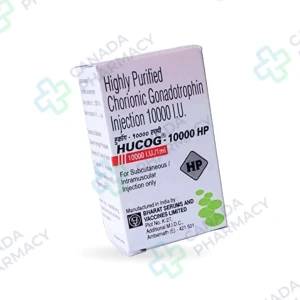
Hucog HP
Price range: $ 70,00 through $ 550,00
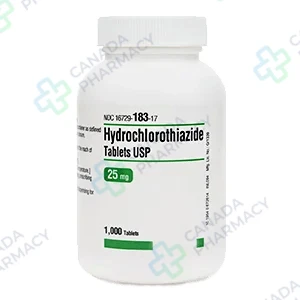
Hydrochlorothiazide
Price range: $ 24,00 through $ 139,00
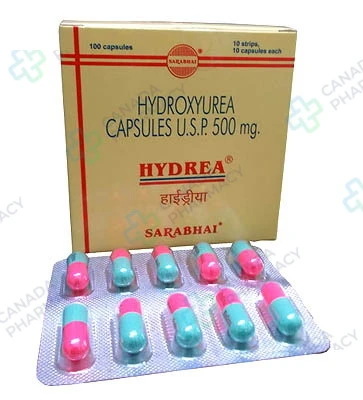
Hydrea
Price range: $ 64,00 through $ 541,00
Hydrea (Hydroxyurea) is an antineoplastic medication primarily used to manage various types of cancer and chronic blood disorders. It is effectively indicated for the treatment of resistant chronic myeloid leukemia and squamous cell carcinomas of the head and neck. The medication works by inhibiting the synthesis of DNA, which helps to slow or stop the growth of abnormal cells in the body. Furthermore, Hydrea is a vital treatment for patients with sickle cell anemia, as it helps reduce the frequency of painful crises and the need for blood transfusions. By stabilizing cell production, this medication plays a key role in the long-term management of these serious health conditions.
Active substance: Hydroxyurea
Delivery: 5–21 days (depending on the shipping method)
Extra 10% discount with coupon: IT4K6SVM
Each dosage option has its own packaging choices.
Description
Hydrea belongs to a group of medicines known as antimetabolites, which interfere with cellular DNA synthesis to inhibit cellular proliferation. It is an antineoplastic prescription medication prescribed by physicians to manage specific types of neoplastic disorders and hematologic conditions in the United States.
Because Hydrea is a potent cytotoxic agent, treatment requires careful ongoing medical oversight, routine complete blood count evaluations, and strict adherence to handling protocols. Patients must follow their healthcare team’s specific directives while taking this prescription therapy.
| Parameter | Details |
|---|---|
| Active ingredient | Hydroxyurea |
| Therapeutic class | Antineoplastic antimetabolite |
| Dosage form | Oral capsule (500 mg) |
| Route of administration | Oral |
| Prescription status | Prescription only (Rx) |
| Primary purpose | Management of specific neoplastic and hematologic conditions |
How the drug works
Hydrea contains hydroxyurea, a synthetic ribonucleoside reductase inhibitor. The primary mechanism of action involves the inhibition of DNA synthesis through the inactivation of the enzyme ribonucleoside diphosphate reductase. By blocking the conversion of ribonucleotides into deoxyribonucleotides, hydroxyurea selectively suppresses DNA replication without immediately halting RNA or protein synthesis. This cytostatic effect leads to cell cycle arrest in the S-phase, preventing rapidly dividing cells from proliferating.
In hematologic applications, this enzymatic inhibition reduces elevated circulating blood cell counts, including white blood cells, platelets, and red blood cells. Because of its broad cytotoxic profile, the drug affects both abnormal cells and healthy proliferating tissues, necessitating structured clinical monitoring throughout therapy.
Main uses
Hydrea is FDA-approved in the United States for the management of resistant chronic myelocytic leukemia (CML). It is also approved for combination therapy with radiation for locally advanced or metastatic squamous cell carcinomas of the head and neck (excluding the lip), carcinoma of the ovary, and recurrent or metastatic melanoma.
In clinical practice, healthcare providers may also prescribe Hydrea off-label for myeloproliferative neoplasms such as polycythemia vera and essential thrombocythemia to control cell counts and minimize thrombotic risks. Additionally, off-label administration is sometimes utilized in adult sickle cell disease, although a different brand formulation is specifically approved for that blood disorder. Any off-label application must be determined and supervised by a qualified hematologist or oncologist.
Dosing schedule
Dosage regimens for Hydrea are strictly individualized based on the patient’s body weight, renal function, baseline blood counts, and specific diagnosis. Capsules are administered orally as a single daily dose or as an intermittent dose (e.g., every third day for solid tumors), depending on the treatment protocol prescribed. Individual dosages require adjustment when combined with concurrent myelosuppressive therapies.
Because hydroxyurea is a cytotoxic substance, capsules must be swallowed whole with a glass of water and never opened, crushed, or chewed. Caregivers handling the medication should wear disposable gloves or wash their hands thoroughly before and after contact to minimize skin exposure. Adjustments to the dosing schedule are frequently executed by the prescribing doctor based on routine complete blood count results.
How it’s absorbed and eliminated
Following oral administration, hydroxyurea is rapidly and readily absorbed from the gastrointestinal tract. Peak plasma concentration is typically achieved within one to two hours after ingestion. Hydroxyurea crosses the blood-brain barrier and distributes broadly into tissue fluids, ascites, and cerebrospinal fluid.
The drug undergoes partial hepatic metabolism, while a significant portion is excreted unchanged by the kidneys via glomerular filtration. The elimination half-life in adult patients averages approximately two to four hours. Impaired renal function prolongs drug clearance and increases systemic exposure, which generally necessitates a reduced starting dose to avoid severe hematologic toxicity.
Compatibility with other medicines
Hydrea exhibits significant drug interactions with several therapeutic classes. Co-administration with live vaccines is contraindicated due to an elevated risk of severe or fatal infections in immunocompromised individuals. Concomitant use with certain antiretroviral drugs, such as didanosine or stavudine, increases the incidence of severe hepatotoxicity, peripheral neuropathy, and potentially fatal pancreatitis.
Combining Hydrea with other myelosuppressive agents or radiation therapy amplifies bone marrow suppression, requiring vigilant dosage calibration. Hydroxyurea can also cause falsely elevated sensor glucose readings on certain continuous glucose monitoring (CGM) systems. Patients should disclose all prescription drugs, over-the-counter products, and dietary supplements to their healthcare team prior to initiating therapy.
Adverse reactions
Bone marrow suppression is the principal dose-limiting adverse reaction associated with Hydrea therapy, manifesting as severe leukopenia, anemia, and thrombocytopenia. Gastrointestinal side effects frequently reported include nausea, vomiting, diarrhea, constipation, anorexia, and stomatitis.
Dermatologic adverse events encompass skin hyperpigmentation, skin atrophy, nail changes, and cutaneous vasculitic ulcerations, particularly in patients with long-term myeloproliferative disorders. Long-term use carries an elevated risk of secondary malignancies, including acute leukemia and non-melanoma skin cancers. Neurological reactions such as drowsiness, dizziness, disorientation, and headache occur less frequently.
Before you take it
Hydrea carries serious boxed warnings regarding severe myelosuppression and secondary malignancies. Treatment should not be initiated if baseline bone marrow function is markedly depressed. Complete blood counts must be checked prior to starting treatment and monitored at frequent intervals throughout the therapeutic course.
Hydroxyurea can cause fetal harm when administered to pregnant women and is classified as toxic to reproduction. Effective contraception is required for female patients of reproductive potential during treatment and for six months following discontinuation. Male patients must use effective contraception during therapy and for at least one year post-treatment due to potential genotoxicity. Breastfeeding is not recommended, as hydroxyurea is excreted into human breast milk. Elderly patients often display heightened sensitivity to toxicity, frequently requiring lower doses due to age-related renal clearance reductions.
If you skip a dose
If a dose of Hydrea is missed, the patient should contact their prescribing physician or pharmacist for specific instructions. If the next scheduled dose is many hours away, take the missed capsule as soon as remembered. If it is close to the time for the next scheduled dose, skip the missed dose and resume the normal administration schedule. Patients must never double the dose or take extra capsules to compensate for a missed dose.
Storage and expiration
Hydrea capsules should be stored at controlled room temperature between 20°C and 25°C (68°F to 77°F), with excursions permitted between 15°C and 30°C (59°F to 86°F). Keep the container tightly closed, protected from light, heat, and moisture. Store the medication safely away from children and domestic pets. Expired or unused capsules should be disposed of in accordance with hazardous drug disposal guidelines or returned through a designated pharmacy collection program.
Signs of improvement
Evaluation of treatment response relies on the underlying therapeutic goal. In hematologic conditions, therapeutic response is defined by the stabilization or normalization of blood counts (e.g., lower white blood cell or platelet counts) and reduction in spleen enlargement. In solid tumor therapy, improvement is evaluated via radiological scans and clinical exams showing tumor regression or disease stabilization. Symptomatic improvement may require several weeks, and routine laboratory monitoring remains the primary method for evaluating efficacy.
| Emergency Symptom | Clinical Concern |
|---|---|
| Fever, chills, or persistent sore throat | Severe neutropenia or active life-threatening infection |
| Unusual bleeding, excessive bruising, or dark stools | Severe thrombocytopenia or internal hemorrhage |
| Swelling of face, lips, or tongue; difficulty breathing | Severe allergic reaction or anaphylaxis |
| Painful purple skin ulcers or tissue necrosis | Cutaneous vasculitic toxicities |
| Severe abdominal pain with nausea and vomiting | Potential pancreatitis or acute gastrointestinal toxicity |
Frequently asked questions
How often are blood tests required during Hydrea treatment?
Blood tests, specifically complete blood counts (CBC), are performed weekly at the beginning of therapy to monitor bone marrow function. Once a stable maintenance dose is established, your physician may adjust the testing frequency to every few weeks depending on your clinical status.
Is it safe to consume alcohol while taking Hydrea?
Alcohol should generally be avoided or strictly limited during Hydrea therapy. Both alcohol and hydroxyurea are processed by the liver and can irritate the gastrointestinal tract; combining them may increase side effects like dizziness, drowsiness, and stomach distress.
Can I drive or operate machinery while on this medication?
Hydrea can cause dizziness, drowsiness, and confusion in some patients. You should not drive, operate heavy machinery, or engage in hazardous activities until you know how the medication affects your central nervous system and mental alertness.
What safety measures should family members take when handling Hydrea?
Caregivers handling Hydrea capsules should wear disposable protective gloves to avoid direct skin contact with the drug powder. Pregnant caregivers should avoid handling the medication entirely. Hands should always be washed thoroughly with soap and water after handling.
Can I get a flu shot or other vaccinations while taking Hydrea?
Inactivated (killed) vaccines like the standard flu shot can usually be given, though they may be less effective due to immune suppression. Live vaccines (e.g., MMR, nasal flu spray) must be avoided completely, as Hydrea impairs the immune system and increases the risk of vaccine-induced infections.
In accordance with FDA requirements.
This text is for informational purposes only and does not constitute individual medical advice.
Additional information
| Dosage |
500mg |
|---|---|
| Package |
30 pills ,60 pills ,90 pills ,120 pills ,180 pills ,270 pills ,360 pills |
| Ενεργός Ουσία |
Related products
Alkeran
Price range: $ 112,00 through $ 513,00
Active substance: Melphalan
More Details
This product has multiple variants. The options may be chosen on the product page
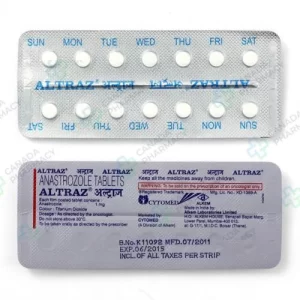
Arimidex
Price range: $ 194,00 through $ 441,00
Active substance: Anastrozole
More Details
This product has multiple variants. The options may be chosen on the product page
Kytril
Price range: $ 76,00 through $ 491,00
Active substance: Granisetron
More Details
This product has multiple variants. The options may be chosen on the product page
LDN
Price range: $ 81,00 through $ 266,00
Active substance: Naltrexone
More Details
This product has multiple variants. The options may be chosen on the product page
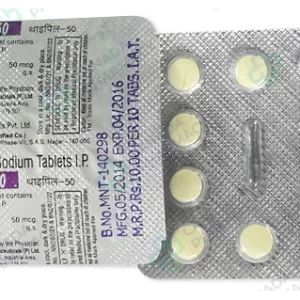
Levothroid
Price range: $ 42,00 through $ 144,00
Active substance: Levothyroxine sodium
More Details
This product has multiple variants. The options may be chosen on the product page
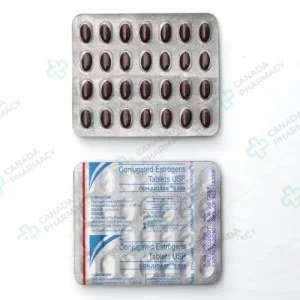
Premarin
Price range: $ 379,00 through $ 705,00
Active substance: Conjugated Estrogens
More Details
This product has multiple variants. The options may be chosen on the product page
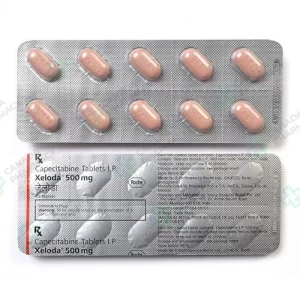
Xeloda
Price range: $ 494,00 through $ 788,00
Active substance: Capecitabine
More Details
This product has multiple variants. The options may be chosen on the product page
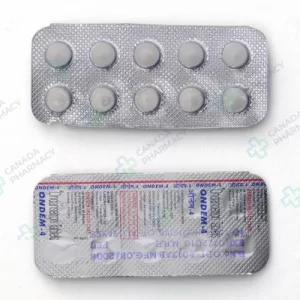
Zofran
Price range: $ 44,00 through $ 258,00
Active substance: Ondansetron
More Details
This product has multiple variants. The options may be chosen on the product page