

-34%

Ketotifen
Price range: $ 67,00 through $ 309,00

Lady Era
Price range: $ 51,00 through $ 382,00
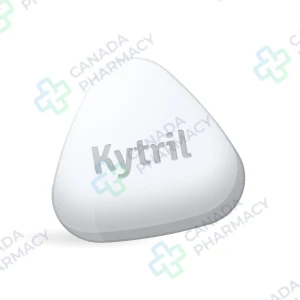
Kytril
Price range: $ 76,00 through $ 491,00
Kytril is a potent antiemetic medication specifically formulated to prevent nausea and vomiting in clinical settings. It is widely used to support patients undergoing initial or repeat courses of emetogenic chemotherapy. Furthermore, it is effective at controlling symptoms associated with radiation therapy treatments. The medication is also indicated for the prevention and treatment of postoperative nausea and vomiting following surgery. By blocking natural triggers in the body, Kytril helps ensure a more comfortable recovery process for patients.
Active substance: Granisetron
Delivery: 5–21 days (depending on the shipping method)
Extra 10% discount with coupon: IT4K6SVM
Each dosage option has its own packaging choices.
Description
Kytril belongs to a class of medications known as selective serotonin 5-HT3 receptor antagonists. It is primarily prescribed for the prevention of nausea and vomiting associated with emetogenic cancer therapies, including chemotherapy and radiation treatment, as well as for the management of postoperative nausea.
In the United States, Kytril is a prescription medication regulated by the Food and Drug Administration (FDA). Treatment must be initiated, dosed, and monitored under the direct supervision of a licensed healthcare provider based on an evaluation of the patient’s medical condition and treatment plan.
| Attribute | Clinical Details |
|---|---|
| Active ingredient | Granisetron hydrochloride |
| Therapeutic class | 5-HT3 Receptor Antagonist (AHFS 56:22.20) |
| Route of administration | Oral (tablets, solution), Intravenous |
| Prescription status | Prescription (Rx only) |
| Primary purpose | Prevention of chemotherapy- and radiation-induced nausea and vomiting |
| Storage | Controlled room temperature (20°C to 25°C / 68°F to 77°F) |
Clinical Profile and Pharmacological Action
How the drug works
Kytril contains granisetron hydrochloride, a potent and highly selective serotonin 5-HT3 receptor antagonist. Cytotoxic chemotherapy agents and radiation therapy induce the release of serotonin from enterochromaffin cells in the mucosa of the small intestine. Released serotonin activates 5-HT3 receptors located on vagal afferent nerve fibers, which transmit emetic impulses to the chemoreceptor trigger zone (CTZ) located in the area postrema of the central nervous system. Granisetron competitively blocks these peripheral and central 5-HT3 receptors, thereby inhibiting the signaling cascade that triggers the emetic reflex. The drug exhibits minimal affinity for other neurotransmitter receptors, including dopamine, histamine, adrenergic, or other serotonin subtypes.
What happens in the body
Following oral administration, granisetron is rapidly absorbed from the gastrointestinal tract, reaching peak plasma concentrations within approximately two hours. The absolute oral bioavailability of Kytril averages approximately 60%, reflecting first-pass hepatic metabolism. Granisetron exhibits moderate tissue distribution, with plasma protein binding recorded at approximately 65%. Clearances occur predominantly through the liver via oxidative metabolism mediated by the cytochrome P450 enzyme system, specifically the CYP3A subfamily. The mean elimination half-life of granisetron ranges between 3 to 4 hours in healthy individuals, though it may extend to 10 to 12 hours in cancer patients. Excretion occurs primarily through urine as active and inactive metabolites, with less than 12% excreted unchanged.
Main uses
Kytril is FDA-approved for the prevention of acute and delayed nausea and vomiting associated with initial and repeat courses of emetogenic cancer therapy, including high-dose chemotherapy regimens containing cisplatin. It is also indicated for the prevention of nausea and vomiting associated with total body irradiation or fractionated abdominal radiation treatment. In surgical settings, intravenous and oral formulations are indicated for the prevention and treatment of postoperative nausea and vomiting (PONV). Prescriptions for unlabelled or off-label indications–such as hyperemesis gravidarum or severe non-malignant gastroenteritis–must be explicitly authorized and evaluated by a qualified prescriber.
Dosing schedule
Dosing schedules for Kytril vary depending on the patient’s clinical situation, therapeutic regimen, and formulation. For chemotherapy-induced nausea and vomiting in adults, the standard oral regimen is either 2 mg once daily or 1 mg twice daily. The first dose is typically administered at least 30 to 60 minutes prior to the start of cancer therapy. When utilizing the 1 mg twice-daily schedule, the second dose is taken 12 hours after the initial dose. For radiation-induced emesis, 2 mg is taken orally within one hour prior to radiation exposure. Intravenous administration is performed by medical personnel prior to procedures. Dosage adjustments must strictly adhere to the prescriber’s directives.
Safety Guidelines and Precautions
Adverse reactions
Clinical evaluation of Kytril demonstrates a well-tolerated profile, though specific adverse events occur with measurable frequency. The most common adverse effect documented across clinical trials is headache. Gastrointestinal reactions are also common, with constipation occurring frequently due to delayed colonic transit secondary to 5-HT3 receptor inhibition. Hepatic monitoring may occasionally reveal transient, asymptomatic elevations in AST and ALT transaminase levels. Central nervous system reactions such as somnolence, dizziness, insomnia, and asthenia have been reported. Cardiovascular observations include rare, transient electrocardiographic changes, such as sinus bradycardia or first-degree heart block, which are generally clinically silent in asymptomatic individuals.
Important precautions
Healthcare providers must exercise caution when prescribing Kytril to patients with underlying cardiac conditions. Granisetron can cause prolongation of the electrocardiographic QT interval. Caution is warranted in individuals with congenital long QT syndrome, electrolyte imbalances (such as hypokalemia or hypomagnesemia), structural heart disease, or those receiving concurrent QT-prolonging therapies. Kytril may also mask progressive ileus or gastric distension following abdominal surgery or in patients with intestinal obstruction. Additionally, cases of Serotonin Syndrome–a potentially life-threatening drug reaction–have been reported when 5-HT3 antagonists are co-administered with other serotonergic agents.
Red flags
Certain severe symptoms warrant immediate medical intervention. Patients experiencing hypersensitivity reactions, severe cardiac symptoms, or systemic serotonin toxicity must seek emergency care promptly.
| Symptom | Potential Medical Concern | Immediate Action Required |
|---|---|---|
| Swelling of face, lips, tongue, or throat | Anaphylaxis / Severe hypersensitivity | Discontinue use and contact emergency services (911) immediately. |
| Shortness of breath, wheezing, or rash | Acute allergic reaction | Seek immediate emergency medical evaluation. |
| Severe dizziness, fainting, or irregular heart rate | Cardiac arrhythmia / QT prolongation | Seek emergency medical assistance immediately. |
| Agitation, high fever, tremor, or muscle rigidity | Serotonin Syndrome | Seek immediate emergency room evaluation. |
| Severe abdominal pain or inability to pass stool/gas | Gastrointestinal obstruction / Ileus | Contact the prescribing physician immediately. |
Compatibility with other medicines
Kytril interactions primarily involve drugs influencing cardiac conduction or serotonergic pathways. Concomitant use of granisetron with apomorphine is contraindicated due to severe risks of profound hypotension and loss of consciousness observed with 5-HT3 antagonists. Combining Kytril with serotonergic drugs–such as selective serotonin reuptake inhibitors (SSRIs), serotonin-norepinephrine reuptake inhibitors (SNRIs), tricyclic antidepressants, or monoamine oxidase inhibitors (MAOIs)–increases the risk of Serotonin Syndrome. Caution and monitoring are necessary when co-administering drugs known to prolong the QT interval, such as amiodarone, sotalol, or certain antipsychotics. Cytochrome P450 enzyme inducers or inhibitors may alter granisetron metabolism, though dosage adjustments are typically unnecessary unless clinically indicated.
What to avoid while taking it
Patients taking Kytril should avoid alcohol consumption unless approved by their physician, as alcohol can amplify central nervous system adverse effects like dizziness and somnolence. Due to potential lightheadedness and drowsiness, patients should refrain from driving or operating machinery until their personal reaction to the medication is established. Over-the-counter herbal supplements known to alter serotonin levels, such as St. John’s Wort, should be avoided unless explicitly evaluated by a pharmacist or healthcare provider.
Special populations
Pediatric safety and efficacy for oral Kytril have been established for specific age groups under defined pediatric oncology protocols, with dosages strictly calculated based on body weight or surface area by a specialist. Elderly patients demonstrate safety profiles similar to younger adults, though age-related declines in hepatic or renal clearance warrant routine clinical oversight. Kytril should be used during pregnancy only if the potential benefit justifies the potential risk to the fetus, as comprehensive human studies are limited. It is unknown whether granisetron is excreted in human milk; caution is advised when administering to nursing mothers.
Storage and expiration
Store Kytril tablets and oral solutions at controlled room temperature between 20°C and 25°C (68°F to 77°F), with short excursions permitted between 15°C and 30°C (59°F to 86°F). Keep the container tightly closed and protect it from light and excessive moisture. Do not store the medication in humid areas such as bathrooms. Keep out of reach of children. Unused or expired medication should be disposed of in accordance with standard FDA consumer disposal guidelines, avoiding flushing down drains unless instructed.
Common questions
How long before chemotherapy should Kytril be taken?
Oral Kytril is typically taken at least 30 to 60 minutes prior to the initiation of chemotherapy. This timing allows the active ingredient, granisetron, to be adequately absorbed into the bloodstream to block 5-HT3 receptors before chemotherapeutic agents trigger the release of serotonin in the digestive tract.
What should I do if a scheduled dose of Kytril is missed?
If a dose is missed, it should be taken as soon as remembered, provided it is not close to the time for the next scheduled dose. Patients must not double the dose to compensate for a missed administration. If a dose is missed shortly before a scheduled chemotherapy session, notify the oncology care team immediately.
Is constipation a normal side effect of Kytril?
Yes, constipation is a recognized side effect of 5-HT3 receptor antagonists. By blocking serotonin signals in the gastrointestinal tract, granisetron slows intestinal motility. While mild constipation can be managed with fluid intake or mild laxatives under physician guidance, severe abdominal pain or complete cessation of bowel movements requires prompt medical evaluation.
Can Kytril cause drowsiness or affect driving ability?
Somnolence and lightheadedness are reported potential side effects of Kytril. Although it is generally less sedating than older antiemetic drugs, patients should observe how they respond to granisetron before operating motor vehicles or engaging in activities requiring full alertness.
Can Kytril be taken alongside other anti-nausea medications?
Oncologists frequently combine Kytril with other classes of antiemetics, such as corticosteroids (e.g., dexamethasone), to enhance nausea prevention during highly emetogenic chemotherapy. However, combining Kytril with another 5-HT3 antagonist (such as ondansetron) provides no added benefit and increases the risk of side effects. Any combination therapy must be directed by a prescriber.
Information on this page is for reference and does not replace an assessment by a licensed healthcare professional.
In accordance with FDA requirements.
Additional information
| Dosage |
1mg ,2mg |
|---|---|
| Package |
30 pills ,60 pills ,90 pills ,120 pills ,180 pills ,270 pills |
| Ενεργός Ουσία |
Related products
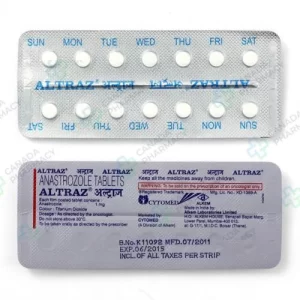
Arimidex
Price range: $ 194,00 through $ 441,00
Active substance: Anastrozole
More Details
This product has multiple variants. The options may be chosen on the product page

Casodex
Price range: $ 50,00 through $ 1 440,00
Active substance: bicalutamide
More Details
This product has multiple variants. The options may be chosen on the product page
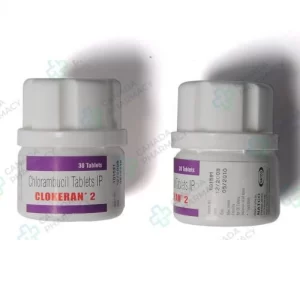
Leukeran
Price range: $ 60,00 through $ 1 224,00
Active substance: Chlorambucil
More Details
This product has multiple variants. The options may be chosen on the product page

Methotrexate
Price range: $ 36,00 through $ 694,00
Active substance: methotrexate
More Details
This product has multiple variants. The options may be chosen on the product page
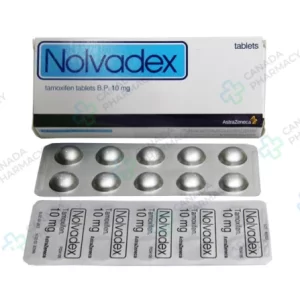
Nolvadex
Price range: $ 51,00 through $ 199,00
Active substance: Tamoxifen
More Details
This product has multiple variants. The options may be chosen on the product page

Premarin
Price range: $ 379,00 through $ 705,00
Active substance: Conjugated Estrogens
More Details
This product has multiple variants. The options may be chosen on the product page

Purinethol
Price range: $ 107,00 through $ 349,00
Active substance: Mercaptopurine
More Details
This product has multiple variants. The options may be chosen on the product page

Zofran
Price range: $ 44,00 through $ 258,00
Active substance: Ondansetron
More Details
This product has multiple variants. The options may be chosen on the product page