

-35%
Metformin
Price range: $ 33,00 through $ 190,00
Metoclopramide
Price range: $ 51,00 through $ 202,00
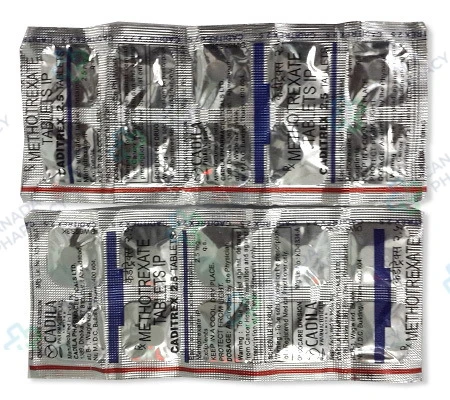
Methotrexate
Price range: $ 36,00 through $ 694,00
Methotrexate is a versatile medication primarily used to manage various autoimmune conditions and specific types of cancer. It is widely recognized for its effectiveness in treating severe rheumatoid arthritis by reducing joint pain and swelling. This medication is also indicated for adult patients with severe, recalcitrant, and disabling psoriasis that does not respond to other therapies. Furthermore, Methotrexate is an established option for managing polyarticular juvenile idiopathic arthritis in children. By slowing down the growth of certain cells and suppressing an overactive immune system, it helps improve the daily quality of life for many patients.
Active substance: methotrexate
Delivery: 5–21 days (depending on the shipping method)
Extra 10% discount with coupon: IT4K6SVM
Each dosage option has its own packaging choices.
Description
Methotrexate should only be used under close medical supervision due to its potent therapeutic actions and risk of serious toxicities. It is a prescription medication prescribed for specific oncology protocols, severe recalcitrant psoriasis, and active rheumatoid arthritis.
Because administration schedules vary substantially depending on the underlying condition, patients must adhere strictly to their prescriber’s directions. In non-oncology conditions such as rheumatoid arthritis or psoriasis, methotrexate is administered as a weekly dose rather than daily.
| Property | Details |
|---|---|
| Active ingredient | Methotrexate |
| Therapeutic class | Folate analog antimetabolite / Antineoplastic / Disease-modifying antirheumatic drug (DMARD) |
| Dosage form | Oral tablets, oral solution, subcutaneous injection, intramuscular injection |
| Route of administration | Oral, subcutaneous, intramuscular, intrathecal (specific formulations) |
| Prescription status | Prescription (Rx) only |
| Primary purpose | Treatment of neoplastic diseases, severe psoriasis, and rheumatoid arthritis |
How the drug works
Methotrexate is a competitive inhibitor of the enzyme dihydrofolate reductase (DHFR). By binding to DHFR, methotrexate prevents the conversion of dihydrofolate to active tetrahydrofolate. Tetrahydrofolates are essential cofactors for the de novo synthesis of purine nucleotides and thymidylate, which are necessary for DNA synthesis, repair, and cellular replication. Tissues with rapidly proliferating cells–such as malignant cells, bone marrow, fetal cells, and mucosal lining–are particularly sensitive to this inhibition.
In non-neoplastic inflammatory conditions like rheumatoid arthritis and psoriasis, the exact therapeutic mechanism is multifactorial. Beyond folate pathway inhibition, methotrexate increases extracellular concentrations of adenosine, a potent anti-inflammatory mediator. This leads to reduced T-cell activation, suppressed cytokine production, and diminished inflammatory response in synovial and cutaneous tissue.
Main uses
Methotrexate is approved by the U.S. Food and Drug Administration (FDA) for several distinct clinical indications across oncology, rheumatology, and dermatology:
- Rheumatologic conditions: Management of severe, active rheumatoid arthritis in adults and polyarticular juvenile idiopathic arthritis in pediatric patients who have had an inadequate response to initial therapy.
- Dermatologic conditions: Control of severe, recalcitrant, disabling psoriasis in adults who do not respond adequately to other forms of therapy.
- Oncology indications: Treatment of gestational trophoblastic disease (choriocarcinoma, hydatidiform mole), acute lymphocytic leukemia (ALL), meningeal leukemia, breast cancer, head and neck epidermoid carcinoma, non-Hodgkin lymphoma, and advanced mycosis fungoides.
In clinical practice, physicians may also prescribe methotrexate for non-FDA-approved indications (off-label uses). Common off-label applications include the management of Crohn’s disease, systemic vasculitis, myositis, systemic lupus erythematosus, and non-surgical management of early unruptured ectopic pregnancy. Off-label use must always be evaluated individually by a licensed clinician.
Dosing schedule and administration
Dosing regimens for methotrexate depend entirely on the medical condition being treated, patient weight, kidney function, and concomitant therapies. The most critical aspect of administration in non-oncology indications is frequency:
- Weekly dosing warning: For rheumatoid arthritis and psoriasis, methotrexate is prescribed as a single weekly dose (or divided into two or three doses taken over a 24-hour period once per week). Mistakenly taking methotrexate daily for rheumatoid arthritis or psoriasis can lead to life-threatening bone marrow suppression and gastrointestinal toxicity.
- Oncology dosing: Cancer treatment protocols vary widely, ranging from low-dose weekly regimens to high-dose intravenous infusions requiring specialized inpatient monitoring and leucovorin (folinic acid) rescue.
Healthcare providers frequently co-prescribe daily folic acid supplements (except on the day of methotrexate administration) to reduce gastrointestinal and mucosal side effects in patients treated for arthritis or psoriasis.
How it is absorbed and eliminated
Following oral administration, methotrexate is absorbed through the gastrointestinal tract. At lower therapeutic doses (such as those used for rheumatoid arthritis), oral bioavailability is relatively high, but absorption becomes saturable and variable at higher doses. Peak serum concentrations are typically achieved within 1 to 2 hours post-ingestion.
Approximately 50% of circulating methotrexate is bound to plasma proteins, predominantly albumin. The drug distributes into body tissues, with higher concentrations detected in the liver, kidneys, and spleen. The terminal elimination half-life for low-dose regimens typically ranges between 3 and 10 hours. Renal excretion is the primary route of elimination; methotrexate undergoes glomerular filtration and active tubular secretion. A small fraction is excreted via the biliary route into feces.
Compatibility with other medicines
Methotrexate has a narrow therapeutic index and interacts with numerous prescription and over-the-counter medications. Concomitant drug use can alter methotrexate binding, clearance, or toxicity profiles:
- Nonsteroidal Anti-inflammatory Drugs (NSAIDs) and Aspirin: NSAIDs may reduce the renal clearance of methotrexate, raising blood levels and escalating the risk of severe hematologic and gastrointestinal toxicities. Close clinical monitoring is required when used together.
- Proton Pump Inhibitors (PPIs): Drugs such as omeprazole or pantoprazole can decrease methotrexate elimination, leading to elevated plasma concentration.
- Antibiotics: Sulfamethoxazole/trimethoprim (Bactrim) increases antifolate effects and bone marrow suppression. Penicillins and ciprofloxacin can decrease renal tubular secretion of methotrexate.
- Probenecid: Reduces renal clearance of methotrexate, leading to potential toxicity.
Adverse reactions
Adverse reactions to methotrexate can range from mild, manageable symptoms to severe, life-threatening organ toxicities. The incidence and severity are generally dose- and frequency-dependent.
Commonly reported side effects include:
- Nausea, loss of appetite, and abdominal distress
- Ulcerative stomatitis (mouth sores) and mucositis
- Mild elevations in liver transaminase enzymes
- Headache, dizziness, and fatigue
- Alopecia (hair thinning)
Severe adverse reactions requiring immediate intervention include marked myelosuppression (leukopenia, anemia, thrombocytopenia), hepatotoxicity leading to liver fibrosis or cirrhosis, acute interstitial pneumonitis, renal toxicity, severe cutaneous reactions (such as toxic epidermal necrolysis), and opportunistic systemic infections.
Food and alcohol interactions
Alcohol consumption must be strictly minimized or avoided entirely during methotrexate therapy. Both alcohol and methotrexate are metabolized by the liver; concurrent alcohol consumption significantly increases the risk of hepatotoxicity, elevated liver enzymes, and long-term liver scarring.
Food does not significantly alter the total extent of absorption for low-dose oral methotrexate, though taking tablets with meals may help reduce initial mild gastrointestinal discomfort or nausea.
Important precautions
Methotrexate carries significant warnings regarding systemic organ toxicities. Prescribers monitor patients closely throughout therapy using routine laboratory assessments, including complete blood count (CBC) with differential, liver function tests, serum creatinine, and baseline chest X-rays.
Key safety warnings include:
- Bone marrow suppression: Methotrexate can cause severe suppression of blood cell production. Sudden drops in white blood cells, red blood cells, or platelets require dosage adjustment or discontinuation.
- Hepatotoxicity: Prolonged use can result in acute hepatitis, hepatic fibrosis, or cirrhosis. Baseline and periodic liver function assessments are mandatory.
- Pulmonary toxicity: Methotrexate-induced lung lesions or pneumonitis can occur at any time during therapy and may not be fully reversible. Symptoms like dry cough or fever warrant immediate diagnostic evaluation.
- Infection risk: As an immunosuppressive agent, methotrexate impairs immune response, increasing susceptibility to severe viral, bacterial, or fungal infections.
Special populations
Certain patient groups require tailored precautions or complete avoidance of methotrexate therapy:
- Pregnancy: Methotrexate is strictly contraindicated in pregnant women for non-neoplastic diseases. It causes embryofetal toxicity, major congenital malformations, and fetal death. Effective contraception must be maintained during treatment and for a specified period after discontinuation (at least one full ovulatory cycle for females and 3 to 6 months for males).
- Nursing mothers: Methotrexate is excreted in human milk and can cause serious adverse reactions in nursing infants. Breastfeeding is contraindicated during therapy.
- Geriatric patients: Elderly individuals often exhibit decreased renal and hepatic function along with reduced folate reserves, escalating the risk of toxicity. Lower initial doses and frequent monitoring are recommended.
- Patients with renal impairment: Decreased kidney function slows methotrexate clearance. Dosage reduction or drug avoidance is necessary based on creatinine clearance levels.
If you skip a dose
If a weekly dose of methotrexate is missed, the patient should contact their healthcare provider or pharmacist for guidance rather than taking double doses. If realized within 1 to 2 days of the scheduled time, the missed dose is often taken immediately, and the regular weekly schedule resumes. If several days have elapsed, the prescriber may advise adjusting the weekly schedule. Never take extra medication to compensate for a missed dose.
Practical tips for daily use
Managing weekly methotrexate therapy requires consistency and careful organization:
- Choose a specific day of the week (e.g., “Methotrexate Monday”) and note it on a calendar or set a smartphone reminder to prevent accidental daily dosing.
- Store oral tablets at controlled room temperature, away from excessive moisture and heat, and strictly out of reach of children.
- If co-prescribed folic acid, follow your doctor’s schedule regarding which days to take the vitamin relative to your methotrexate dose.
- Maintain adequate daily fluid intake to support renal function and facilitate drug excretion.
Frequently asked questions
Why is methotrexate taken only once a week for rheumatoid arthritis?
For inflammatory diseases like rheumatoid arthritis and psoriasis, low-dose weekly administration provides sustained therapeutic anti-inflammatory action while allowing normal tissue cells to recover between doses. Taking methotrexate daily for these conditions causes severe toxicity, particularly bone marrow failure and severe mucosal inflammation.
Why do doctors co-prescribe folic acid with methotrexate?
Methotrexate interferes with cellular folate processing, which can lead to mucosal sores, nausea, and liver enzyme elevations. Supplementing with daily folic acid (on days when methotrexate is not taken, according to your doctor’s protocol) helps mitigate these common side effects without diminishing the therapeutic efficacy of low-dose methotrexate in arthritis.
What routine tests are necessary while taking this medication?
Patients on methotrexate require periodic blood testing. Prescribers monitor complete blood counts to evaluate bone marrow function, serum transaminases and bilirubin for liver health, and serum creatinine or blood urea nitrogen (BUN) to check kidney function. Testing is typically performed prior to starting therapy, frequently during initiation, and at steady intervals during maintenance therapy.
What symptoms require immediate medical attention?
Patients should contact emergency services or their doctor immediately if they develop signs of severe infection (high fever, persistent sore throat), unexplained bleeding or bruising, severe shortness of breath or persistent dry cough, yellowing of the skin or eyes (jaundice), or severe skin rashes with peeling or blistering.
In accordance with FDA requirements. This content is informational and does not replace a consultation with your doctor or pharmacist.
Additional information
| Dosage |
2.5mg ,5mg ,7.5 mg ,10mg |
|---|---|
| Package |
30 pills ,60 pills ,90 pills ,120 pills ,180 pills ,270 pills ,360 pills |
| Ενεργός Ουσία |
Related products
Cytoxan
Price range: $ 51,00 through $ 420,00
Active substance: Cyclophosphamide
More Details
This product has multiple variants. The options may be chosen on the product page
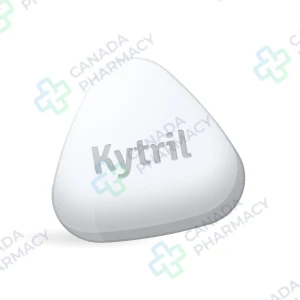
Kytril
Price range: $ 76,00 through $ 491,00
Active substance: Granisetron
More Details
This product has multiple variants. The options may be chosen on the product page
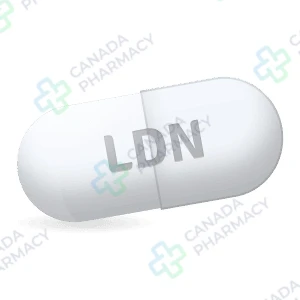
LDN
Price range: $ 81,00 through $ 266,00
Active substance: Naltrexone
More Details
This product has multiple variants. The options may be chosen on the product page
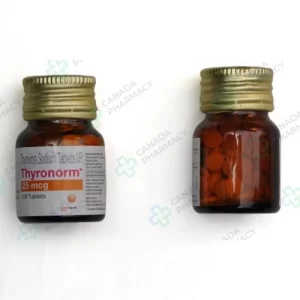
Synthroid
Price range: $ 43,00 through $ 170,00
Active substance: Levothyroxine
More Details
This product has multiple variants. The options may be chosen on the product page
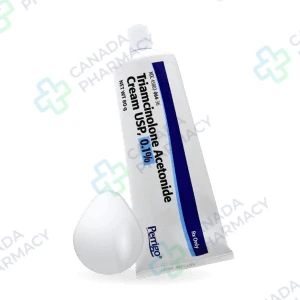
Triamcinolone
Price range: $ 45,00 through $ 289,00
Active substance: Triamcinolone
More Details
This product has multiple variants. The options may be chosen on the product page
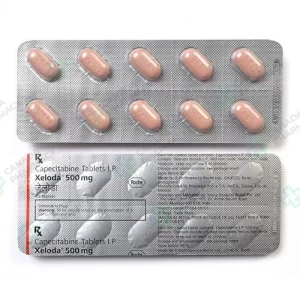
Xeloda
Price range: $ 494,00 through $ 788,00
Active substance: Capecitabine
More Details
This product has multiple variants. The options may be chosen on the product page
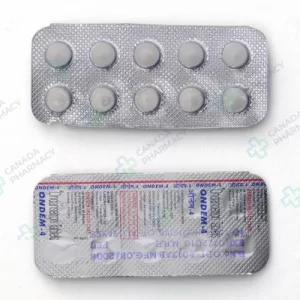
Zofran
Price range: $ 44,00 through $ 258,00
Active substance: Ondansetron
More Details
This product has multiple variants. The options may be chosen on the product page
Zyloprim
Price range: $ 43,00 through $ 144,00
Active substance: allopurinol
More Details
This product has multiple variants. The options may be chosen on the product page