

-34%
Methotrexate
Price range: $ 36,00 through $ 694,00
Micardis
Price range: $ 52,00 through $ 548,00
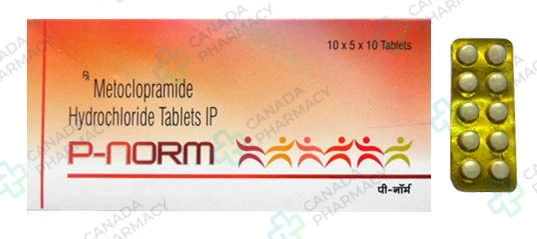
Metoclopramide
Price range: $ 51,00 through $ 202,00
Metoclopramide is a prokinetic medication used to treat various conditions affecting the stomach and intestines. It effectively manages symptoms of gastroesophageal reflux disease, such as persistent heartburn, by helping the stomach empty more quickly. This medication is also utilized to treat diabetic gastroparesis, a condition where the stomach takes too long to empty its contents. By stimulating the muscles of the upper digestive tract, it helps relieve nausea, vomiting, and feelings of excessive fullness after meals. This treatment is designed to restore natural movement through the digestive system and improve overall gastrointestinal comfort.
Active substance: metoclopramide
Delivery: 5–21 days (depending on the shipping method)
Extra 10% discount with coupon: IT4K6SVM
Each dosage option has its own packaging choices.
Description
Metoclopramide: Information for Patients and Caregivers
Metoclopramide belongs to a group of medicines called dopamine receptor antagonists and prokinetic agents. It works by accelerating gastric emptying and promoting upper digestive tract motility while acting on central receptors to control nausea.
In the United States, metoclopramide is available strictly as a prescription medication (Rx) in accordance with federal regulations. It is prescribed under medical supervision for short-term management of specific gastrointestinal disorders like diabetic gastroparesis and gastroesophageal reflux disease when standard treatments fail.
Basic Information
| Parameter | Details |
|---|---|
| Active ingredient | Metoclopramide hydrochloride |
| Therapeutic class | Prokinetic agent / Dopamine D2 antagonist |
| Dosage forms | Oral tablet, oral solution, orally disintegrating tablet, injection |
| Route of administration | Oral, Intravenous, Intramuscular |
| Primary purpose | Short-term management of delayed gastric emptying and severe GERD |
| Prescription status | Prescription only (Rx) |
How the Drug Works
Metoclopramide exerts its pharmacological effects through a dual mechanism of action. Central to its activity is the blockade of dopamine D2 receptors in the chemoreceptor trigger zone of the central nervous system, which helps suppress nausea and vomiting. In the gastrointestinal tract, dopamine receptor inhibition combined with enhanced acetylcholine release sensitizes smooth muscle tissues in the upper digestive system.
This action increases lower esophageal sphincter pressure, enhances gastric antral contractions, and relaxes the duodenal bulb and pyloric sphincter. Consequently, metoclopramide accelerates gastric emptying and shortens intestinal transit time without stimulating gastric, pancreatic, or biliary secretions.
Main Uses
The United States Food and Drug Administration (FDA) has approved metoclopramide for specific clinical indications involving gastrointestinal motility disorders:
- Symptomatic Diabetic Gastroparesis: Relieves symptoms such as severe nausea, vomiting, lingering fullness, and loss of appetite caused by delayed stomach emptying in diabetic patients.
- Gastroesophageal Reflux Disease (GERD): Used as short-term therapy (4 to 12 weeks) in adult patients with documented, symptomatic GERD who fail to respond to conventional medical therapies.
- Prevention of Nausea and Vomiting: Used in clinical settings to prevent chemotherapy-induced emesis or postoperative nausea.
Off-label use note: Prescribers may occasionally consider metoclopramide off-label for intractable nausea of pregnancy or to stimulate lactation. However, such off-label uses carry significant potential risks, particularly regarding neurological adverse effects, and must be strictly evaluated by a licensed prescriber.
Dosing Schedule
Warning: Never adjust your dose or extend treatment duration without explicit instructions from your physician. Treatment duration should not exceed 12 weeks due to cumulative toxicity risks.
Dosage must be individualized based on the underlying condition, clinical response, and kidney function. For adult GERD, oral dosages typically range from 10 mg to 15 mg taken up to four times daily, 30 minutes before meals and at bedtime. For diabetic gastroparesis, 10 mg is usually administered 30 minutes before each meal and at bedtime for 2 to 8 weeks depending on response.
Patients with reduced kidney function (creatinine clearance below 40 mL/min) require a reduced dosage, often initiating treatment at 50% of the standard daily dose to avoid toxic drug accumulation.
How It’s Absorbed and Eliminated
Metoclopramide is rapidly and almost completely absorbed from the gastrointestinal tract following oral administration. Peak plasma concentrations are typically reached within 1 to 2 hours. However, due to significant first-pass hepatic metabolism, absolute oral bioavailability is approximately 80%.
The drug distributes widely into body tissues, crossing both the blood-brain barrier and the placenta. Plasma protein binding is relatively low (approximately 30%). In individuals with normal renal function, the elimination half-life ranges between 5 and 6 hours. Approximately 85% of an orally administered dose is eliminated in the urine as parent drug or conjugated metabolites over a 72-hour period.
Adverse Reactions
Warning: Boxed Warning for Tardive Dyskinesia. Metoclopramide can cause tardive dyskinesia, a serious and potentially irreversible movement disorder characterized by involuntary movements of the tongue, face, mouth, or extremities. The risk increases with total cumulative dose and duration of treatment. Avoid treatment exceeding 12 weeks unless potential benefits outweigh severe neurological risks.
Common adverse effects include central nervous system disturbances such as drowsiness, restlessness, fatigue, insomnia, headache, and dizziness. Gastrointestinal disturbances like diarrhea or nausea may also occur.
Extrapyramidal symptoms (EPS), including acute dystonic reactions (uncontrolled muscle spasms of the neck, face, or eyes) and akathisia (an intense urge to move continuously), can occur, especially in younger patients or at higher dosages. Rarely, metoclopramide can trigger Neuroleptic Malignant Syndrome (NMS), a life-threatening medical emergency.
Important Precautions
Warning: Metoclopramide is strictly contraindicated in conditions where increased gastrointestinal motility could be dangerous. Never take metoclopramide if you have:
- Gastrointestinal hemorrhage, mechanical obstruction, or bowel perforation.
- Pheochromocytoma (a catecholamine-releasing tumor), due to the risk of severe hypertensive crisis.
- A history of seizure disorders or epilepsy, as metoclopramide may increase seizure frequency.
- Known hypersensitivity or intolerance to metoclopramide or any formulation ingredients.
- Concurrent use of other medications that cause extrapyramidal reactions.
Exercise severe caution in patients with a history of clinical depression, as metoclopramide can worsen depressive symptoms or provoke suicidal ideation. Discontinue treatment immediately if mental changes occur.
What Not to Combine
Combining metoclopramide with other pharmacologic agents requires careful physician oversight, as interactions can alter safety profiles or diminish clinical efficacy:
- CNS Depressants and Alcohol: Concomitant use with sedatives, tranquilizers, opioids, or alcohol markedly intensifies central nervous system depression and somnolence.
- Anticholinergic Drugs and Narcotic Analgesics: Medicines like atropine or benztropine directly antagonize the gastrointestinal prokinetic effects of metoclopramide.
- Dopamine Agonists: Metoclopramide antagonizes the therapeutic effects of anti-Parkinsonian dopamine agonists (e.g., levodopa, pramipexole).
- Altered Drug Absorption: By accelerating gastric emptying, metoclopramide speeds up the rate of absorption of drugs like acetaminophen, tetracycline, and ethanol, while decreasing the absorption of digoxin and cimetidine.
Food and Alcohol Interactions
Never consume alcoholic beverages while taking metoclopramide. Alcohol exacerbates the sedative effects on the central nervous system, leading to severe drowsiness, impaired coordination, and heightened risk of accidents.
To optimize therapeutic benefits, oral forms of metoclopramide should be taken approximately 30 minutes before meals. Taking the drug prior to eating allows the active ingredient to enhance upper digestive motility at the time food enters the stomach.
Special Populations
Elderly patients: Older adults face a significantly elevated risk of developing tardive dyskinesia and extrapyramidal side effects. Dosage selection should be cautious, starting at the lowest end of the dosing range, with continuous monitoring for movement abnormalities.
Pediatric patients: Metoclopramide is generally not recommended for pediatric use due to a high incidence of extrapyramidal reactions and acute dystonia in younger age groups.
Pregnancy and Breastfeeding: Metoclopramide crosses the placenta and is excreted in human breast milk. It should be prescribed during pregnancy or lactation only when clear clinical necessity is established by a doctor.
Red Flags
You must remain vigilant for severe, unexpected adverse events during treatment. Seek immediate medical attention or emergency care if any critical reactions listed below occur.
| Symptom Category | Emergency Red Flag Symptoms |
|---|---|
| Tardive Dyskinesia | Involuntary lip smacking, tongue protrusion, puckering mouth, or uncontrolled limb movements. |
| Acute Dystonia | Severe muscle spasms in the neck, jaw, or throat; difficulty swallowing or speaking; eye rolling. |
| Neuroleptic Malignant Syndrome | High fever, extreme muscle rigidity, profuse sweating, confusion, irregular blood pressure or pulse. |
| Severe Hypersensitivity | Swelling of the face, lips, tongue, or throat; severe skin rash; difficulty breathing or wheezing. |
| Mental Status Changes | Severe agitation, severe restless limbs (akathisia), sudden severe depression, or suicidal thoughts. |
Storage and Expiration
Store metoclopramide tablets and oral solutions at controlled room temperature between 20°C and 25°C (68°F to 77°F). Brief exposure to temperatures between 15°C and 30°C (59°F to 86°F) is permitted. Keep the medicine in its original container, tightly closed, and protected from light and excessive moisture.
Do not store this medication in humid environments like bathrooms. Keep out of reach of children and pets. Never use metoclopramide past the expiration date stated on the packaging.
Common Questions
What happens if I miss a dose of metoclopramide?
If you miss a dose, take it as soon as you remember, provided it is still about 30 minutes before your next meal. However, if it is almost time for your next scheduled dose, skip the missed dose and resume your regular dosing schedule. Never take a double dose or extra medicine to make up for a missed tablet.
Why is metoclopramide treatment restricted to 12 weeks or less?
The duration limit is enforced due to the risk of tardive dyskinesia–a severe, potentially permanent neurological disorder. Clinical studies show that the probability of developing movement disorders increases substantially with prolonged therapy and higher total cumulative doses.
Is it safe to drive or operate machinery while taking metoclopramide?
Metoclopramide frequently causes drowsiness, dizziness, fatigue, and impaired psychomotor performance. Never drive, operate heavy machinery, or perform hazardous tasks until you are completely sure how metoclopramide affects your alertness and reaction times.
What should I do if I notice unusual muscle twitching or facial movements?
Discontinue the medication immediately and contact your healthcare provider right away. Involuntary facial movements, tongue movements, or limb twitching may be early signs of extrapyramidal reactions or tardive dyskinesia, which require immediate medical evaluation.
Can I take metoclopramide alongside over-the-counter pain relievers?
While metoclopramide does not directly interact with standard pain relievers like acetaminophen, it accelerates stomach emptying, causing acetaminophen to be absorbed more rapidly into the bloodstream. Always inform your doctor or pharmacist about all over-the-counter products you plan to take.
In accordance with FDA requirements.
This material is educational. Only a licensed prescriber can determine whether a medication is appropriate for you.
Additional information
| Dosage |
10mg |
|---|---|
| Package |
60 pills ,90 pills ,120 pills ,180 pills ,270 pills ,360 pills |
| Ενεργός Ουσία |
Related products
Aciphex
Price range: $ 45,00 through $ 274,00
Active substance: Rabeprazole
More Details
This product has multiple variants. The options may be chosen on the product page
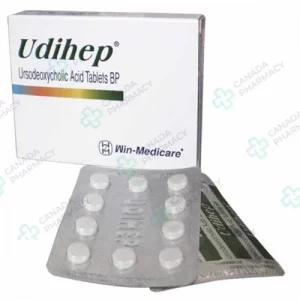
Actigall
Price range: $ 60,00 through $ 521,00
Active substance: Ursodiol
More Details
This product has multiple variants. The options may be chosen on the product page
Deltasone
Price range: $ 47,00 through $ 296,00
Active substance: Prednisone
More Details
This product has multiple variants. The options may be chosen on the product page
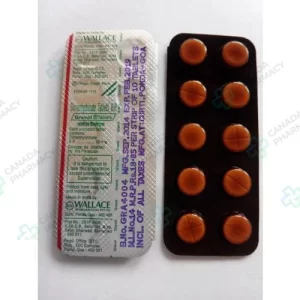
Dramamine
Price range: $ 10,00 through $ 207,00
Active substance: dimenhydrinate
More Details
This product has multiple variants. The options may be chosen on the product page
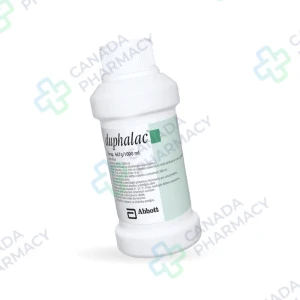
Duphalac
Price range: $ 48,00 through $ 300,00
Active substance: Lactulose
More Details
This product has multiple variants. The options may be chosen on the product page

Gasex
Price range: $ 40,00 through $ 241,00
Active substance: Gasex
More Details
This product has multiple variants. The options may be chosen on the product page
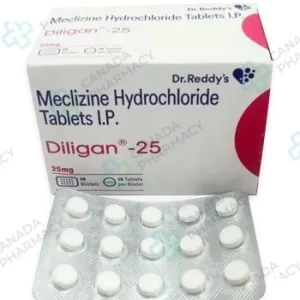
Meclizine
Price range: $ 47,00 through $ 143,00
Active substance: Meclizine
More Details
This product has multiple variants. The options may be chosen on the product page
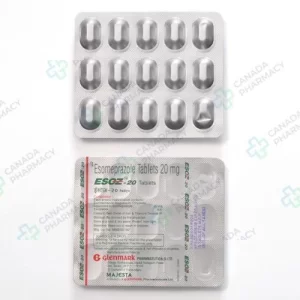
Nexium
Price range: $ 20,00 through $ 178,00
Active substance: esomeprazole
More Details
This product has multiple variants. The options may be chosen on the product page