

-43%
Metoclopramide
Price range: $ 51,00 through $ 202,00
Micardis Plus
Price range: $ 26,00 through $ 57,00
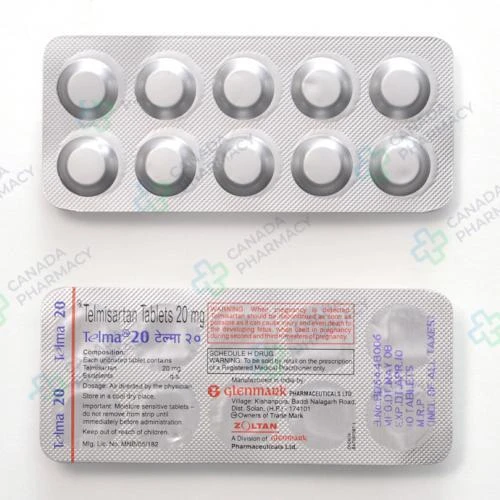
Micardis
Price range: $ 52,00 through $ 548,00
Micardis is a highly effective medication primarily used to treat hypertension by helping the blood vessels relax. By lowering high blood pressure, this treatment significantly reduces the risk of life-threatening conditions such as strokes and heart attacks. The active ingredient, telmisartan, works as an angiotensin II receptor blocker to improve overall blood flow and cardiac efficiency. In addition to managing blood pressure, it is utilized to decrease cardiovascular risk in patients who are susceptible to heart-related complications. This reliable therapeutic option provides long-term support for maintaining a healthy cardiovascular system and improving patient outcomes.
Active substance: Telmisartan
Delivery: 5–21 days (depending on the shipping method)
Extra 10% discount with coupon: IT4K6SVM
Each dosage option has its own packaging choices.
Description
Micardis belongs to a class of cardiovascular medications known as angiotensin II receptor blockers (ARBs). It is a prescription-only pharmaceutical product approved in the United States by the FDA primarily for the treatment of hypertension and for reducing cardiovascular risk in specific adult patient populations.
The active moiety in Micardis is telmisartan, an agent engineered to selectively inhibit the binding of angiotensin II to its specific vascular receptors. As an oral antihypertensive therapy, it helps regulate systemic arterial blood pressure over a continuous 24-hour interval following single daily administration.
Clinical Profile and Pharmacological Action
Main uses
Micardis is indicated for the management of essential hypertension to lower blood pressure. Lowering blood pressure reduces the risk of fatal and nonfatal cardiovascular events, primarily strokes and myocardial infarctions. Additionally, Micardis is indicated for cardiovascular risk reduction in patients aged 55 years or older who are unable to tolerate angiotensin-converting enzyme (ACE) inhibitors and are at high risk of developing major cardiovascular events, such as coronary artery disease, peripheral arterial disease, stroke, or diabetes with end-organ damage. Any clinical application outside these FDA-approved indications represents off-label use and requires direct medical authorization.
How the drug works
Micardis blocks the vasoconstrictor and aldosterone-secreting effects of angiotensin II by selectively preventing angiotensin II from binding to the AT1 receptor subtype in many tissues, including vascular smooth muscle and the adrenal gland. Its in vitro binding affinity for the AT1 receptor is substantially higher than for the AT2 receptor subtype. Because Micardis does not inhibit ACE (kininase II), it does not prevent the breakdown of bradykinin. Consequently, treatment with Micardis is less frequently associated with the persistent dry cough characteristic of ACE inhibitor therapy.
How it’s absorbed and eliminated
Following oral administration, peak plasma concentrations of telmisartan are attained within 0.5 to 1 hour. The absolute bioavailability of telmisartan is dose-dependent, ranging from approximately 42% to 58%. Telmisartan exhibits high lipophilicity and is overwhelmingly bound to plasma proteins, exceeding 99.5%, predominantly binding to albumin and alpha-1 acid glycoprotein. The terminal elimination half-life of Micardis is approximately 24 hours, allowing for once-daily dosing. The primary pathway of elimination is biliary excretion into the feces, with more than 97% of the administered dose excreted unchanged or as an inactive glucuronide conjugate via the gastrointestinal tract. Renal excretion accounts for less than 1% of total clearance.
Dosing schedule
Dosing of Micardis must be individualized based on patient response and clinical objective. For hypertension, the usual starting dose is 40 mg administered orally once daily. Blood pressure response is dose-related over the range of 20 mg to 80 mg daily. Most of the antihypertensive effect is evident within two weeks, with maximal reduction generally attained after four weeks of continuous therapy. For cardiovascular risk reduction, the recommended target dose is 80 mg once daily. Tablets should be taken whole with fluid and may be administered with or without food. Patients with severe hepatic impairment or biliary obstructive disorders require careful supervision due to the drug’s biliary clearance pathway.
Safety Information and Patient Guidance
Adverse reactions
The overall incidence of adverse events reported with Micardis is comparable to placebo in controlled clinical trials. Commonly observed adverse reactions include upper respiratory tract infections, back pain, sinus pain, and diarrhea. Hypotension may occur, particularly in volume- or salt-depleted individuals receiving concurrent diuretic therapy. Laboratory evaluation may occasionally reveal mild decreases in hemoglobin or hematocrit. Increases in serum potassium levels (hyperkalemia) have also been documented, particularly in patients with baseline renal impairment or diabetes mellitus.
Compatibility with other medicines
Concomitant administration of Micardis with digoxin may lead to increases in peak and trough plasma concentrations of digoxin; monitoring of serum digoxin levels is recommended upon initiating, adjusting, or discontinuing Micardis. Co-administration with potassium-sparing diuretics, potassium supplements, or salt substitutes containing potassium elevates the risk of hyperkalemia. Concurrent use of nonsteroidal anti-inflammatory drugs (NSAIDs), including selective COX-2 inhibitors, in elderly or volume-depleted patients may lead to deterioration of renal function, including possible acute renal failure, and can reduce the antihypertensive effect of Micardis. Dual blockade of the renin-angiotensin-aldosterone system with ACE inhibitors or aliskiren increases the risk of hypotension, hyperkalemia, and renal functional changes.
Important precautions
Micardis carries an FDA Boxed Warning regarding fetal toxicity. Drugs that act directly on the renin-angiotensin system can cause injury and death to the developing fetus when administered during the second and third trimesters of pregnancy. When pregnancy is detected, Micardis should be discontinued as soon as possible. In patients whose renal function depends on the activity of the renin-angiotensin-aldosterone system (e.g., individuals with severe congestive heart failure or bilateral renal artery stenosis), treatment with ARBs has been associated with acute oliguria, progressive azotemia, and rarely, acute renal failure. Periodic monitoring of serum creatinine and serum potassium levels is advisable.
Red flags
Patients taking Micardis should seek immediate emergency medical care if they experience severe hypersensitivity reactions or signs of angioedema, including swelling of the face, lips, tongue, or throat, or difficulty breathing. Immediate medical evaluation is also warranted if severe dizziness, fainting (syncope), rapid weight gain, marked reduction in urine output, or symptoms of high serum potassium (such as extreme muscle weakness or slow, irregular heart rhythms) occur.
What to avoid while taking it
Patients should refrain from using potassium supplements or salt substitutes containing potassium without prior consultation with their healthcare provider. Alcohol consumption should be minimized or discussed with a physician, as alcohol can intensify the hypotensive effects of Micardis, increasing the risk of dizziness or lightheadedness upon standing.
If you skip a dose
If a dose of Micardis is missed, it should be taken as soon as remembered on the same day. However, if it is nearly time for the next scheduled dose, the missed dose should be skipped, and the regular dosing schedule resumed. Patients must not double the dose to make up for a missed tablet.
Day-to-day use
Micardis tablets are hygroscopic and sensitive to moisture. Therefore, tablets should remain sealed inside their blister packaging until immediately prior to administration. Blood pressure should be monitored regularly as advised by a healthcare provider to assess therapeutic efficacy.
| Parameter | Details |
|---|---|
| Drug Name | Micardis |
| Active Ingredient | Telmisartan |
| Therapeutic Class | Angiotensin II Receptor Blocker (ARB) |
| Dosage Form | Oral Tablet (20 mg, 40 mg, 80 mg) |
| Prescription Status | Rx (Prescription required) |
| Elimination Half-Life | Approximately 24 hours |
| Primary Elimination Route | Biliary / Feces (>97%) |
Common questions
What should I do if I become pregnant while taking Micardis?
If pregnancy is suspected or confirmed, stop taking Micardis immediately and contact your prescribing physician. Use of ARBs during the second and third trimesters poses serious risks of fetal injury, kidney failure, and fetal death. Your doctor will transition you to an alternative blood pressure therapy safe for pregnancy.
Does Micardis cause a persistent dry cough?
A dry, persistent cough is substantially less common with Micardis than with ACE inhibitors. Because telmisartan selectively blocks the AT1 receptor without inhibiting ACE, it does not lead to the accumulation of bradykinin, which is the primary cause of cough associated with ACE inhibitor medications.
How long does it take for Micardis to lower blood pressure fully?
Initial reductions in blood pressure are usually observed within two weeks of initiating therapy. However, the maximum blood pressure-lowering effect of a given dose is typically achieved after four weeks of consistent daily administration.
Is it safe to drive after starting Micardis?
Micardis can cause dizziness or lightheadedness, particularly during the first few days of treatment or when doses are increased. Patients should evaluate their individual response to the medication before driving or operating machinery.
Can Micardis affect serum potassium levels?
Yes, ARBs like Micardis can cause elevated blood potassium levels (hyperkalemia), particularly in individuals with kidney impaired function, diabetes, or those taking potassium supplements or potassium-sparing diuretics. Routine blood tests may be ordered to monitor potassium concentration.
The information presented here is not a substitute for professional medical advice. In accordance with FDA requirements.
Additional information
| Dosage |
20mg ,40mg |
|---|---|
| Package |
30 pills ,60 pills ,90 pills ,120 pills ,180 pills ,270 pills ,360 pills |
| Ενεργός Ουσία |
Related products
Aceon
Price range: $ 51,00 through $ 491,00
Active substance: erbumine, perindopril
More Details
This product has multiple variants. The options may be chosen on the product page
Aquazide
Price range: $ 18,00 through $ 30,00
Active substance: hydrochlorothiazide
More Details
This product has multiple variants. The options may be chosen on the product page
Bystolic
Price range: $ 38,00 through $ 275,00
Active substance: Nebivolol
More Details
This product has multiple variants. The options may be chosen on the product page
Clonidine
Price range: $ 40,00 through $ 95,00
Active substance: clonidine
More Details
This product has multiple variants. The options may be chosen on the product page
Coreg
Price range: $ 41,00 through $ 651,00
Active substance: Carvedilol
More Details
This product has multiple variants. The options may be chosen on the product page
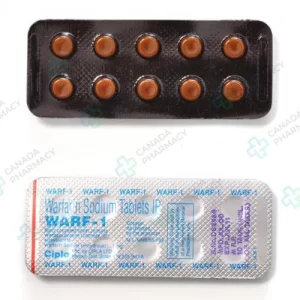
Coumadin
Price range: $ 12,00 through $ 153,00
Active substance: Warfarin
More Details
This product has multiple variants. The options may be chosen on the product page

Dipyridamole
Price range: $ 43,00 through $ 257,00
Active substance: Dipyridamole
More Details
This product has multiple variants. The options may be chosen on the product page

Eliquis
Price range: $ 60,00 through $ 320,00
Active substance: Apixaban
More Details
This product has multiple variants. The options may be chosen on the product page