

-50%
Neurontin
Price range: $ 40,00 through $ 650,00
Nicotex
Price range: $ 18,00 through $ 51,00
Nexium
Price range: $ 20,00 through $ 178,00
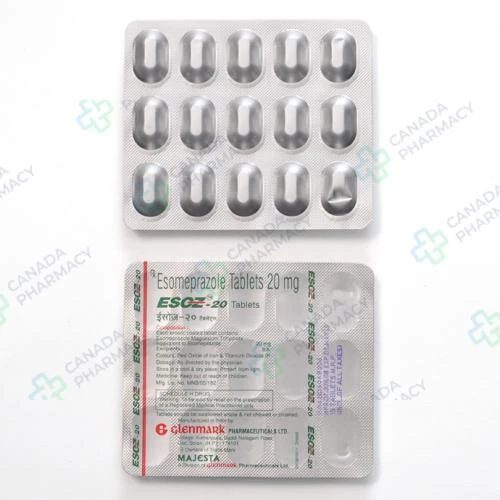
Nexium is a highly effective proton pump inhibitor designed to provide long-lasting relief from frequent heartburn and acid reflux. This medication works by significantly reducing the amount of acid produced in the stomach, allowing the esophagus time to heal from irritation. It is widely used for the treatment of gastroesophageal reflux disease (GERD) and the prevention of gastric ulcers associated with various conditions. By targeting the source of excess acid, Nexium helps to eliminate the painful burning sensation and discomfort often felt after meals. Consistent use provides a reliable solution for maintaining digestive comfort and protecting the overall health of the gastrointestinal tract.
Active substance: esomeprazole
Delivery: 5–21 days (depending on the shipping method)
Extra 10% discount with coupon: IT4K6SVM
Each dosage option has its own packaging choices.
Description
Nexium belongs to a class of medications known as proton pump inhibitors (PPIs), which work by diminishing acid production in the stomach. Formulated with the active ingredient esomeprazole, this drug is available in both prescription (Rx) and over-the-counter (OTC) formulations approved by the U.S. Food and Drug Administration (FDA).
While lower-dose OTC versions are indicated for treating frequent heartburn occurring two or more days a week, higher-dose prescription forms manage clinical conditions such as erosive esophagitis, gastroesophageal reflux disease (GERD), and pathological hypersecretory states. Understanding how to use this medication properly helps optimize therapeutic benefits while reducing the potential for adverse effects.
| Attribute | Details |
|---|---|
| Drug Name | Nexium |
| Active Ingredient | Esomeprazole magnesium / Esomeprazole sodium |
| Therapeutic Class | Proton Pump Inhibitors (PPIs) |
| Dosage Form | Delayed-release capsules, oral suspension, intravenous injection |
| Route of Administration | Oral, Intravenous |
| Prescription Status | Available as both Rx and OTC depending on dosage and clinical indication |
| Primary Purpose | Reduction of gastric acid secretion |
Clinical and Pharmacological Profile
Clinical Properties
Main uses: Nexium is indicated for several distinct acid-related gastrointestinal conditions. In adult and pediatric patients, prescription esomeprazole is indicated for the short-term treatment and maintenance of healing in erosive esophagitis, a condition characterized by acid-mediated damage to the esophageal mucosa. Additionally, it is prescribed for the symptomatic treatment of gastroesophageal reflux disease (GERD), risk reduction of gastric ulcers associated with continuous nonsteroidal anti-inflammatory drug (NSAID) therapy, and pathological hypersecretory conditions, including Zollinger-Ellison syndrome. When combined with specific antibacterial agents, it forms part of a triple-therapy regimen to eradicate Helicobacter pylori infection, reducing the risk of duodenal ulcer recurrence. Over-the-counter formulations are indicated strictly for adults aged 18 and older to treat frequent heartburn occurring 2 or more days per week.
How the drug works: On one hand, traditional antacids simply neutralize existing acid present in the stomach lumen. On the other hand, esomeprazole exerts its effect at the cellular level by targeting the enzymatic mechanism responsible for acid secretion. As the S-isomer of omeprazole, esomeprazole acts as a specific inhibitor of the hydrogen-potassium adenosine triphosphatase (H+/K+ ATPase) enzyme system located at the secretory surface of the gastric parietal cell. By blocking this cellular acid pump, the medication inhibits the final step in gastric acid production. This suppressive mechanism reduces both basal and stimulated gastric acid secretion, regardless of the stimulus. Consequently, the reduced acidity creates an environment conducive to mucosal healing in the esophagus and stomach.
Administration and Metabolism
What happens in the body: After oral administration, esomeprazole delayed-release capsules pass through the acidic stomach intact due to an enteric coating, absorbing rapidly in the small intestine. Peak plasma concentrations are typically achieved within 1.5 to 2 hours following oral ingestion. Systemic bioavailability increases with repeated once-daily administration, reaching approximately 90% at a 40 mg daily dose. The drug is extensively bound to plasma proteins (97%). Esomeprazole is metabolized completely in the liver primarily via the cytochrome P450 enzyme system, specifically CYP2C19 and CYP3A4 isoenzymes. The inactive metabolites are excreted mainly in the urine (80%), with the remainder eliminated in the feces. The plasma elimination half-life ranges from approximately 1 to 1.5 hours, though its acid-inhibitory effect persists much longer due to binding at the parietal cell level.
Dosing schedule: Dosing varies depending on the underlying diagnosis, patient age, renal status, and hepatic health. For the treatment of erosive esophagitis in adults, the typical prescription dosage is 20 mg or 40 mg once daily for 4 to 8 weeks. Maintenance of healing generally requires 20 mg once daily. For H. pylori eradication, a dosage of 40 mg once daily is combined with prescribed antibiotics for 10 days. OTC formulations are taken as a 20 mg dose once daily every morning before eating for a continuous 14-day course. Patients should swallow capsules whole with water; capsules must not be chewed or crushed. For individuals with severe hepatic impairment, the prescription dose should generally not exceed 20 mg per day.
Usage, Safety, and Frequently Asked Questions
Safety Profile and Warnings
Adverse reactions: While many patients tolerate esomeprazole well, adverse reactions can occur. On one hand, mild side effects are relatively common and usually transient. The most frequently reported mild reactions in clinical trials include headache, abdominal pain, diarrhea, nausea, flatulence, constipation, and dry mouth. On the other hand, prolonged or high-dose therapy carries potential risks of more serious adverse events. Extended use of proton pump inhibitors has been associated with an increased risk of Clostridioides difficile-associated diarrhea, microscopic colitis, and bone fractures of the hip, wrist, or spine. Additionally, long-term acid suppression can impair the intestinal absorption of vitamin B12 and magnesium, potentially leading to hypomagnesemia and related neuromuscular or cardiac complications.
Compatibility with other medicines: Esomeprazole can significantly alter the absorption and metabolism of concurrent medications. Because it elevates gastric pH, it decreases the solubility and absorption of drugs dependent on an acidic environment, such as ketoconazole, itraconazole, iron salts, and erlotinib. Conversely, it can increase the absorption of digoxin. Crucially, esomeprazole inhibits CYP2C19, the enzyme responsible for activating the antiplatelet drug clopidogrel; co-administration can reduce clopidogrel’s antiplatelet activity and is generally avoided. Concomitant use with antiretroviral therapies like atazanavir or nelfinavir is contraindicated due to severe reductions in antiretroviral plasma levels. Furthermore, combining esomeprazole with high-dose methotrexate can elevate methotrexate serum concentrations, increasing toxicity risk.
Important precautions: Prescribers and patients must exercise caution under specific clinical scenarios. Symptomatic response to esomeprazole therapy does not preclude the presence of gastric malignancy; appropriate diagnostic evaluation should be conducted if alarm symptoms occur, such as unintentional weight loss, recurrent vomiting, dysphagia, or melena. Cutaneous and systemic lupus erythematosus (CLE and SLE) have been reported in patients taking PPIs, with onset ranging from weeks to years after initiating therapy. Regarding special populations, pregnancy category data requires careful medical risk-benefit assessment; esomeprazole should be used during pregnancy only if clearly needed. Pediatric approval is limited to specific age ranges and indications established in clinical trials. Geriatric patients may be at elevated risk for PPI-associated bone fractures and vitamin B12 deficiency.
If you skip a dose: If a dose of esomeprazole is missed, it should be taken as soon as remembered on that day, provided it is taken before the next scheduled dose. However, if it is almost time for the next scheduled dose, skip the missed dose and resume the regular dosing schedule. Double doses must never be taken to compensate for a missed dose. Maintaining a consistent routine by taking the medication at the same time each morning helps maintain predictable gastric acid control throughout the day.
What to avoid while taking it: For optimal absorption and therapeutic effect, oral esomeprazole should be administered at least one hour before a meal, ideally before breakfast. Food intake prior to dosing can significantly reduce the total extent of esomeprazole absorption. While alcohol does not directly interact pharmacologically with esomeprazole, alcohol consumption is known to irritate the gastric mucosa and relax the lower esophageal sphincter, which can exacerbate reflux symptoms and offset the therapeutic benefits of treatment.
Signs of improvement: Therapeutic efficacy is primarily evaluated by a reduction in clinical symptoms such as heartburn, acid regurgitation, and upper abdominal pain. Symptom relief may begin within 1 to 4 days of starting daily therapy, although complete resolution of acid-related mucosal damage (such as healed erosive esophagitis) typically requires several weeks of continuous treatment as prescribed. If heartburn symptoms persist after 14 days of OTC treatment or worsen during prescription therapy, further clinical evaluation is necessary.
Storage and expiration: Esomeprazole capsules and oral suspensions should be stored at controlled room temperature between 68°F and 77°F (20°C to 25°C), with excursions permitted between 59°F and 86°F (15°C to 30°C). Keep the container tightly closed to protect the medication from moisture and light. Do not store the medicine in humid environments such as bathroom cabinets. Always check the expiration date printed on the packaging and safely discard any medication that is past its expiry date or no longer needed.
Common Questions
Can esomeprazole be taken long-term for acid reflux?
Prescription esomeprazole may be used for extended periods when prescribed and monitored by a healthcare provider for conditions such as erosive esophagitis maintenance or Zollinger-Ellison syndrome. However, over-the-counter formulations are intended strictly for short-term 14-day courses. Long-term unmonitored use increases the risk of side effects like bone fractures, low magnesium levels, and vitamin B12 deficiency.
What should I do if I experience severe diarrhea while taking Nexium?
If you develop severe, watery diarrhea that does not stop, accompanied by stomach cramps or fever, contact your healthcare provider immediately. Proton pump inhibitors can increase the risk of Clostridioides difficile infection, a serious intestinal condition that requires prompt medical evaluation and specific antimicrobial treatment.
Is it safe to stop taking Nexium abruptly after prolonged use?
Stopping esomeprazole suddenly after long-term use can sometimes lead to rebound acid hypersecretion, where the stomach temporarily produces higher levels of acid than before treatment. Patients who have been on long-term therapy should consult their prescribing physician, who may recommend gradually tapering the dose to prevent symptom recurrence.
Does esomeprazole affect blood pressure or routine laboratory tests?
Esomeprazole does not typically alter blood pressure directly, but it can affect certain diagnostic tests. For example, by lowering gastric acidity, it causes elevated serum chromogranin A (CgA) levels, which can lead to false-positive results when testing for neuroendocrine tumors. Providers typically advise discontinuing PPIs temporarily prior to CgA testing.
Can Nexium capsules be opened if I have difficulty swallowing them?
Yes, for patients who cannot swallow intact capsules, prescription Nexium capsules can be carefully opened and the intact pellets inside sprinkled onto one tablespoon of soft applesauce. The applesauce mixture must be swallowed immediately without chewing the pellets, followed by a glass of cool water to ensure all pellets reach the stomach.
This content is informational and does not replace a consultation with your doctor or pharmacist. In accordance with FDA requirements.
Additional information
| Dosage |
20 mg ,40mg |
|---|---|
| Package |
30 pills ,60 pills ,90 pills ,120 pills ,180 pills ,270 pills ,360 pills |
| Ενεργός Ουσία |
Related products
Allopurinol
Price range: $ 17,00 through $ 238,00
Active substance: allopurinol
More Details
This product has multiple variants. The options may be chosen on the product page
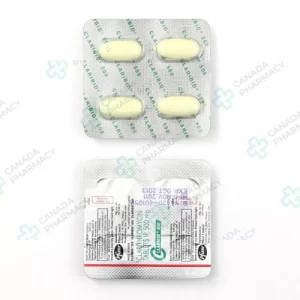
Biaxin
Price range: $ 107,00 through $ 427,00
Active substance: Clarithromycin
More Details
This product has multiple variants. The options may be chosen on the product page
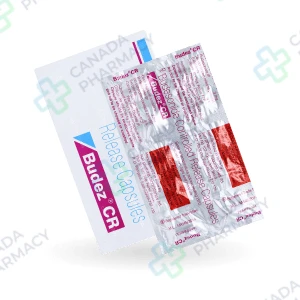
Budez CR
Price range: $ 23,00 through $ 108,00
Active substance: Budesonide
More Details
This product has multiple variants. The options may be chosen on the product page
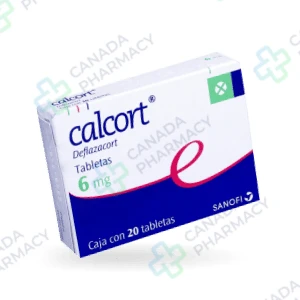
Calcort
Price range: $ 54,00 through $ 430,00
Active substance: Deflazacort
More Details
This product has multiple variants. The options may be chosen on the product page
Deltasone
Price range: $ 47,00 through $ 296,00
Active substance: Prednisone
More Details
This product has multiple variants. The options may be chosen on the product page
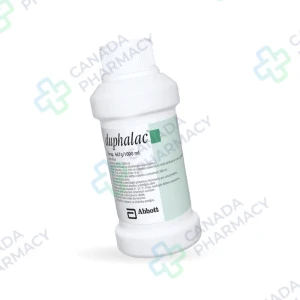
Duphalac
Price range: $ 48,00 through $ 300,00
Active substance: Lactulose
More Details
This product has multiple variants. The options may be chosen on the product page
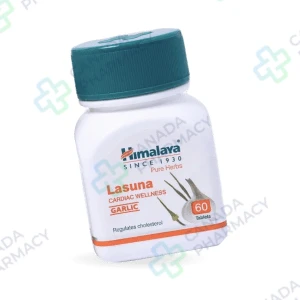
Lasuna
Price range: $ 58,00 through $ 244,00
Active substance: extracts of garlic
More Details
This product has multiple variants. The options may be chosen on the product page
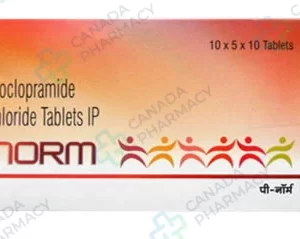
Metoclopramide
Price range: $ 51,00 through $ 202,00
Active substance: metoclopramide
More Details
This product has multiple variants. The options may be chosen on the product page