

-29%
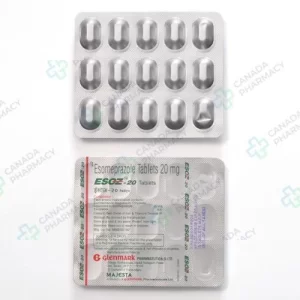
Nexium
Price range: $ 20,00 through $ 178,00
Nicotinell
Price range: $ 10,00 through $ 30,00
Nicotex
Price range: $ 18,00 through $ 51,00
Nicotex is a premium nicotine replacement therapy designed to help you break free from the habit of smoking. Each dose provides a controlled amount of nicotine to effectively reduce cravings and alleviate common withdrawal symptoms. By choosing Nicotex, you can gradually decrease your nicotine intake at a pace that feels comfortable for your daily routine. These convenient products are available in various strengths and flavors to suit your personal preferences throughout the quitting process. Take a significant step toward a healthier, smoke-free lifestyle with the reliable support of Nicotex.
Active substance: nicotine
Delivery: 5–21 days (depending on the shipping method)
Extra 10% discount with coupon: IT4K6SVM
Each dosage option has its own packaging choices.
Description
Nicotex belongs to a class of smoking cessation aids known as nicotine replacement therapy (NRT). It is used to assist individuals in quitting smoking by delivering a temporary, controlled supply of therapeutic nicotine without the harmful tars, carbon monoxide, and toxic combustion products found in tobacco smoke.
Available over-the-counter, this medication helps mitigate physically demanding nicotine withdrawal symptoms, including irritability, intense cravings, anxiety, insomnia, and increased appetite. By substituting cigarette-delivered nicotine with medicinal nicotine, patients can focus on breaking the psychological and environmental triggers associated with tobacco dependence.
| Parameter | Details |
|---|---|
| Active ingredient (INN) | Nicotine (as nicotine polacrilex) |
| Primary purpose | Temporary reduction of nicotine cravings and withdrawal symptoms during smoking cessation |
| Route of administration | Oral (chewed gum or lozenge) |
| Dosage form | Chewing gum / Oral lozenge |
| Prescription status | Over-the-counter (OTC) |
| Storage | Room temperature, 20°C to 25°C (68°F to 77°F), away from excessive moisture and heat |
Overview and Usage Guidelines
Pharmacology and Indications
Main uses: Nicotex is indicated as an adjunct therapy for smoking cessation in adults who wish to stop smoking cigarettes. It is primarily used to relieve nicotine withdrawal symptoms, such as restlessness, difficulty concentrating, and mood fluctuations. On one hand, using nicotine replacement therapy doubles the likelihood of achieving long-term abstinence compared to unassisted quit attempts. On the other hand, it requires commitment to a comprehensive behavioral change program to yield maximum benefits.
How the drug works: Nicotine acts as an agonist at nicotinic acetylcholine receptors located throughout the central nervous system, autonomic ganglia, and neuromuscular junctions. When absorbed through the oral mucosa, therapeutic nicotine binds to these receptors in the brain, prompting the release of key neurotransmitters including dopamine, norepinephrine, and acetylcholine. This steady neurochemical release temporarily mimics the physiological effects of tobacco smoking, thereby satisfying physical dependence while preventing acute withdrawal distress. Unlike cigarette smoke, it delivers lower peak blood concentrations, reducing the addictive spike while preventing withdrawal.
How it’s absorbed and eliminated: Systemic absorption of nicotine from oral dosage forms occurs primarily through the buccal mucosa rather than the gastrointestinal tract. Swallowing nicotine leads to extensive first-pass hepatic metabolism, significantly reducing its systemic bioavailability and potentially causing gastric discomfort. Peak plasma concentrations are reached within 30 to 60 minutes after beginning oral use. Nicotine is metabolized predominantly in the liver by hepatic cytochrome P450 enzymes (mainly CYP2A6) into inactive metabolites such as cotinine. The terminal elimination half-life of nicotine ranges between 1 and 2 hours, with cotinine having a much longer half-life of approximately 16 to 20 hours. Excretion occurs mainly via the kidneys.
Dosage, Administration, and Daily Routine
Dosing schedule: Dosing is individualized based on the patient’s degree of nicotine dependence, typically evaluated by the time of the first cigarette after waking. For individuals who smoke their first cigarette within 30 minutes of waking, a higher strength (such as 4 mg) is generally recommended, whereas those who smoke after 30 minutes start with a lower strength (such as 2 mg). The typical dosage schedule spans 12 weeks: Weeks 1 through 6 involve using one unit every 1 to 2 hours (at least 9 pieces per day); Weeks 7 through 9 reduce frequency to one unit every 2 to 4 hours; and Weeks 10 through 12 taper to one unit every 4 to 8 hours. Users should not exceed 24 pieces in a single 24-hour period.
First days of treatment: During the initial days of starting treatment, users often experience a shift in physical sensations as the body adjusts to medicinal nicotine delivery. Cravings may not disappear entirely, but their intensity and frequency decline. Mild mouth irritation, tingling sensations, or excess salivation may occur during the first few doses. It is crucial during this phase to completely stop using all tobacco products, as concurrent smoking can elevate blood nicotine levels and increase adverse cardiovascular effects.
If you skip a dose: If a regular dose is missed, users should take a piece of gum or lozenge as soon as they feel the urge or remember, provided they maintain the maximum daily limit. However, there is no need to double up on doses or take two pieces simultaneously to make up for a missed schedule. Because nicotine replacement relies on managing acute craving surges, adherence to a fixed schedule during the first 6 weeks produces the most consistent control over withdrawal symptoms.
Day-to-day use: Proper technique is essential for effective absorption. When using nicotine gum, the “chew and park” method must be followed: chew slowly until a tingle or spicy taste appears, then park the piece between the cheek and gum until the sensation fades. Repeat this process for about 30 minutes. Swallowing the saliva too quickly or chewing vigorously releases nicotine directly into the stomach, which lowers effectiveness and increases the risk of heartburn, hiccups, or nausea.
Safety, Interactions, and FAQ
Safety Profile and Precautions
What side effects may occur: Common adverse effects associated with oral nicotine replacement therapy include local mouth or throat irritation, jaw fatigue, increased salivation, hiccups, dyspepsia (heartburn), and mild nausea. Central nervous system reactions may include headache, lightheadedness, and vivid dreams or sleep disturbances, especially if used late in the evening. Gastrointestinal upsets often stem from incorrect chewing technique or swallowing excess nicotine. Less common but notable effects include transient elevations in heart rate or blood pressure. Most side effects are self-limiting and diminish as treatment continues over several weeks.
Important precautions: Caution is advised in patients with cardiovascular disease, including recent myocardial infarction, severe cardiac arrhythmias, unstable angina, or uncontrolled hypertension, as nicotine exerts sympathomimetic effects on the circulatory system. Individuals with active peptic ulcer disease, hyperthyroidism, pheochromocytoma, or diabetes mellitus should consult a healthcare provider prior to initiation. Pregnancy and breastfeeding represent special considerations: while therapeutic nicotine avoids toxic cigarette smoke compounds, nicotine still crosses the placenta and enters breast milk. Therefore, non-pharmacological behavioral interventions are preferred during pregnancy, and NRT should only be used under strict medical guidance. Safety and efficacy in pediatric populations under 18 years of age have not been established.
What not to combine: Nicotine replacement therapy can alter the pharmacokinetics of several concurrent medications, primarily because smoking cessation–rather than nicotine itself–leads to the de-induction of hepatic CYP1A2 enzymes. When tobacco smoke is eliminated, clearance of drugs such as theophylline, tacrine, clozapine, and caffeine decreases, potentially increasing their serum concentrations and risk of toxicity. Adjustments in insulin dosage may also be required, as tobacco cessation alters peripheral insulin sensitivity and blood glucose dynamics. Additionally, combining NRT with adrenergic agonists or antagonists may modify blood pressure or heart rate responses.
What to avoid while taking it: Avoid eating or drinking acidic beverages (such as coffee, fruit juices, soda, or wine) for at least 15 minutes before and during the use of oral nicotine products. Acidic environments in the mouth significantly lower buccal pH, preventing proper transmucosal absorption of nicotine and causing it to be swallowed into the stomach. Alcohol consumption should be approached with caution during a quit attempt, as alcohol impairs impulse control, increases relapse risk, and may exacerbate gastrointestinal discomfort or dizziness.
Common Questions
How long can I safely use Nicotex for smoking cessation?
The standard recommended duration of treatment is 12 weeks. Prolonged use beyond 12 weeks is generally not necessary, but if cravings persist, consult a healthcare provider before continuing treatment to avoid long-term dependence on medicinal nicotine.
Can I drink coffee while chewing Nicotex?
You should refrain from drinking coffee or any other beverage for 15 minutes prior to and during the use of Nicotex. Coffee is acidic and reduces the pH of the mouth, which severely impairs nicotine absorption through the oral mucosa.
Is it safe to smoke a cigarette while using Nicotex?
You should completely stop smoking before starting Nicotex. Using nicotine replacement therapy while continuing to smoke can cause nicotine build-up in the bloodstream, increasing the risk of cardiovascular side effects like tachycardia, dizziness, and nausea.
What should I do if I experience hiccups or nausea after taking a dose?
Hiccups and nausea usually occur when nicotine is swallowed too quickly rather than absorbed through the lining of the mouth. Ensure you are using the correct “chew and park” technique and avoiding vigorous, continuous chewing.
Does Nicotex cause dental issues or affect dental work?
Nicotine gum may adhere to dental restorations, bridges, or dentures, potentially causing damage or discomfort. If you have extensive dental work, consider discussing alternative oral dosage forms, such as lozenges, with your pharmacist.
In accordance with FDA regulatory guidelines for over-the-counter nicotine replacement therapies.
This text is for informational purposes only and does not constitute individual medical advice.
Additional information
| Dosage |
2 mg |
|---|---|
| Package |
18 tabs ,36 tabs ,72 tabs |
| Ενεργός Ουσία |
Related products
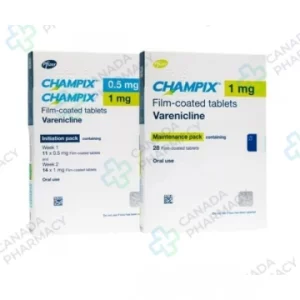
Champix
Price range: $ 144,00 through $ 349,00
Active substance: Varenicline
More Details
This product has multiple variants. The options may be chosen on the product page
Nicotinell
Price range: $ 10,00 through $ 30,00
Active substance: nicotine
More Details
This product has multiple variants. The options may be chosen on the product page
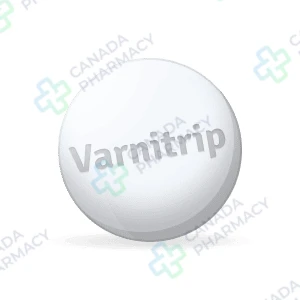
Varnitrip
Price range: $ 55,00 through $ 900,00
Active substance: Varenicline
More Details
This product has multiple variants. The options may be chosen on the product page
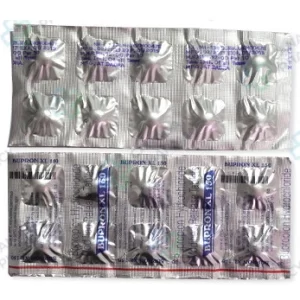
Wellbutrin
Price range: $ 66,00 through $ 627,00
Active substance: Bupropion
More Details
This product has multiple variants. The options may be chosen on the product page
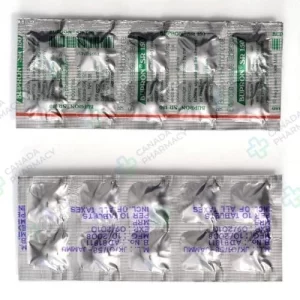
Wellbutrin SR
Price range: $ 62,00 through $ 299,00
Active substance: Bupropion
More Details
This product has multiple variants. The options may be chosen on the product page
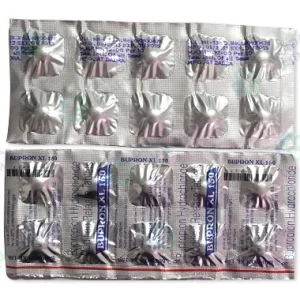
Zyban
Price range: $ 40,00 through $ 210,00
Active substance: Bupropion
More Details
This product has multiple variants. The options may be chosen on the product page