

-85%
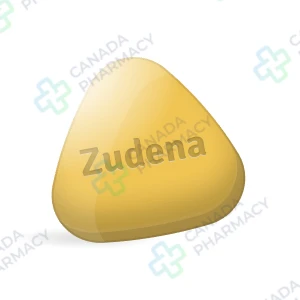
Zudena
Price range: $ 246,00 through $ 595,00
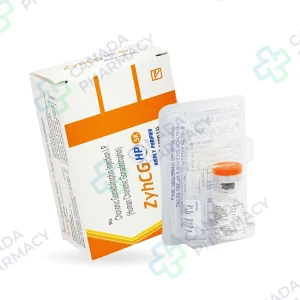
ZyhCG
Price range: $ 50,00 through $ 300,00
Zyban
Price range: $ 40,00 through $ 210,00
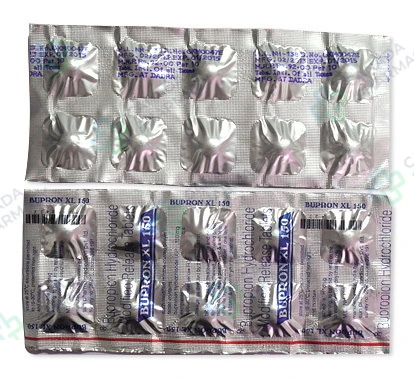
Zyban is a highly effective, nicotine-free medication specifically designed to help individuals successfully quit smoking. It works by targeting the chemical balance in the brain to significantly reduce nicotine cravings and ease common withdrawal symptoms. By altering the neurological response to addiction, this treatment provides essential support for breaking the cycle of tobacco dependence. The sustained-release formula ensures a consistent delivery of the active ingredient, helping you stay focused on your goals throughout the day. Choosing Zyban is a proactive step toward achieving a permanent smoke-free lifestyle and improving your overall well-being.
Active substance: Bupropion
Delivery: 5–21 days (depending on the shipping method)
Extra 10% discount with coupon: IT4K6SVM
Each dosage option has its own packaging choices.
Description
Zyban belongs to the class of aminoketone agents and is designated as a non-nicotine aid to smoking cessation treatment. Prescribed strictly under medical supervision in the United States, this medication provides a pharmacological strategy to assist patients in achieving long-term tobacco abstinence.
The active constituent, bupropion hydrochloride sustained-release, modulates central neurotransmitter activity to attenuate nicotine cravings and systemic withdrawal symptoms. Medical evaluation is mandatory before initiation due to specific contraindications, potential drug interactions, and dose-titration protocols.
| Property | Specification |
|---|---|
| Active ingredient (INN) | Bupropion hydrochloride |
| Therapeutic class | Aminoketone non-nicotine smoking cessation aid |
| Dosage form | Sustained-release tablet (150 mg) |
| Route of administration | Oral |
| Primary purpose | Aid to smoking cessation treatment |
| Prescription status | Prescription (Rx) only |
Clinical Pharmacotherapy and Administration
Mechanism of action
The mechanism of action of Zyban involves the selective inhibition of the neuronal reuptake of dopamine and norepinephrine in the central nervous system. The drug demonstrates minimal inhibitory effect on the presynaptic reuptake of serotonin and does not inhibit monoamine oxidase. Additionally, bupropion acts as a non-competitive antagonist at neuronal nicotinic acetylcholine receptors. By enhancing extracellular concentrations of dopamine and norepinephrine within the mesolimbic system and locus coeruleus, the medication diminishes the reward sensation associated with nicotine consumption. Concurrently, it alleviates the intensity of physical and psychological withdrawal symptoms that occur during smoking cessation.
Main uses
Zyban is indicated as an aid to smoking cessation treatment in patients aged 18 years and older. Clinical administration is intended to be combined with educational and behavioral support programs to maximize abstinence rates. Unlike nicotine replacement therapy, Zyban does not deliver nicotine to the body, making it a suitable pharmacotherapeutic option for individuals seeking to avoid nicotine administration altogether. Any use of bupropion for conditions other than smoking cessation, such as major depressive disorder or seasonal affective disorder (which are treated under distinct brand formulations), constitutes off-label application in the context of this specific product labeling and requires dedicated medical authorization from a licensed prescriber.
Dosing schedule
Dosing administration begins while the patient is still actively smoking, as steady-state plasma concentrations of bupropion require approximately one week to develop. The standard initial dosage is 150 mg administered orally once daily for the first three consecutive days. On day four, the dosage is escalated to the target maintenance level of 150 mg twice daily, with an interval of at least 8 hours between consecutive doses. The maximum single dose is 150 mg, and the total daily dose must not exceed 300 mg. Sustained-release tablets must be swallowed whole with water and should never be crushed, chewed, or broken, as altering the matrix mechanism accelerates drug release and significantly elevates the risk of dose-dependent seizures.
How it’s absorbed and eliminated
Following oral administration of sustained-release bupropion, peak plasma concentrations of the parent compound are achieved within approximately 3 hours. Bupropion undergoes extensive first-pass hepatic metabolism via the CYP2B6 isoenzyme pathway, converting into three active metabolites: hydroxybupropion, threohydrobupropion, and erythrohydrobupropion. Hydroxybupropion reaches peak plasma levels in about 6 hours and displays exposure levels substantially higher than the parent drug. The mean elimination half-life of bupropion is approximately 21 hours (with an observed range of 12 to 30 hours). The elimination half-lives of its active metabolites are extended, with hydroxybupropion displaying an average half-life of 20 to 37 hours. Renal excretion accounts for approximately 87% of the dose recovered as metabolites, while fecal excretion accounts for less than 10%.
What you may notice early on
During the initial phase of therapy, individuals typically continue smoking while establishing a target quit date, usually designated within the second week of treatment (typically between day 8 and day 14). Early pharmacological effects manifest primarily as a gradual reduction in the urge to smoke and a decrease in the tactile and psychological satisfaction derived from cigarettes. Minor physiological responses, including mild dry mouth and alterations in sleep patterns, may emerge within the first several days of administration. If significant reduction in smoking behavior is not achieved by the seventh week of therapy, treatment efficacy should be re-evaluated by the healthcare provider.
Safety Profile and Special Considerations
Adverse reactions
The administration of Zyban may produce adverse reactions across multiple organ systems. The most frequently reported adverse events in clinical trials include insomnia, dry mouth, headache, nausea, dizziness, constipation, diaphoresis, and anxiety. Central nervous system adverse events are dose-related; most notably, bupropion carries a risk of inducing epileptic seizures, estimated at approximately 0.1% (1 in 1,000) at total daily doses up to 300 mg. Less common adverse reactions include tremor, palpitations, tachycardia, weight changes, hypersensitivity reactions such as urticaria and rash, and infrequent reports of neuropsychiatric disturbances including agitation, confusion, or mood alterations. Patients should report persistent or severe adverse reactions to their prescribing clinician immediately.
Important precautions
Zyban carries significant safety precautions and contraindications. The drug is contraindicated in patients with a history of seizure disorders, current or prior diagnoses of bulimia or anorexia nervosa (due to a higher incidence of seizures observed in these populations), and in individuals undergoing abrupt discontinuation of alcohol, benzodiazepines, or other sedatives. Co-administration with monoamine oxidase inhibitors (MAOIs) is strictly contraindicated; at least 14 days must elapse between discontinuing an MAOI and starting bupropion therapy. All patients monitored for smoking cessation should be observed for neuropsychiatric symptoms, including changes in behavior, hostility, depressed mood, and suicidal ideation. Dosage reductions are required in patients with moderate to severe hepatic impairment or renal impairment.
Compatibility with other medicines
Pharmacokinetic and pharmacodynamic interactions require careful review prior to initiating Zyban. Bupropion and its active metabolite hydroxybupropion are potent inhibitors of the cytochrome P450 CYP2D6 isoenzyme. Co-administration with medications metabolized by CYP2D6–such as certain tricyclic antidepressants, selective serotonin reuptake inhibitors, antipsychotics, beta-blockers, and Type 1C antiarrhythmics–can lead to increased plasma concentrations of these secondary agents, necessitating dosage adjustments. Concomitant use with drugs that lower the seizure threshold (including antipsychotics, systemic corticosteroids, theophylline, and tramadol) demands extreme caution. Metabolic inducers such as carbamazepine, phenobarbital, and phenytoin may decrease bupropion plasma concentrations, potentially reducing therapeutic efficacy.
What to avoid while taking it
Patients taking Zyban must avoid excessive consumption of alcohol, as well as the abrupt cessation of routine alcohol intake, because both scenarios alter seizure thresholds unpredictably. It is advised to minimize or eliminate alcohol consumption entirely during the treatment course. Patients must also avoid altering the physical integrity of the tablet by crushing, splitting, or chewing, as intact sustained-release properties are essential for safety. Furthermore, taking the second daily dose too close to bedtime should be avoided to decrease the likelihood of severe treatment-induced insomnia.
If you skip a dose
If a dose of Zyban is missed, the patient should skip the missed dose entirely and resume the normal administration schedule at the next designated time. Under no circumstances should a double dose or supplementary tablets be taken to compensate for a missed administration. Exceeding the prescribed dose of 150 mg per single administration or 300 mg per total daily intake significantly increases the threshold risk for central nervous system toxicity and grand mal seizures.
Day-to-day use
To support safe day-to-day use, doses of Zyban should be spaced at least 8 hours apart throughout the day, with the second dose typically taken in the late afternoon rather than late evening. Adequate hydration should be maintained to alleviate dry mouth. Patients should exercise caution when driving or operating hazardous machinery until they determine how the medication affects their cognitive and motor function. Combining pharmacotherapy with behavioral counseling, support groups, or smoking cessation hotlines improves the overall likelihood of achieving sustained abstinence.
Common Questions
How does Zyban differ from nicotine replacement therapies?
Zyban is a non-nicotine prescription tablet that modifies brain neurotransmitter levels (dopamine and norepinephrine) to reduce cravings and withdrawal. Unlike nicotine patches, gums, or lozenges, it does not supply exogenous nicotine to the circulatory system. This mechanism eliminates physical nicotine exposure while addressing the neurochemical pathways underlying addiction.
Why is a target quit date established before stopping smoking on Zyban?
A target quit date is set during the second week of treatment because bupropion requires approximately 7 days of continuous administration to achieve steady-state therapeutic plasma concentrations. Initiating medication while still smoking allows active drug levels to accumulate in the central nervous system. This ensures pharmacological support is fully active when actual smoking cessation occurs.
What should be done if insomnia occurs during Zyban therapy?
Insomnia is a common adverse effect associated with central nervous system stimulation by bupropion. To minimize sleep disturbance, the evening dose should be taken earlier in the afternoon, ensuring at least an 8-hour gap from the morning dose. Patients should avoid taking doses near bedtime and consult their healthcare provider if sleep disruption persists.
Can Zyban be taken alongside alcohol?
Alcohol intake should be minimized or completely avoided during Zyban therapy. Combined use can lower the seizure threshold and increase the risk of adverse neuropsychiatric events. Furthermore, sudden cessation of heavy alcohol use while on bupropion is contraindicated due to a markedly heightened seizure risk.
How long is a standard course of treatment with Zyban?
A typical course of treatment with Zyban lasts between 7 and 12 weeks. If the patient has successfully quit smoking within this period, the prescriber may evaluate whether gradual discontinuation is appropriate or if maintenance therapy is needed. If no progress toward abstinence is made by week 7, therapy is generally reassessed or discontinued.
In accordance with FDA requirements. This text is for informational purposes only and does not constitute individual medical advice.
Additional information
| Dosage |
150mg |
|---|---|
| Package |
10 pills ,20 pills ,30 pills ,60 pills ,90 pills ,120 pills ,180 pills ,270 pills ,360 pills |
| Ενεργός Ουσία |
Related products
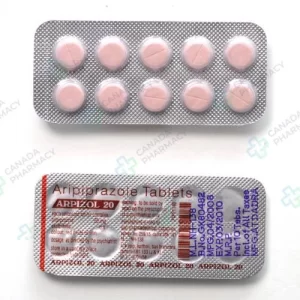
Abilify
Price range: $ 45,00 through $ 413,00
Active substance: Aripiprazole
More Details
This product has multiple variants. The options may be chosen on the product page
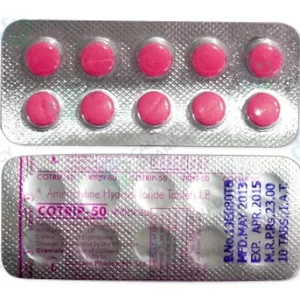
Amitriptyline
Price range: $ 41,00 through $ 114,00
Active substance: amitriptyline
More Details
This product has multiple variants. The options may be chosen on the product page
Clozaril
Price range: $ 45,00 through $ 129,00
Active substance: Clozapine
More Details
This product has multiple variants. The options may be chosen on the product page
Duzela
Price range: $ 36,00 through $ 83,00
Active substance: Duloxetine
More Details
This product has multiple variants. The options may be chosen on the product page
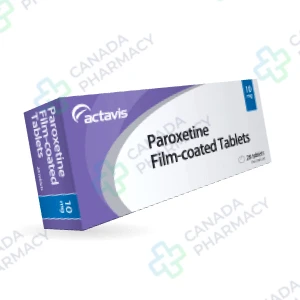
Paroxetine
Price range: $ 44,00 through $ 321,00
Active substance: paroxetine
More Details
This product has multiple variants. The options may be chosen on the product page
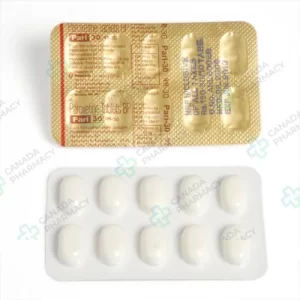
Paxil
Price range: $ 34,00 through $ 445,00
Active substance: paroxetine
More Details
This product has multiple variants. The options may be chosen on the product page
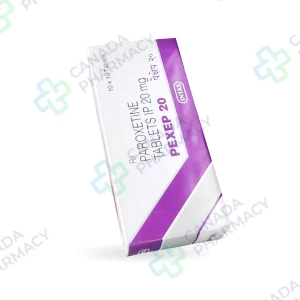
Pexep
Price range: $ 42,00 through $ 162,00
Active substance: paroxetine
More Details
This product has multiple variants. The options may be chosen on the product page
Pristiq
Price range: $ 73,00 through $ 561,00
Active substance: desvenlafaxine
More Details
This product has multiple variants. The options may be chosen on the product page