

-25%Sold out
Nicotex
Price range: $ 18,00 through $ 51,00
Nimotop
Price range: $ 40,00 through $ 338,00
Nicotinell
Price range: $ 10,00 through $ 30,00
Nicotinell is a trusted nicotine replacement therapy designed to help you quit smoking for good. By delivering a controlled dose of nicotine, it effectively reduces the intensity of withdrawal symptoms and physical cravings. This product supports your journey toward a tobacco-free lifestyle by minimizing the irritability and restlessness often associated with quitting. Available in various formats, Nicotinell provides a flexible solution tailored to your personal needs and daily routine. Take a positive step toward better health and long-term wellness with this reliable smoking cessation aid.
Active substance: nicotine
Delivery: 5–21 days (depending on the shipping method)
Extra 10% discount with coupon: IT4K6SVM
Each dosage option has its own packaging choices.
Description
Nicotinell belongs to a class of medications known as nicotine replacement therapies. It delivers a controlled amount of therapeutic nicotine into the systemic circulation to reduce craving intensity and physical withdrawal symptoms associated with tobacco cessation. This over-the-counter product is indicated for adult individuals seeking to stop smoking cigarettes as part of a structured behavioral modification plan.
By replacing a portion of the systemic nicotine previously derived from tobacco combustion, Nicotinell assists in easing the transition to complete abstinence. Available in multiple pharmaceutical forms such as transdermal patches, lozenges, and oral gums, dosing protocols are generally stratified based on baseline daily cigarette consumption and individual dependence levels.
Key Product Summary
| Drug Name | Nicotinell |
| Active Ingredient | Nicotine (as nicotine polacrilex or transdermal nicotine) |
| Primary Purpose | Smoking cessation aid / Nicotine replacement therapy |
| Route of Administration | Transdermal or buccal/oral |
| Prescription Status | Over-the-counter (OTC) |
| Storage | Store at controlled room temperature 20°C to 25°C (68°F to 77°F) |
How the drug works
Nicotinell operates via central and peripheral nicotinic acetylcholine receptor agonism. Nicotine binds stereoselectively to acetylcholine receptors located in autonomic ganglia, the adrenal medulla, neuromuscular junctions, and the central nervous system. Upon binding, nicotine stimulates the release of neurotransmitters including dopamine, norepinephrine, serotonin, acetylcholine, and gamma-aminobutyric acid. Dopamine release within the mesolimbic pathway is primarily responsible for the rewarding effects associated with nicotine intake. By providing systemic nicotine without toxic combustion products such as carbon monoxide and tar, Nicotinell maintains basal activation of these receptors. This continuous or controlled stimulation mitigates neurochemical withdrawal effects, allowing gradual neuroreceptor downregulation during smoking cessation.
What it’s used for
Nicotinell is indicated as a temporary smoking cessation aid to help adult smokers quit cigarette use. It reduces withdrawal symptoms, including nicotine cravings, irritability, anxiety, difficulty concentrating, increased appetite, and restlessness. Treatment regimens are structured to gradually step down nicotine exposure over several weeks or months. This step-down methodology facilitates gradual weaning from physiological dependence. Clinical application is intended for adult individuals aged 18 years and older who are committed to stopping tobacco use completely on a targeted quit date.
Dosing schedule
Dosing is selected based on daily cigarette consumption and the selected dosage form. For transdermal patches, individuals smoking more than 20 cigarettes per day typically initiate treatment with Step 1 (21 mg per 24 hours) for 3 to 4 weeks, followed by Step 2 (14 mg per 24 hours) for 3 to 4 weeks, and conclude with Step 3 (7 mg per 24 hours) for 2 to 4 weeks. Light smokers smoking fewer than 20 cigarettes daily generally start directly at Step 2. Transdermal patches should be applied once daily to a clean, dry, hairless area of intact skin on the upper body or outer arm. For oral formulations such as nicotine gum or lozenges, dosage selection depends on whether the first cigarette is smoked within 30 minutes of waking (4 mg strength) or more than 30 minutes after waking (2 mg strength). Oral forms should be chewed or dissolved slowly using a “chew-and-park” or buccal holding technique to maximize mucosal absorption.
What happens in the body
Pharmacokinetic properties vary by formulation. Transdermal nicotine absorption occurs gradually through intact skin, reaching steady-state plasma concentrations within several hours and providing continuous systemic levels over 24 hours. Oral formulations yield rapid buccal absorption across the oral mucosa, attaining peak plasma nicotine concentration within approximately 30 to 60 minutes. Nicotine exhibits plasma protein binding below 5% and undergoes extensive hepatic metabolism, primarily via cytochrome P450 2A6 enzymes, forming inactive metabolites such as cotinine and nicotine-N-oxide. The elimination half-life of nicotine ranges between 1 and 2 hours, whereas cotinine exhibits a prolonged half-life of approximately 15 to 20 hours. Renal excretion accounts for the primary clearance route of metabolites and unchanged nicotine depending on urinary pH.
Compatibility with other medicines
Smoking cessation itself induces physiological changes that alter the pharmacokinetics of concurrent medications. Polycyclic aromatic hydrocarbons in tobacco smoke induce cytochrome P450 1A2 enzymes; consequently, smoking cessation may result in increased plasma concentrations of drugs metabolized by CYP1A2, including theophylline, caffeine, tacrine, and clozapine. Dosage adjustments for these concomitant therapies may be necessary upon tobacco withdrawal. Additionally, sympathomimetic agents, beta-blockers, and insulin requirements may shift as catecholamine levels decline following smoking cessation. Direct pharmacodynamic interactions between exogenous nicotine replacement therapy and other cardiovascular agents should be evaluated in patients with unstable cardiac conditions.
Adverse reactions
Adverse events associated with Nicotinell depend largely on the route of administration and localized tissue exposure. Transdermal patch application may produce localized skin reactions, including erythema, pruritus, burning sensations, and mild edema at the application site. Systemic adverse effects across formulations include insomnia, abnormal dreams, headache, dizziness, nausea, dyspepsia, and dry mouth. Oral formulations frequently cause localized throat irritation, hiccups, increased salivation, jaw discomfort, and gastrointestinal upset if swallowed too rapidly. Excessive nicotine absorption may produce symptoms of mild nicotine toxicity, such as abdominal pain, tachycardia, diaphoresis, vomiting, and marked dizziness.
Food and alcohol interactions
Consuming acidic beverages, including coffee, fruit juices, soft drinks, or wine, immediately before or during the use of oral Nicotinell formulations significantly lowers oral cavity pH. Lower pH shifts nicotine into its ionized state, substantially reducing transmucosal absorption across the buccal epithelium. Individuals should refrain from eating or drinking acidic substances for at least 15 minutes prior to and during the use of oral nicotine replacement products. Alcohol consumption should be approached with caution during smoking cessation programs, as ethanol intake alters impulse control and represents a prominent behavioral trigger for relapse to cigarette smoking.
First days of treatment
During the initial days of treatment, users may experience mild transient physiological reactions as the body adjusts to non-combustion nicotine delivery. Mild skin redness or tingling at the patch site, or localized throat warmth with oral formulations, is commonly reported during initial administration. Tobacco cravings and psychological withdrawal symptoms may persist in the early phase but generally decrease in intensity compared to unassisted quit attempts. Sleep disturbances or vivid dreams may occur, particularly if transdermal patches are worn overnight. Adjusting administration timing or changing patch removal schedules before bedtime can help mitigate nocturnal sleep disruptions.
If you skip a dose
If a transdermal patch application is missed or falls off, apply a fresh patch immediately to a new, clean skin location and resume the regular daily schedule. If using oral formulations like gum or lozenge on a scheduled regimen and a dose is missed, take the dose when remembered, provided it is needed to control craving symptoms. Do not apply multiple patches simultaneously or double oral doses to make up for missed administration. Excess nicotine exposure from compensatory dosing increases the risk of adverse cardiovascular and gastrointestinal events.
Storage and expiration
Nicotinell products should be stored at controlled room temperature between 20°C and 25°C (68°F to 77°F), with permitted excursions between 15°C and 30°C (59°F to 86°F). Protect all dosage forms from excessive heat, direct sunlight, and moisture. Store transdermal patches inside their sealed protective pouches until immediately prior to application. Ensure all unused and used products are kept strictly out of reach and sight of children and pets, as nicotine residues can pose serious toxicological risks upon accidental ingestion or dermal contact. Do not use any product past the expiration date printed on the package.
Important Precautions and Special Populations
Important precautions
Nicotinell requires careful clinical evaluation in patients with underlying cardiovascular disease. Use caution in individuals with recent myocardial infarction, severe cardiac arrhythmias, unstable angina pectoris, or uncontrolled hypertension, as nicotine exerts sympathomimetic effects including increased heart rate and transient blood pressure elevation. Patients with active peptic ulcer disease, hyperthyroidism, pheochromocytoma, or severe hepatic or renal impairment should consult a healthcare professional before initiating therapy. Pregnant or breastfeeding women should avoid nicotine exposure if possible; however, if behavioral intervention alone is insufficient, nicotine replacement therapy should only be used under explicit medical supervision due to potential fetal vascular effects. Pediatric use in individuals under 18 years of age is not recommended unless advised by a primary care provider.
Frequently Asked Questions
Common questions
Can Nicotinell be used while continuing to smoke cigarettes?
Concurrent use of Nicotinell and active smoking is generally not recommended during a formal quit program, as dual exposure increases systemic nicotine concentration and elevates the risk of adverse cardiovascular symptoms such as palpitations, nausea, and dizziness. Patients should set a definitive quit date and cease all tobacco use upon commencing therapy.
What should be done if skin irritation occurs at the patch site?
Mild redness and itching at the application site are common and usually resolve within 24 hours after patch removal. To minimize skin irritation, rotate application sites daily and avoid applying patches to the same area within seven days. If severe erythema, rash, or persistent swelling develops, discontinue patch use and consult a healthcare provider.
How long should a full course of Nicotinell therapy last?
A standard course of nicotine replacement therapy typically lasts between 8 to 12 weeks, including the step-down phase. Using the product beyond 12 weeks is generally unnecessary; however, individuals experiencing persistent cravings or risk of relapse should consult a doctor or pharmacist for guidance on extended treatment strategies.
Is it acceptable to wear the transdermal patch during exercise or showering?
Nicotinell transdermal patches are designed to remain adherent during brief exposure to water, such as showering or bathing. Exercise and excessive sweating may occasionally loosen patch adhesion; if a patch detaches, reapply a new patch to a dry area of skin. Avoid prolonged exposure to hot tubs, saunas, or direct heat sources, as elevated skin temperature accelerates nicotine absorption rate.
What is the proper method for disposing of used patches or oral forms?
Used transdermal patches retain significant quantities of residual nicotine that can be harmful to children and pets. Fold the sticky sides of the used patch together and dispose of it securely in a household trash receptacle away from pediatric access. Oral formulations should likewise be wrapped in paper before disposal.
In accordance with FDA regulatory guidelines for non-prescription nicotine replacement therapies.
This text is for informational purposes only and does not constitute individual medical advice.
Additional information
| Dosage |
52.5 mg |
|---|---|
| Package |
2 patches ,4 patches ,8 patches |
| Ενεργός Ουσία |
Related products
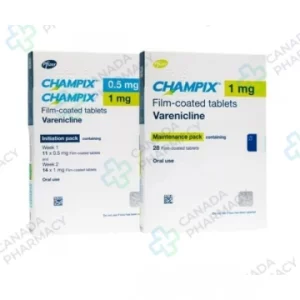
Champix
Price range: $ 144,00 through $ 349,00
Active substance: Varenicline
More Details
This product has multiple variants. The options may be chosen on the product page
Nicotex
Price range: $ 18,00 through $ 51,00
Active substance: nicotine
More Details
This product has multiple variants. The options may be chosen on the product page
Varnitrip
Price range: $ 55,00 through $ 900,00
Active substance: Varenicline
More Details
This product has multiple variants. The options may be chosen on the product page
Wellbutrin
Price range: $ 66,00 through $ 627,00
Active substance: Bupropion
More Details
This product has multiple variants. The options may be chosen on the product page
Wellbutrin SR
Price range: $ 62,00 through $ 299,00
Active substance: Bupropion
More Details
This product has multiple variants. The options may be chosen on the product page
Zyban
Price range: $ 40,00 through $ 210,00
Active substance: Bupropion
More Details
This product has multiple variants. The options may be chosen on the product page