

-30%
Nicotinell
Price range: $ 10,00 through $ 30,00
Nirdosh
Price range: $ 9,00 through $ 20,00
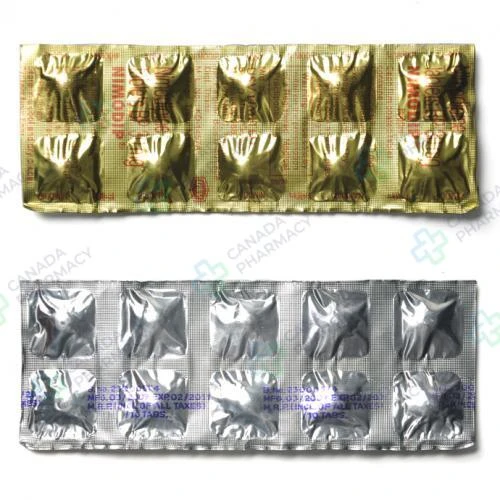
Nimotop
Price range: $ 40,00 through $ 338,00
Nimotop is a specialized calcium channel blocker primarily used to improve neurological outcomes following a subarachnoid hemorrhage caused by a ruptured aneurysm. The medication works by effectively reducing the incidence and severity of ischemic deficits in patients experiencing brain bleeds. Its active ingredient, nimodipine, targets the small blood vessels in the brain to prevent them from narrowing and restricting vital blood flow. By stabilizing vascular activity, this treatment helps protect brain tissue from further damage during the critical recovery period. This medication serves as an essential component in neurological care for maintaining cognitive and motor functions after a serious vascular event.
Active substance: Nimodipine
Delivery: 5–21 days (depending on the shipping method)
Extra 10% discount with coupon: IT4K6SVM
Each dosage option has its own packaging choices.
Description
Nimotop belongs to a class of medications known as dihydropyridine calcium channel blockers. It is specifically formulated to selectively exert vasorelaxant effects on cerebral blood vessels following a subarachnoid hemorrhage.
In the United States, Nimotop is classified as a prescription-only (Rx) medication approved by the Food and Drug Administration (FDA). It must be administered exclusively under the direction and supervision of a qualified healthcare provider in accordance with federal and state regulations.
| Property | Details |
|---|---|
| Active ingredient | Nimodipine |
| Therapeutic class | Dihydropyridine calcium channel blocker |
| Route of administration | Oral (capsules or oral solution) |
| Prescription status | Prescription (Rx) only |
| Primary purpose | Improvement of neurological outcomes after subarachnoid hemorrhage |
| Storage conditions | Controlled room temperature (68°F to 77°F / 20°C to 25°C), protected from light |
Therapeutic Overview and Pharmacokinetics
What it’s used for
Nimotop is indicated for the improvement of neurological outcomes by reducing the incidence and severity of ischemic deficits in patients with subarachnoid hemorrhage (SAH) from ruptured intracranial berry aneurysms, regardless of their post-ictus neurological condition. Treatment should be initiated as early as possible following the hemorrhagic event. The clinical value of the drug is localized primarily to vascular smooth muscle protection in the central nervous system. Any use outside of FDA-approved subarachnoid hemorrhage management–such as acute ischemic stroke, migraine prophylaxis, or cognitive impairment–is considered off-label and lacks established regulatory endorsement for routine clinical safety and efficacy.
How the drug works
The active substance, nimodipine, inhibits the transmembrane influx of calcium ions into vascular smooth muscle cells and neurons through voltage-dependent L-type calcium channels. Because cerebral arteries are particularly dependent on calcium influx for vascular tone, nimodipine demonstrates a pronounced selectivity for cerebral vessels compared to systemic resistance arteries. By preventing cellular calcium overload during acute arterial spasm, the medication attenuates post-hemorrhagic cerebral vasospasm. This vascular smooth muscle relaxation helps maintain cerebral blood flow and reduces secondary ischemic injury to brain tissue adjacent to the subarachnoid bleed.
What happens in the body
Nimodipine is rapidly absorbed following oral administration, with peak blood concentrations typically achieved within one hour. The molecule exhibits high lipophilicity, allowing ready penetration across the blood-brain barrier. Plasma protein binding exceeds 95%. Nimodipine undergoes extensive first-pass hepatic metabolism primarily mediated by the cytochrome P450 3A4 (CYP3A4) enzyme system. Due to this substantial hepatic extraction, systemic bioavailability following oral administration is approximately 13%. The initial elimination half-life ranges from 1 to 2 hours, while the terminal elimination half-life is between 8 and 9 hours. Inactive metabolites are excreted predominantly through the renal system (approximately 50%) and biliary tract (approximately 30%).
Dosing schedule
The standard oral dosage regimen for adults is 60 mg (two 30 mg capsules or equivalent oral liquid formulation) administered every 4 hours for 21 consecutive days. Therapy should begin within 96 hours of the onset of subarachnoid hemorrhage. Nimotop must be taken orally or via a nasogastric/gastric tube. Crucial Safety Warning: Nimotop must NEVER be administered intravenously or by any parenteral route. Inadvertent intravenous administration of oral nimodipine formulations has resulted in severe systemic hypotension, cardiac arrest, and fatal outcomes. Patients with hepatic cirrhosis demonstrate reduced drug clearance; in such cases, the dosage is reduced to 30 mg every 4 hours with continuous cardiovascular monitoring.
Safety Profile and Frequently Asked Questions
Red flags
Patients receiving Nimotop require continuous monitoring for acute hemodynamic instabilities. Immediate emergency medical intervention is required if any of the following critical adverse reactions occur:
- Severe, sudden drop in blood pressure (profound systemic hypotension).
- Signs of hypersensitivity or anaphylaxis, including swelling of the face, lips, tongue, or throat, accompanied by hives or severe respiratory distress.
- Unusually slow heart rate (bradycardia) or severe cardiac dysrhythmia.
- Sudden deterioration in neurological status or onset of severe motor deficits.
- Accidental intravenous administration of the oral liquid or capsule contents.
Important precautions
The administration of Nimotop requires careful clinical evaluation in patients with underlying cardiovascular or hepatic pathology. Because nimodipine is metabolized extensively in the liver, individuals with hepatic impairment exhibit significantly elevated peak plasma concentrations and prolonged elimination half-lives, increasing the risk of profound hypotension. Dosage adjustments and blood pressure monitoring are mandatory in this population. Caution is also advised when administering the drug to patients with pre-existing low blood pressure (systolic pressure under 100 mm Hg) or severe renal insufficiency. Regular monitoring of vital signs and neurological function is an essential component of inpatient care.
Adverse reactions
Adverse events associated with Nimotop primary relate to its vasodilatory pharmacodynamic effects. Clinical trials and post-marketing surveillance document the following potential side effects:
- Cardiovascular: Systemic hypotension, edema, tachycardia, bradycardia, electrocardiographic abnormalities.
- Gastrointestinal: Nausea, abdominal discomfort, diarrhea, gastrointestinal hemorrhage.
- Dermatologic: Flushing, rash, diaphoresis.
- Central Nervous System: Headache, dizziness, muscle cramps.
- Hepatic: Transient elevations in serum transaminases and alkaline phosphatase.
Compatibility with other medicines
Nimodipine metabolism is highly dependent on the hepatic CYP3A4 enzyme system. Co-administration with strong CYP3A4 inhibitors (such as ketoconazole, itraconazole, clarithromycin, erythromycin, or ritonavir) substantially increases nimodipine plasma concentrations, elevating the risk of severe hypotension. Conversely, strong CYP3A4 inducers (such as rifampin, carbamazepine, phenobarbital, and St. John’s wort) marked decrease systemic exposure, rendering Nimotop clinically ineffective. Concomitant use of other antihypertensive agents, including beta-blockers, ACE inhibitors, or other calcium channel antagonists, may produce additive hypotensive actions.
What to avoid while taking it
Patients taking Nimotop must avoid consuming grapefruit, grapefruit juice, or supplements containing grapefruit extract. Components in grapefruit inhibit intestinal CYP3A4 enzymes, leading to significantly elevated plasma nimodipine levels and severe blood pressure reductions. Ethanol (alcohol) consumption must be avoided, as it can enhance peripheral vasodilation and exacerbate central nervous system depression or hypotensive symptoms.
Special populations
Pregnancy: Reproduction studies in animals have shown adverse effects on fetal development at high doses. Nimotop should be used during pregnancy only if the potential therapeutic benefit justifies the potential risk to the fetus.
Lactation: Nimodipine and its metabolites pass into animal milk; given the potential for serious adverse reactions in nursing infants, a decision should be made whether to discontinue nursing or discontinue the drug.
Geriatric Use: Elderly patients may exhibit reduced drug clearance and altered hemodynamic sensitivity; conservative dosing and vigilant blood pressure oversight are indicated.
Missed dose
If a dose of Nimotop is missed, it should be administered as soon as remembered, provided the next scheduled dose is not imminent. If it is almost time for the next scheduled dose, the missed dose should be skipped, and the regular 4-hour dosing schedule resumed. Double doses must never be administered to compensate for a missed dose.
Common questions
Why is intravenous administration of Nimotop prohibited?
Nimotop capsules and liquid formulations are designed solely for enteral (oral or nasogastric) absorption. Injecting the liquid content directly into an intravenous line can lead to massive systemic vasodilation, precipitating irreversible circulatory collapse, cardiac arrest, and death.
Can Nimotop be used as a routine treatment for essential hypertension?
No. Nimotop is not approved or indicated for the long-term management of essential hypertension. Its primary clinical authorization in the United States is restricted to preventing neurological deficits secondary to subarachnoid hemorrhage.
How is Nimotop administered to patients who cannot swallow capsules?
If a patient is unable to swallow, the liquid content of the capsule may be extracted using a syringe, or an oral liquid solution formulation may be utilized, and administered directly via a nasogastric or gastric feeding tube. The tube must be flushed thoroughly with water after administration.
Is dose adjustment necessary for patients with reduced kidney function?
While renal excretion accounts for a portion of nimodipine metabolite clearance, renal impairment alone generally does not require primary dose reductions. However, clinical monitoring remains necessary due to altered systemic clearance profiles in complex medical settings.
How long is the standard course of Nimotop therapy?
The established clinical treatment course for subarachnoid hemorrhage is 21 consecutive days of therapy, beginning within 96 hours of the initial subarachnoid bleeding event.
In accordance with FDA requirements.
This text is for informational purposes only and does not constitute individual medical advice.
Additional information
| Dosage |
30mg |
|---|---|
| Package |
30 caps ,60 caps ,90 caps ,120 caps ,180 caps ,270 caps ,360 caps |
| Ενεργός Ουσία |
Related products
Aleve
Price range: $ 57,00 through $ 290,00
Active substance: naproxen
More Details
This product has multiple variants. The options may be chosen on the product page
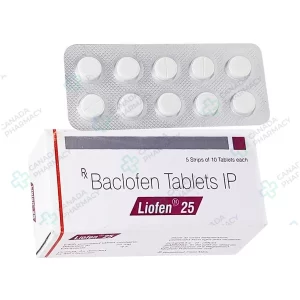
Baclofen
Price range: $ 52,00 through $ 498,00
Active substance: Baclofen
More Details
This product has multiple variants. The options may be chosen on the product page
Baclosign
Price range: $ 45,00 through $ 803,00
Active substance: Baclofen
More Details
This product has multiple variants. The options may be chosen on the product page
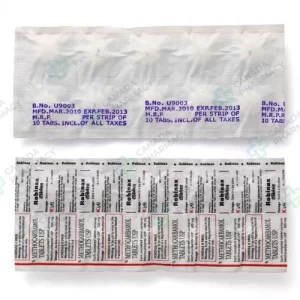
Robaxin
Price range: $ 40,00 through $ 150,00
Active substance: Methocarbamol
More Details
This product has multiple variants. The options may be chosen on the product page

Rumalaya gel
Price range: $ 54,00 through $ 216,00
Active substance: Rumalaya gel
More Details
This product has multiple variants. The options may be chosen on the product page
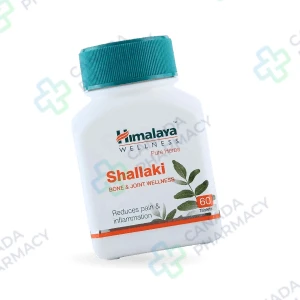
Shallaki
Price range: $ 53,00 through $ 203,00
Active substance: boswellic acid
More Details
This product has multiple variants. The options may be chosen on the product page
Tizanidine
Price range: $ 88,00 through $ 214,00
Active substance: Tizanidine
More Details
This product has multiple variants. The options may be chosen on the product page
Urispas
Price range: $ 48,00 through $ 385,00
Active substance: Flavoxate
More Details
This product has multiple variants. The options may be chosen on the product page