

-20%
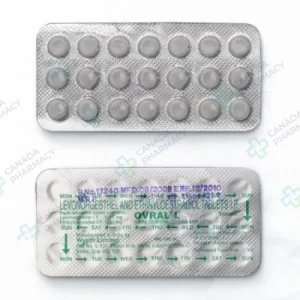
Alesse
Price range: $ 65,00 through $ 208,00
Alfacip
Price range: $ 65,00 through $ 563,00
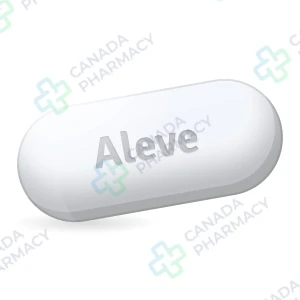
Aleve
Price range: $ 57,00 through $ 290,00
Aleve is a powerful nonsteroidal anti-inflammatory drug (NSAID) designed to provide long-lasting relief from minor aches and pains. Each dose contains naproxen sodium, which works effectively for up to 12 hours to help you manage your day without interruption. It is specifically formulated to target discomfort from backaches, muscular aches, and minor arthritis pain. This medication also provides fast-acting relief for headaches, toothaches, and symptoms associated with the common cold. Additionally, Aleve is a trusted choice for reducing the intensity of menstrual cramps and associated physical discomfort.
Active substance: naproxen
Delivery: 5–21 days (depending on the shipping method)
Extra 10% discount with coupon: IT4K6SVM
Each dosage option has its own packaging choices.
Description
Aleve works by temporarily inhibiting the body’s production of specific pain-signaling chemicals known as prostaglandins. This targeted action helps relieve inflammation, minor body aches, and fever at the source for up to 12 hours per single tablet.
Available as an over-the-counter pain reliever in the United States, this medication contains naproxen sodium 220 mg per dose. Understanding how to take it safely helps you manage everyday discomfort while protecting your digestive and cardiovascular health.
Key Product Information
| Parameter | Details |
|---|---|
| Active ingredient | Naproxen sodium (220 mg) |
| Therapeutic class | Nonsteroidal anti-inflammatory drug (NSAID) |
| Dosage form | Oral tablet / caplet |
| Route of administration | Oral |
| Primary purpose | Temporary pain relief and fever reduction |
| Food recommendation | Take with food or milk if stomach upset occurs |
| Storage conditions | Store at 20°C to 25°C (68°F to 77°F) |
How the drug works
The active component, naproxen sodium, belongs to the nonsteroidal anti-inflammatory drug (NSAID) class. It acts as a non-selective inhibitor of the cyclooxygenase enzymes COX-1 and COX-2. By blocking these enzymes, the medication limits the synthesis of inflammatory prostaglandins in peripheral tissues. This reduction in local chemical signals dampens pain receptor sensitivity, lowers localized tissue swelling, and acts on the hypothalamus to reduce elevated body temperature during a fever.
What it’s used for
You can use this medication for the temporary relief of minor aches and pains associated with several common conditions. It helps manage discomfort from headaches, muscular aches, backaches, toothaches, minor pain of arthritis, and menstrual cramps. Additionally, it is indicated for temporarily reducing fever accompanying mild viral infections or the common cold.
How to take it
For adults and children 12 years of age and older, the standard starting dose is one tablet (220 mg) taken every 8 to 12 hours while symptoms persist. For the first dose, you may take two tablets within the first hour if necessary for acute discomfort. You should not exceed two tablets in any single 8- to 12-hour period, and total intake must not exceed three tablets (660 mg) in a 24-hour period. Always swallow the tablet with a full glass of water, and use the smallest effective dose for the shortest possible duration to minimize potential side effects.
What happens in the body
After oral administration, naproxen sodium dissolves rapidly in the gastric environment and is fully absorbed from the gastrointestinal tract. Pain relief typically begins within 30 to 60 minutes, with peak plasma concentration reached within 1 to 2 hours. The compound binds extensively to plasma proteins (over 99%). Unlike shorter-acting analgesics, naproxen exhibits an elimination half-life ranging between 12 and 17 hours, allowing for extended dosing intervals. Metabolism occurs primarily in the liver, and approximately 95% of the dose is excreted in the urine as metabolite conjugates or unchanged naproxen.
Compatibility with other medicines
Combining this medication with other pain relievers requires careful attention. Avoid taking it alongside other NSAIDs (such as ibuprofen, ketoprofen, or prescription strength naproxen) or aspirin, as this significantly increases the risk of severe stomach ulceration and bleeding. If you take blood thinners like warfarin, low-dose aspirin for heart protection, or oral corticosteroids, consult your healthcare provider first. NSAIDs can also reduce the blood-pressure-lowering effects of ACE inhibitors, beta-blockers, and diuretics, while potentially increasing blood levels of lithium or methotrexate.
Safety and Common Questions
What side effects may occur
While generally well-tolerated when used as directed, mild side effects can occasionally occur. You might experience light heartburn, abdominal discomfort, nausea, mild dizziness, or drowsiness. More serious adverse reactions, though less common, require prompt attention. These include gastrointestinal ulceration, severe stomach bleeding, kidney strain, elevated blood pressure, or allergic skin reactions. If you notice persistent stomach discomfort or unexpected fluid retention, stop taking the medication and speak with a healthcare professional.
Important precautions
This product carries important safety warnings regarding cardiovascular and gastrointestinal risks. NSAIDs may increase the risk of serious cardiovascular thrombotic events, including heart attack and stroke. Stomach bleeding risk is higher if you are age 60 or older, have a history of stomach ulcers, take blood thinners, or take the product for a longer duration than directed. Do not use this product during the third trimester of pregnancy (starting at 20 weeks or later), as it may cause heart or kidney complications in the unborn child. Individuals with severe kidney disease, advanced liver impairment, or fluid retention should seek medical guidance prior to use.
What to avoid while taking it
To keep your stomach comfortable, consider taking your dose with food, milk, or an antacid if you tend to have a sensitive digestive system. It is especially important to limit alcohol intake while using this pain reliever. Consuming three or more alcoholic drinks every day while taking NSAIDs significantly elevates your risk of developing severe stomach bleeding. Avoid taking this medication right before lying down to prevent throat irritation.
If you skip a dose
Because this pain reliever is typically taken on an as-needed basis for acute discomfort, skipping a dose is generally not a problem. If you are following a regular dosing schedule for ongoing pain and forget a dose, take it as soon as you remember–provided symptoms are still present. However, if it is almost time for your next scheduled dose, skip the missed tablet entirely. Never double up on tablets to make up for a missed dose.
How to store it
Store your medicine in a dry place at room temperature, ideally between 20°C and 25°C (68°F and 77°F). Brief exposures to temperatures between 15°C and 30°C (59°F and 86°F) are permitted. Keep the bottle tightly closed in its original packaging to protect the tablets from excessive heat and humidity. Always store all medications safely out of reach and sight of children.
Day-to-day use
Integrating pain relief into your routine works best when paired with healthy daily habits. Stay well-hydrated throughout the day by drinking plenty of water, especially if you are physically active, whether you are managing joint stiffness after gardening in Ohio or recovering from an intense workout. Keep track of how many days you have used the medication; if self-treating pain for more than 10 days or fever for more than 3 days, pause and consult your doctor for a proper health evaluation.
Common questions
Can I take Aleve with my morning coffee?
Taking this medication with morning coffee is generally acceptable for most adults, but caffeine and NSAIDs can both irritate the stomach lining in sensitive individuals. If you frequently experience heartburn or indigestion, try taking your tablet alongside a light breakfast or a glass of milk rather than black coffee alone.
What should I do if my joint pain doesn’t lessen after several days?
If your joint pain or swelling does not show improvement within 10 days of starting treatment, or if the discomfort worsens, stop taking the medication and consult your healthcare provider. Persistent joint pain may indicate an underlying condition that requires a comprehensive medical evaluation or alternative treatment strategies.
Why is it recommended to drink a full glass of water with each dose?
Drinking a full 8-ounce glass of water with your tablet helps ensure the medication passes smoothly down the esophagus into the stomach. This prevents the tablet from dissolving prematurely in the throat or food pipe, which minimizes local tissue irritation and supports proper stomach absorption.
Can I take this medication alongside over-the-counter cold remedies?
Before combining medications, check the active ingredients listed on the Drug Facts label of your cold remedy. Many multi-symptom cold products already contain pain relievers or fever reducers such as ibuprofen, aspirin, or acetaminophen. Avoiding duplicate NSAID ingredients prevents accidental double-dosing and keeps your daily intake within safe limits.
This content is informational and does not replace a consultation with your doctor or pharmacist.
In accordance with FDA requirements.
Additional information
| Dosage |
250mg ,500mg |
|---|---|
| Package |
60 pills ,90 pills ,120 pills ,180 pills ,270 pills ,360 pills |
| Ενεργός Ουσία |
Related products
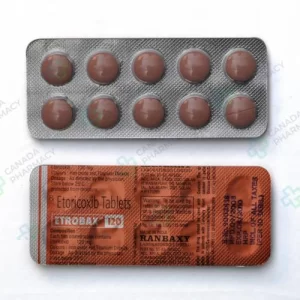
Arcoxia
Price range: $ 42,00 through $ 271,00
Active substance: etoricoxib
More Details
This product has multiple variants. The options may be chosen on the product page
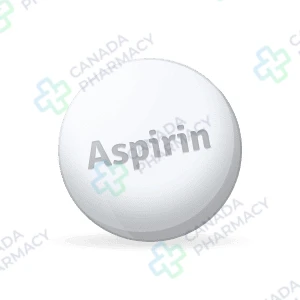
Aspirin
Price range: $ 8,00 through $ 118,00
Active substance: Acetylsalicylic acid
More Details
This product has multiple variants. The options may be chosen on the product page
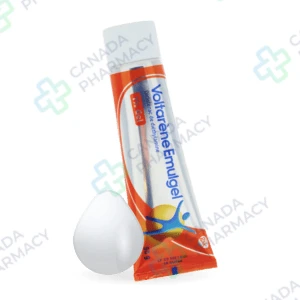
Emulgel
Price range: $ 51,00 through $ 323,00
Active substance: diclofenac
More Details
This product has multiple variants. The options may be chosen on the product page
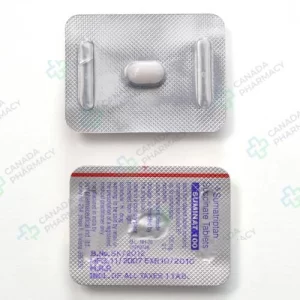
Imitrex
Price range: $ 147,00 through $ 617,00
Active substance: Sumatriptan
More Details
This product has multiple variants. The options may be chosen on the product page
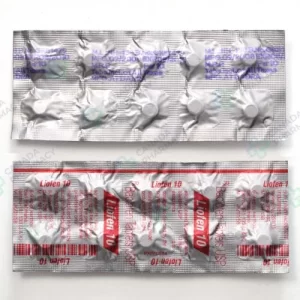
Lioresal
Price range: $ 52,00 through $ 478,00
Active substance: Lioresal
More Details
This product has multiple variants. The options may be chosen on the product page
Nimotop
Price range: $ 40,00 through $ 338,00
Active substance: Nimodipine
More Details
This product has multiple variants. The options may be chosen on the product page
Pletal
Price range: $ 41,00 through $ 434,00
Active substance: Cilostazol
More Details
This product has multiple variants. The options may be chosen on the product page
Ponstel
Price range: $ 41,00 through $ 161,00
Active substance: mefenamic acid
More Details
This product has multiple variants. The options may be chosen on the product page