

-16%

Aleve
Price range: $ 57,00 through $ 290,00
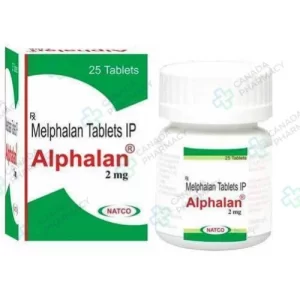
Alkeran
Price range: $ 112,00 through $ 513,00
Alfacip
Price range: $ 65,00 through $ 563,00
Alfacip is a potent vitamin D analogue designed to support healthy bone metabolism and maintain proper calcium balance. This medication effectively aids in the management of conditions like osteoporosis and renal osteodystrophy by enhancing the body’s ability to absorb essential minerals. It is also widely utilized to treat hypoparathyroidism and various forms of rickets or osteomalacia caused by vitamin D deficiency. Regular use helps maintain skeletal integrity and prevents the weakening of bones associated with chronic metabolic disorders. Alfacip provides a reliable solution for individuals seeking to optimize their bone density and overall mineral health.
Active substance: Alfacalcidol
Delivery: 5–21 days (depending on the shipping method)
Extra 10% discount with coupon: IT4K6SVM
Each dosage option has its own packaging choices.
Description
Alfacip belongs to a group of medications known as vitamin D analogs, containing the active substance alfacalcidol. It is dispensed in accordance with applicable federal and state regulations for conditions involving altered calcium metabolism and bone tissue regulation.
The drug serves as a prodrug that undergoes enzymatic conversion in the liver to form calcitriol, the active hormonal form of vitamin D3. This biological pathway bypasses renal hydroxylation, making it clinically valuable in patients with impaired kidney function who cannot activate standard vitamin D supplements efficiently.
| Parameter | Details |
|---|---|
| Drug name | Alfacip |
| Active ingredient | Alfacalcidol (1-alpha-hydroxyvitamin D3) |
| Therapeutic class | Vitamin D analog / Bone metabolism agent |
| Dosage form | Oral capsule / Oral solution |
| Route of administration | Oral |
| Storage | Store at controlled room temperature (59°F to 86°F / 15°C to 30°C), protected from light and moisture |
Clinical Overview and Pharmacologic Profile
How the drug works
The mechanism of action of Alfacip relies on its conversion into 1,25-dihydroxyvitamin D3 (calcitriol) via liver enzymes, specifically 25-hydroxylase. Once activated, calcitriol binds to nuclear vitamin D receptors present in intestinal mucosal cells, osteoblasts, and parathyroid gland tissue. This interaction stimulates the expression of transport proteins that promote calcium and phosphate absorption across the intestinal lumen. Additionally, active metabolites regulate bone mineralization and suppress excessive parathyroid hormone secretion. By bypassing the renal 1-alpha-hydroxylation step, the medication acts effectively even when kidney tissue fails to perform normal enzymatic conversions.
Main uses
Alfacip is indicated for the management of metabolic bone disorders characterized by defective vitamin D activation or severe calcium dysregulation. Key medical indications include renal osteodystrophy in chronic kidney disease, hypoparathyroidism, pseudohypoparathyroidism, and vitamin D-dependent rickets. It is also used in hypocalcemia associated with malabsorption syndromes and as adjunctive therapy in postmenopausal or corticosteroid-induced osteoporosis. Any off-label applications, such as managing specific dermatological or secondary metabolic imbalances, must be evaluated solely by a qualified prescriber based on clinical evidence.
Dosing schedule
The dosing of Alfacip is strictly individualized based on plasma calcium concentrations, alkaline phosphatase levels, and parathyroid hormone titers. Initial adult dosing generally starts at low daily amounts, such as 0.25 mcg to 1 mcg daily, adjusted incrementally every two to four weeks to achieve therapeutic calcium balance. Pediatric dosage is determined strictly by weight and clinical response under specialist care. Capsules should be swallowed whole with water, with or without food, at the same time each day to maintain stable serum concentrations. Dosage escalation must stop immediately if serum calcium levels exceed normal physiological ranges.
What happens in the body
Following oral administration, Alfacip is rapidly absorbed from the gastrointestinal tract. The parent compound, alfacalcidol, is rapidly hydroxylated in the liver to form circulating calcitriol. Peak plasma concentrations of the active metabolite are typically attained within several hours post-ingestion. Calcitriol circulates in the blood bound to specific vitamin D-binding proteins and is distributed to primary target organs, including the intestines, bones, and kidneys. Metabolites undergo biliary excretion and are eliminated primarily through the feces, with a smaller proportion excreted in urine. The elimination biological half-life varies among individuals, particularly in patients with severe hepatic or renal impairment.
Compatibility with other medicines
Drug interactions with Alfacip require careful clinical monitoring due to the risk of hypercalcemia. Concomitant administration with thiazide diuretics reduces urinary calcium excretion, significantly increasing the likelihood of high blood calcium levels. Co-administration with cardiac glycosides like digoxin increases cardiac toxicity potential if hypercalcemia develops. Magnesium-containing antacids should be avoided due to the danger of hypermagnesemia in patients on chronic therapy. Mineral oil, cholestyramine, and colestipol can impair intestinal absorption of lipophilic vitamin D compounds. Anticonvulsants such as phenobarbital or phenytoin may accelerate metabolic degradation, requiring dose adjustments.
Adverse reactions
Adverse reactions associated with Alfacip usually stem from elevated serum calcium levels (hypercalcemia). Early clinical signs include dry mouth, metallic taste, loss of appetite, nausea, vomiting, constipation, headache, and weakness. Chronic or severe hypercalcemia can lead to nephrocalcinosis, kidney stones, polyuria, polydipsia, hypertension, and cardiac arrhythmias. Less common side effects include pruritus, skin rash, mild transaminase elevations, and soft tissue calcification. Periodic laboratory testing of serum calcium, phosphate, and kidney function parameters is mandatory to detect and mitigate these reactions early.
Important precautions
Before initiating therapy, baseline calcium, phosphate, and renal function values must be established. Patients with pre-existing hypercalcemia, hypervitaminosis D, or nephrolithiasis should not receive this therapy. Special caution is required in patients with sarcoidosis or other granulomatous disorders due to heightened sensitivity to vitamin D analogs. Pediatric patients and elderly individuals require frequent monitoring because of narrow safety margins. Regular lab assessments–often weekly during dose titration and monthly during maintenance–help prevent vascular and tissue calcifications secondary to prolonged hypercalcemia.
Practical Guidelines for Safe Usage
What to avoid while taking it
Patients receiving Alfacip should maintain stable dietary calcium intake and avoid unmonitored calcium supplements or high-calcium fortified foods unless directed by a physician. Excessive alcohol consumption should be avoided, as chronic alcohol use alters liver metabolism and compromises bone health. Over-the-counter antacids containing magnesium or aluminum must be limited or avoided due to altered mineral balance. Staying adequately hydrated by drinking sufficient water daily helps protect renal function during therapy.
If you skip a dose
If a dose is forgotten, it should be taken as soon as remembered on the same day. However, if it is nearly time for the next scheduled dose, the missed dose should be skipped entirely. Patients must never double the dose or take extra medicine to compensate for a missed capsule, as doing so increases the risk of acute hypercalcemia.
Special populations
Use during pregnancy requires a careful risk-benefit evaluation by a prescriber; elevated maternal calcium levels can adversely affect fetal development. Calcitriol passes into breast milk in minor quantities, requiring monitoring of infant serum calcium if the drug is taken while breastfeeding. In geriatric populations, age-related decline in renal function necessitates conservative starting doses and frequent lab testing. In pediatric patients, dosage must be meticulously calculated based on body weight and pediatric endocrinological monitoring.
Signs of improvement
Clinical efficacy is primarily evaluated through objective laboratory markers rather than immediate physical sensations. Normalization of serum calcium, reduction in parathyroid hormone levels, and stabilization of bone mineral density indicate positive therapeutic response. In conditions such as rickets or osteomalacia, reduction in bone pain and muscular weakness serves as a functional indicator that the medication is working effectively over weeks to months.
Common Questions
Why is regular blood testing required during treatment with Alfacip?
Regular blood testing is critical to measure serum calcium, phosphate, and creatinine levels. Because the therapeutic range for active vitamin D analogs is narrow, frequent lab work ensures the dose maintains calcium within safe limits and prevents silent development of hypercalcemia or kidney calcification.
What should be done if symptoms of hypercalcemia appear?
If early signs of elevated calcium occur–such as persistent nausea, unquenchable thirst, frequent urination, or severe fatigue–the healthcare provider should be contacted immediately. The clinician may temporarily discontinue treatment, recommend increased fluid intake, and recheck blood mineral levels.
How does Alfacip differ from standard over-the-counter vitamin D supplements?
Standard vitamin D3 supplements require functional liver and kidney enzymes to undergo two sequential hydroxylation steps before becoming active. Alfacip contains alfacalcidol, which is already hydroxylated at the 1-alpha position, requiring only liver activation. This distinction makes it suitable for individuals with compromised kidney function who cannot activate regular vitamin D.
Is it necessary to limit calcium intake while taking this medication?
Dietary calcium management depends on individual lab results and underlying diagnosis. Prescribers often recommend a controlled dietary calcium intake to prevent sudden spikes in blood calcium concentrations, as the medication substantially enhances intestinal absorption of ingested calcium.
What happens if a dose of Alfacip is taken with an antacid containing magnesium?
Combining active vitamin D analogs with magnesium-containing antacids increases the absorption of magnesium, potentially leading to abnormally high blood magnesium levels (hypermagnesemia). Patients should inform their doctor before using any non-prescription digestive remedies.
Information on this page is for reference and does not replace an assessment by a licensed healthcare professional. In accordance with FDA requirements.
Additional information
| Dosage |
0.25 mcg ,0.5 mcg |
|---|---|
| Package |
30 caps ,60 caps ,120 caps ,240 caps ,300 caps |
| Ενεργός Ουσία |
Related products
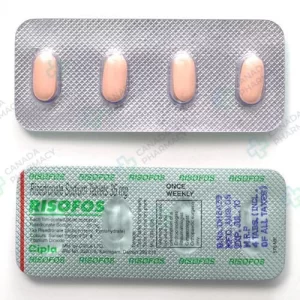
Actonel
Price range: $ 187,00 through $ 230,00
Active substance: risedronate
More Details
This product has multiple variants. The options may be chosen on the product page
Didronel
Price range: $ 57,00 through $ 136,00
Active substance: Etidronate
More Details
This product has multiple variants. The options may be chosen on the product page
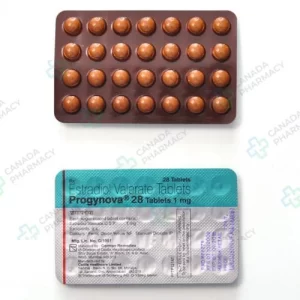
Estrace
Price range: $ 53,00 through $ 384,00
Active substance: Estradiol
More Details
This product has multiple variants. The options may be chosen on the product page
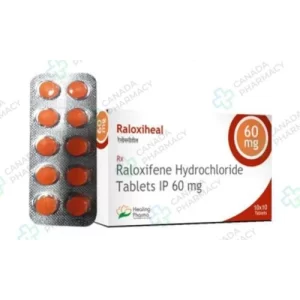
Evista
Price range: $ 50,00 through $ 361,00
Active substance: Raloxifene
More Details
This product has multiple variants. The options may be chosen on the product page
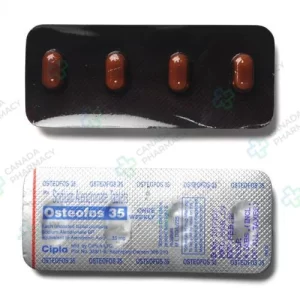
Fosamax
Price range: $ 55,00 through $ 507,00
Active substance: Alendronate
More Details
This product has multiple variants. The options may be chosen on the product page
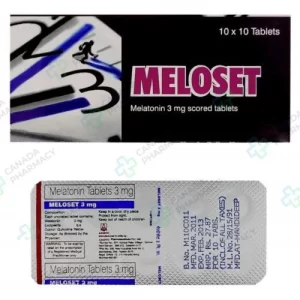
Melatonin
Anti-Inflammatories, AntiConvulsants, AntiParasitics, Cancer, Dementias, HIV, Migraine, Osteoporosis, Respiratory Tract
Price range: $ 46,00 through $ 201,00
Active substance: Melatonin
More Details
This product has multiple variants. The options may be chosen on the product page
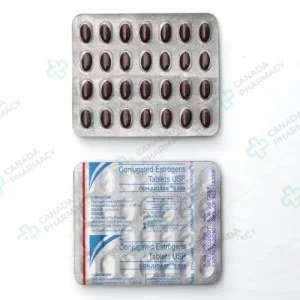
Premarin
Price range: $ 379,00 through $ 705,00
Active substance: Conjugated Estrogens
More Details
This product has multiple variants. The options may be chosen on the product page

Reosto
Price range: $ 33,00 through $ 55,00
Active substance: Herbal
More Details
This product has multiple variants. The options may be chosen on the product page