

-40%
Eurax Lotion
Price range: $ 3,00 through $ 15,00
Exelon
Price range: $ 19,00 through $ 299,00
Evista
Price range: $ 50,00 through $ 361,00
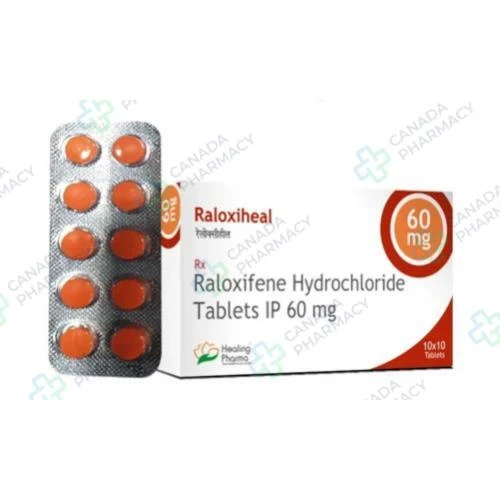
Evista is a selective estrogen receptor modulator specifically developed to support postmenopausal women’s health. This medication is widely used for the prevention and treatment of osteoporosis, helping to maintain bone density and reduce the risk of spinal fractures. Additionally, Evista is indicated to decrease the risk of invasive breast cancer in postmenopausal women who have osteoporosis or are at high risk for the disease. The treatment works by providing estrogen-like protection for the bones while simultaneously blocking estrogen’s effects in breast tissue. This dual-action approach makes Evista an effective option for managing significant long-term health concerns following menopause.
Active substance: Raloxifene
Delivery: 5–21 days (depending on the shipping method)
Extra 10% discount with coupon: IT4K6SVM
Each dosage option has its own packaging choices.
Description
Evista (raloxifene hydrochloride) belongs to a class of agents known as selective estrogen receptor modulators, commonly abbreviated as SERMs. It is an oral prescription medication approved by the U.S. Food and Drug Administration (FDA) for the prevention and treatment of osteoporosis in postmenopausal women, as well as for reducing the risk of invasive breast cancer in postmenopausal women at high risk or with established osteoporosis.
As a target-specific therapeutic, Evista produces tissue-selective estrogenic and anti-estrogenic actions throughout the body. Dispensed in accordance with applicable federal and state regulations, this medication requires individualized clinical evaluation prior to initiation.
Main uses
Evista is FDA-approved for two primary clinical indications in postmenopausal women. The primary indication is the prevention and treatment of postmenopausal osteoporosis. Osteoporosis is a systemic skeletal condition characterized by reduced bone mass and microarchitectural deterioration of bone tissue, leading to increased skeletal fragility and fracture risk. Evista helps preserve bone mineral density, specifically at the spine and hip, effectively reducing the incidence of vertebral fractures.
The second primary indication is the reduction in risk of invasive breast cancer in postmenopausal women diagnosed with osteoporosis, or those defined as being at high risk for developing invasive breast cancer. Clinical risk determination incorporates factors such as age, personal and reproductive history, family history, and previous breast tissue biopsy findings. Evista is not indicated for the treatment of invasive breast cancer, nor is it approved for reducing the risk of non-invasive breast cancer conditions such as ductal carcinoma in situ.
How the drug works
Evista contains raloxifene hydrochloride, a nonsteroidal selective estrogen receptor modulator. The physiological mechanism relies on high-affinity binding to estrogen receptors across various target tissues. Upon binding, the compound induces distinct conformational shifts in the estrogen receptor, leading to differential biological gene expression depending on the specific tissue system involved.
In bone tissue, Evista acts predominantly as an estrogen receptor agonist. It inhibits osteoclast-mediated bone resorption, thereby decreasing systemic bone turnover and maintaining structural mass. Conversely, in uterine tissues and breast tissues, Evista acts primarily as an estrogen antagonist. This tissue selectivity allows the medication to confer bone density preservation without stimulating endometrial tissue proliferation or cell growth in mammary tissue.
Dosing schedule
The standard prescribed dosage of Evista for both the prevention and treatment of postmenopausal osteoporosis, as well as for the reduction of risk of invasive breast cancer, is one 60 mg tablet administered orally once daily. The tablet should be swallowed whole and may be taken at any time of day, without regard to meal timing.
Patients receiving Evista should maintain adequate daily dietary or supplemental intake of calcium and vitamin D, provided no hypercalcemic conditions exist. Consistent daily administration at approximately the same time assists in maintaining steady-state plasma concentrations. Dosage adjustments are generally not required for individuals with mild renal impairment, though routine clinical monitoring remains necessary.
What happens in the body
Following oral administration, raloxifene is rapidly absorbed from the gastrointestinal tract. Approximately 60% of an oral dose is absorbed; however, due to extensive first-pass glucuronidation, the absolute bioavailability of raloxifene is approximately 2%. Peak systemic concentrations are attained within hours, and circulating glucuronide metabolites undergo extensive enterohepatic recycling.
Raloxifene is extensively bound to plasma proteins (approximately 98% to 99%), primarily albumin and alpha-1-acid glycoprotein. Systemic metabolism occurs predominantly in the liver via glucuronide conjugation, with clearance occurring mainly through biliary excretion into feces. Less than 0.2% of the dose is excreted unchanged in urine. The average elimination half-life of raloxifene at steady-state is approximately 27 to 32 hours.
Important precautions
Evista carries severe warnings regarding vascular adverse events. The medication is associated with an increased risk of deep vein thrombosis (DVT), pulmonary embolism (PE), and retinal vein thrombosis. Patients with an active history or established past history of venous thromboembolic events must not take Evista. Additionally, in clinical trials involving postmenopausal women with coronary heart disease or elevated coronary risk, an increased risk of death due to stroke was documented.
Therapy should be temporarily discontinued at least 72 hours prior to and during prolonged immobilization, such as recovery from major surgery or extended bed rest. Prescribers must evaluate the potential risk-to-benefit ratio carefully in individuals with hepatic impairment or significant renal impairment.
What side effects may occur
Adverse reactions associated with Evista therapy range from mild vasomotor symptoms to serious vascular complications. Hot flashes (vasomotor flushes) and leg cramps are among the most frequently reported adverse effects during clinical trials. Peripheral edema, flu-like symptoms, joint pain, and increased sweating have also been observed.
Less common but clinically significant side effects include thromboembolic events. Sudden onset of shortness of breath, chest pain, visual disturbance, or swelling, redness, and pain in the lower extremities represent potential medical emergencies requiring immediate clinical assessment. Patients should promptly notify their medical team if persistent or severe reactions occur.
What not to combine
Concomitant administration of Evista with systemic estrogen therapy, including hormone replacement therapy or vaginal estrogen preparations, is not recommended due to limited combined safety data and potential competitive binding at receptor sites. Co-administration of Evista with cholestyramine or other anion exchange resins significantly reduces the absorption and enterohepatic recycling of raloxifene, leading to reduced therapeutic efficacy.
Caution is warranted when Evista is taken concurrently with highly protein-bound medications, such as warfarin, diazepam, or clofibrate, due to potential displacement of binding sites. When initiated or discontinued alongside warfarin, prothrombin time and International Normalized Ratio (INR) levels require close monitoring by the treating clinician.
What to avoid while taking it
Evista can be ingested with or without food, as food consumption does not significantly alter systemic drug bioavailability. While ethanol does not demonstrate a direct pharmacokinetic interaction with raloxifene, excessive alcohol consumption negatively impacts bone mineral density and overall bone health. Patients are advised to maintain a balanced lifestyle and limit excessive alcohol intake to optimize skeletal health outcomes.
If you skip a dose
If a scheduled dose of Evista is missed, the patient should take the missed tablet as soon as remembered on that day. If it is nearly time for the next scheduled dose, the missed tablet should be omitted, and the regular dosing schedule resumed. Patients should not double the dose to compensate for a skipped tablet.
Special populations
Evista is strictly contraindicated in women who are pregnant or may become pregnant, as fetal harm may occur. It is contraindicated during lactation due to potential excretion in human milk and associated risk to nursing infants. Evista is not indicated for pediatric use, and safety has not been established in patients under 18 years of age. In elderly populations, dosage adjustment solely based on age is not required.
Storage and expiration
Evista tablets should be stored at controlled room temperature, strictly between 68°F and 77°F (20°C to 25°C), with temporary excursions permitted between 59°F and 86°F (15°C to 30°C). Keep the medication in its original container, protected from excessive moisture, heat, and direct light. Do not store tablets in humid environments such as bathroom cabinets. Keep out of reach of children and dispose of unused medication according to local state regulations.
Key information overview
| Parameter | Details |
|---|---|
| Active ingredient (INN) | Raloxifene hydrochloride |
| Primary purpose | Osteoporosis prevention/treatment; breast cancer risk reduction |
| Prescription status | Prescription (Rx) required |
| Route of administration | Oral |
| Dosing (general) | 60 mg once daily |
| Main side effect | Hot flashes, leg cramps, peripheral edema |
| Storage | 68°F to 77°F (20°C to 25°C) |
Common questions
How long do patients typically need to continue Evista treatment?
The duration of Evista therapy is determined individually by the prescribing physician based on bone mineral density measurements, ongoing fracture risk, and overall cardiovascular risk profile. Because osteoporosis is a chronic condition, long-term administration is frequently required to maintain therapeutic bone preservation benefits. Periodic clinical re-evaluations are recommended to assess ongoing appropriateness of treatment.
Can Evista be stopped abruptly before an upcoming medical procedure?
While Evista does not cause pharmacological withdrawal symptoms upon discontinuation, it must be temporarily stopped at least 72 hours prior to planned surgeries or periods of prolonged immobilization. This precaution minimizes the heightened risk of deep vein thrombosis and pulmonary embolism during inactive recovery phases. Patients should consult their prescribing physician for specific instructions prior to scheduling surgical procedures.
Does Evista cause weight gain or significant hair loss?
Weight gain and hair loss were not identified as common side effects in controlled clinical trials of Evista. While fluid retention (peripheral edema) can occasionally cause minor weight fluctuations, noticeable weight changes or significant hair thinning should be evaluated by a healthcare professional to identify alternative underlying causes.
Is it safe to drive while taking Evista?
Evista has no known direct influence on cognitive function, motor skills, or the ability to drive and operate machinery. However, if a patient experiences unexpected dizziness or peripheral discomfort, caution should be exercised until individual tolerance to the medication is established.
In accordance with FDA requirements.
This text is for informational purposes only and does not constitute individual medical advice.
Additional information
| Dosage |
60mg |
|---|---|
| Package |
30 pills ,60 pills ,90 pills ,120 pills ,180 pills ,270 pills ,360 pills |
| Ενεργός Ουσία |
Related products
Actonel
Price range: $ 187,00 through $ 230,00
Active substance: risedronate
More Details
This product has multiple variants. The options may be chosen on the product page

Alfacip
Price range: $ 65,00 through $ 563,00
Active substance: Alfacalcidol
More Details
This product has multiple variants. The options may be chosen on the product page
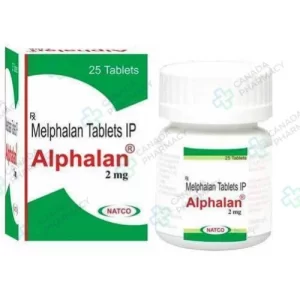
Alkeran
Price range: $ 112,00 through $ 513,00
Active substance: Melphalan
More Details
This product has multiple variants. The options may be chosen on the product page
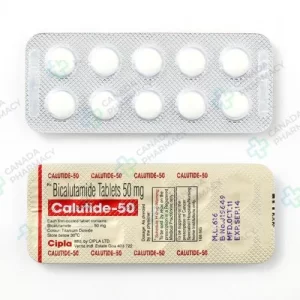
Casodex
Price range: $ 50,00 through $ 1 440,00
Active substance: bicalutamide
More Details
This product has multiple variants. The options may be chosen on the product page
Leukeran
Price range: $ 60,00 through $ 1 224,00
Active substance: Chlorambucil
More Details
This product has multiple variants. The options may be chosen on the product page
Reosto
Price range: $ 33,00 through $ 55,00
Active substance: Herbal
More Details
This product has multiple variants. The options may be chosen on the product page
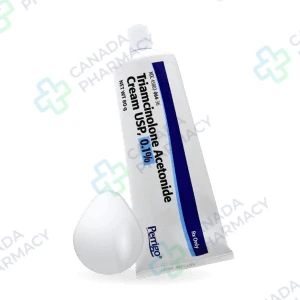
Triamcinolone
Price range: $ 45,00 through $ 289,00
Active substance: Triamcinolone
More Details
This product has multiple variants. The options may be chosen on the product page
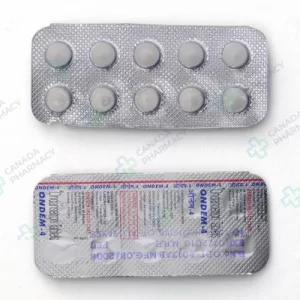
Zofran
Price range: $ 44,00 through $ 258,00
Active substance: Ondansetron
More Details
This product has multiple variants. The options may be chosen on the product page