

-7%
Prednisolone
Price range: $ 40,00 through $ 210,00
Prevacid
Price range: $ 11,00 through $ 225,00
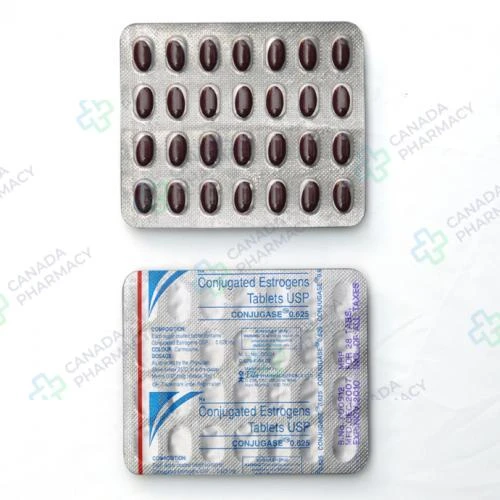
Premarin
Price range: $ 379,00 through $ 705,00
Premarin is a widely recognized hormone replacement therapy (HRT) that contains a specialized blend of conjugated estrogens. It is primarily indicated for the treatment of moderate to severe vasomotor symptoms, such as hot flashes and night sweats, associated with menopause. This medication also helps manage symptoms of vulvar and vaginal atrophy, providing relief from dryness and physical discomfort. Additionally, Premarin is used to prevent postmenopausal osteoporosis in women who are at a high risk for bone loss and fractures. By effectively replenishing declining estrogen levels, this treatment supports a more comfortable and stable transition through the various stages of menopause.
Active substance: Conjugated Estrogens
Delivery: 5–21 days (depending on the shipping method)
Extra 10% discount with coupon: IT4K6SVM
Each dosage option has its own packaging choices.
Description
Premarin belongs to a class of medications known as estrogen replacement therapies, derived from conjugated estrogens. It is prescribed primarily to treat moderate to severe vasomotor symptoms, such as hot flashes and night sweats, associated with menopause, as well as symptoms of vulvar and vaginal atrophy.
Available only by prescription under federal law, this medication helps replenish diminished estrogen levels in the body. Treatment decisions must involve a comprehensive evaluation of individual health risks, particularly regarding cardiovascular, cerebrovascular, and oncologic factors.
| Property | Details |
|---|---|
| Active ingredient | Conjugated Estrogens |
| Therapeutic class | Estrogens / Hormone Replacement Therapy |
| Dosage form | Oral tablet, Vaginal cream |
| Route of administration | Oral, Topical (Vaginal) |
| Primary purpose | Management of menopausal symptoms and estrogen deficiency |
| Prescription status | Prescription (Rx) only |
Main uses
Premarin is indicated by the U.S. Food and Drug Administration (FDA) for the treatment of moderate to severe vasomotor symptoms and moderate to severe vulvar and vaginal atrophy associated with menopause. When prescribed solely for localized vaginal atrophy, topical vaginal preparations should be evaluated before considering oral therapy. It is also indicated for the prevention of postmenopausal osteoporosis in individuals at significant risk who cannot tolerate non-estrogen options. Additional indications include female hypoestrogenism due to hypogonadism, castration, or primary ovarian failure, as well as palliative management of select advanced androgen-dependent malignancies, such as metastatic breast or prostate cancer, in specific patient populations.
How the drug works
Conjugated estrogens act by binding to specific nuclear estrogen receptors located in estrogen-responsive tissues throughout the body, including the female reproductive tract, breast tissue, pituitary gland, hypothalamus, and bone structures. Endogenous estrogens are essential for maintaining the structural and metabolic integrity of female tissue. By entering target cells and interacting with intracellular estrogen receptors, the active constituents of Premarin regulate the transcription of specific genes. This physiological activity restores circulating estrogen levels, thereby stabilizing vasomotor response mechanisms and reversing cellular atrophy associated with hormone deficiency during natural or surgical menopause.
Dosing schedule
Premarin therapy must be individualized, using the lowest effective dose for the shortest duration consistent with treatment goals and personal medical risks. For menopausal vasomotor symptoms or vulvar and vaginal atrophy, oral dosages generally range from 0.3 mg to 1.25 mg daily, administered continuously or in cyclic patterns (such as 21 days on medication followed by 7 days off). Patients with an intact uterus who receive systemic estrogen therapy typically require an added progestin to mitigate the risk of estrogen-induced endometrial hyperplasia and carcinoma. Patients should undergo routine clinical evaluations to determine whether ongoing treatment remains appropriate.
How it’s absorbed and eliminated
Conjugated estrogens are soluble in water and readily absorbed from the gastrointestinal tract following oral administration. Once in systemic circulation, estrogens bind extensively to sex hormone-binding globulin (SHBG) and serum albumin. Estrogens undergo metabolism predominantly in the liver via the CYP3A4 enzyme pathway, converting into estrone, estradiol, and estriol, alongside sulfate and glucuronide conjugates. Metabolites participate in enterohepatic recirculation, with ultimate elimination taking place mainly through renal excretion in the urine. The systemic elimination half-life reflects the continuous interconversion between circulating estrone and estradiol pools.
Compatibility with other medicines
Co-administration of Premarin with metabolic enzymes inducers, particularly CYP3A4 inducers such as St. John’s wort, phenobarbital, carbamazepine, rifampin, and phenytoin, may accelerate estrogen clearance. This interaction can reduce plasma concentrations of conjugated estrogens and lead to decreased therapeutic efficacy or altered bleeding patterns. In contrast, potent CYP3A4 inhibitors, including ketoconazole, itraconazole, clarithromycin, and ritonavir, can elevate plasma estrogen levels, potentially increasing the frequency and severity of adverse effects. Concomitant administration of thyroid replacement hormones may necessitate an upward adjustment of thyroid dose, as systemic estrogens elevate thyroid-binding globulin levels.
Adverse reactions
Commonly reported adverse reactions associated with Premarin include headache, breast tenderness or pain, abdominal cramps, bloating, nausea, alopecia, and spot bleeding or breakthrough vaginal discharge. Fluid retention may occur, resulting in peripheral edema or mild fluctuations in body weight. Less frequent but severe adverse risks include venous thromboembolism (deep vein thrombosis and pulmonary embolism), cerebrovascular accident (stroke), myocardial infarction, gallbladder disease, and elevated blood pressure. Any persistent or severe adverse symptom should be promptly reported to a healthcare provider for clinical review.
What you may notice early on
Upon beginning Premarin therapy, individuals often experience a gradual reduction in the intensity and frequency of hot flashes and night sweats over the first few weeks. Minor early side effects, such as initial breast sensitivity, mild nausea, or fluid retention, can present as the body adapts to exogenous hormone levels. These mild reactions frequently diminish after the initial months of treatment. If early discomfort persists or worsens, consult the prescribing healthcare provider for evaluation.
Important precautions
Systemic estrogen therapy carries significant safety warnings. Premarin is contraindicated in individuals with undiagnosed abnormal genital bleeding, active or historical arterial or venous thromboembolism, known or suspected breast cancer, estrogen-dependent neoplasia, severe hepatic impairment, or active pregnancy. Systemic estrogen therapy, with or without progestin, has been associated with elevated risks of deep vein thrombosis, pulmonary embolism, stroke, myocardial infarction, invasive breast cancer, and probable dementia in postmenopausal individuals aged 65 and older. Estrogens are not indicated during pregnancy or lactation.
| Red Flag Symptoms | Immediate Action Required |
|---|---|
| Sudden severe headache, numbness, or vision loss | Seek emergency medical care immediately |
| Chest pain, pressure, or shortness of breath | Seek emergency medical care immediately |
| Pain, swelling, or warmth in one leg | Contact emergency medical services |
| Unusual, sudden, or severe vaginal bleeding | Contact your physician promptly |
| Signs of allergic reaction (facial swelling, hives, difficulty breathing) | Seek emergency medical care immediately |
Food and alcohol interactions
Premarin tablets may be ingested with or without food. Taking the tablet alongside meals or snacks may reduce light stomach distress or mild nausea. Caution is advised regarding grapefruit or grapefruit juice, as compounds in grapefruit can inhibit CYP3A4 hepatic enzymes, raising circulating estrogen concentrations and increasing adverse effect risks. Moderate to heavy alcohol consumption may also alter estrogen metabolism and elevate circulating estrogen levels in the bloodstream.
If you skip a dose
If a dose of Premarin is missed, it should be taken as soon as remembered on the same day. However, if it is nearly time for the next scheduled dose, skip the missed dose and resume the standard schedule. Do not double the dosage to compensate for a skipped tablet. Maintaining a consistent daily regimen helps prevent hormonal fluctuations and minimizes irregular breakthrough bleeding.
Storage and expiration
Premarin tablets should be stored at controlled room temperature between 20°C and 25°C (68°F to 77°F), with permitted excursions between 15°C and 30°C (59°F to 86°F). Store the tablets in a dry, tightly closed container away from excessive heat, moisture, and direct sunlight. Avoid storing medications in humid environments like bathroom cabinets. Keep out of reach of children and pets, and safely discard any medication that has passed its expiration date.
Common questions
What should be done if spot bleeding occurs during Premarin therapy?
Unscheduled breakthrough bleeding or spotting can occur during estrogen therapy, especially during the initial months of treatment. However, any persistent, unexplained, or unexpected vaginal bleeding must be evaluated by a healthcare professional to rule out underlying endometrial pathology.
Can Premarin be taken alongside thyroid replacement medication?
Systemic estrogens increase levels of thyroid-binding globulin, which can decrease circulating free thyroid hormone levels. Patients taking thyroid hormone replacement may require periodic blood tests and potential dose adjustments of their thyroid medication when starting or stopping Premarin.
Is it safe to stop taking Premarin abruptly?
Abrupt discontinuation of estrogen therapy does not typically cause severe toxicity, but it can result in a sudden return of vasomotor symptoms such as hot flashes and night sweats. Healthcare providers usually recommend tapering the dosage gradually when discontinuing treatment.
How long can a person safely remain on Premarin treatment?
The duration of Premarin therapy depends on the specific condition being treated, overall health status, and ongoing risk assessments. Guidelines recommend using estrogen therapy at the lowest effective dose for the shortest duration necessary to achieve therapeutic goals, with regular periodic medical reviews.
Does Premarin cause changes in blood pressure?
In some individuals, estrogen administration may lead to fluid retention or vascular changes that can elevate blood pressure. Blood pressure should be monitored prior to initiating therapy and checked regularly throughout the duration of treatment.
In accordance with FDA requirements.
This text is for informational purposes only and does not constitute individual medical advice.
Additional information
| Dosage |
0.625mg |
|---|---|
| Package |
56 pills ,84 pills ,112 pills |
| Ενεργός Ουσία |
Related products
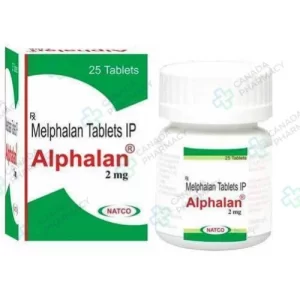
Alkeran
Price range: $ 112,00 through $ 513,00
Active substance: Melphalan
More Details
This product has multiple variants. The options may be chosen on the product page

Fenbendazole
Price range: $ 38,00 through $ 231,00
Active substance: Fenbendazole
More Details
This product has multiple variants. The options may be chosen on the product page
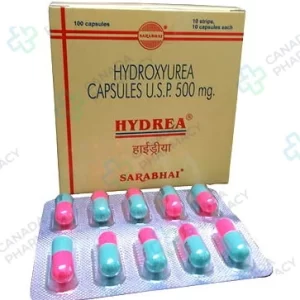
Hydrea
Price range: $ 64,00 through $ 541,00
Active substance: Hydroxyurea
More Details
This product has multiple variants. The options may be chosen on the product page
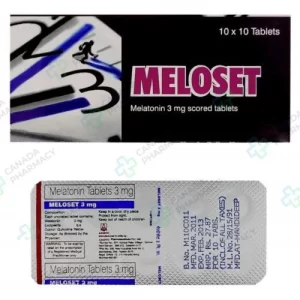
Melatonin
Anti-Inflammatories, AntiConvulsants, AntiParasitics, Cancer, Dementias, HIV, Migraine, Osteoporosis, Respiratory Tract
Price range: $ 46,00 through $ 201,00
Active substance: Melatonin
More Details
This product has multiple variants. The options may be chosen on the product page
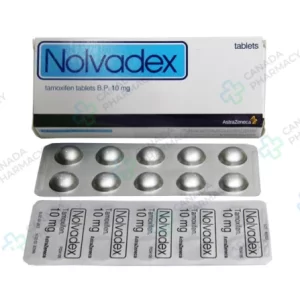
Nolvadex
Price range: $ 51,00 through $ 199,00
Active substance: Tamoxifen
More Details
This product has multiple variants. The options may be chosen on the product page

Reosto
Price range: $ 33,00 through $ 55,00
Active substance: Herbal
More Details
This product has multiple variants. The options may be chosen on the product page
Synthroid
Price range: $ 43,00 through $ 170,00
Active substance: Levothyroxine
More Details
This product has multiple variants. The options may be chosen on the product page
Zyloprim
Price range: $ 43,00 through $ 144,00
Active substance: allopurinol
More Details
This product has multiple variants. The options may be chosen on the product page