

-54%
Premarin
Price range: $ 379,00 through $ 705,00

Prilosec
Price range: $ 46,00 through $ 304,00
Prevacid
Price range: $ 11,00 through $ 225,00
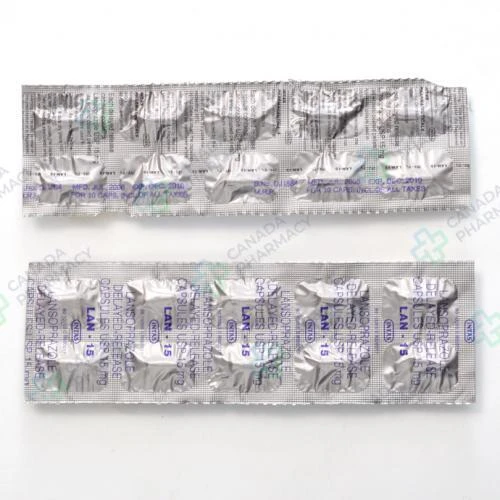
Prevacid is a potent proton pump inhibitor formulated to provide long-lasting relief from frequent heartburn and acid-related symptoms. By reducing the production of excess stomach acid, this medication helps protect the digestive system and promotes the healing of the esophagus. It is widely used for the treatment of gastroesophageal reflux disease (GERD) and the management of erosive esophagitis. Prevacid is also highly effective in treating and preventing gastric and duodenal ulcers. This reliable treatment allows individuals to maintain a comfortable lifestyle by stopping acid reflux symptoms before they begin.
Active substance: Lansoprazole
Delivery: 5–21 days (depending on the shipping method)
Extra 10% discount with coupon: IT4K6SVM
Each dosage option has its own packaging choices.
Description
Prevacid belongs to a class of gastrointestinal medications known as proton pump inhibitors. The active ingredient, lansoprazole, works by decreasing the volume of acid produced in the stomach. Depending on the strength, dosage form, and clinical indication, Prevacid is available in both prescription and over-the-counter formulations dispensed in accordance with applicable federal and state regulations.
Proper clinical evaluation helps determine whether lansoprazole is the appropriate therapeutic option for specific acid-related symptoms or medical conditions. Patients should always follow exact dosing recommendations provided by a licensed healthcare provider or indicated on the product label.
Basic Information
| Parameter | Details |
|---|---|
| Active ingredient | Lansoprazole |
| Therapeutic class | Proton Pump Inhibitor (PPI) |
| Primary purpose | Gastric acid reduction and treatment of acid-related disorders |
| Route of administration | Oral |
| Dosage forms | Delayed-release capsules, orally disintegrating tablets (SoluTab) |
| Storage conditions | Store at 20°C to 25°C (68°F to 77°F); protect from light and moisture |
Clinical and Pharmacological Overview
How the drug works
Lansoprazole is a substituted benzimidazole proton pump inhibitor. It suppresses gastric acid secretion by specific inhibition of the (H+, K+)-ATPase enzyme system located at the secretory surface of the gastric parietal cell. Because this enzyme system is regarded as the acid (proton) pump within the parietal cell, lansoprazole blocks the final step of gastric acid production. This inhibition is dose-related and leads to suppression of both basal and stimulated gastric acid secretion, regardless of the nature of the stimulus.
Main uses
Prescription Prevacid is indicated for the short-term treatment (up to 4 to 8 weeks) of active duodenal ulcers, active benign gastric ulcers, and erosive esophagitis. It is also approved for the maintenance of healing of erosive esophagitis and duodenal ulcers. Additionally, prescription lansoprazole is indicated for the long-term management of pathological hypersecretory conditions, including Zollinger-Ellison syndrome, and as part of combination regimens with antibiotics (such as amoxicillin and clarithromycin) for the eradication of Helicobacter pylori to reduce the risk of duodenal ulcer recurrence. Over-the-counter formulations (such as Prevacid 24HR, 15 mg) are indicated for the treatment of frequent heartburn occurring two or more days per week in adults.
Dosing schedule
For prescription formulations, standard adult dosages generally range from 15 mg to 30 mg once daily, administered prior to eating. For the healing of active duodenal ulcers, the recommended dosage is 15 mg once daily for 4 weeks. Treatment of erosive esophagitis typically involves 30 mg once daily for up to 8 weeks. Pathological hypersecretory conditions may require higher initial doses, such as 60 mg once daily, adjusted individually based on patient response and clinical status. Over-the-counter Prevacid 24HR is administered as one 15 mg capsule once daily in the morning before eating, taken continuously for a 14-day course. The OTC product should not be taken for more than 14 days or repeated more often than every 4 months unless directed by a physician. Capsules should be swallowed whole and must not be chewed or crushed.
How it’s absorbed and eliminated
Lansoprazole delayed-release formulations are rapidly absorbed, reaching peak plasma concentrations (Cmax) approximately 1.7 hours after oral administration. Absolute bioavailability is greater than 80% when taken on an empty stomach; however, administration with food reduces both Cmax and area under the curve (AUC) by approximately 50% to 70%. Lansoprazole is approximately 97% bound to plasma proteins. It is extensively metabolized in the liver by the cytochrome P450 enzyme system, primarily via CYP2C19 to form hydroxylated derivatives and CYP3A4 to form sulfone derivatives. The plasma elimination half-life is approximately 1.3 to 1.5 hours, though this does not reflect the prolonged duration of gastric acid suppression, which persists for more than 24 hours due to irreversible binding to the proton pump enzyme. The metabolites are eliminated via both biliary/fecal (approximately 67%) and renal (approximately 33%) routes.
Compatibility with other medicines
Lansoprazole can interfere with the absorption of drugs that require an acidic intragastric environment for optimal bioavailability. Co-administration may significantly decrease the plasma concentrations of ketoconazole, itraconazole, iron esters, erlotinib, and mycophenolate mofetil. Concomitant use of lansoprazole with antiretroviral agents such as atazanavir or nelfinavir is generally avoided due to substantial reductions in antiretroviral plasma levels and clinical efficacy. Lansoprazole is metabolized by CYP2C19 and CYP3A4; concurrent use with strong CYP2C19 inhibitors (e.g., fluvoxamine) or inducers (e.g., St. John’s wort, rifampin) can significantly alter lansoprazole plasma concentrations. Furthermore, concomitant administration of PPIs with high-dose methotrexate may elevate and prolong serum levels of methotrexate, potentially increasing toxicity. Monitoring of international normalized ratio (INR) and prothrombin time is recommended when co-administered with warfarin.
Adverse reactions
In clinical trials, lansoprazole was generally well tolerated. The most commonly reported adverse events (occurring in 1% or more of patients) include diarrhea, abdominal pain, nausea, constipation, and headache. Hypersensitivity reactions, such as anaphylaxis, urticaria, and angioedema, occur rarely. Chronic therapy with proton pump inhibitors has been associated with an increased risk of Clostridioides difficile-associated diarrhea, bone fractures (hip, wrist, or spine) related to osteoporosis during high-dose or long-term therapy, hypomagnesemia (especially after prolonged use exceeding one year), vitamin B12 deficiency due to hypo- or achlorhydria, and acute tubulointerstitial nephritis. Cutaneous lupus erythematosus (CLE) and systemic lupus erythematosus (SLE) have also been reported during post-marketing surveillance.
What to avoid while taking it
Prevacid should be taken before meals, ideally in the morning prior to breakfast, because food intake significantly delays its absorption and reduces total drug availability. While moderate alcohol consumption does not directly interact pharmacokinetically with lansoprazole, alcohol can irritate the gastric mucosa, relax the lower esophageal sphincter, and exacerbate symptoms of gastroesophageal reflux or ulcer disease. Consequently, limiting alcohol consumption is often advised during treatment. Acidic food items or beverages that trigger symptoms should also be managed alongside pharmacotherapy.
Red flags
Patients should seek immediate medical evaluation if they experience signs of severe allergic reactions, such as swelling of the face, lips, tongue, or throat, or difficulty breathing and swallowing. Immediate emergency care is warranted for severe or persistent diarrhea accompanied by fever or abdominal pain, as this may indicate a serious intestinal infection (C. difficile). Other critical indicators requiring urgent medical attention include symptoms of severe low magnesium levels (such as muscle spasms, tremors, seizures, or irregular heartbeat), sudden joint pain or skin rash on areas exposed to the sun (signs of cutaneous lupus), or persistent chest pain that may mimic a cardiovascular event.
If you skip a dose
If a dose of prescription or OTC lansoprazole is missed, it should be taken as soon as remembered on that day, provided it is taken before a meal. However, if it is almost time for the next scheduled dose, the missed dose should be skipped entirely, and the regular dosing schedule resumed. Double doses should never be taken to compensate for a missed capsule.
Storage and expiration
Prevacid should be stored at controlled room temperature between 20°C and 25°C (68°F to 77°F), with short exposures permitted between 15°C and 30°C (59°F to 86°F). The medication must be kept in its original container, tightly closed, and protected from light and excessive moisture. Lansoprazole should not be stored in humid environments such as bathrooms. Expiration dates stamped on the packaging must be observed, and expired or unused medication should be disposed of safely according to local community take-back regulations or federal disposal guidelines.
Important precautions
Symptomatic response to lansoprazole therapy does not preclude the presence of gastric malignancy; appropriate diagnostic evaluation should be considered in adults displaying warning signs such as severe dysphagia, unexplainable weight loss, or persistent vomiting. Elderly patients generally show decreased elimination clearance of lansoprazole, but dose adjustment is usually not required solely based on age unless severe hepatic impairment coexists. In patients with severe hepatic impairment, dosage reduction should be considered due to increased systemic exposure. For pregnant women, available human data have not identified a drug-associated risk of major birth defects or miscarriage; nevertheless, prescription lansoprazole should be used during pregnancy only if clearly needed under clinical supervision. Lactating women should consult a provider regarding the risk-benefit profile of nursing during therapy.
Common Questions
How long does it take for Prevacid to relieve acid reflux symptoms?
While lansoprazole begins inhibiting stomach acid production within 1 to 3 hours after administration, optimal symptom relief or complete healing of tissue damage may require several days of consecutive daily use. It is not intended for immediate relief of acute heartburn symptoms.
Can Prevacid capsules be opened if difficulty swallowing occurs?
For patients who have difficulty swallowing intact capsules, prescription Prevacid capsules may be opened and the intact granules sprinkled onto one tablespoon of applesauce, Ensure, yogurt, or cottage cheese and swallowed immediately without chewing. Alternatively, granules may be mixed with 2 ounces of specific juices (apple, orange, or tomato) and administered promptly.
Is long-term daily use of Prevacid safe without a physician’s oversight?
Over-the-counter lansoprazole is approved strictly for short-term 14-day treatment courses up to three times per year. Long-term continuous use without professional supervision is not recommended, as prolonged acid suppression increases the risk of bone fractures, vitamin B12 deficiency, hypomagnesemia, and potential masking of underlying gastrointestinal disease.
Does Prevacid interact with blood thinners like warfarin?
Increases in international normalized ratio (INR) and prothrombin time have been reported in patients receiving proton pump inhibitors, including lansoprazole, concurrently with warfarin. Patients co-administered these agents require regular INR monitoring to prevent potential bleeding complications.
What is the difference between Prevacid capsules and Prevacid SoluTab?
Prevacid SoluTab is an orally disintegrating delayed-release tablet containing enteric-coated microgranules. Unlike standard capsules, the SoluTab dissolves on the tongue without water, though it contains phenylalanine and should be used with caution in patients with phenylketonuria (PKU).
This text is for informational purposes only and does not constitute individual medical advice.
In accordance with FDA requirements.
Additional information
| Dosage |
15 mg ,30mg |
|---|---|
| Package |
10 pills ,30 pills ,60 pills ,90 pills ,120 pills ,180 pills ,270 pills ,360 pills |
| Ενεργός Ουσία |
Related products
Aciphex
Price range: $ 45,00 through $ 274,00
Active substance: Rabeprazole
More Details
This product has multiple variants. The options may be chosen on the product page

Bentyl
Price range: $ 63,00 through $ 900,00
Active substance: Dicyclomine
More Details
This product has multiple variants. The options may be chosen on the product page
Biaxin
Price range: $ 107,00 through $ 427,00
Active substance: Clarithromycin
More Details
This product has multiple variants. The options may be chosen on the product page
Decadron
Price range: $ 12,00 through $ 182,00
Active substance: Dexamethasone
More Details
This product has multiple variants. The options may be chosen on the product page
Ditropan
Price range: $ 23,00 through $ 262,00
Active substance: Oxybutynin
More Details
This product has multiple variants. The options may be chosen on the product page
Imodium
Price range: $ 51,00 through $ 138,00
Active substance: Loperamide
More Details
This product has multiple variants. The options may be chosen on the product page
Liv.52 Syrup
$ 60,00
Active substance: Chicory, The Caper Bush
More Details
This product has multiple variants. The options may be chosen on the product page
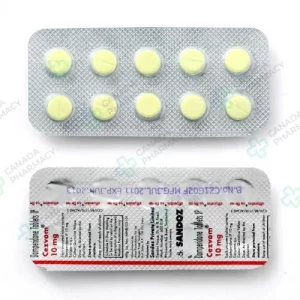
Motilium
Price range: $ 40,00 through $ 95,00
Active substance: domperidone
More Details
This product has multiple variants. The options may be chosen on the product page